


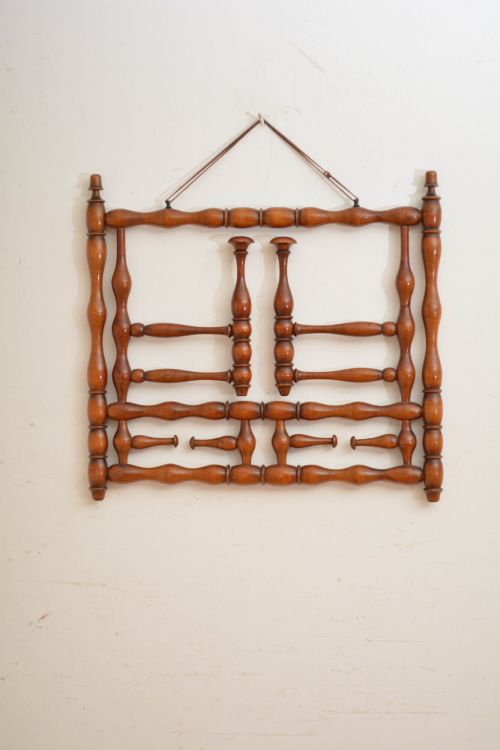
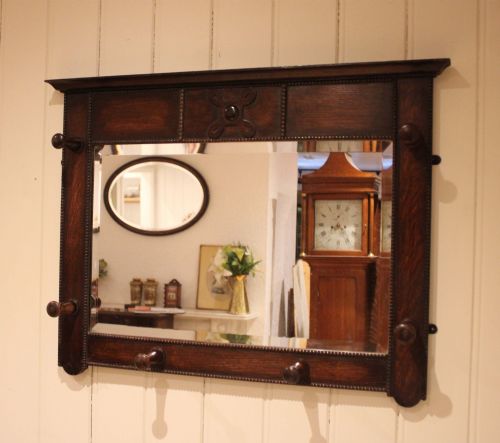
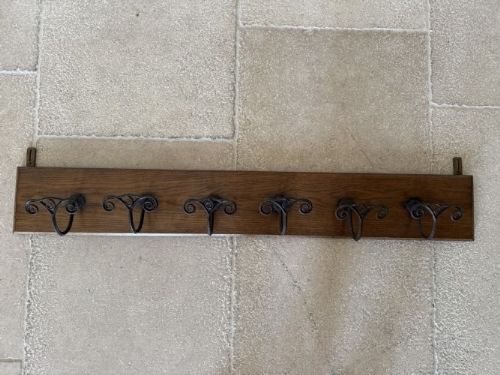


Carved Wall Hooks
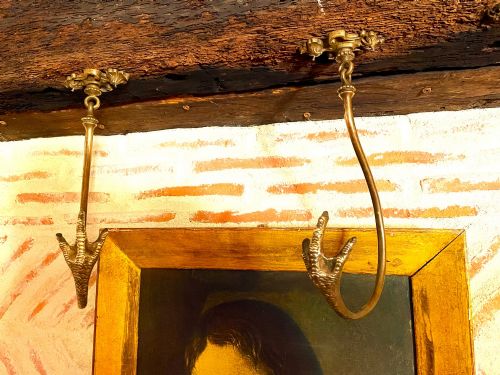
Carved wall hooks are functional wooden and brass fixtures that bring utility and period character to hallways and cloakrooms.
Carved Wall Hooks
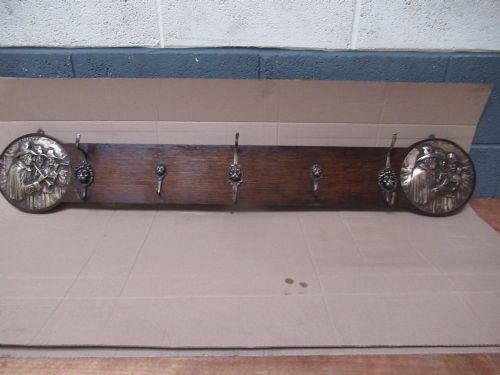
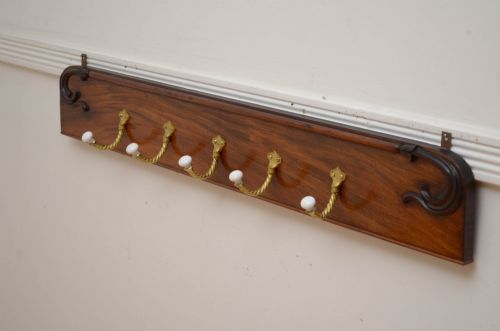
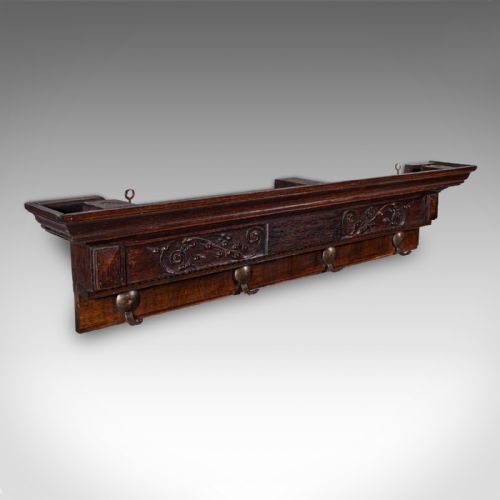
Carved wall hooks combine timber mounts with metal or ceramic fixtures to hold coats, hats and accessories in domestic spaces. These pieces emerge in formats ranging from single mount hooks to substantial hall stands and rack combinations.
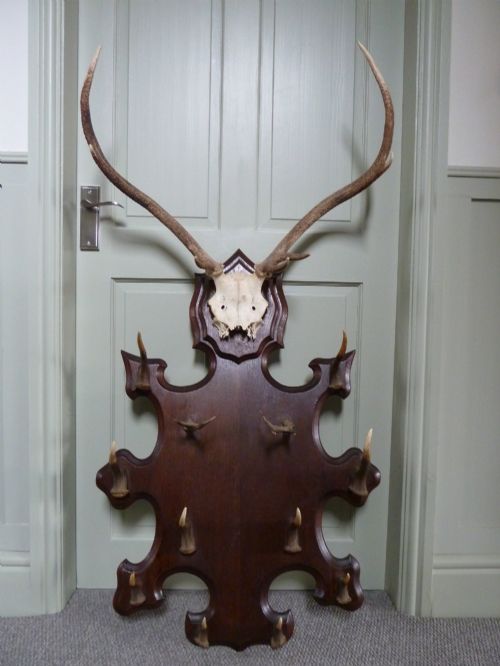
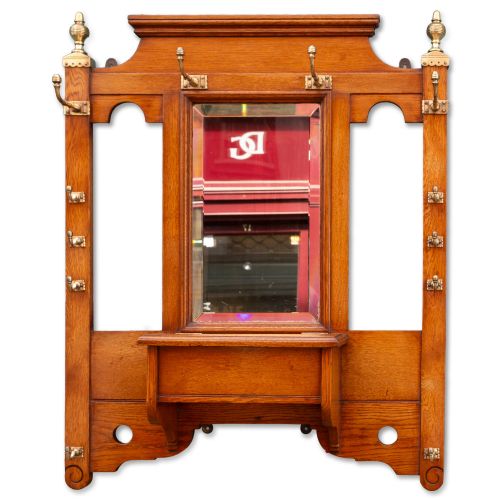
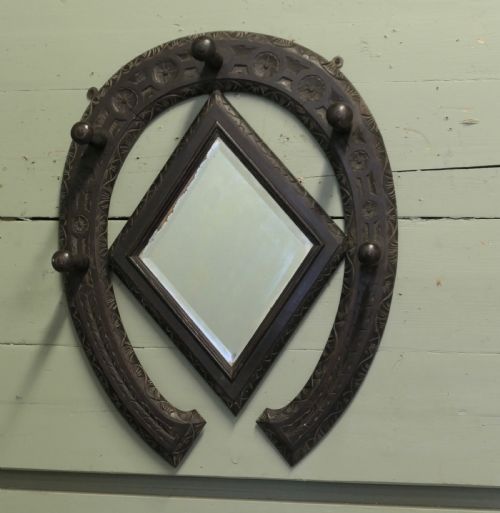
The evidence shows examples spanning the nineteenth and early twentieth centuries, with Victorian and Edwardian pieces appearing alongside Black Forest carvings and French Rococo Revival designs. Oak and mahogany serve as the primary backboards, while brass, horn and ormolu provide the hanging points.
How they were made
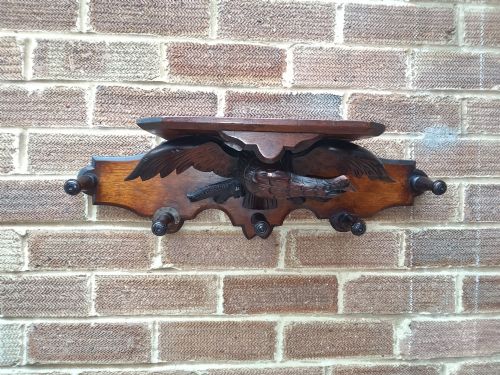
Craftsmen shaped backboards from dense hardwoods including oak, walnut and mahogany, often employing deep hand carving to depict animal heads, gnomes and foliate motifs. Linden wood provided a softer medium for intricate Black Forest animal sculptures.
Metal elements such as brass, ormolu and wrought iron were cast, forged or gilded to create robust hooks and tie-backs. Natural materials like stag horn and animal bone were mounted directly onto timber backplates using concealed screws and metal brackets.
Carved Wall Hooks Retail Price Guide 2026
Typical asking prices for carved wall hooks among the pieces listed under this phrase on Sellingantiques today, from the lower quarter to the upper quarter. They describe what is for sale here now, not the wider market.
The site listings feature oak, mahogany, walnut, and linden wood alongside brass, ormolu, wrought iron, glass, and horn.
What varies in quality
Quality rests upon the depth and precision of the carving, particularly in Black Forest animal sculptures where expression and anatomical accuracy distinguish master work from routine production. The choice of timber also dictates grade, with dense golden oak or figured mahogany outlasting simpler softwoods.
The integration of materials influences overall merit, seen in how cleanly brass hooks are seated into the timber or how securely taxidermy elements are mounted. Pieces retaining original matching hardware command greater appreciation among collectors.
The Carved Wall Hooks Glossary
- Black Forest
- A style of wood carving originating from the Swiss and German border regions, characterised by naturalistic depictions of animals and foliage. Pieces often feature bears, chamois or deer integrated into furniture and wall fixtures.
- Ormolu
- Gilded bronze used for decorative mounts and hardware in French furniture and decorative objects. The technique involves applying a mercury and gold amalgam to bronze before firing.
- Taxidermy
- The preservation and mounting of animal skin and horns for display. In hall racks and coat hooks, stag horns and goat heads frequently serve as the primary hanging arms.
- Tie-back
- A decorative fixture attached to a wall beside a window to hold curtains back from the glass. These are often cast in brass or ormolu to match interior metalwork.
Carved Wall Hooks: Frequently Asked Questions
Where should I mount a coat rack?
Mount these pieces in hallways, boot rooms or cloakrooms where solid wall fixings can support the weight of heavy winter garments.
Ensure you anchor the backplate directly into wall studs or use appropriate wall plugs for plasterboard stability.
How do I clean carved wood?
Dust the carvings gently with a soft, dry brush to remove particles from deep recesses without disturbing the patina.
Avoid liquid cleaners and excessive moisture, which can damage aged timber and loosen glued joints.
What is Black Forest carving?
Black Forest carving is a distinct nineteenth-century style featuring naturalistic animal and plant motifs, often executed in Linden wood or walnut.
These pieces frequently depict forest fauna such as deer, bears and dogs integrated into functional items like hat stands and wall hooks.
How do I date an antique rack?
Examine the timber species, the style of the carving and the type of metal used for the screw heads and hooks.
Victorian and Edwardian pieces often display machine-cut screws alongside hand-finished woodwork, helping to narrow the period of manufacture.