



Carved Wall Frieze
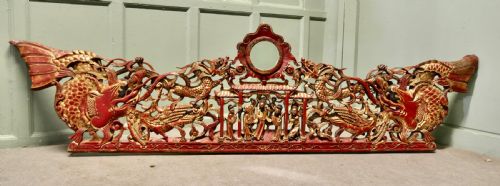
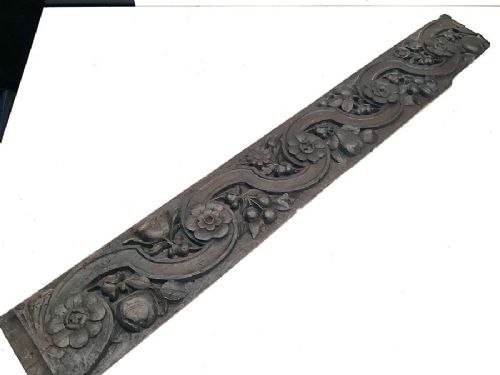
A carved wall frieze brings linear architectural detail and deep relief work directly into a room.
Carved Wall Frieze
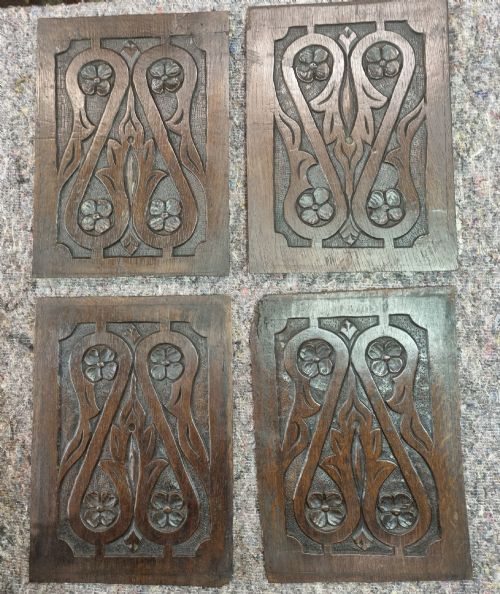
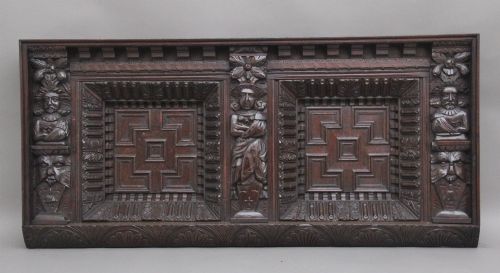
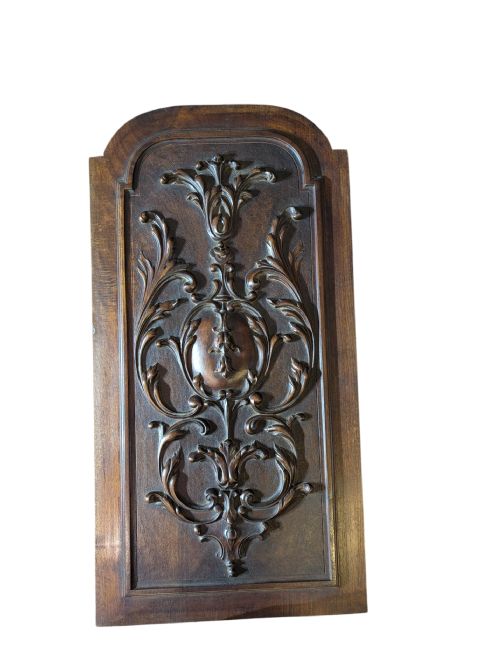
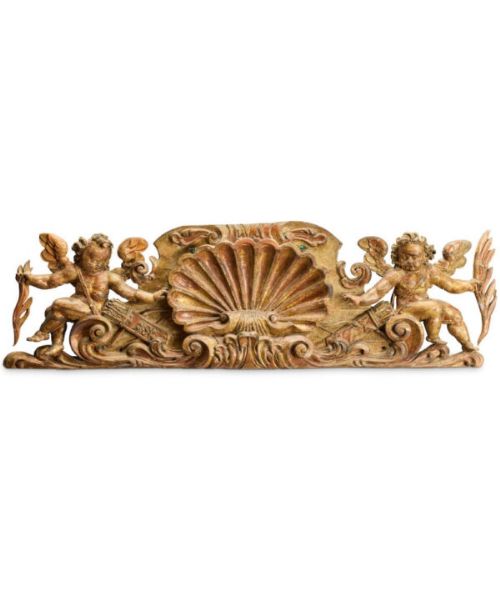
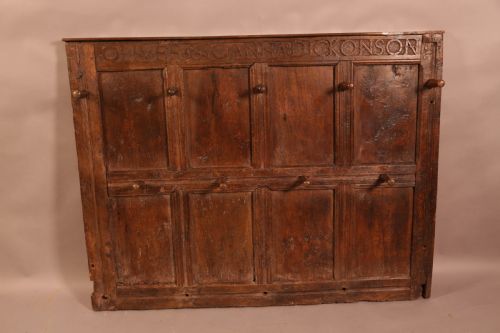
When you search for a carved wall frieze, you encounter long panels, pediments, and architectural fragments designed to mount directly onto interior walls or above architectural openings. The pieces found here span from seventeenth-century oak panels and seventeenth-century overmantles to nineteenth-century decorative elements, reflecting centuries of interior ornament.
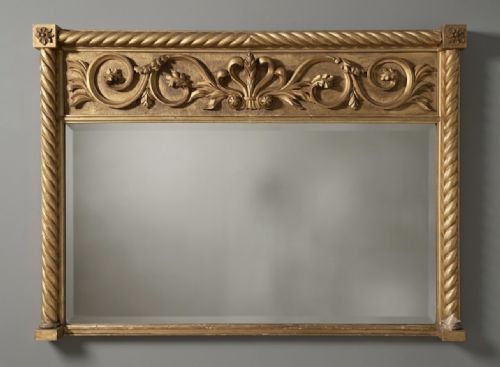
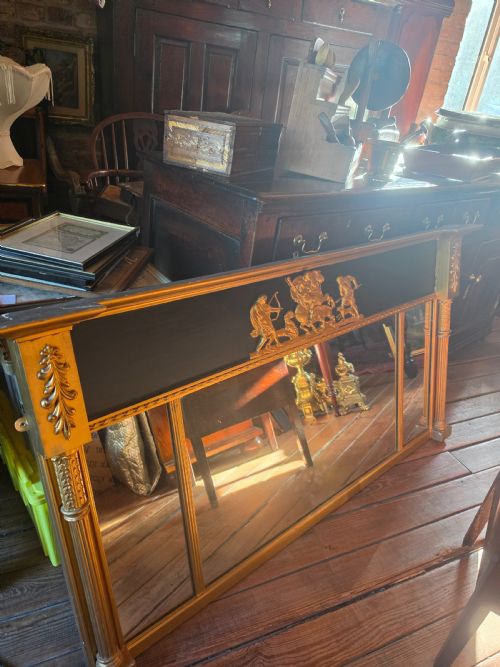
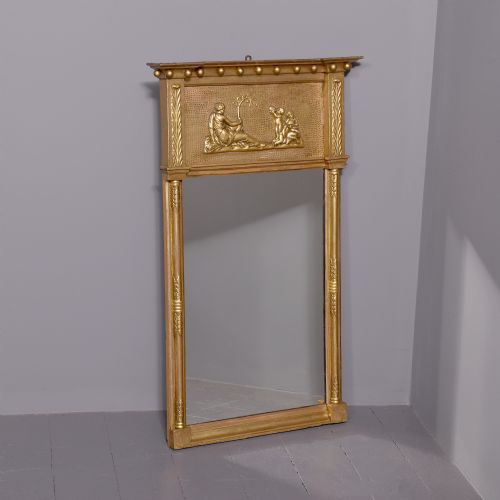
The selection ranges from sturdy oak panels depicting historical or domestic scenes to giltwood and parcel-gilt architectural fragments adorned with classical motifs. You will also meet larger overmantel mirrors and architectural pediments that incorporate carved friezes within their upper borders.
Originating largely from domestic houses, country estates, and architectural salvage, these items serve as focal points above doorways, fireplaces, and blank expanses of wall. Their forms preserve the hand of the carver in materials that have survived centuries of interior reconfiguration.
How they were made
Makers shaped these panels using native and imported timbers, predominantly oak, walnut, and mahogany, alongside softwood foundations prepared for gilding. Carpenters and woodcarvers worked these dense materials with gouges and chisels to achieve high relief and intricate depth.
Giltwood and parcel-gilt pieces received layers of gesso applied over the carved wood base before the application of gold leaf or water gilding. Painted items relied on mineral pigments bound to the timber, while architectural fragments often combined structural joinery with surface carving.
Carved Wall Frieze Retail Price Guide 2026
Typical asking prices for carved wall frieze among the pieces listed under this phrase on Sellingantiques today, from the lower quarter to the upper quarter. They describe what is for sale here now, not the wider market.
One unexpected nineteenth-century panel depicts a dramatic narrative scene involving a chicken thief.
What varies in quality
The distinction between ordinary joinery and exceptional carving lies in the crispness and depth of the chisel work across the timber. Superior panels display confident undercutting and spirited detail in figures, foliage, and heraldic motifs, whereas lesser examples show flat or mechanical execution.
Surface integrity and the preservation of original finishes dictate the standing of a piece within its period. Items retaining their initial water gilding, original paint layers, or unpainted historic oak patination hold greater visual coherence than those stripped or heavily restored.
Edward Pearce·Grinling Gibbons
The Carved Wall Frieze Glossary
- Frieze
- A broad horizontal band of sculpted or painted decoration situated on a wall or architectural element. In these listings, it appears as a distinct wooden panel or as part of a larger mirror frame.
- Gesso
- A plaster mixture spread over a wooden substrate to prepare a smooth surface for gilding or painting. It provides the crisp base required for applying gold leaf.
- Pediment
- A triangular or segmental architectural crown placed above doors, windows, or mantelpieces. Many examples incorporate carved wooden decoration along their sloping edges.
- Overmantel
- A decorative panel, mirror, or carving positioned directly above a fireplace mantel. These often integrate elaborate friezes and architectural mouldings.
- Parcel-gilt
- Woodwork partially covered in gold leaf while leaving areas of the natural timber or painted surface exposed. This technique highlights specific carved details against a contrasting background.
Carved Wall Frieze: Frequently Asked Questions
Where should I hang a carved wall frieze?
These linear panels sit naturally above doorways, along picture rail heights, or mounted directly onto plain walls as focal artwork.
Heavier architectural pieces and overmantel versions require secure fixing into wall studs or masonry to support their substantial timber weight.
How do I clean an antique carved panel?
Dust the deep relief work gently using a soft-bristled brush to prevent particulate buildup in the carved recesses.
Avoid liquid cleaners, damp cloths, and modern polishes, which can damage historic gesso, gilding, and dry oak surfaces.
Can I mount a frieze above a fireplace?
Many historic friezes and overmantel mirrors were originally designed specifically for placement above drawing room and dining room hearths.
Ensure the wall material and fixings can bear the load, and check that the timber is protected from excessive direct heat.
How do I distinguish seventeenth-century oak from later work?
Early oak panels display distinct tool marks from hand axes and chisels, alongside deep patination acquired through centuries of exposure.
Joinery methods such as pegged mortise and tenon frames further point to period construction rather than later reproduction work.