
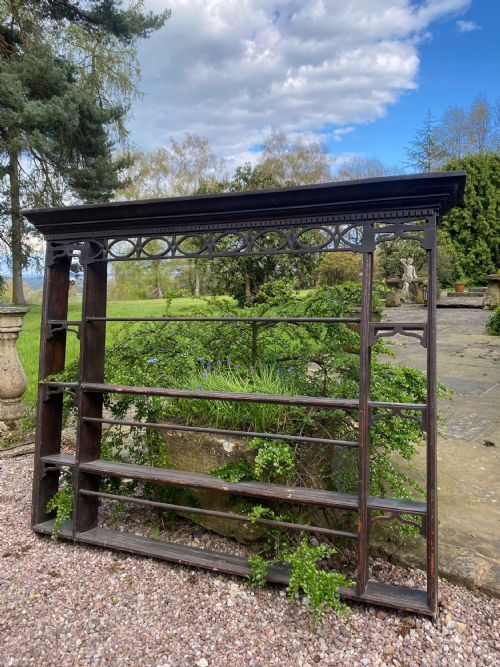
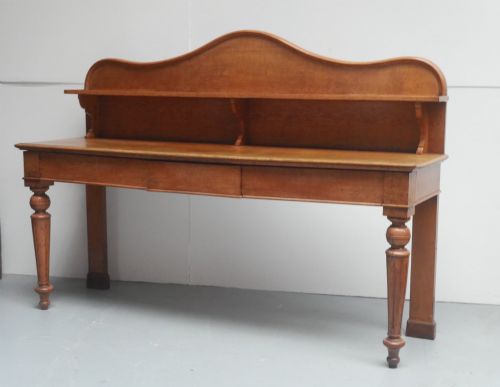
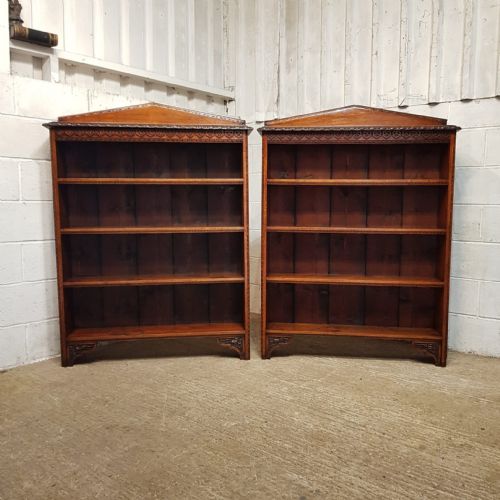

Carved Victorian Oak Shelf
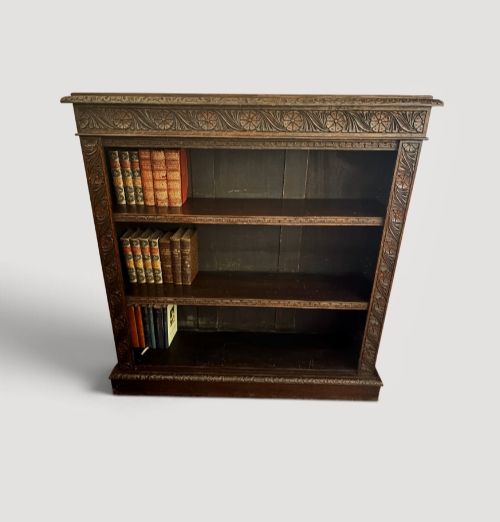
These pieces known as a carved victorian oak shelf combine heavy timber with deep chisel work to display books or ornaments on a wall.
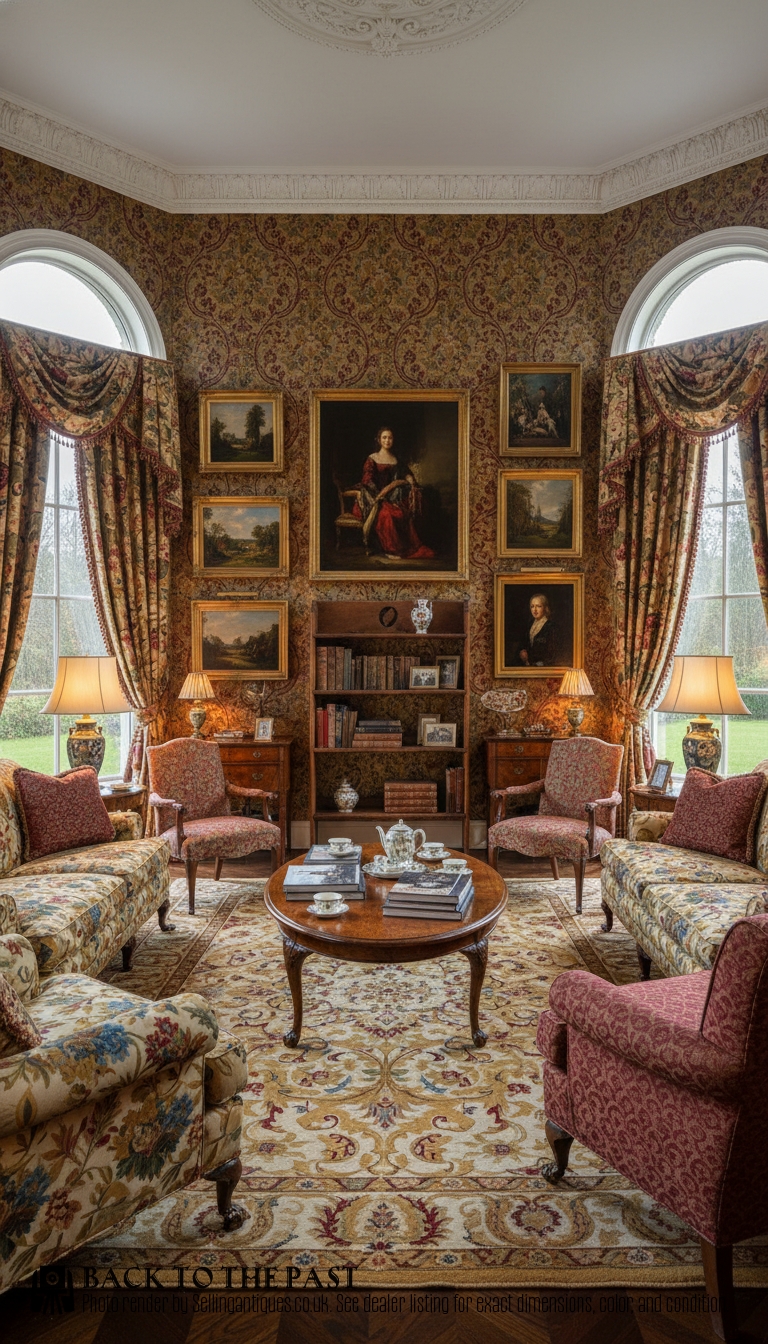
Carved Victorian Oak Shelf
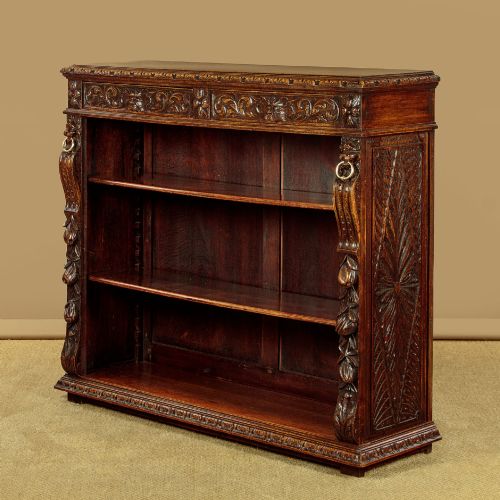
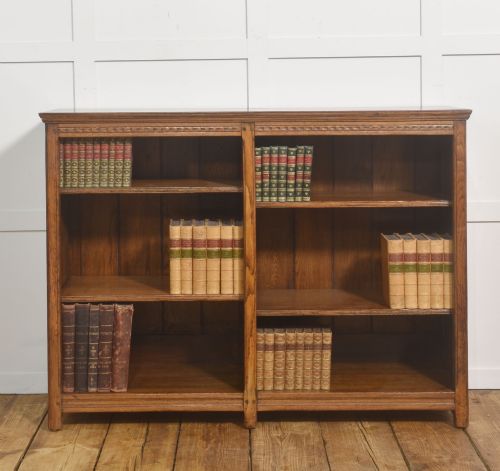
A carved victorian oak shelf serves as a sturdy timber projection designed to mount upon a wall or form part of an open bookcase structure. The pieces listed under this phrase span various centuries and styles, though the Victorian period dominates with heavy grain and darker tones.
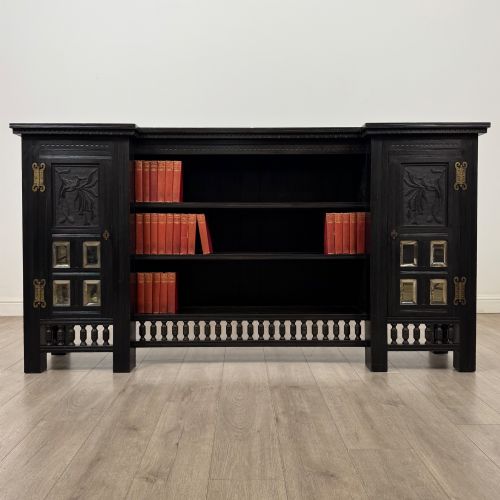
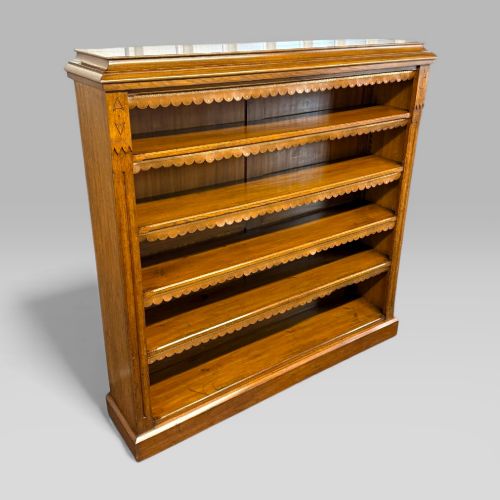
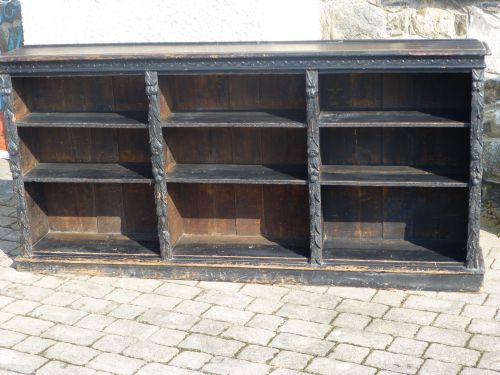
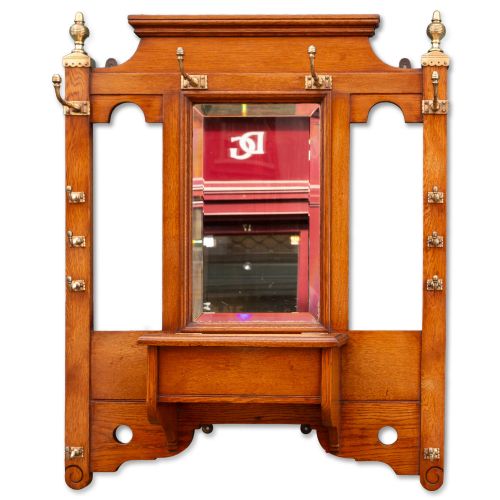
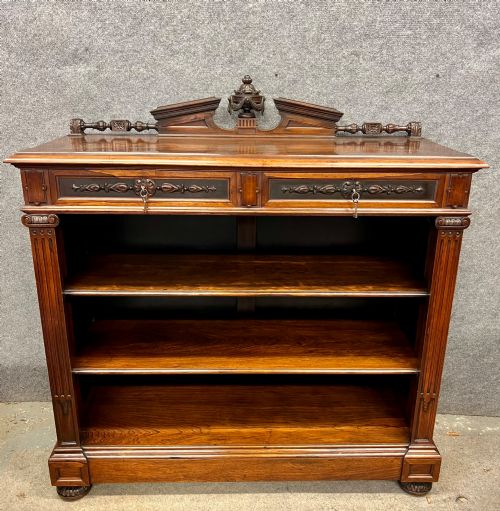
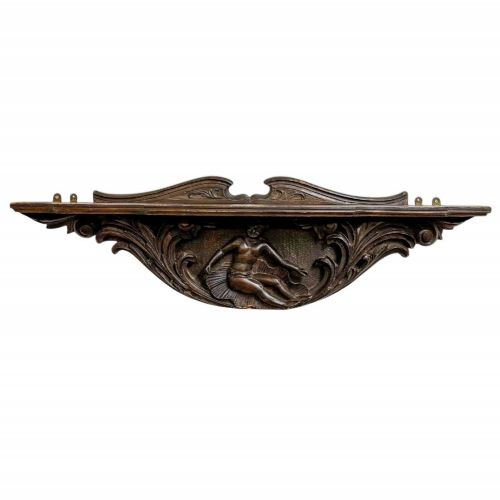
Makers fashioned these items primarily as wall hanging shelves, wall brackets, or open bookcases with integrated shelving units. The evidence shows forms ranging from simple wall-mounted timber boards to elaborate Gothic Revival and Aesthetic Movement library furniture.
Materials and construction methods
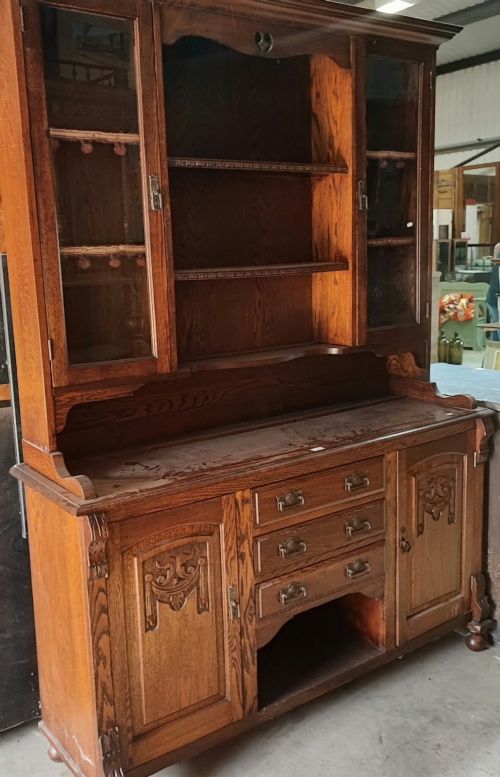
Makers utilised solid oak, tiger oak, and pollard oak to build these shelves, frequently combining the dense timber with brass mounts or glass elements. The wood was selected for its heavy grain and durability, capable of supporting substantial volumes and decorative objects.
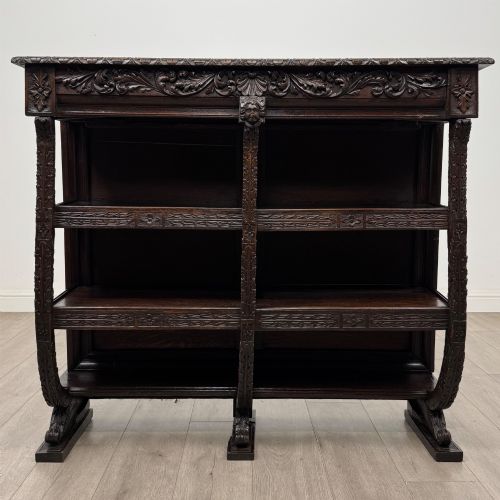
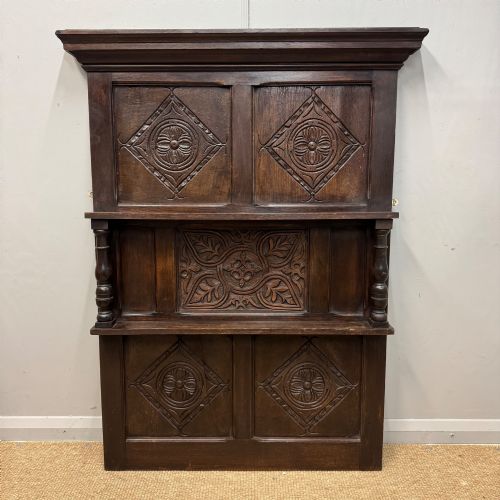
Craftsmen applied hand-carved detailing directly to the timber, incorporating motifs such as green men or Gothic tracery. Joinery techniques relied on pegged mortise and tenon joints to ensure the wall shelves and bookcases held firm under heavy loads.
Listings for this phrase frequently combine oak with brass fittings, glass doors, and ceramic elements across the nineteenth century.
Distinguishing quality in carved timber
Quality rests upon the depth and crispness of the hand-carving rather than a simple abundance of ornamentation. Superior examples display undercut foliage and sharply defined figures that retain their edge across the grain of the oak.
The integrity of the timber and the cleverness of the adjustable shelf mechanisms separate utilitarian pieces from finer library furnishings. Solid construction without excessive warping indicates a higher standard of original workshop production.
Liberty & Co·John Moyr Smith
The Carved Victorian Oak Shelf Glossary
- Oak
- A hard, durable timber with a pronounced grain pattern, used extensively for heavy furniture and shelving throughout the nineteenth century.
- Gothic Revival
- A nineteenth-century design style drawing on medieval architectural motifs, frequently featuring pointed arches, tracery, and heavy carved woodwork.
- Pollard Oak
- Timber taken from trees that have been pollarded, producing a distinctive, highly figured burr grain highly prized for decorative panels.
- Wall Bracket
- A projecting support fixed to a wall to carry a shelf, statue, or light fitting, often heavily carved with architectural details.
- Adjustable Shelves
- Shelving that can be moved to different heights using wooden ratchets, metal pins, or side tracks, common in better-quality bookcases.
Carved Victorian Oak Shelf: Frequently Asked Questions
How do I clean carved oak woodwork safely?
Dust carved oak regularly with a soft, dry brush to prevent dirt from settling deep into the chisel work and crevices. Avoid harsh chemical cleaners or silicone sprays that can build up a sticky residue on the antique timber surface.
Apply a traditional beeswax sparingly once or twice a year to nourish the grain and maintain the natural lustre. Buff the wax thoroughly with a clean cloth after application to protect the finish.
Were these shelves always used for books?
While many Victorian oak shelves formed part of open bookcases or libraries, others served strictly as decorative wall ledges for plates and ornaments. Delft plate racks and overdoor pediments with shelves were designed specifically to display ceramics and decorative objects rather than heavy volumes.
Domestic interiors of the period utilised these wall fixtures in hallways, parlours, and dining rooms to maximise display space. The variety in depth and length reflects these diverse domestic functions.
How do I distinguish Gothic Revival from Aesthetic Movement pieces?
Gothic Revival pieces lean heavily on medieval architectural elements, featuring pointed arches, deep linenfold panelling, and ominous green man carvings. The overall impression is dark, monumental, and structurally robust.
Aesthetic Movement shelves display lighter golden oak tones, cleaner architectural lines, and simpler Japanned or geometric influences. These pieces prioritize artistic arrangement and surface pattern over heavy historical revivalism.