


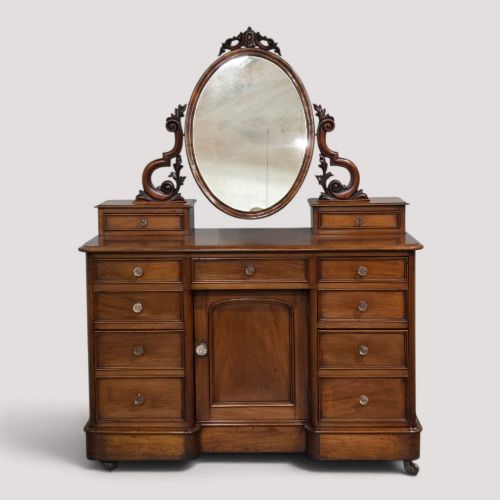
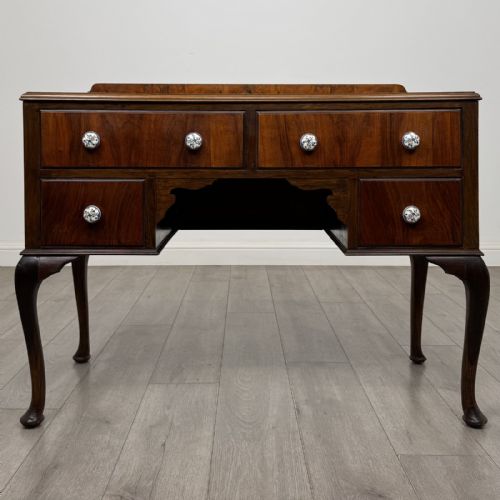
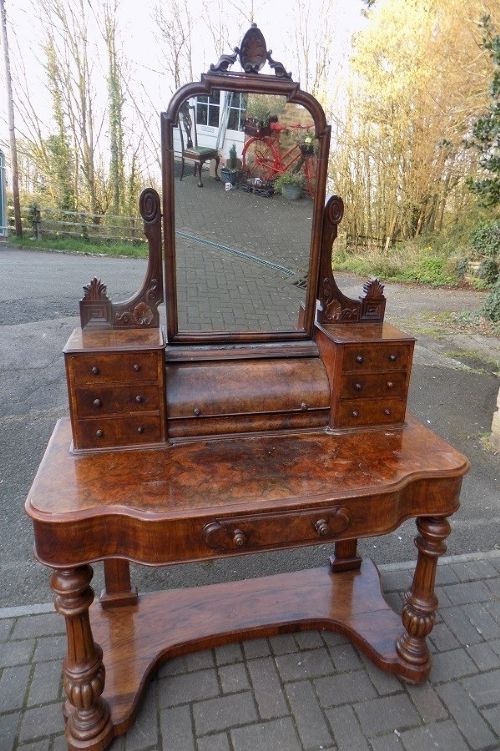
Carved Vanity Table
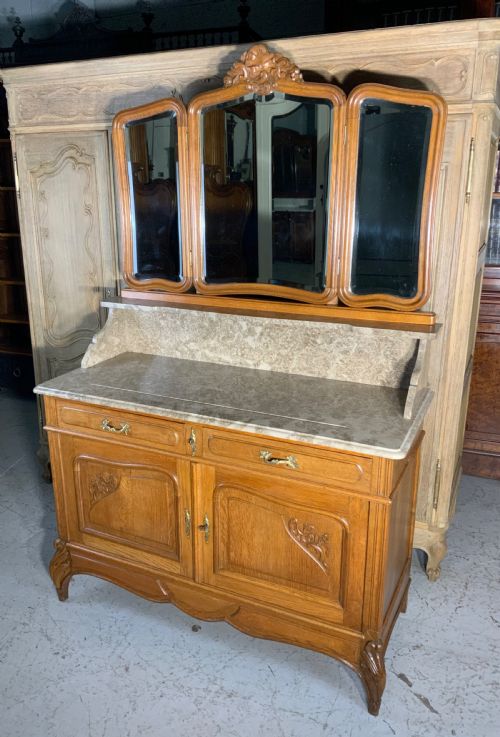
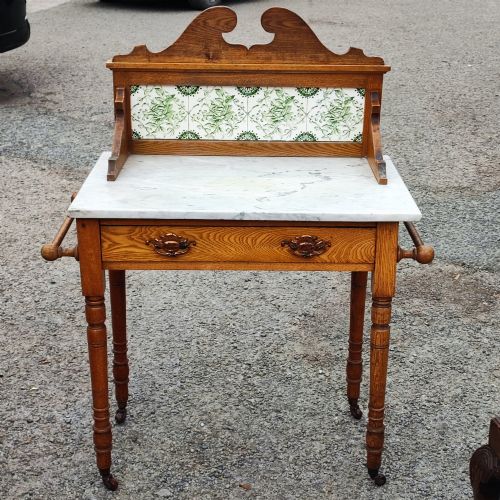
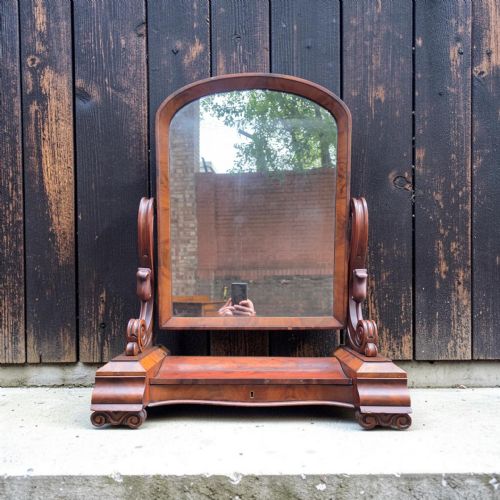
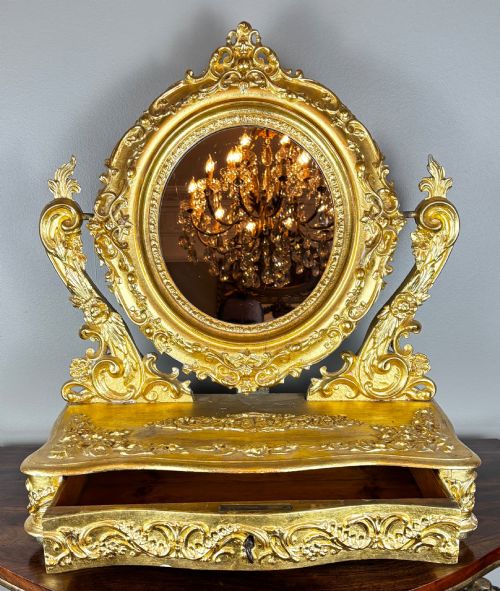
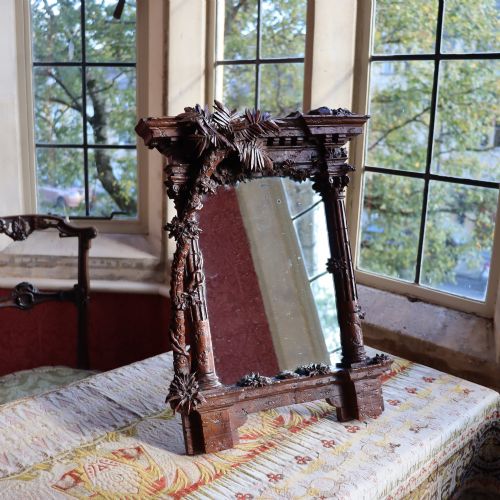
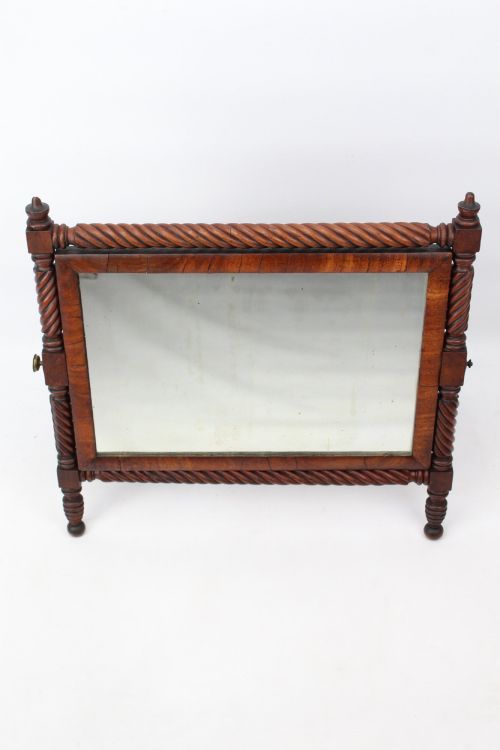
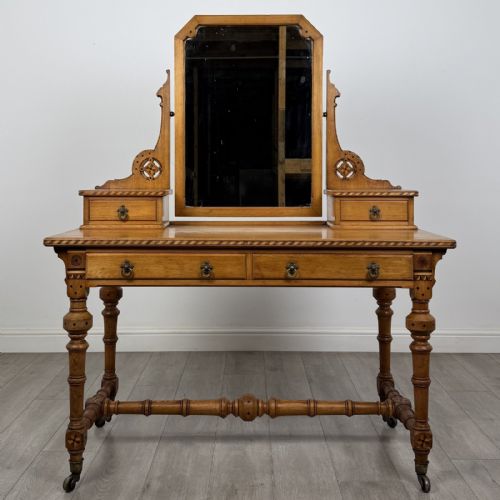
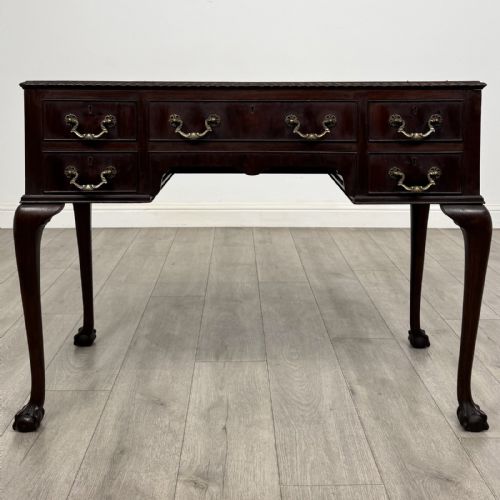
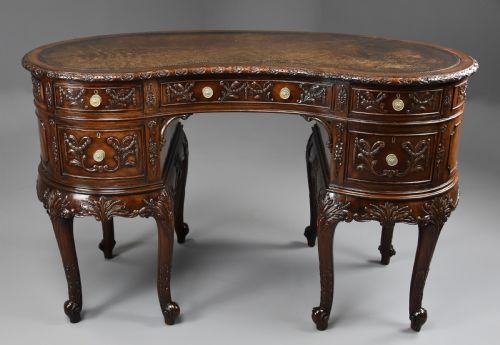
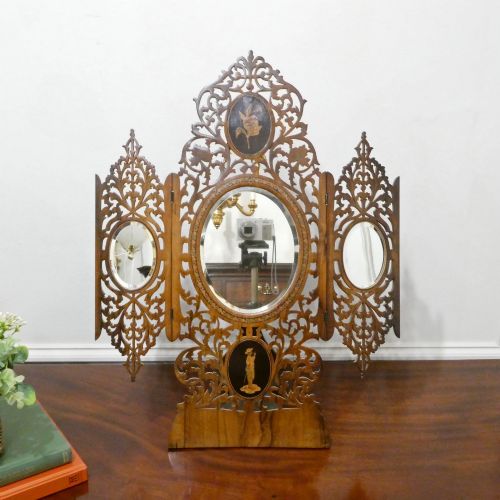
A carved vanity table brings walnut, mahogany and burr walnut timber into the bedroom, offering carved detail alongside matching mirrors and stools.
Carved Vanity Table
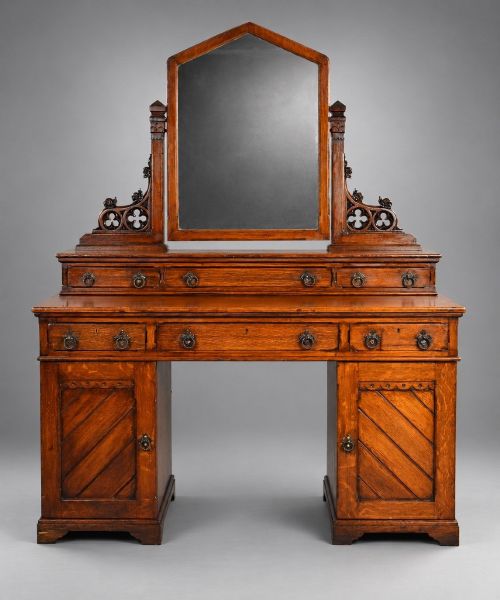
A carved vanity table sits within the broader category of dressing tables, writing tables and lowboys found across the Victorian, Edwardian and 1920 periods. Buyers searching for a carved vanity table will encounter dressing tables equipped with triple mirrors and paired stools, alongside smaller writing desks and dressing mirrors.
The materials span mahogany, walnut, burr walnut, oak and rosewood, reflecting styles from Queen Anne Revival and French Rococo Revival to Edwardian and Regency designs. Pieces frequently incorporate brass hardware, glass mirrors and fabric or textile upholstery on accompanying stools.
Origins include English workshops alongside French and Italian examples, incorporating specialised forms like cheval mirrors, washstands and shaving stands. The selection leans heavily toward Victorian and Edwardian examples featuring carved wooden frames.
How they were made
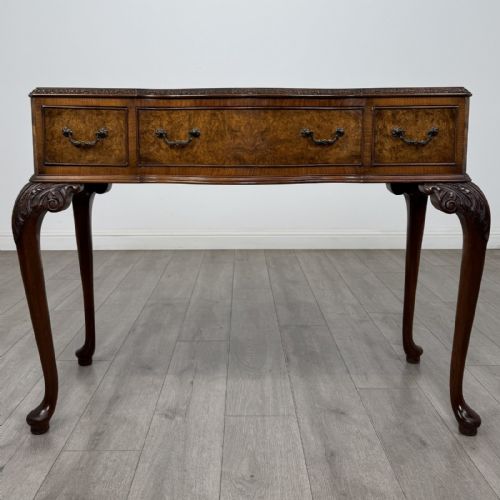
Construction relies on solid timbers and veneers of mahogany, walnut, burr walnut and oak, shaped into serpentine forms and supported by cabriole legs. Workshops utilised detailed hand carving on wooden frames, complemented by brass fittings and applied mother-of-pearl inlay.
Mirrors employ bevelled glass set within adjustable frames, while seating components feature textile and fabric upholstery over wooden structures. Painted finishes and gilt accents appear on French and Continental items from the nineteenth and early twentieth centuries.
Carved Vanity Table Retail Price Guide 2026
Typical asking prices for carved vanity table among the pieces listed under this phrase on Sellingantiques today, from the lower quarter to the upper quarter. They describe what is for sale here now, not the wider market.
Listings feature items spanning the Victorian, Edwardian, Regency and 1920 periods in mahogany, walnut and oak.
What varies in quality
The standard of a carved vanity table depends upon the selection of timber veneers, such as figured burr walnut or Cuban mahogany, and the depth of execution in the carved details. Superior examples maintain original hardware, matching mirrors and synchronous stools rather than assembled pairings.
Refinement shows in the handling of serpentine shapes, cabinet construction joints and the clarity of glass in dressing mirrors. The integration of auxiliary pieces like matching stools or adjustable shaving stands elevates the cohesion of the set.
Maples of London and Paris·Wylie and Lochhead Glasgow
The Carved Vanity Table Glossary
- Lowboy
- A small, low dressing or writing table typically featuring one or more rows of drawers beneath the top surface. They date largely from the eighteenth and nineteenth centuries in oak and walnut.
- Cheval mirror
- A full-length floor mirror hung on a vertical swiveling frame between two upright posts. These allow the viewer to adjust the tilt for a full-length reflection.
- Serpentine
- A furniture front or edge shaped with a central convex curve flanked by two concave curves. This contour requires skilled carpentry to execute across mahogany and burr walnut.
- Cabriole leg
- A furniture leg that bends outward in a convex curve and tapers inward to a concave curve ending in a foot. The form is characteristic of Queen Anne and related revival styles.
- Overmantel
- A large mirror or panel designed to be hung directly above a fireplace mantelpiece. They frequently share carved wooden or painted frames with contemporary console tables.
Carved Vanity Table: Frequently Asked Questions
What is a carved vanity table?
A carved vanity table is a dressing table featuring decorative wooden carving, often accompanied by a matching mirror and stool.
These pieces appear in mahogany, walnut and burr walnut across Victorian and Edwardian periods.
How were these tables used?
They served as dedicated stations for personal grooming, hair styling and applying cosmetics in bedrooms and dressing rooms.
Many incorporated drawers for storage and adjustable mirrors for detailed viewing.
How do I match a stool?
Look for matching wood timbers such as mahogany or walnut, alongside complementary upholstery fabrics and period carved details.
Many period tables were originally sold alongside dedicated stools or chairs.
How do I identify Edwardian pieces?
Edwardian items date from roughly 1901 to 1910, often utilising lighter mahogany or walnut timbers with refined inlay and carving.
They frequently display influences from earlier Queen Anne or Georgian revival styles.