



Carved Timber Overmantel Mirror
A carved timber overmantel mirror anchors a fireplace with architectural presence, combining substantial woodwork and reflective glass.
Carved Timber Overmantel Mirror
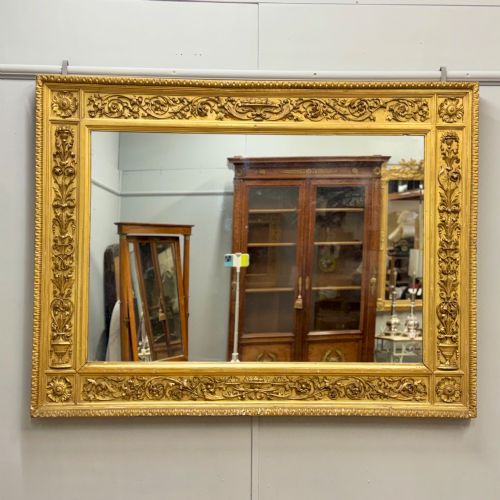
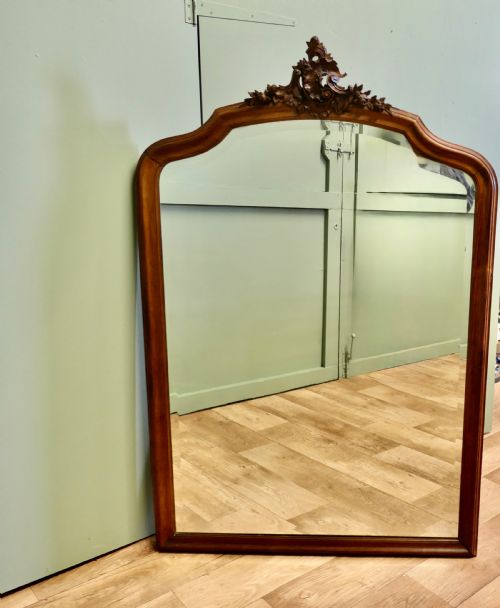
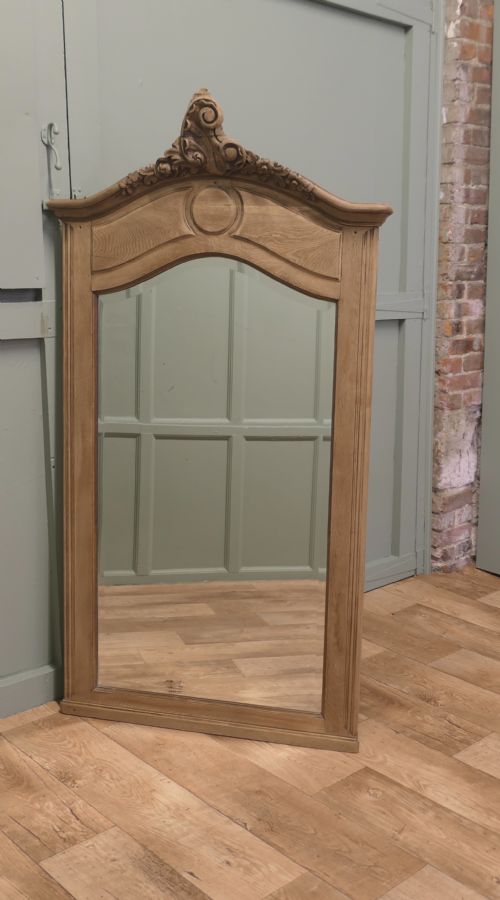
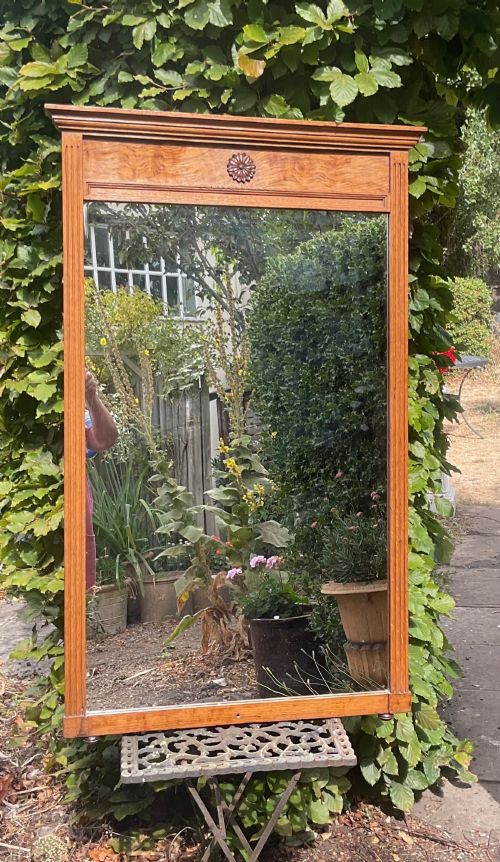
A carved timber overmantel mirror is designed to sit directly above a mantelpiece, reflecting light and filling the architectural void of a chimney breast. The pieces seen here span from the nineteenth century into the twentieth century, taking forms such as large wall mirrors, cushion frames, and shaped top designs.
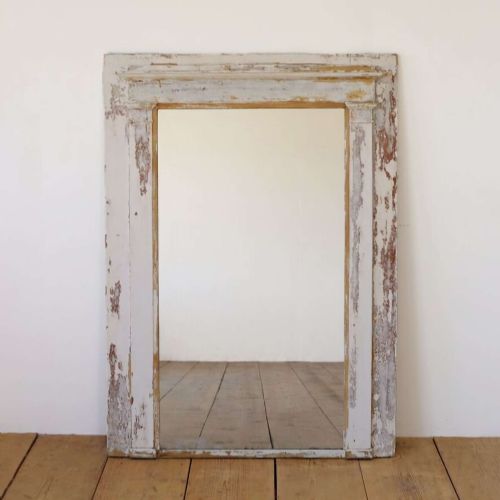
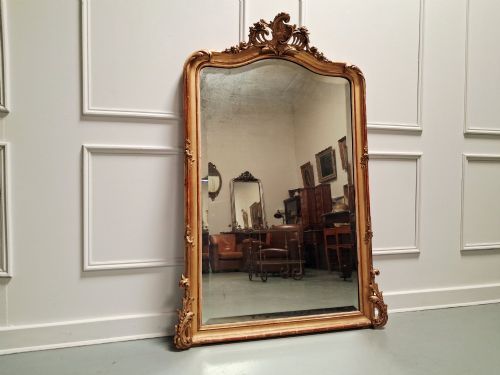
The material palette is dominated by oak, walnut, and painted wood, often enriched with gesso and giltwood details. French and English origins predominate, bringing stylistic influences from the Victorian era, French Rococo, Gothic revivals, and Art Deco.
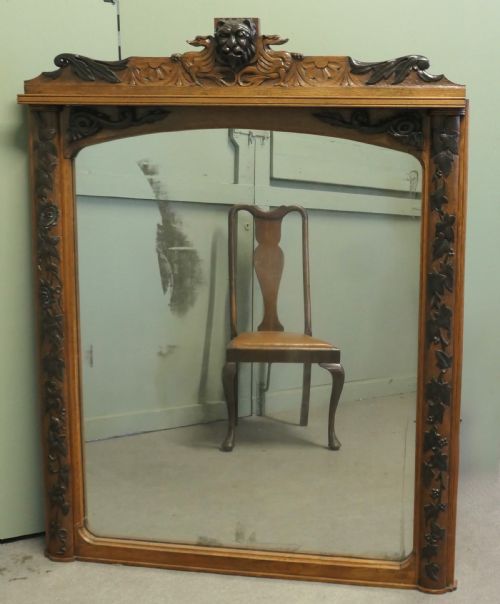
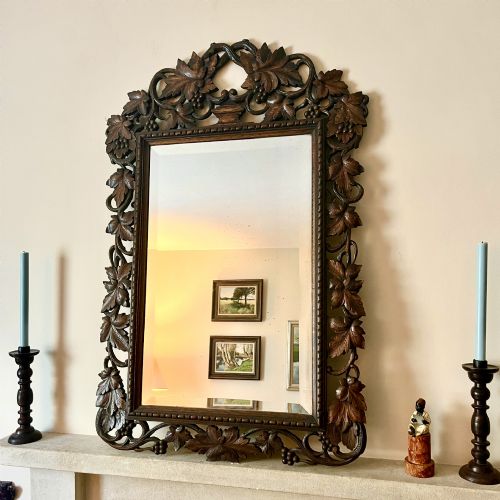
Buyers will encounter substantial formats intended for domestic hearths, alongside smaller iterations suited to simpler interiors. These objects combine utilitarian glass with heavy timber frames carved with classical motifs, scrolling foliage, or restrained geometric lines.
Materials and Construction
Makers utilised solid timbers such as oak, walnut, and padauk for the primary framework, carving motifs directly into the dense grain. Frames often received layers of gesso and paint or gold leaf to create gilded or decorated surfaces.
Mirror glass was set securely into heavy timber rebates behind carved mouldings, sometimes supported by secondary wooden backing boards. Joinery relied on traditional pegged or rebated joints to bear the considerable weight of the timber and glass.
Carved Timber Overmantel Mirror Retail Price Guide 2026
Typical asking prices for carved timber overmantel mirror among the pieces listed under this phrase on Sellingantiques today, from the lower quarter to the upper quarter. They describe what is for sale here now, not the wider market.
Listings feature woods including oak, walnut, and padauk, alongside gesso and giltwood finishes across Victorian and twentieth-century periods.
Assessing Quality and Execution
The depth and crispness of the carving separate ordinary mouldings from superior hand-chiselled ornamentation. Skilled execution shows in the clean relief of classical motifs, scrolling leaves, and architectural cornices.
The choice of primary timber influences the character of the piece, with dense figured oak and rich walnut providing greater structural integrity and visual weight than softer woods. Original surface treatments, whether scrubbed oak, old paint, or untouched gilding, preserve the integrity of the object.
The Carved Timber Overmantel Mirror Glossary
- Overmantel
- A mirror or painting specifically designed to be positioned on the wall directly above a fireplace mantelpiece. These pieces often span wider proportions to match the width of the hearth below.
- Gesso
- A plaster-like mixture applied to wood frames as a smooth base for subsequent gilding or painting. It allows intricate relief ornaments to be moulded onto the timber substrate.
- Giltwood
- Timber that has been coated with thin sheets of gold leaf over a prepared ground. This treatment adds reflective brilliance and luxury to the carved frame.
- Cushion Frame
- A mirror frame shaped with a rounded, convex profile that swells outward toward the outer edge. This style creates a strong sculptural presence on the wall.
- Rococo
- An ornate design style characterised by asymmetrical scrolls, C-curves, and naturalistic plant motifs. It appears frequently on nineteenth-century French mirrors.
Carved Timber Overmantel Mirror: Frequently Asked Questions
How do I hang a heavy overmantel mirror?
These heavy wooden frames require secure fixing directly into brick or studwork using robust wall anchors suited to the weight of the timber and glass.
Professional installation is recommended to ensure the frame is evenly supported and balanced above the fireplace.
Can these mirrors be placed on a mantelpiece instead of hanging?
Many examples are substantial enough to rest directly on the wooden shelf of a mantelpiece while being secured to the wall with safety brackets.
This placement replicates period domestic arrangements where mirrors sat unsecured or lightly anchored against the chimney breast.
How do I clean antique mirror glass?
Use a soft cloth and a gentle, ammonia-free cleaning solution applied lightly to the cloth rather than directly onto the glass.
Take care around the edges where silvering may have degraded over the decades to prevent moisture seeping behind the plate.
How do I distinguish a Victorian piece from a later one?
Victorian examples frequently display denser timber construction, heavier carving in oak or walnut, and traditional hand-beveled or older cast mirror plates.
Later pieces from the twentieth century often adopt cleaner geometric lines, lighter oak tones, or Art Deco styling.