






Carved Timber Mantel
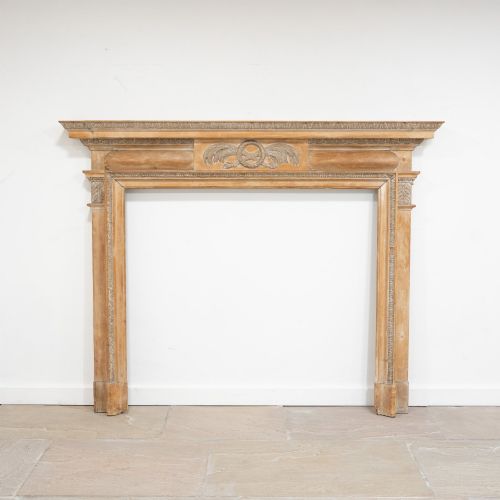
A carved timber mantel brings architectural presence and distinct period character to a room.
Carved Timber Mantel
The most prevalent forms on this page include fireplace surrounds and architectural elements featuring detailed woodwork. They serve both functional framing purposes and decorative interior statements, drawing on historical motifs from classical design to Black Forest carving traditions.
How they were made
Makers utilised solid timbers including pine, oak, elm and walnut, shaping them through traditional carpentry and joinery techniques. Surfaces often received hand carving, fretwork, or painted finishes to accentuate the grain and sculptural depth.
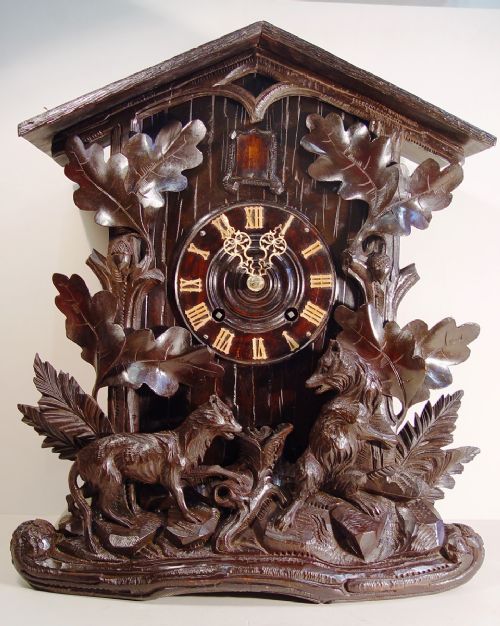
Detailing ranges from classical motifs to naturalistic Black Forest foliage and mythological animals. Structural integrity relies on pegged joints and solid timber construction suited to heavy domestic architectural use.
Carved Timber Mantel Retail Price Guide 2026
Typical asking prices for carved timber mantel among the pieces listed under this phrase on Sellingantiques today, from the lower quarter to the upper quarter. They describe what is for sale here now, not the wider market.
Listings feature timbers including pine, oak, walnut and elm across Victorian, Georgian and Arts and Crafts styles.
What varies in quality
Depth and precision of the hand carving dictate visual impact, with sharper chisel work distinguishing superior examples from simpler production. The choice and figure of the timber itself, whether figured walnut or dense oak, alters the weight and presence of the piece.
Proportion and architectural balance set finer surrounds apart, particularly where classical motifs or fretwork columns integrate seamlessly. Preservation of the original surface finish and honest patination carry substantial weight in evaluating these works.
The Carved Timber Mantel Glossary
- Architectural salvage
- Building elements rescued from older structures for reuse in interior design. These items preserve historical craftsmanship and materials no longer common in modern construction.
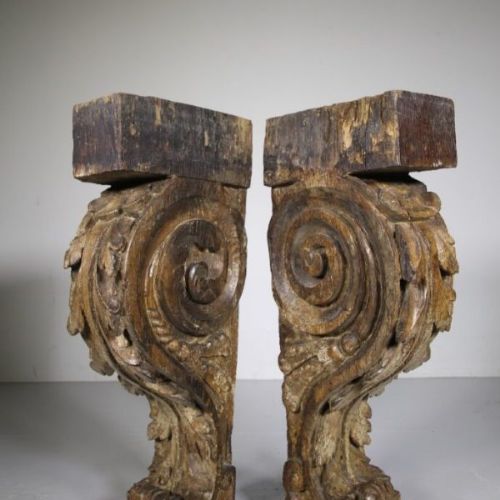
- Corbel
- A structural bracket projecting from a wall to support a weight above. In mantel design, they frequently serve as decorative weight-bearing supports beneath the shelf.
- Fretwork
- Ornamental design executed in wood by cutting with a fretsaw. This technique creates openwork patterns common on friezes and decorative surrounds.
- Overmantel
- A mirror or decorative panel designed to sit directly above a mantelpiece. They visually expand room dimensions and unify fireplace architecture with wall decor.
- Patina
- The surface sheen and colour developed through age, handling, and wax polishing. A natural patina indicates uncompromised historical depth.
Carved Timber Mantel: Frequently Asked Questions
How do I clean a carved timber mantel?
Dust gently with a soft, dry brush to prevent dirt accumulation in deep recesses. Avoid harsh chemical cleaners that strip the historic finish and dry out the timber.
Apply a microcrystalline wax sparingly if the wood appears dry, then buff gently with a soft cloth. This preserves the natural patina without building up excessive residue.
Are these mantels suitable for modern fireplaces?
Many survive from period properties and can be adapted by a professional builder to fit contemporary fireplace openings. Check internal dimensions carefully before planning an installation around a modern grate or stove.
Ensure adequate clearance from heat sources to prevent timber warping or cracking over time. Professional fitting guarantees secure anchoring to the wall structure.
How can I date a wooden mantelpiece?
Examine the tool marks left on the timber, as hand-chiselled surfaces differ significantly from later machine-sawn manufacturing methods. Hardware types, such as early screws or fixings, offer further chronological clues.
Stylistic indicators like Victorian proportions or Arts and Crafts motifs align the piece with specific design movements. Timber shrinkage and natural wear patterns also accumulate over decades of use.
What is Black Forest carving?
Black Forest carving refers to highly detailed woodwork originating from the Brienz region of Switzerland during the nineteenth century. These pieces frequently feature realistic animal subjects and natural foliage.
Linden wood was typically utilised for its fine grain, allowing carvers to achieve exceptional depth and texture. Such works are prized for their narrative and sculptural complexity.