



Carved Timber Horse
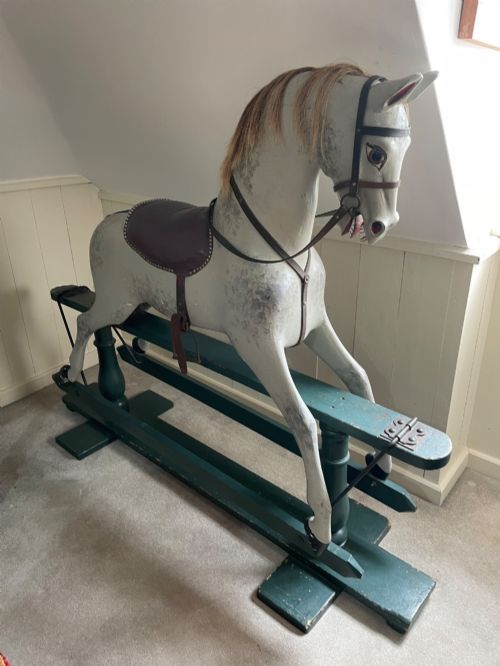
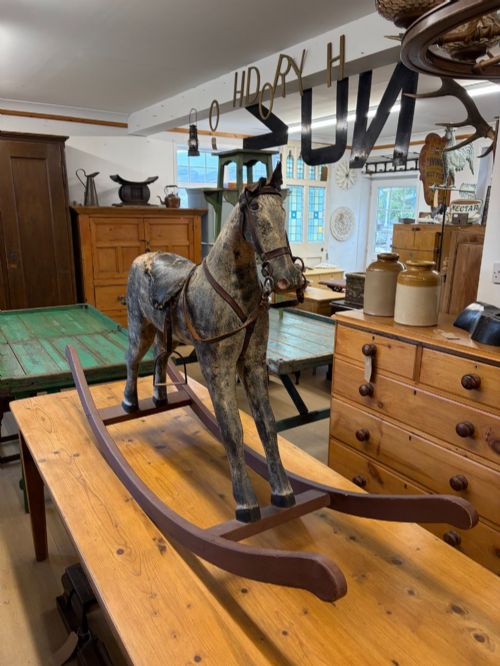
These carved timber horse pieces range from rustic rocking toys to detailed decorative sculptures shaped by hands across the centuries.
Carved Timber Horse
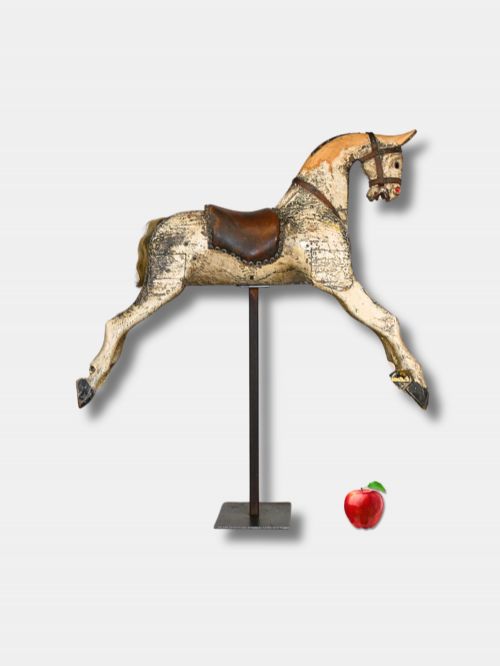
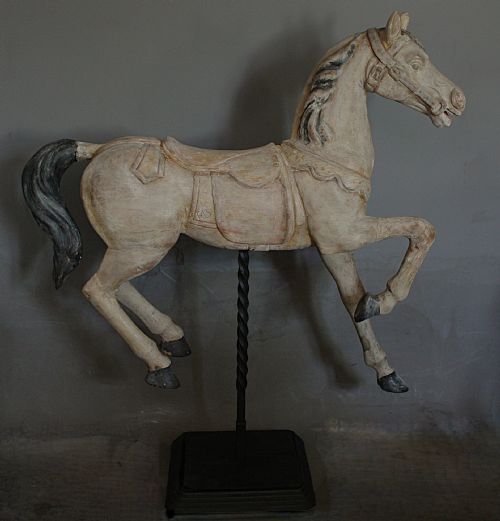
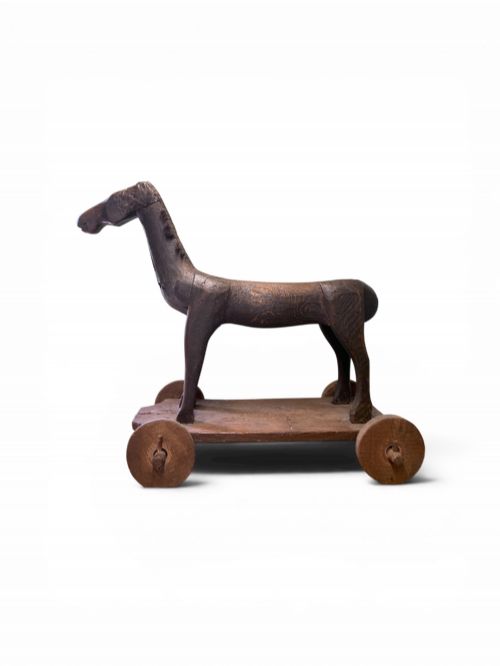
When you search for a carved timber horse, you encounter a diverse group of objects spanning domestic toys, carousel figures, and architectural elements. The selection centres heavily on nineteenth-century rocking horses and folk art sculptures, alongside utilitarian items featuring equine motifs.
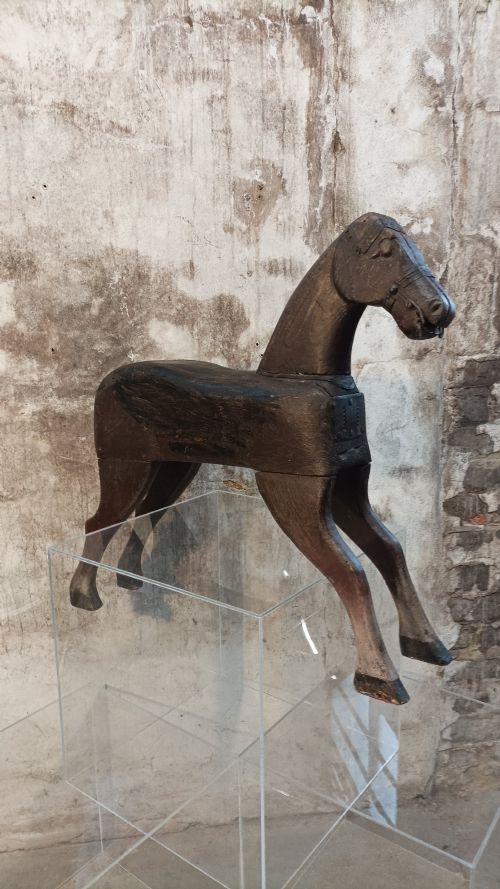
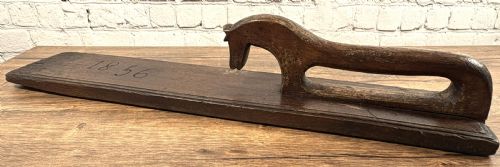
Forms vary widely from life-sized playground mounts to small decorative carvings and wall reliefs. Pieces originate from various traditions, including English makers, Scandinavian country workshops, and continental European folk art.
How they were made
These items are fashioned primarily from solid wood, oak, and other hardwoods, shaped entirely by hand with traditional carving tools. Iron reinforcement is sometimes integrated into stands or structural joints, while leather components appear on tack and harnesses.
Many surfaces retain original paint, showing layers of historical decoration that highlight the contours of the animal. Relief panels and architectural corbels utilise deep timber carving techniques to create three-dimensional scenes.
Carved Timber Horse Retail Price Guide 2026
Typical asking prices for carved timber horse among the pieces listed under this phrase on Sellingantiques today, from the lower quarter to the upper quarter. They describe what is for sale here now, not the wider market.
Listings feature items from the seventeenth century through to the 1930s, utilising wood, iron, paint, and leather.
What varies in quality
The distinction between ordinary and exceptional pieces lies in the anatomical accuracy and the expressiveness of the carving. Master carvers capture the muscular tension and spirit of draught horses or stallions rather than relying solely on rigid symmetry.
Preservation of original paint and untouched surface patination elevate a piece significantly. Items retaining their authentic stands, leather tack, or historical mounts demonstrate superior integrity.
G J Lines·Bayol
The Carved Timber Horse Glossary
- Folk art
- Objects created within a specific cultural tradition by self-taught or artisanal makers rather than academic studios. These pieces often prioritise expressive character over strict proportional accuracy.
- Animalier
- A nineteenth-century artistic style focusing on the realistic portrayal of animals. Sculptures in this vein emphasise natural anatomy and movement.
- Black Forest
- A style of wood carving originating from the German and Swiss border regions, known for deeply textured flora and fauna. Pieces often depict woodland animals and hunting scenes.
- Mangle board
- A traditional Scandinavian wooden domestic laundry tool featuring a flat board and a handle shaped like an animal head. The handle typically depicts a carved horse.
- Corbel
- A structural piece of stone or timber projecting from a wall to support a weight. Wooden examples often feature elaborate figural carvings.
- Carousel horse
- A large decorative wooden figure designed for fairground rides. These objects frequently display dynamic poses and layered decorative paint.
Carved Timber Horse: Frequently Asked Questions
How do I date an antique rocking horse?
Dating relies on construction methods, nail types, and the style of the wooden body. Earlier examples often feature pegged joinery and hand-forged ironwork rather than modern screws.
The presence of original paint layers and early leather tack also helps narrow down the manufacturing decade.
Are carousel horses and rocking horses different?
Carousel horses were carved specifically for fairground rides, featuring dynamic galloping poses and often one decorative side designed for public display. Rocking horses were built for domestic play, mounted on swings or safety stands.
Both utilise solid wood construction, but their original functions dictated their weight and mounting hardware.
How should I care for a painted wooden horse?
Keep the object away from direct sunlight and steady temperature fluctuations to prevent the timber from splitting. Dust gently with a dry, soft cloth and avoid chemical cleaning products that might lift historical paint.
Maintaining stable indoor humidity preserves both the wood and any remaining leather elements.