



Carved Stone Light
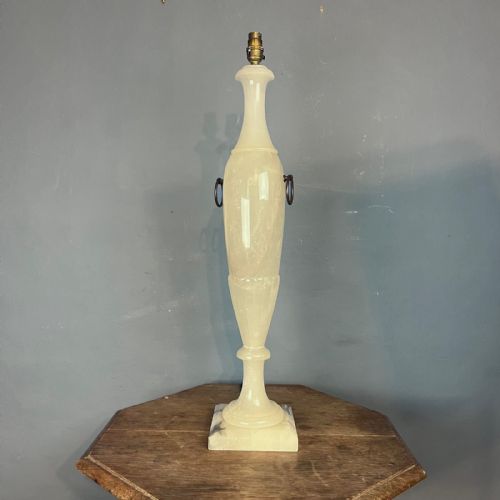
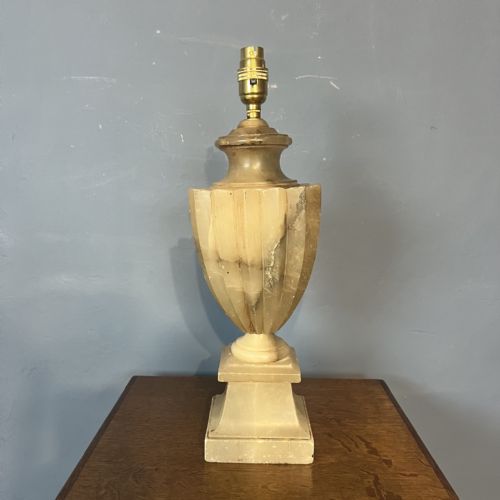
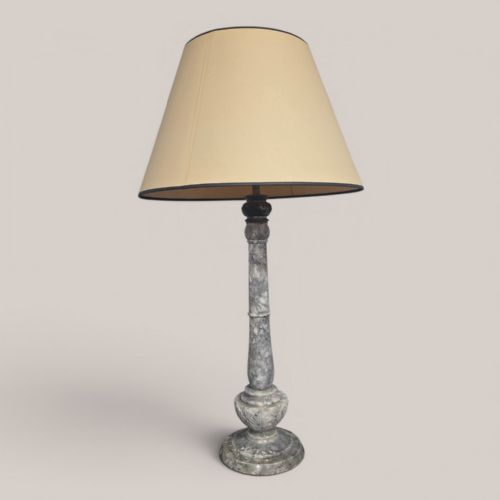
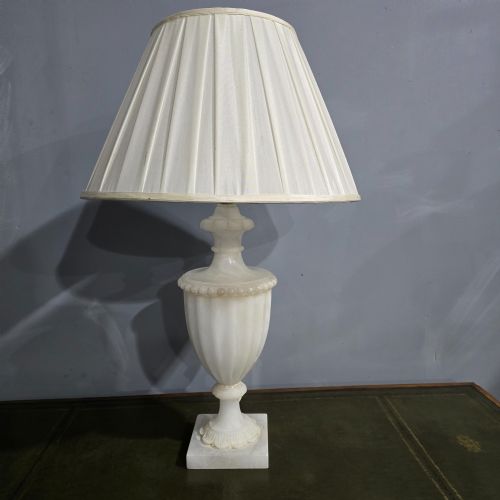
A carved stone light brings genuine tactile weight and warm mineral translucency to a room, drawing the eye with natural veining and classic form.
Carved Stone Light
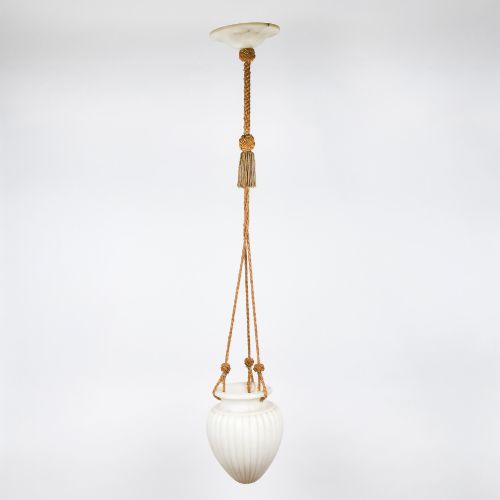
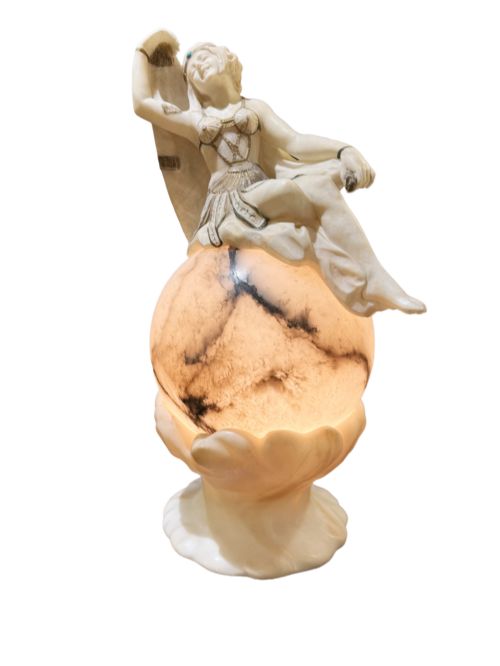
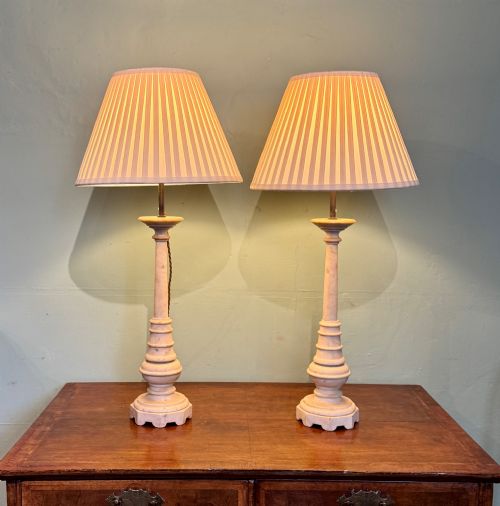
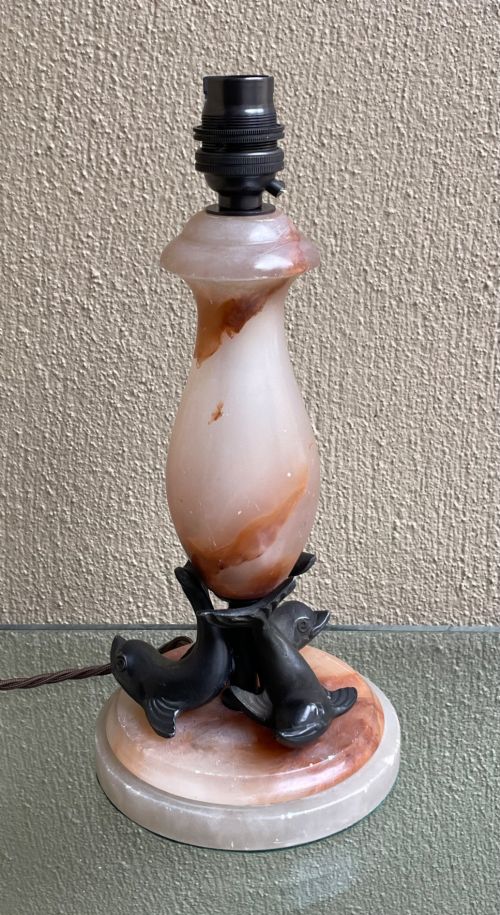
When you search for a carved stone light, you enter a field defined by substantial mineral forms shaped across the nineteenth and early twentieth centuries. The selection centres heavily upon table lamps and pendant lights fashioned from pale natural minerals.
You are most likely to meet alabaster and marble pieces originating from the early decades of the twentieth century, particularly the nineteen-twenties. These range from heavy floor-standing columns to hanging ceiling dishes and compact chambersticks.
The aesthetic vocabulary stretches from Victorian and Edwardian traditionalism through to sharp Art Deco geometries and French neoclassical revivals. Grand tour souvenirs and Italian workshops also contribute significantly to the variety encountered here.
How they were made
The primary materials recorded are alabaster, white marble, and onyx, selected for their ability to diffuse illumination gently through solid stone. Metal components, brass fittings, and fabric or braided cords frequently complete the electrical or structural assembly.
Craftsmen shaped these dense mineral blocks by hand and lathe, hollowing out heavy sections to conceal light sources and reveal the natural grain. Artisans balanced the sheer weight of the stone with precise turning, fluting, and figural carving.
Carved Stone Light Retail Price Guide 2026
Typical asking prices for carved stone light among the pieces listed under this phrase on Sellingantiques today, from the lower quarter to the upper quarter. They describe what is for sale here now, not the wider market.
Listings span the nineteenth century through the nineteen-thirties, with alabaster and marble dominating the material record.
What varies in quality
Quality reveals itself in the purity of the mineral block and the depth of the carving rather than surface decoration alone. Superior examples display subtle, unbroken natural veining and careful wall-thinning that allows an even glow.
The ambition of the form separates standard production from exceptional pieces, particularly where figural elements, dolphin motifs, or complex cassolette urns are involved. Proportion and the crispness of classical revival detailing anchor the visual success of the object.
The Carved Stone Light Glossary
- Alabaster
- A fine-grained, translucent stone that transmits light softly, commonly utilised for pendant dishes and table lamps. It requires gentle care to protect its soluble surface.
- Cassolette
- A decorative vessel shaped like a lidded urn, often adapted into a table lamp format during the nineteenth century. These derive from French neoclassical designs.
- Chamberstick
- A small portable candlestick featuring a pan and handle, occasionally translated into solid marble for desk or bedside use. They reflect domestic lighting habits of earlier eras.
- Grand Tour
- A cultural journey undertaken by wealthy Europeans, resulting in the acquisition of carved marble and alabaster souvenirs. These items often emulate classical antiquity.
- Onyx
- A banded variety of chalcedony or calcite prized for its layered translucency and rich natural patterns. It creates a distinctive warm amber tone when illuminated.
Carved Stone Light: Frequently Asked Questions
How do I clean a stone lamp?
Dust the surface regularly with a dry, soft cloth to prevent particulate accumulation in the carved crevices.
Avoid using water, chemical sprays, or abrasive cleaners, as moisture can permanently damage porous alabaster and marble.
Are these lamps heavy to place?
Many of these pieces possess considerable mass due to their solid mineral construction and require sturdy furniture support.
Position larger floor lamps and table bases where accidental tipping is physically prevented by their substantial weight.
How do I date a stone light?
Examine the electrical cord type, wiring fittings, and mechanical assembly alongside the stylistic markers of the period.
Nineteenth-century pieces often retain oil or candle configurations, while nineteen-twenties items show early electric wiring channels.