

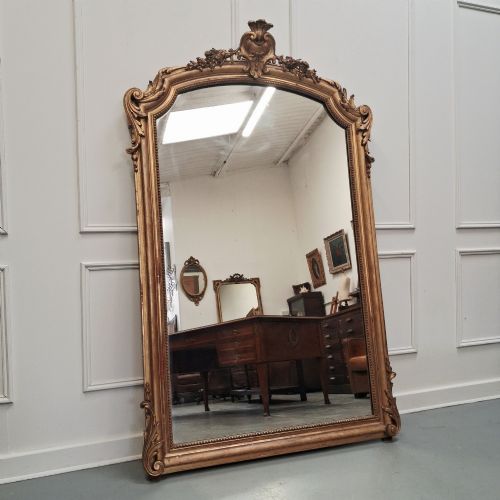
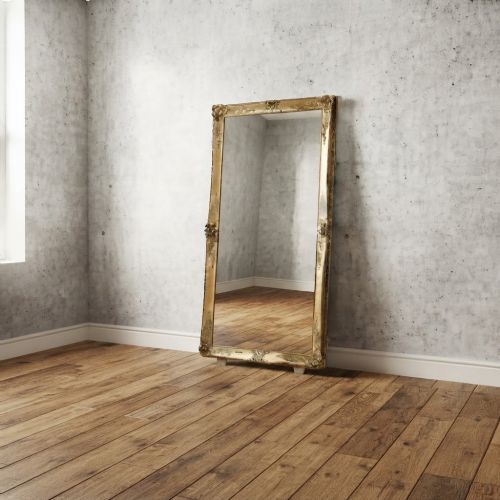
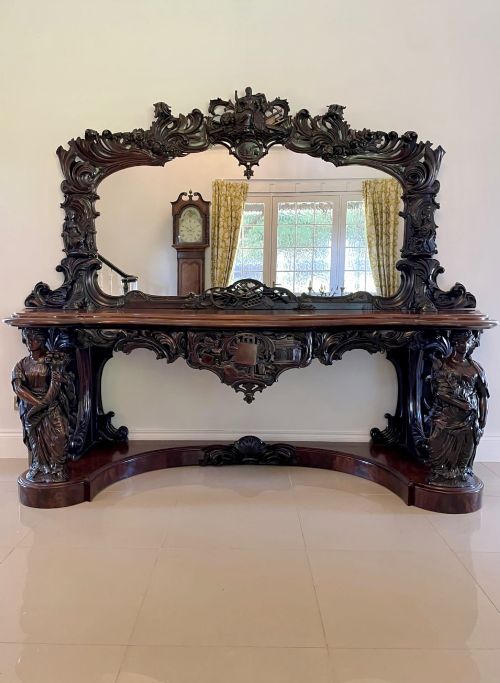
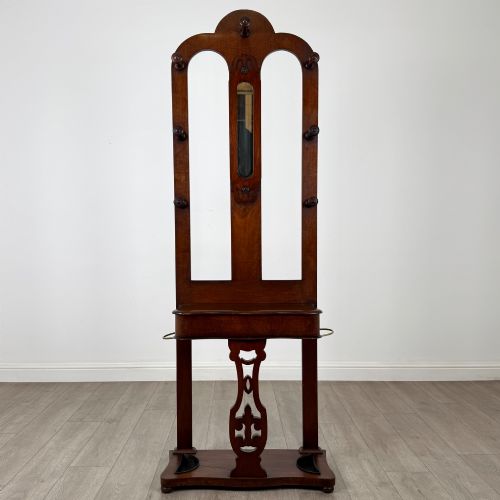
Carved Standing Mirror
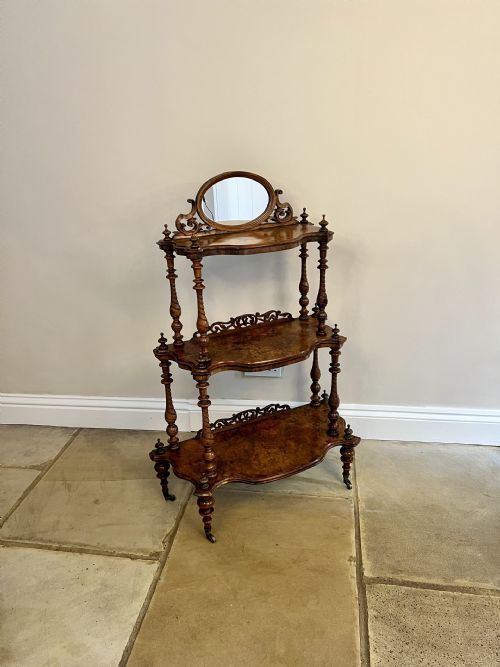
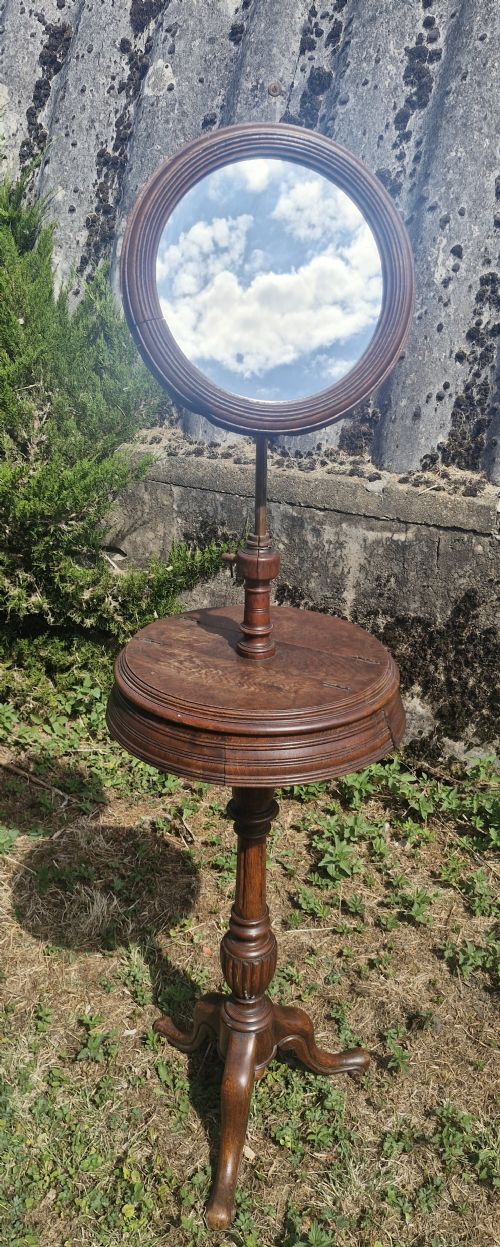
These pieces of carved standing mirror bring heavy timber frames and pivoting glass plates into domestic hallways and dressing rooms.
Carved Standing Mirror
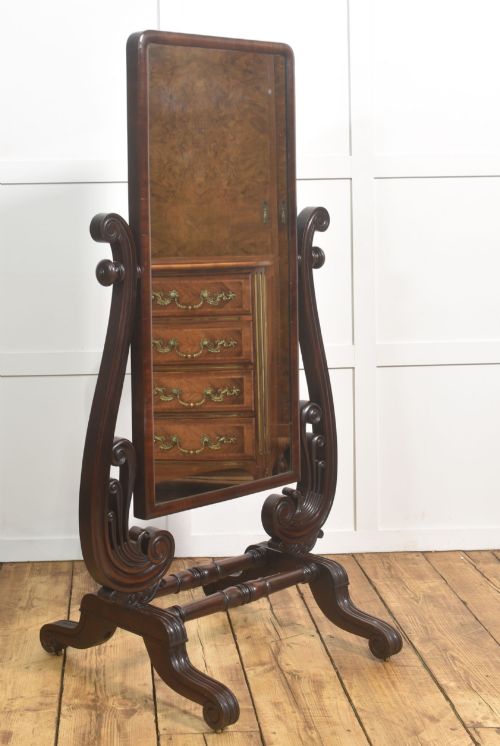
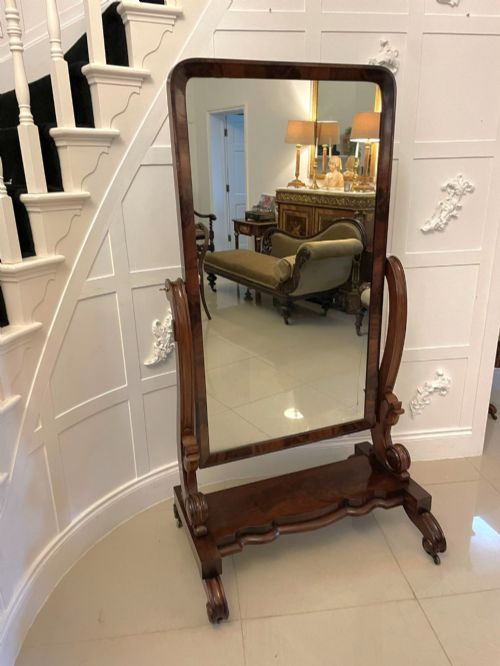
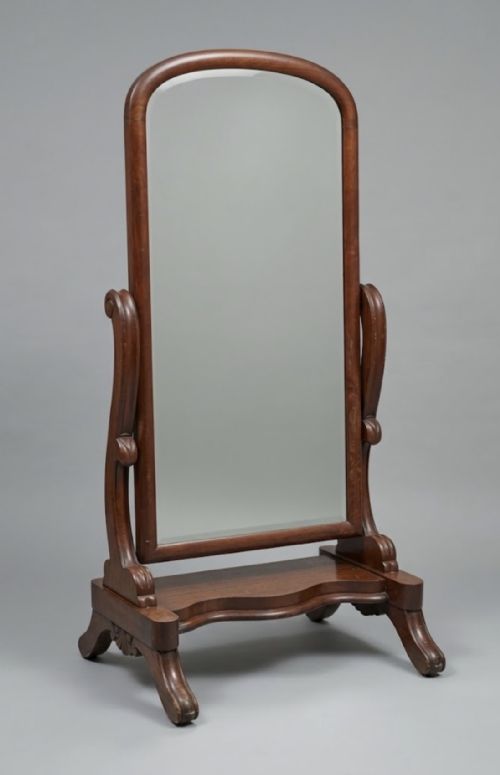
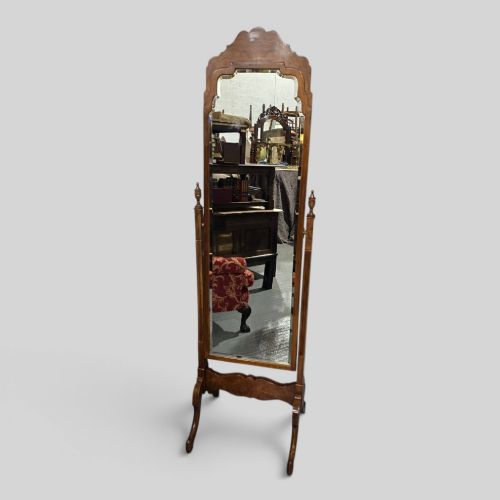
When you search for a carved standing mirror, you meet pivoting floor frames designed to tilt and show the full figure. These take the form of cheval mirrors mounted on swinging wooden frames with steady floor bases.
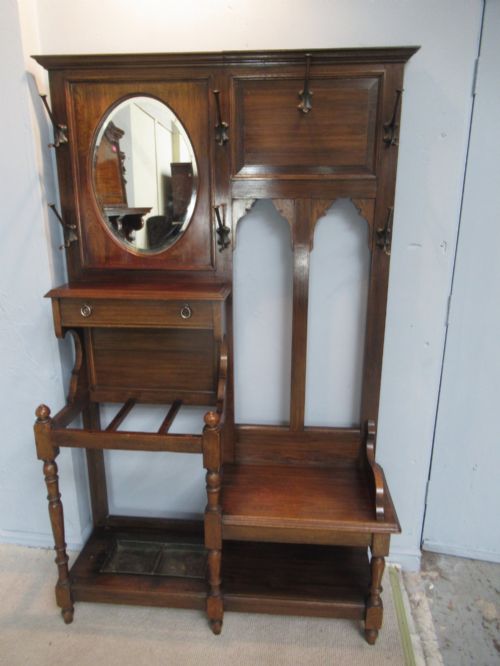
The evidence shows these standing forms appearing primarily in mahogany and walnut timbers, shaped during the nineteenth century and the Edwardian era. You also encounter large floor-standing mirrors tied to hall stands and console tables.
Makers constructed these substantial pieces to stand independently in bedrooms and entrance spaces without wall fixings. The pivoting glass plate allows the user to angle the reflection from top to toe.
Materials and Construction
Cabinet makers built the structural frames of a carved standing mirror using dense hardwoods like mahogany, walnut, and oak. These timbers provided the necessary strength to support heavy pivoting glass plates and elaborate carved crests.
Decoration relied on hand carving directly into the solid timber or applying moulded gesso finished with fine gilding. Brass fittings and pivot pins secured the swinging mirror frame safely between upright vertical posts.
Assessing Quality in Standing Mirrors
The distinction between ordinary and exceptional examples rests in the depth and crispness of the hand carving on the frame and crest. Superior pieces display intricate detailing executed with precision rather than shallow, mechanical shaping.
Construction methods also separate the tiers, with high-quality standing mirrors utilising solid timbers and robust tenon joints to prevent frame distortion. The clarity of the original glass plate and the heft of the brass pivot hardware further distinguish finer workshops.
Shoolbred and Co·Edwards and Roberts
The Carved Standing Mirror Glossary
- Cheval mirror
- A large floor-standing mirror suspended on a vertical frame with pivot pins that allow it to swing. This design originated in the eighteenth century and remained popular through the Victorian and Edwardian periods.
- Gesso
- A plaster-like material applied to wooden frames as a smooth base for gilding or painting. Artisans carved intricate decorative motifs directly into this surface before applying gold leaf.
- Mahogany
- A durable, reddish-brown tropical hardwood favored by cabinet makers for its stability and fine grain. It forms the structural body of many nineteenth-century standing mirrors.
- Walnut
- A rich, figured timber used extensively for high-end Victorian and Edwardian furniture frames. Burr walnut variations display distinctive swirling grain patterns.
- Pivot
- The metal pin or screw set into the side posts of a standing mirror frame. It holds the glass plate securely while permitting the user to tilt the angle.
Carved Standing Mirror: Frequently Asked Questions
How do I use a cheval mirror?
A cheval mirror stands independently on the floor, held by a pair of upright wooden posts. You tilt the glass plate gently on its central metal pivots to adjust the viewing angle from top to toe.
Position the frame against a sturdy wall or corner where the pivoting glass has sufficient clearance to swing freely. Ensure the floor is level so the supporting legs rest firmly without rocking.
What woods were used for standing mirrors?
Cabinet makers built these frames using dense hardwoods such as mahogany, walnut, and oak. These heavy timbers provided the necessary weight at the base to keep the tall pivoting structure stable.
Some pieces feature applied gesso decorations or intricate gilding over the timber base. The choice of wood generally reflects the prevailing style of the nineteenth or early twentieth century.
Where should I place a standing mirror?
These tall frames suit bedrooms, dressing rooms, and wide entrance hallways where a full-length reflection is practical. Placing the glass opposite a window helps bounce natural daylight back into the room.
Allow enough clear floor space around the base so you can adjust the angle of the pivoting mirror safely. Avoid damp spaces or direct heat sources that might dry out the old timber frame.
How do I date a Victorian mirror?
Dating relies on examining the timber species, the style of the hand carving, and the construction methods used on the frame. Victorian pieces frequently employ solid mahogany or burr walnut with robust structural joints.
Look for signs of age in the backing boards and the fixings around the glass plate. Comparing the decorative motifs against documented periods like the Aesthetic Movement or French Rococo helps narrow the decade.