
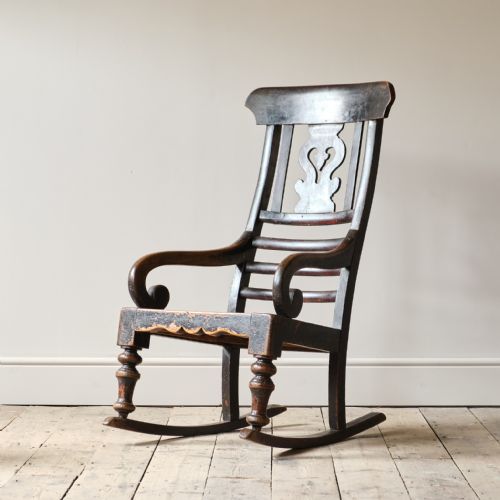

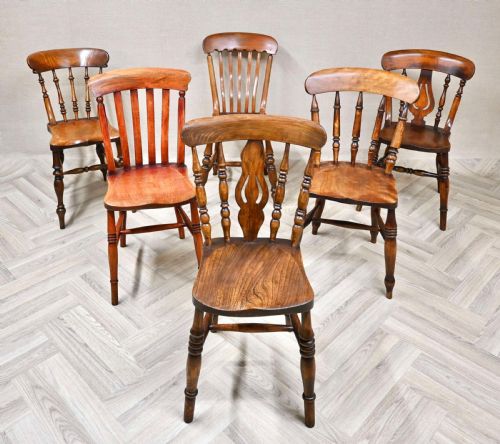


Carved Splat Oak Chairs
Carved splat oak chairs bring robust British tradition into a room, offering sturdy frames and sculpted backrests built to last generations.
Carved Splat Oak Chairs
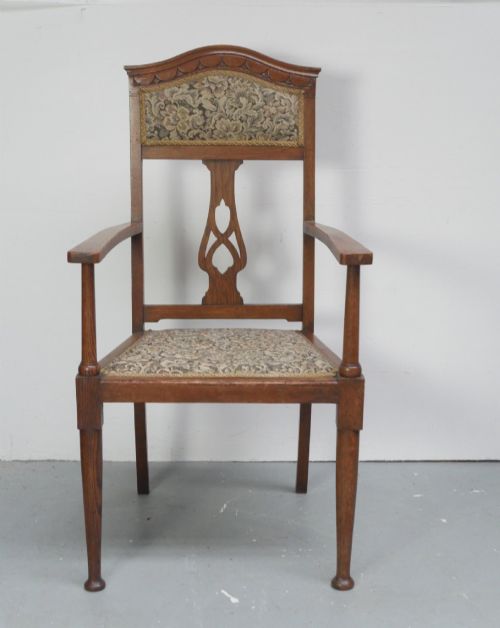
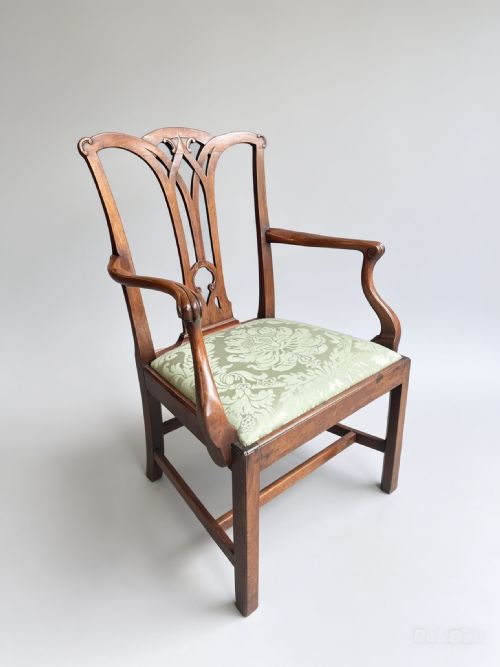
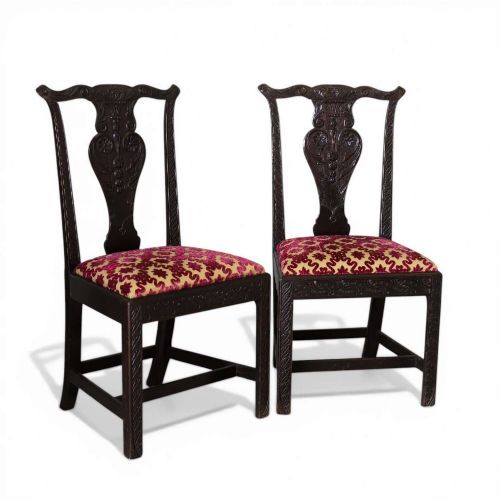
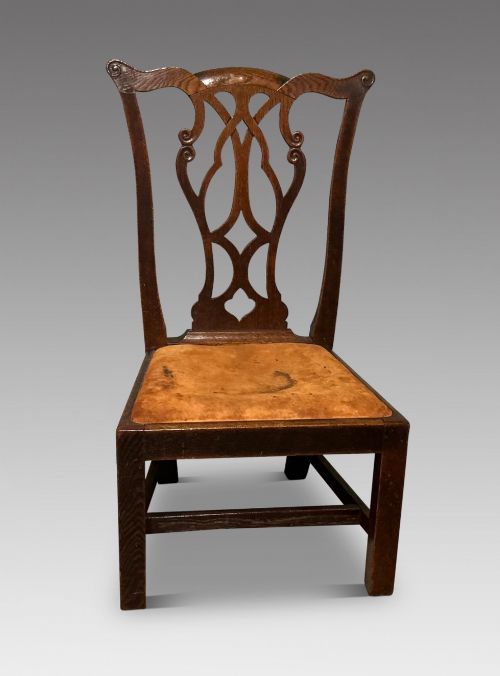
When you search for carved splat oak chairs, you encounter seating built primarily from solid oak, featuring a central vertical back splat adorned with carving. The examples found here span centuries of design, covering formal Georgian and Chippendale styles alongside robust country farmhouse seating.
The selection ranges from single side chairs and dining sets to grand armchairs, corner chairs, and rocking chairs. You are as likely to meet a rustic Windsor or high-back country chair as you are a refined revival piece from the nineteenth or twentieth century.
Origins stretch across English regional workshops, Scottish makers, and continental European folk traditions, demonstrating how local vernacular woodworking adapted the central splat motif.
What varies in quality
The distinction between tiers rests on the crispness of the hand-carving and the selection of the oak timber, where dense grain and thoughtful quarter-sawing create superior durability. Finer pieces demonstrate precise joinery that holds firm without excessive metal reinforcement.
Proportion and comfort also set examples apart, as master makers balanced the decorative ambition of the carved splat with ergonomic support in the seat and backrest.
An apprentice piece sits quietly among the dining sets, built small to prove a young woodworker's mastery before joining the guild.
Waring
The Carved Splat Oak Chairs Glossary
- Splat
- The vertical wooden strip set in the middle of a chair back. It provides structural support while offering a canvas for carving and silhouette shaping.
- Corner chair
- A seating form designed to fit into room corners, featuring a diagonal orientation with a semicircular armrest supported by turned columns.
- Windsor chair
- A chair built with a solid wooden seat into which the legs and back spindles are wedged directly. Regional variations include wheel backs and spindle backs.
- Stile
- The upright vertical post forming the outer edge of a chair back. It connects the crest rail to the seat frame.
- Crewel work
- Embroidery executed in two-ply wool yarn on a plain-weave fabric ground. It appears on traditional chair seat covers and pads.
Carved Splat Oak Chairs: Frequently Asked Questions
How do I date an oak chair?
Dating relies on examining construction marks, tool traces, and timber wear alongside the prevailing style of the splat and legs. Eighteenth-century pieces often display hand-sawn surfaces and pegged joinery distinct from later industrial production.
Changes in proportion and the evolution of revival styles help narrow down nineteenth and twentieth-century examples.
Are these chairs suitable for daily dining?
Solid oak construction makes these chairs exceptionally durable for everyday use around a dining table. Their sturdy frames handle regular seating well when the underlying joinery remains secure.
Upholstered or rush seats may require periodic maintenance depending on the level of daily wear they experience.
How should I care for antique oak furniture?
Maintain oak furniture by keeping it away from direct heat sources and dramatic humidity fluctuations that can split the wood. Regular dusting with a dry cloth preserves the finish without building up greasy residues.
Occasional application of traditional beeswax feeds the timber and protects the historic surface.