

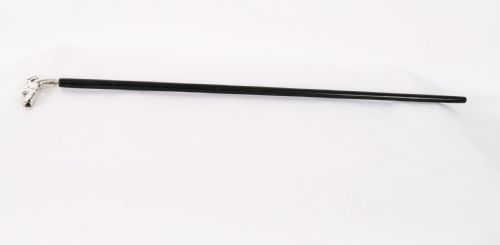


Carved Silver Dress Cane
These carved silver dress cane examples combine functional support with sculptural handles, offering collectors striking miniature carvings in precious metal and fine wood.
Carved Silver Dress Cane
When you search for a carved silver dress cane, you encounter sophisticated walking sticks featuring detailed metal handles mounted on shafts of wood, bamboo, or horn. These accessories served as fashionable statements for polite society during the nineteenth and early twentieth centuries rather than mere medical supports.
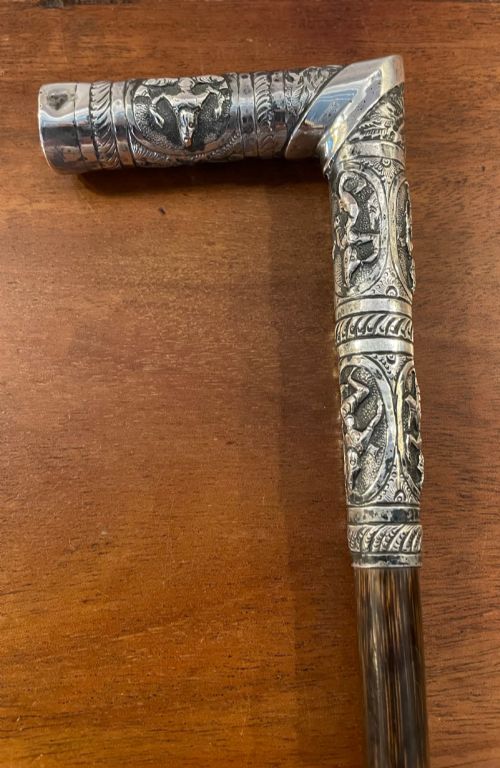
You meet various distinct forms on this page, ranging from plain embossed metal tops to elaborate figural representations. Examples span from the 1800s through the Edwardian period, incorporating Victorian taste, Art Deco influences, and Asian export styles.
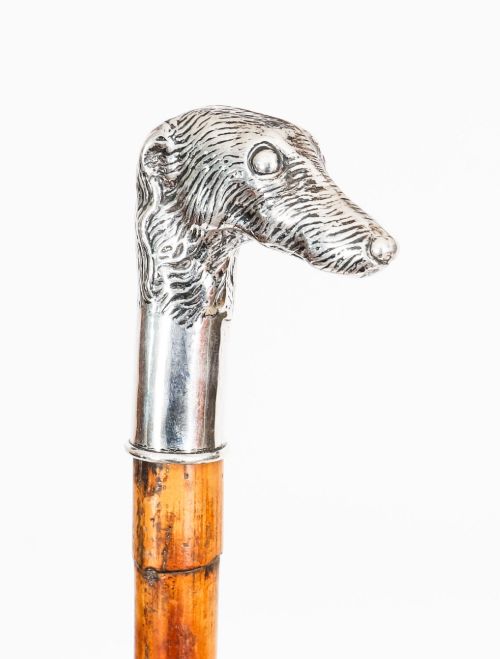
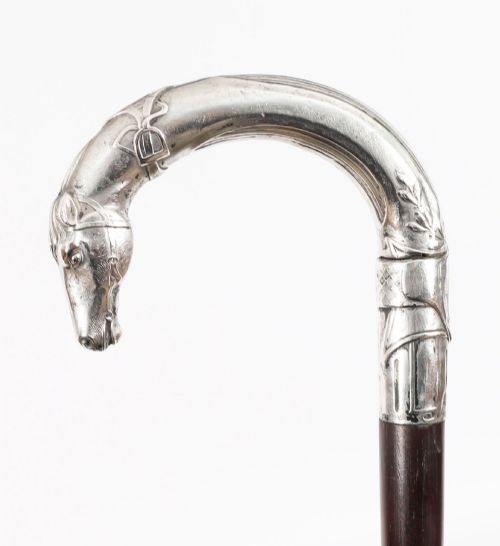
Handles frequently take animal forms such as horses, greyhounds, boars, pheasants, hares, and parrots. Alongside these zoological subjects, military interests, golf club shapes, and concealed sword mechanisms appear within the selection.
How they were made
Maker's workshops combined metalworking with woodworking, casting and embossing silver tops before securing them to tapered shafts. Silver handles were shaped into intricate animal heads or patterned surfaces through traditional casting and hand-chasing methods.
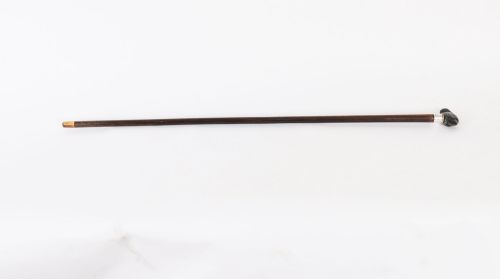
Shafts utilise materials like ebonised wood, bamboo, hardwood, and horn, often fitted with metal ferrules at the base for durability. Glass elements occasionally appear, while sword sticks incorporate concealed blades housed within the wooden body.
Carved Silver Dress Cane Retail Price Guide 2026
Typical asking prices for carved silver dress cane among the pieces listed under this phrase on Sellingantiques today, from the lower quarter to the upper quarter. They describe what is for sale here now, not the wider market.
Several walking sticks double as sporting statements, carrying carved silver handles shaped precisely as golf clubs.
What varies in quality
The choice and preparation of the shaft material also set pieces apart. Straight, well-finished hardwoods and properly straightened bamboo or horn reflect greater care in original construction than simpler alternatives.
Henry Borlase Stevens
The Carved Silver Dress Cane Glossary
- Dress cane
- A lightweight walking stick intended for formal wear and social occasions rather than heavy support. These accessories often featured decorative metal handles.
- Ferrule
- The metal cap fitted to the bottom of a walking stick shaft to protect the wood or horn from wear during use. It prevents splitting when striking the ground.
- Ebonised wood
- Timber treated with a dark stain or finish to imitate ebony. This technique provided a uniform black surface for walking stick shafts.
- Sword stick
- A walking stick with a concealed blade hidden inside the shaft. These dual-purpose items served as personal protection during the nineteenth century.
Carved Silver Dress Cane: Frequently Asked Questions
What is a carved silver dress cane?
A carved silver dress cane is a fashionable walking accessory featuring a decorative metal handle mounted on a wooden or natural shaft. They were carried by men and women during the nineteenth and early twentieth centuries to complete formal attire.
Handles often depict animals, birds, or specific objects, showcasing miniature sculptural art. The shafts are typically made from hardwood, bamboo, or horn, sometimes concealing functional blades within.
How were these canes used historically?
These items functioned primarily as fashion accessories and status symbols for polite society. Owners carried them during strolls, formal visits, and public outings to display personal taste and refinement.
While some sturdy examples offered physical support, dress canes were lighter and more ornamental than utility walking sticks. Certain variations also served covert defensive purposes through hidden sword mechanisms.
How do I date a silver cane?
Dating relies on stylistic clues, manufacturing techniques, and any accompanying hallmarks on the silver handle. Victorian, Edwardian, and Art Deco designs each exhibit distinct aesthetic characteristics in their carving and metalwork.
Materials and subject matter also offer chronological context, such as the geometric lines typical of Art Deco pieces from the late 1920s. Examining the joinery and shaft construction helps confirm the period.
How should I display a walking cane?
Walking canes store best in upright wall racks, floor stands, or specialised display cabinets that secure the shafts safely. Keeping them away from direct sunlight and excessive humidity preserves the condition of both the silver and the wood.
Displaying them vertically prevents warping in the wooden or horn shafts over time. Regular gentle dusting maintains the finish of the metal handles without abrasive cleaning.