


Carved Silver Container
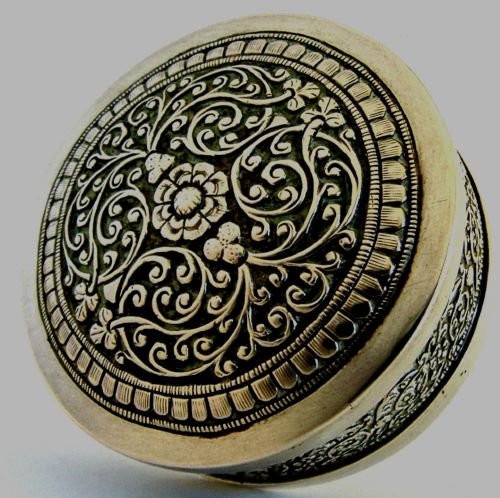
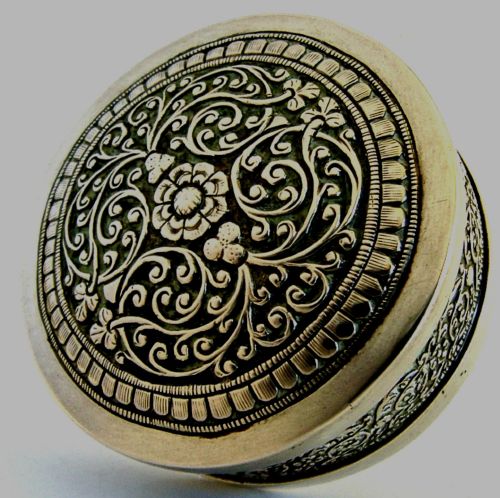
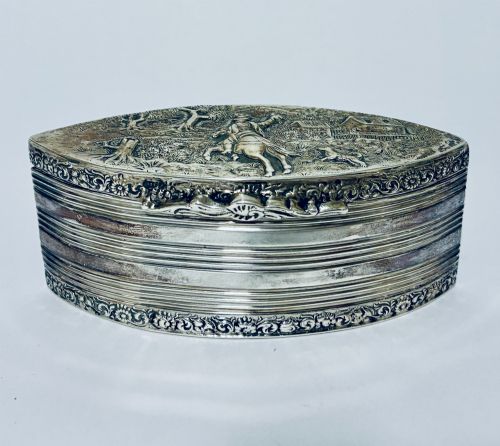
These carved silver container pieces are global vessels of intricate craftsmanship, offering a tangible link to diverse nineteenth-century traditions.
Carved Silver Container
A carved silver container is an object designed to hold precious items, snuff, spices, or personal accessories, originating from distinct regional traditions. When you search for carved silver container items, you encounter pieces spanning the eighteenth century through to the Edwardian era and beyond.
The assortment on this page highlights diverse global forms, including Anglo-Indian colonial boxes, Chinese Qing Dynasty vessels, and Japanese Meiji bronze or silver cases. Alongside standard solid silver and sterling silver constructions, you find specialised vessels made from horn, stoneware, and silver plate.
Utility ranges from snuff boxes and trinket boxes to spectacle cases, biscuit barrels, and spice towers used in traditional Judaica ceremonies. These functional pieces showcase the distinct decorative vocabularies of regional workshops, merging utility with detailed ornamentation.
Materials and construction methods
Construction relies upon silver, solid silver, and sterling silver, frequently paired with contrasting elements such as jade rims, horn, or bronze bases. Artisans shape these materials through hammering, casting, and intricate surface carving.
Techniques diverge according to regional style, incorporating repoussé embossing, delicate filigree wirework, and enamel inlay as seen in Chinese Qing pieces. Some vessels integrate organic components like carved powder horn or stoneware bodies, bound by metal mounts.
The listings show materials ranging from solid silver and sterling silver to horn, stoneware, and silver-plated metal.
Assessing craftsmanship and detail
Quality rests upon the depth, sharpness, and discipline of the surface carving, distinguishing confident hand-chiseled motifs from softer, shallower impressions. Finer examples maintain crisp definition across complex geometric or figural scenes without losing structural integrity.
Material purity and the complexity of assembly also separate tiers of production. Integrated elements like secure hinged lids, precise filigree tiers, and well-fitted fitted rims denote greater technical competence in the maker.
The Carved Silver Container Glossary
- Solid silver
- Metal content that is precious throughout rather than plated over a base metal core. It provides the heavy substance expected in traditional containers.
- Filigree
- Delicate openwork ornament formed from twisted fine silver wire soldered together. This technique creates lace-like patterns often seen on ceremonial spice towers.
- Repoussé
- A metalworking method where the design is hammered into relief from the reverse side. It creates tactile surface texture on boxes and snuff containers.
- Pandan box
- A traditional container utilised for holding betel nut or leaf preparations. These vessels often feature intricate folk or colonial ornamentation.
- Biscuit barrel
- A lidded cylindrical vessel intended for storing baked goods at the table. Stoneware and ceramic versions frequently incorporate decorative metal mounts.
Carved Silver Container: Frequently Asked Questions
What were these containers used for?
These vessels held personal items, tobacco, spices, or ritual substances depending on their regional origin. Snuff boxes served smokers, while spice towers played a specific role in traditional Judaica ceremonies.
Other formats functioned as trinket repositories, powder flasks, or specialised cases for spectacles and betel nut preparations. Each container matched the domestic or ceremonial habits of its maker.
How do I care for silver containers?
Silver surfaces benefit from gentle dusting with a soft cloth to prevent the accumulation of airborne grime. Aggressive chemical cleaning can strip away desired historic patination and fine chasing detail.
Containers incorporating organic materials like horn or jade require protection from sudden humidity shifts and direct sunlight. Store them in stable environments to preserve both metal and secondary materials.
How do I distinguish regional styles?
Regional styles reveal themselves through distinct decorative motifs, such as dragon iconography on Qing Dynasty pieces or traditional filigree on Judaica towers. Anglo-Indian items often display dense colonial foliage and dense embossing.
Examining the weight, construction technique, and secondary materials provides further clues to geographic origin. Japanese and Chinese pieces frequently employ contrasting elements like bronze or enamel work distinct from European Victorian output.
Are all these items made of solid silver?
Materials vary across the selection, encompassing sterling silver, silver-plated metal, and solid silver constructions alongside horn, stoneware, and bronze. Hallmarks or specific tests clarify the precise metal standard used.
Some containers combine a silver exterior or mounts with a secondary body material. Reading individual item descriptions ensures you understand the exact material composition of each piece.