






Carved Satinwood Pedestal
A carved satinwood pedestal brings warm, figured timber and classical proportion into a room, offering a sturdy yet refined platform for display.
Carved Satinwood Pedestal
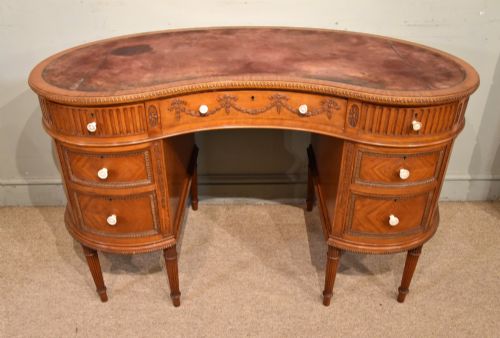
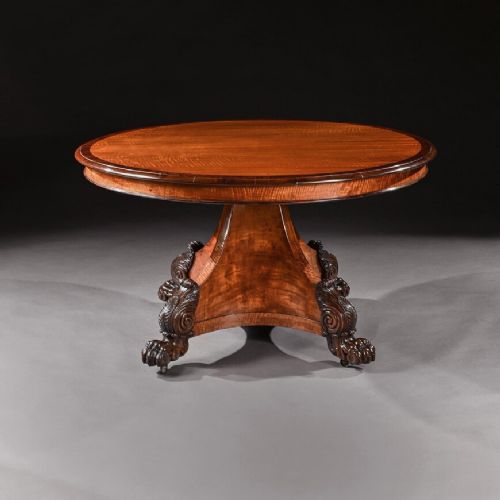
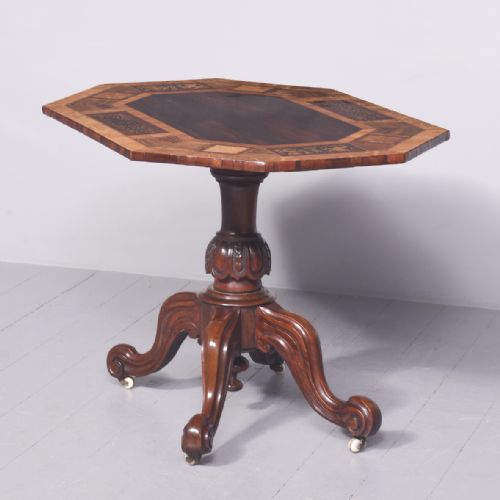
The selection here encompasses occasional tables, cabinets and writing desks that share structural characteristics with pedestals. These objects typically display the distinctive golden sheen of tropical hardwoods, often enhanced through contrasting crossbanding or inlaid details.
Origin points range from English workshops to Ceylonese and Italian makers, reflecting broad nineteenth-century trade and design influences. Buyers find various configurations, from single columnar supports to multi-tiered tables and cabinet bases.
Materials and construction methods
Cabinet makers utilised satinwood veneers over secondary timbers, selecting pieces for their characteristic chatoyant grain. Brass mounts, leather inserts and marble tops appear alongside secondary hardwoods such as mahogany, rosewood and satin birch.
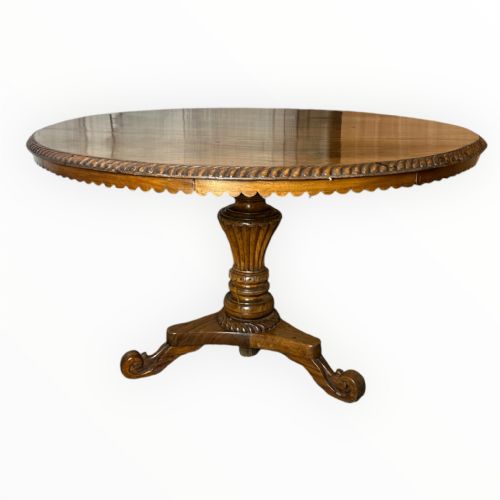
Joinery techniques from the nineteenth century involved precise carcase construction and detailed hand-carving applied to pedestals and table rims. Surface finishes relied on traditional French polishing to accentuate the natural figure and colour of the timber.
Listings feature nineteen distinct dealers offering items predominantly from the nineteenth century, including Victorian, Regency and Edwardian periods.
Judging the quality of construction
The distinction between standard and superior pieces rests upon the selection of the timber figure and the crispness of the hand-carving. Dense, highly figured grain patterns paired with balanced proportions indicate superior craftsmanship.
Execution of inlay work and the integration of secondary materials such as marble or brass hardware further define the hierarchy of pieces. Uniformity in the colour of the wood and stability in the underlying structure separate refined workshop output from simpler domestic items.
Maple & Co·Edwards and Roberts·Viardot
The Carved Satinwood Pedestal Glossary
- Satinwood
- A durable tropical hardwood known for its luminous, golden-yellow colour and natural sheen. It was frequently used as a veneer on high-status nineteenth-century furniture.
- Pedestal
- A structural support or column designed to elevate a sculpture, vase or urn. In furniture, it also refers to the supporting base of a desk or cabinet.
- Ceylonese
- Pertaining to colonial furniture originating from Ceylon, often utilising native satinwood timbers and distinctive carving styles. These pieces reflect British taste adapted to regional craftsmanship.
- Specimen marble
- Multi-coloured marble fragments arranged in geometric or pictorial patterns, often utilised for table tops. This technique was popular in Italian workshops during the nineteenth century.
Carved Satinwood Pedestal: Frequently Asked Questions
What is satinwood?
Satinwood is a dense, yellow-toned tropical timber prized for its reflective grain and smooth finish. It gained popularity in high-end furniture production during the eighteenth and nineteenth centuries.
Cabinet makers used it primarily as a veneer to cover larger surface areas, creating striking optical effects through careful grain matching.
How do I care for satinwood?
Protect the timber from direct sunlight and excessive moisture to prevent fading and veneer lifting. Regular dusting with a soft, dry cloth preserves the French polished surface.
Avoid chemical polishes and place felt pads under objects set upon the surface to prevent scratching.
Are pedestals stable?
Most pedestals use weighted or wide bases designed to distribute weight evenly and prevent tipping. Floor surfaces should remain level to ensure complete stability.
Heavier items placed on top must centre properly over the main vertical support column.
Where were these pieces made?
The listings show items produced in British workshops, alongside pieces originating from Ceylonese and Italian makers. Regional cabinet makers adapted prevailing Victorian and Regency styles to local timbers.
European and colonial trade routes facilitated the movement of these materials and manufacturing techniques during the nineteenth century.