

Carved Religious Art
These pieces of carved religious art bring centuries of devotion into a room through wood, paint, and gold leaf.
Carved Religious Art
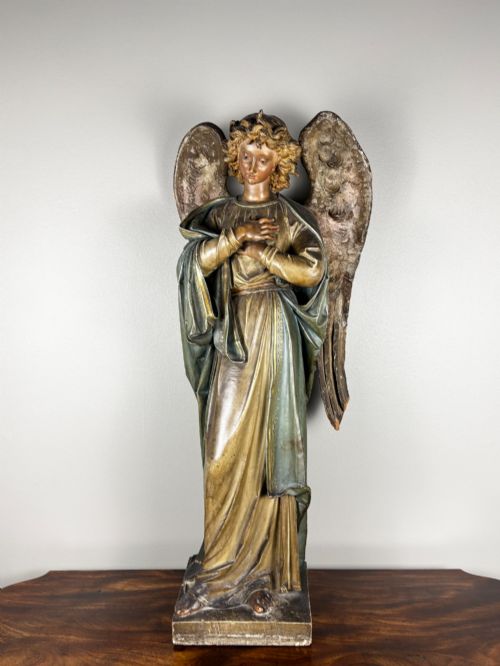
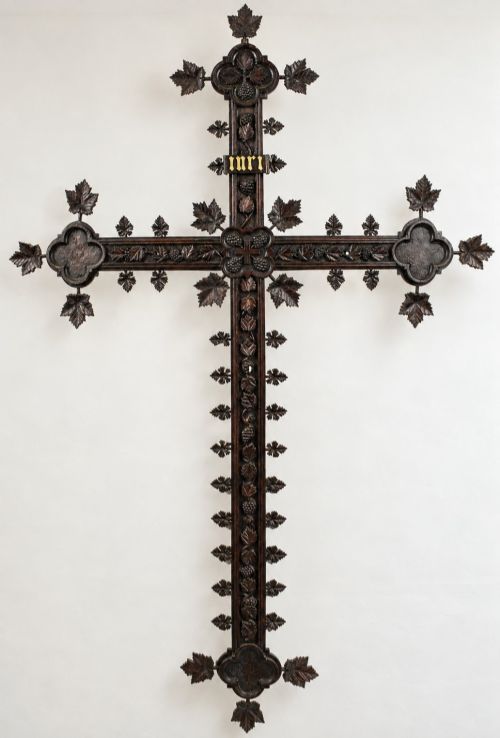
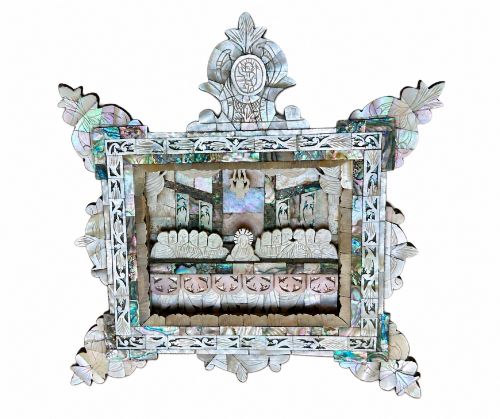
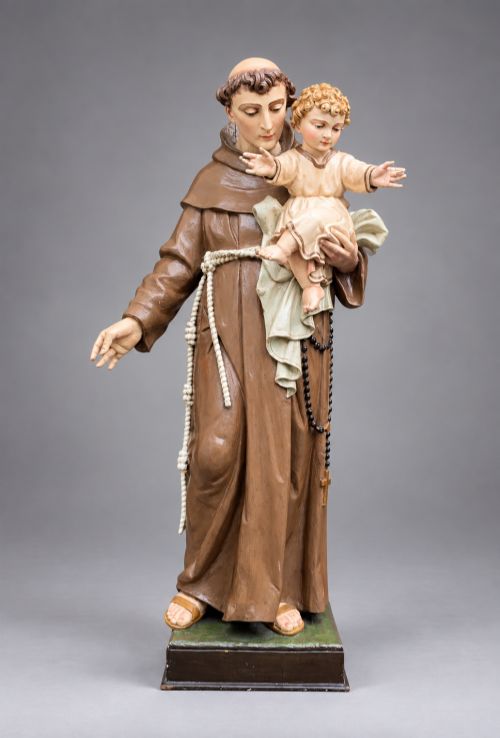
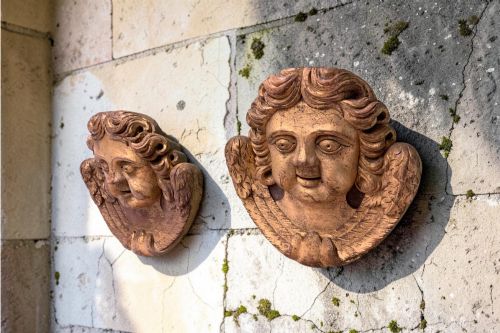
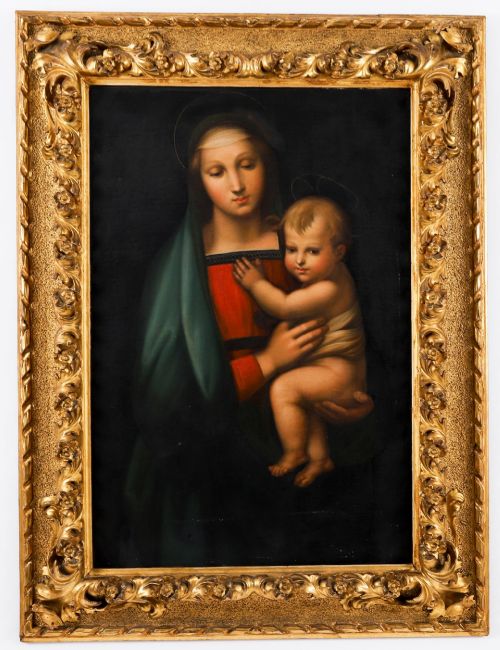
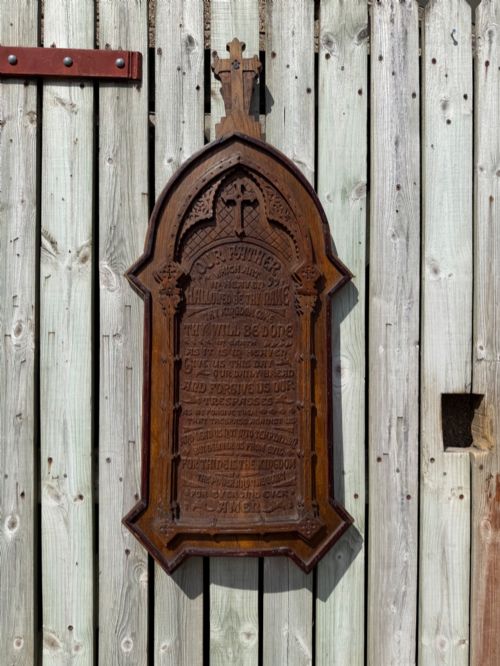
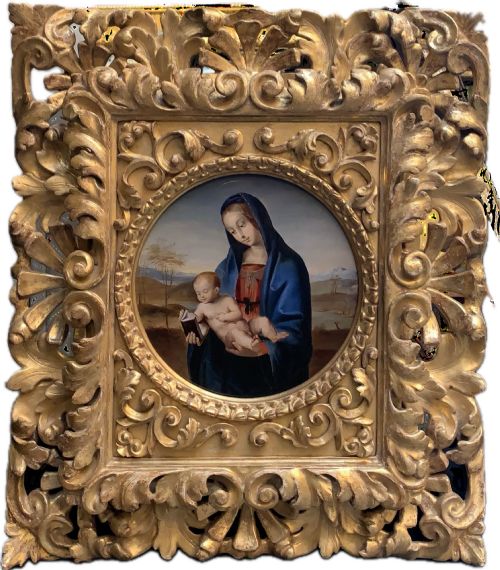
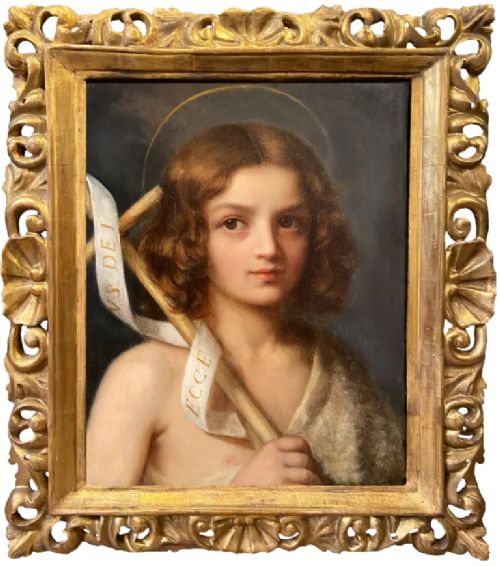
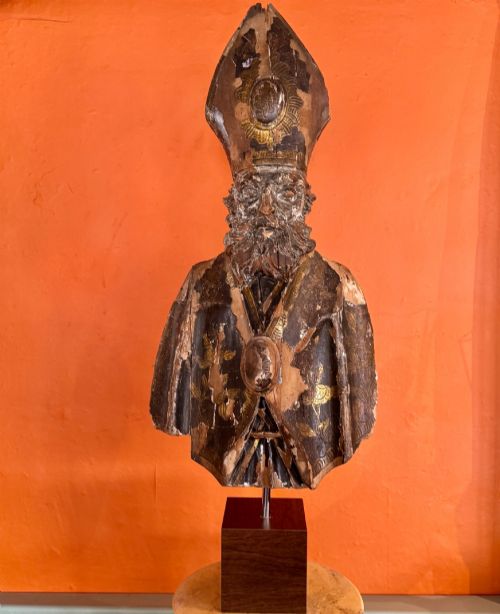
Carved religious art encompasses devotional wooden sculptures, statues, wall crosses, and framed dioramas spanning from the sixteenth century to the early twentieth century.
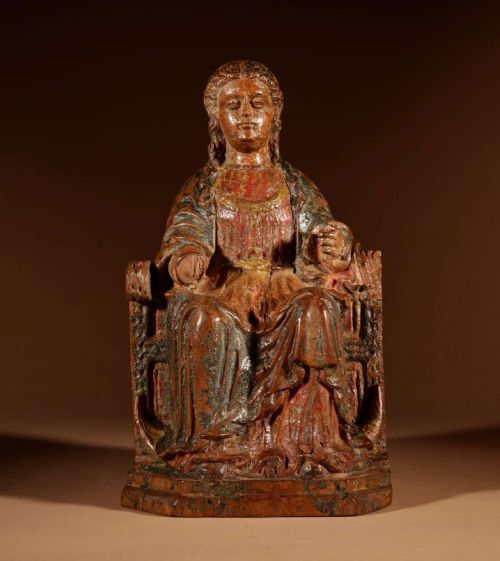
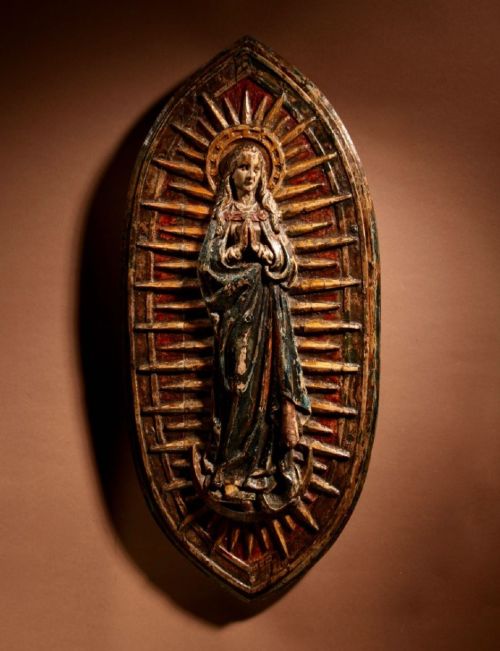
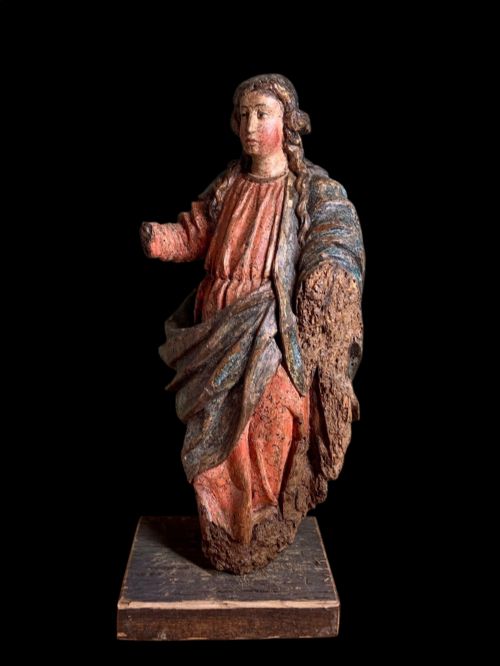
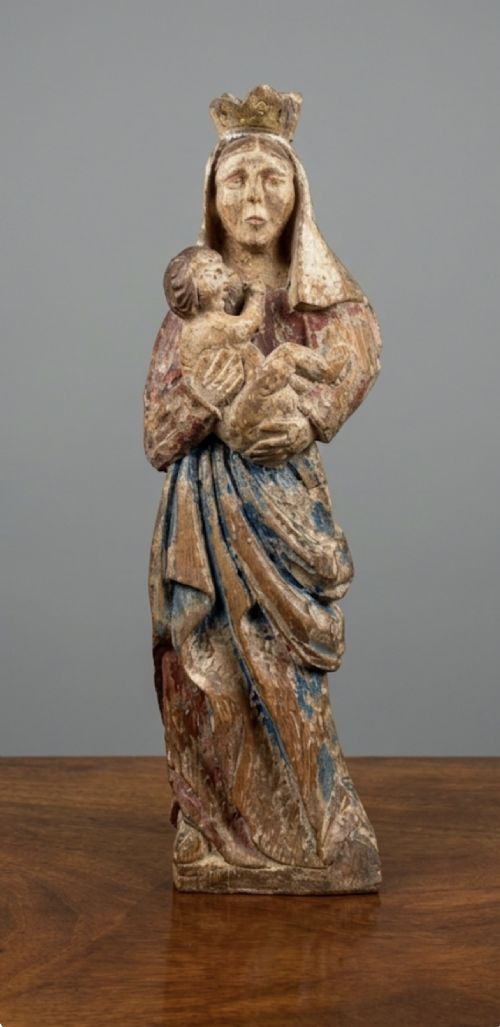
Buyers meet sixteenth-century oak medieval panels and seventeenth-century Spanish and Italian corpus Christi figures alongside eighteenth-century polychrome saints and nineteenth-century statues of the Virgin Mary.
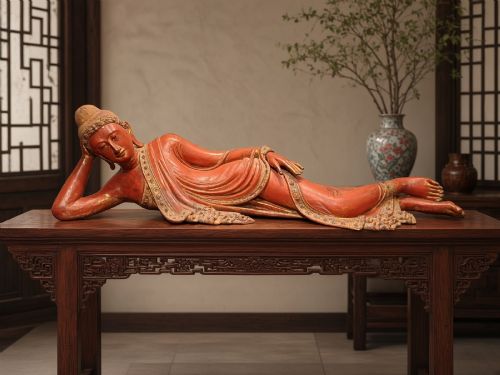
These works originate from varied European and global traditions, including Italian, Spanish, French, German, Burmese, and Czech workshops.
Materials and Techniques
Carpenters and carvers shaped these figures from timbers such as oak, walnut, chestnut, limewood, olive wood, and general carved wood.
Many surfaces received layers of gesso before painters applied polychrome pigments, oil paints, or gold leaf to highlight drapery and flesh tones.
Carved Religious Art Retail Price Guide 2026
Typical asking prices for carved religious art among the pieces listed under this phrase on Sellingantiques today, from the lower quarter to the upper quarter. They describe what is for sale here now, not the wider market.
Listings feature carved religious art spanning the 16th century through to 1900, created in oak, walnut, limewood, and olive wood.
Distinctions in Quality
The sophistication of the hand-carving in facial expressions and fabric folds separates master workshop pieces from simpler folk art.
The preservation of original polychrome paint and giltwood surfaces dictates the visual power of an antique figure.
The Carved Religious Art Glossary
- Polychrome
- Painted in several colours. This term describes wooden sculptures finished with applied pigments rather than plain timber.
- Giltwood
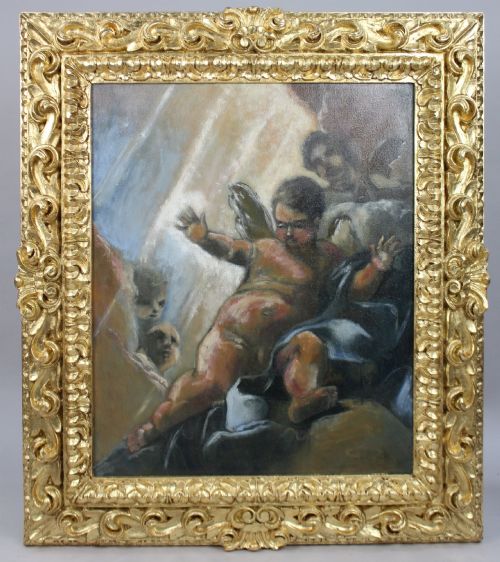
- Wood carved and then covered with gold leaf or gold paint. It frequently frames oil paintings or highlights ecclesiastical busts.
- Corpus Christi
- Latin for body of Christ. It denotes a sculptural figure of Jesus on a cross.
- Gesso
- A plaster mix applied to wood surfaces as a preparation for painting or gilding. It provides a smooth base for fine detail work.
- Altarpiece
- A structural piece set above an altar. Central panels often feature carved religious figures or narrative scenes.
Carved Religious Art: Frequently Asked Questions
What is carved religious art?
These items comprise wooden sculptures, statues, panels, and framed dioramas created for worship or private devotion across several centuries.
Craftsmen produced them in diverse regional styles, ranging from Renaissance panels to Baroque figures of saints and the Madonna.
How were these statues used?
Historic owners placed these works inside churches, altarpieces, and private homes to aid prayer and contemplation.
Many figures formed parts of larger architectural schemes or served as focal points for daily devotions.
How do I date a wooden carving?
Dating relies on stylistic clues, tool marks, wood species, and the ageing of underlying gesso and paint layers.
Sixteenth-century pieces often display Gothic or Renaissance traits, while seventeenth-century and eighteenth-century works reflect Baroque dynamism.
How should I care for polychrome wood?
Maintain stable indoor humidity and temperature to prevent the underlying wood from expanding, contracting, or splitting.
Keep pieces away from direct sunlight and dust them gently with a dry, soft cloth without using liquid cleaners.