

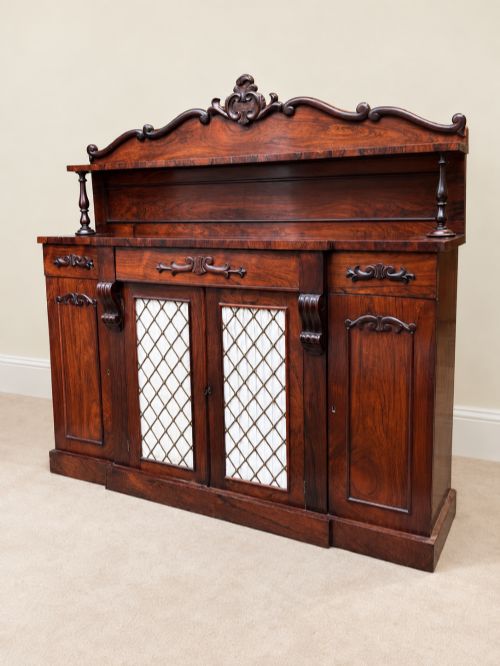
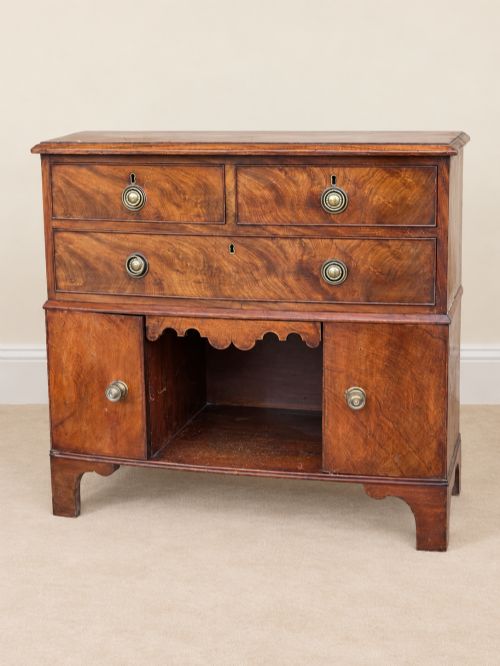
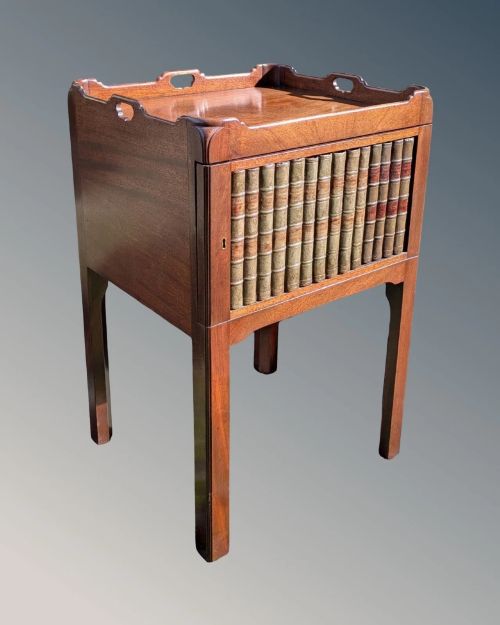
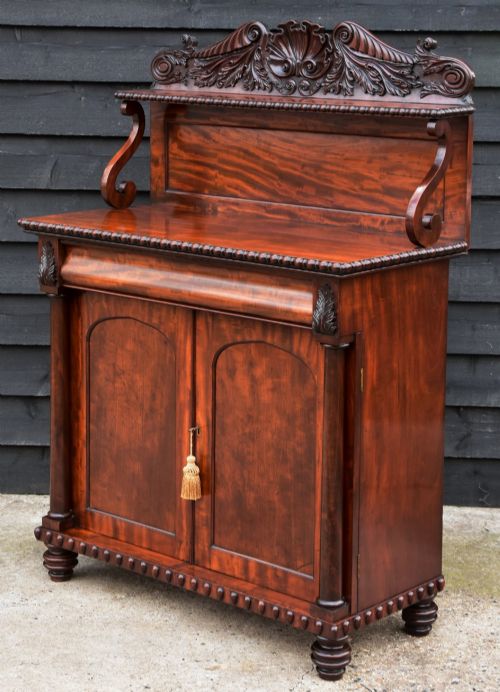
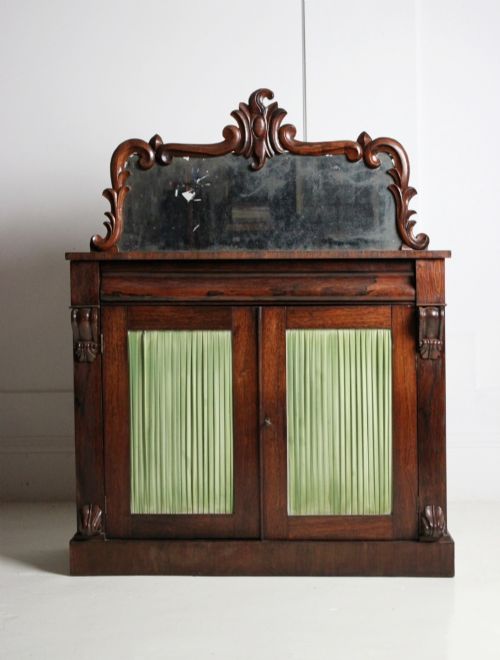
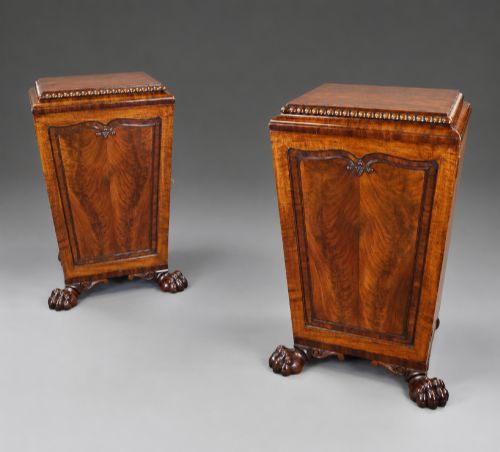
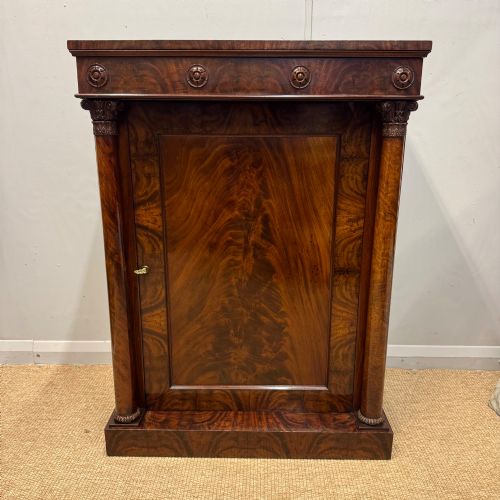
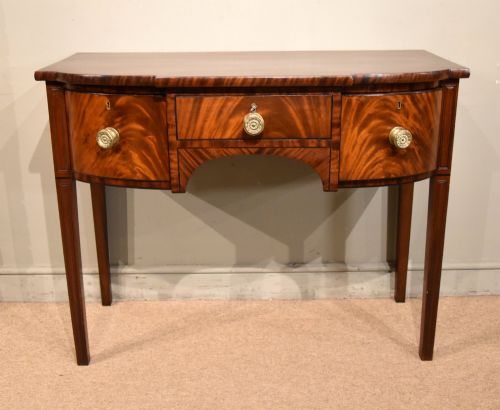
Carved Regency Cupboard
A carved regency cupboard brings architectural presence and figured timber into a room, offering practical storage with distinct period character.
Carved Regency Cupboard
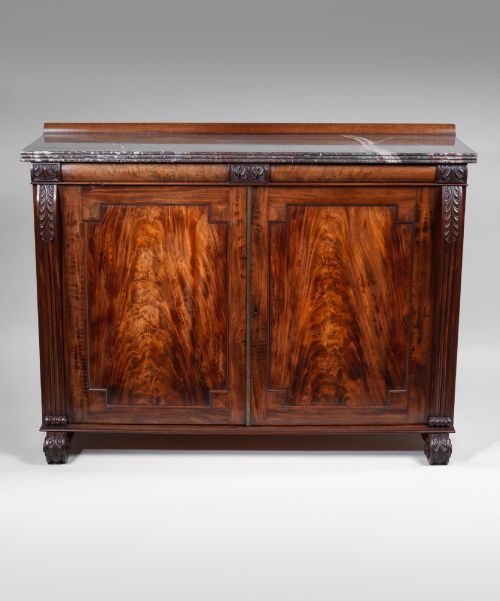
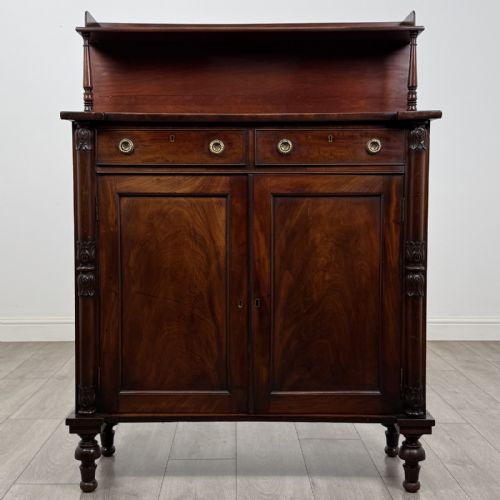
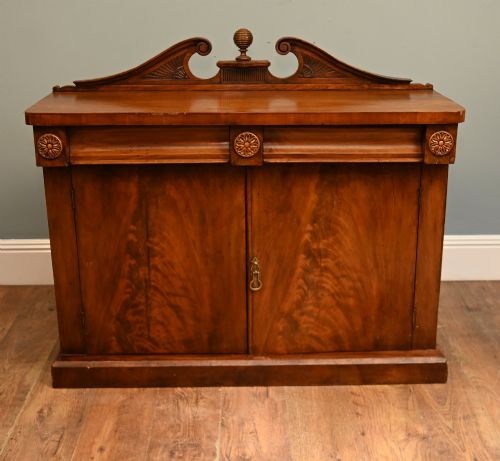
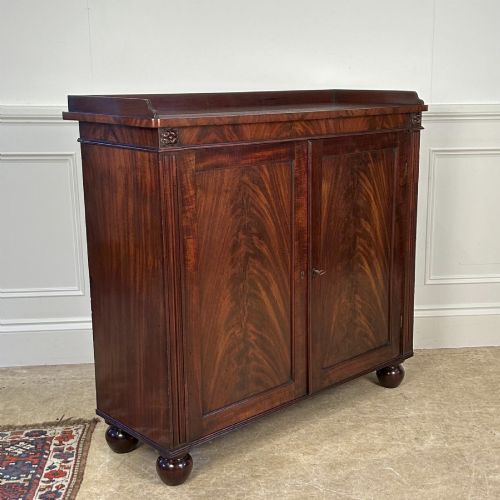
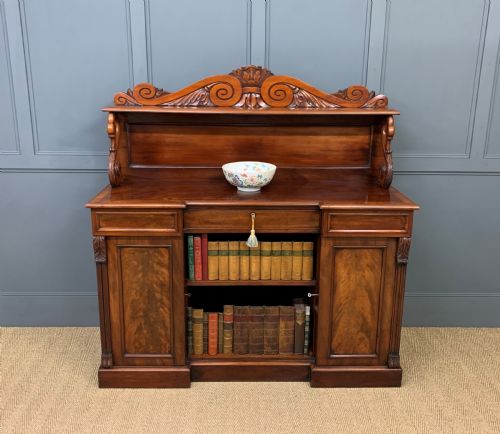
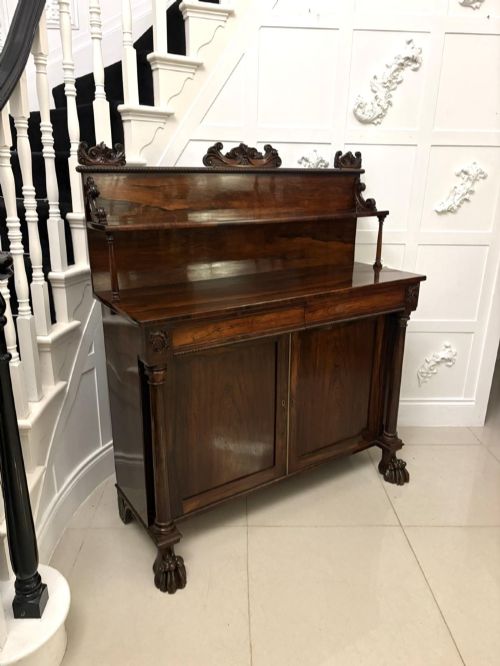
A carved regency cupboard encompasses side cabinets, chiffoniers, and bookcases originating primarily from the nineteenth century, including Georgian and William IV periods. These pieces serve as functional storage furniture, frequently appearing as low side cabinets or compact chiffoniers fitted with shelving and doors.
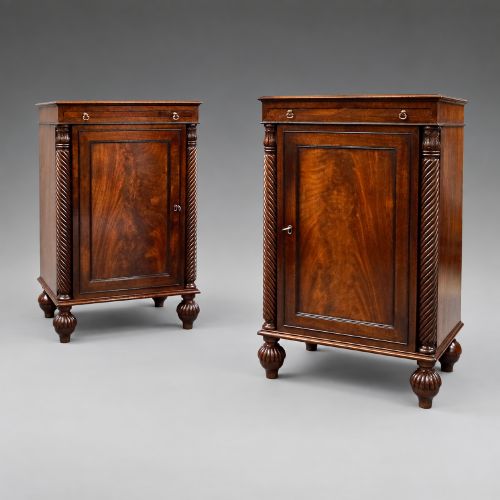
The selections available lean heavily toward mahogany and rosewood constructions, sometimes utilising flame mahogany veneers or exotic woods like amboyna and satinwood. Buyers encounter diverse formats, from tall linen presses and breakfront bookcases down to diminutive bedside cabinets and pedestal pairs.
How they were made
Cabinet makers utilised solid timber alongside carefully selected veneers, notably flame mahogany and rosewood, laid over secondary woods such as oak. Construction often integrated brass hardware, glass panels, and inlaid details to accentuate the grain.
Surfaces received fine polishing to highlight the natural figure of the wood, while structural joinery supported architectural elements like blind fretwork cornices and adjustable shelving.
Carved Regency Cupboard Retail Price Guide 2026
Typical asking prices for carved regency cupboard among the pieces listed under this phrase on Sellingantiques today, from the lower quarter to the upper quarter. They describe what is for sale here now, not the wider market.
Certain miniature chests and dwarf cabinets were built with such diminutive proportions they appear as charming architectural models.
What varies in quality
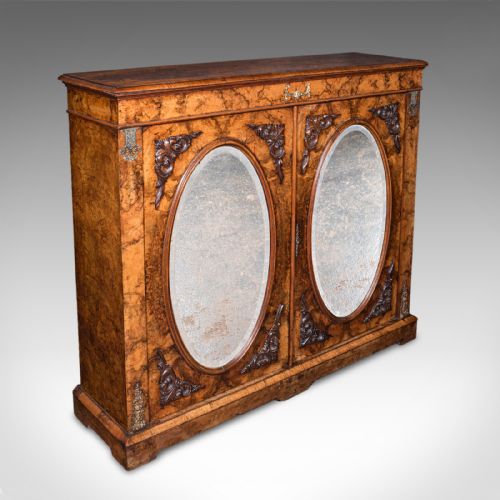
The grade of timber selection distinguishes standard items from superior examples, with richly figured flame mahogany or rosewood veneer creating greater visual depth. Finer pieces demonstrate meticulous attention to fine detailing, inlay work, and the integration of specialised elements such as mirror fronts or Egyptian revival motifs.
Proportion and scale also define the hierarchy, where unusual diminutive dimensions or matched pairs command particular attention from collectors seeking refined craftsmanship.
Gillows
The Carved Regency Cupboard Glossary
- Chiffonier
- A low sideboard or cabinet featuring enclosed shelving beneath, often surmounted by a shelf with a mirrored or panelled back. It emerged as a popular dining and drawing room form during the nineteenth century.
- Flame mahogany
- A distinctive veneer cut from the fork of the mahogany tree, producing a dramatic, flickering flame-like grain pattern. Cabinet makers prized this timber for prominent door panels and drawer fronts.
- Linen press
- A tall storage piece comprising an upper section with sliding trays or shelves for textiles, sitting above a chest of drawers in the base. These substantial items frequently incorporate decorative cornices.
- Pedestal cabinet
- A standalone vertical cupboard designed to stand alone or in pairs, often matching architectural proportions. They provide compact enclosed storage suitable for bedside or parlour use.
- Amboyna
- An exotic, highly figured burl wood yielding a warm, speckled golden-brown appearance. It was utilised selectively on high-status Regency furniture for striking surface decoration.
Carved Regency Cupboard: Frequently Asked Questions
What is a regency chiffonier?
A regency chiffonier is a low cabinet designed for the dining room or parlour, typically combining enclosed lower storage with an upper tier or shelf.
These pieces often feature timber such as mahogany or rosewood, sometimes accented with brass fittings or mirror panels.
How do I identify a linen press?
A linen press is a tall piece of furniture featuring sliding internal trays enclosed by upper doors, sitting above a chest of drawers.
They were built to store folded textiles and garments before modern wardrobe designs became standard.
Where should I place a side cabinet?
Side cabinets suit living rooms, hallways, and dining spaces where surface display and concealed storage are both required.
Their compact proportions allow them to sit comfortably beneath windows or against principal walls.
What distinguishes William IV furniture?
William IV furniture bridges the Regency era and early Victorian periods, displaying robust proportions and rich timber selections.
Pieces from this time frequently utilise flame mahogany and rosewood with confident, solid execution.