

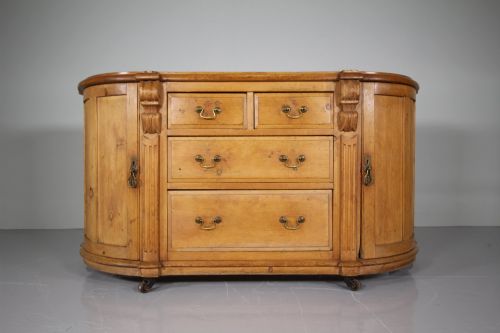
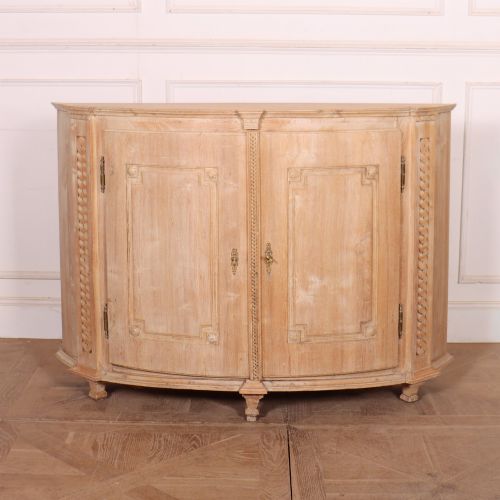
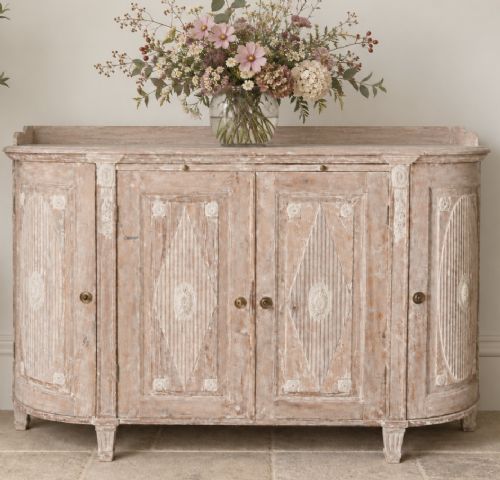


Carved Pine Sideboard
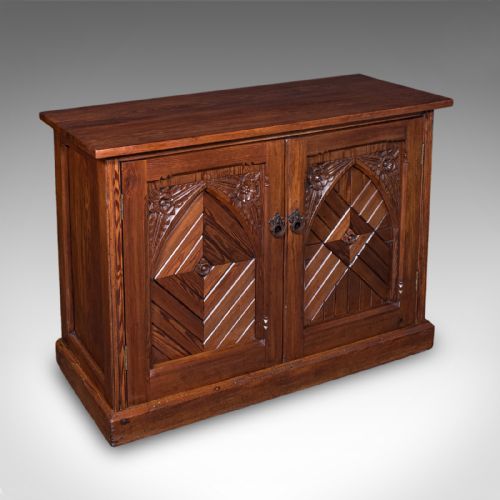
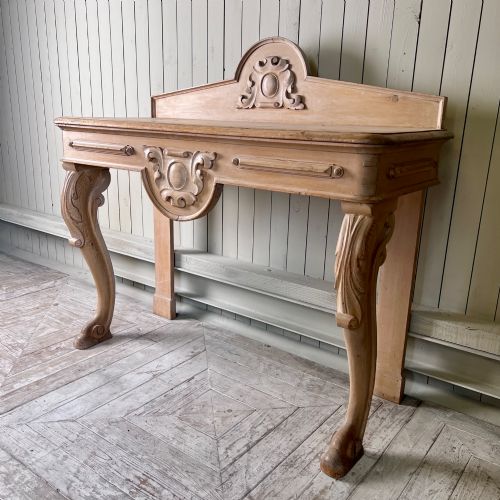
These carved pine sideboards bring robust practicality and rich regional character into a room.
Carved Pine Sideboard
A carved pine sideboard provides substantial storage while anchoring a room with vernacular presence. These pieces emerge primarily from Victorian, nineteenth-century, and eighteenth-century periods across various domestic and regional traditions.
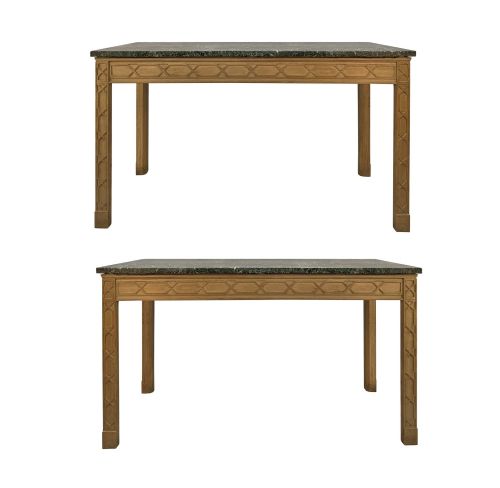
The selections on this page range from English country dressers and Scottish scumbled cupboards to French provincial buffet deux corps and Scandinavian painted cabinets. Buyers encounter console tables, serving tables, and potboard dressers alongside traditional sideboards.
While the search term specifies a sideboard, the inventory reflects related forms sharing identical materials and decorative carving. These kitchen dressers, chests, and console tables offer the same heavy timber construction and sculptural surface detail.
Materials and construction methods
Makers built these pieces primarily using solid pine and pitch pine, occasionally incorporating secondary hardwoods such as oak and mahogany for structural stability. Brass and metal fittings, ceramic elements, and hand-applied paint finishes complete the construction.
Joinery techniques relied on traditional carpentry suited to heavy domestic furniture, paired with hand-carved decorative motifs. Surfaces frequently display scumble glazing, historical paint layers, or polished timber grains that highlight the natural knots and growth rings of the softwood.
Carved Pine Sideboard Retail Price Guide 2026
Typical asking prices for carved pine sideboard among the pieces listed under this phrase on Sellingantiques today, from the lower quarter to the upper quarter. They describe what is for sale here now, not the wider market.
Judging quality and craftsmanship
Quality rests upon the crispness of the hand-carving and the integrity of the original timber. Pieces featuring deeply articulated floral or architectural carving display greater artisan skill than simpler utilitarian boxes.
Surface preservation significantly dictates value, particularly where original scumbled glazes, early paintwork, or patinated pine surfaces survive intact. Structural soundness in heavy drawer fronts and potboard bases distinguishes superior workshop production from routine domestic joinery.
The Carved Pine Sideboard Glossary
- Pitch pine
- A resinous North American and European pine variety valued for its dense grain and durability in heavy furniture. It resists wear effectively and takes a deep lustre when polished.
- Scumble
- A decorative painting technique involving a translucent glaze dragged over a lighter base coat to imitate finer woods or create textured depth. Scottish country furniture frequently utilises this finish.
- Potboard
- An open lower shelf on a dresser or sideboard traditionally used for storing heavy pots and culinary utensils. This structural feature defines many eighteenth-century and nineteenth-century country pieces.
- Buffet deux corps
- A large two-part cupboard or sideboard originating in France, featuring a smaller upper section set back upon a deeper base. These imposing pieces provide extensive display and enclosed storage.
Carved Pine Sideboard: Frequently Asked Questions
How do I clean a painted pine sideboard?
Dust regularly with a soft, dry cloth to prevent dirt accumulation on carved surfaces and painted finishes. Avoid modern chemical sprays that can soften historical paint or degrade old wax.
Nourish bare pine periodically with a traditional beeswax polish applied sparingly and buffed gently. Painted sections require only gentle wiping with a damp cloth followed immediately by a dry one.
Are these sideboards suitable for daily use?
Solid pine construction makes these pieces remarkably sturdy for everyday storage in kitchens, dining rooms, or hallways. Their deep drawers and substantial cupboards accommodate modern tableware and household items easily.
Care should be taken to protect timber surfaces from excessive moisture and direct heat sources. Using felt pads under heavy objects prevents scratching on aged wood and painted tops.
How do I date a nineteenth-century pine piece?
Examine the construction marks, drawer joints, and hardware for clues to the manufacturing period. Hand-cut dovetails and forged iron or brass fittings generally indicate earlier nineteenth-century or eighteenth-century origin.
Paint layers and surface wear also reveal age, as older pieces often show accumulated patination from generations of domestic use. Comparing decorative motifs like Gothic revival arches or floral folk carving helps narrow the stylistic decade.