



Carved Pine Frame
A carved pine frame brings warmth and architectural weight to a wall, offering rich grain and tactile depth that flat modern moulding simply cannot match.
Carved Pine Frame
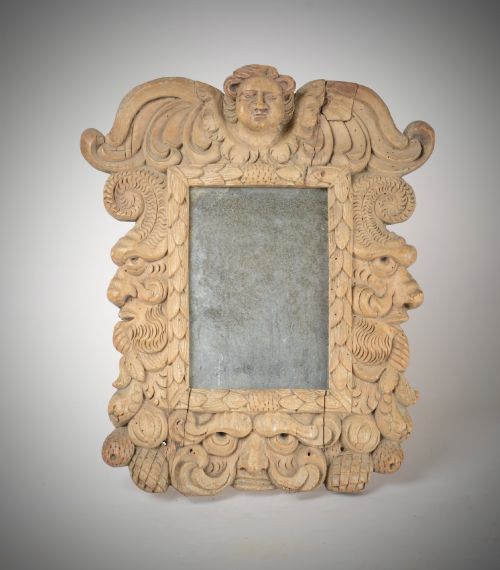
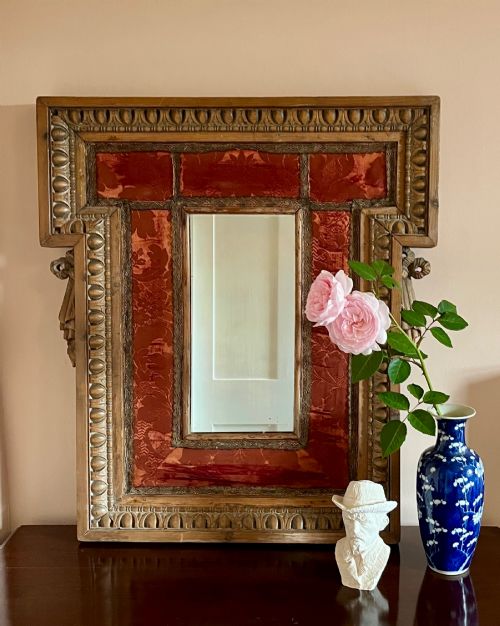
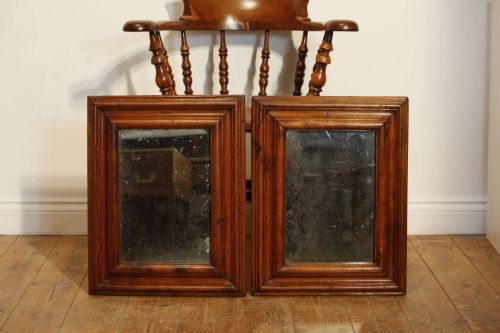
A carved pine frame on this page typically appears as a wall mirror, a picture mount, or an architectural surround originating from the eighteenth, nineteenth, or early twentieth century. These pieces range from restrained Georgian mouldings to elaborate Victorian Gothic revivals and rustic folk art creations.
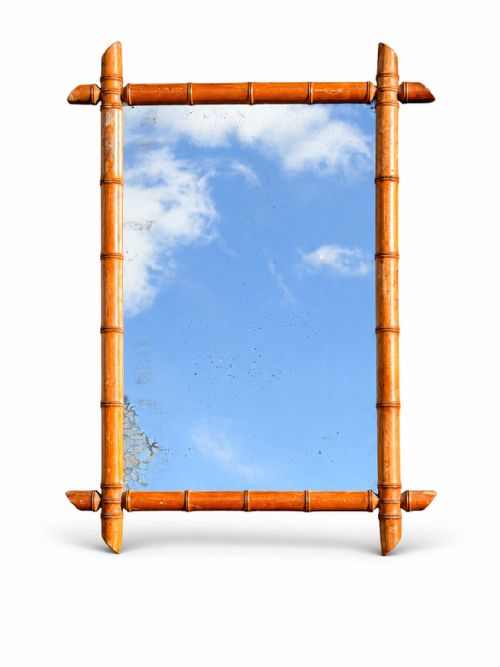
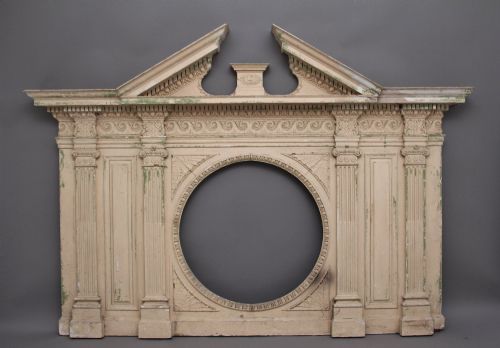
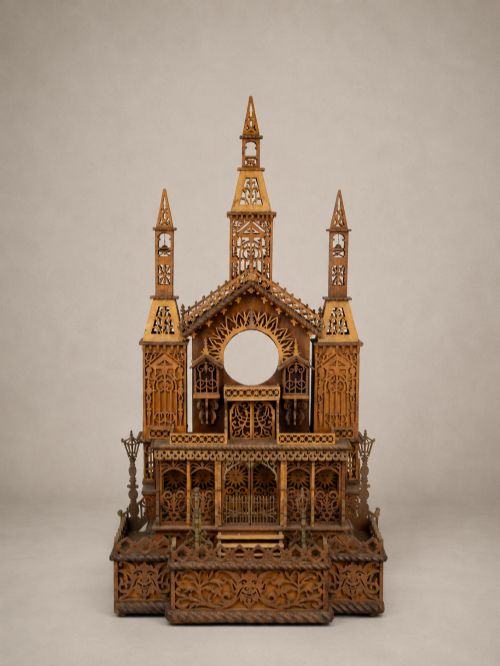
Buyers seeking this phrase most frequently encounter wall mirrors and architectural surrounds fashioned from solid pine or pitch pine, sometimes retaining early or original paint. The selection also includes related items such as faux bamboo frames, overmantels, and ecclesiastical tracery panels that share the same characteristic woodwork.
Origins span English, French, and Spanish workshops, reflecting diverse regional tastes in carving and surface finish. Whether finished with a clear wax to highlight the softwood grain or coated in old paint, each object carries the distinct hand of its maker.
Materials and construction
The primary material across these pieces is pine, occasionally specified as pitch pine or supplemented by secondary timbers like beech and fruitwood in structural elements. Woodcarvers worked the softwood using hand chisels and gouges to achieve deep relief work, architectural fretwork, and delicate floral motifs.
Surfaces often display oil paint, historical paint layers, or simple transparent finishes that seal the softwood while preserving tool marks. Joinery techniques varied according to the period and form, utilising pegged joints, halving, or simple mitres to support heavier mirror glass and architectural panels.
Carved Pine Frame Retail Price Guide 2026
Typical asking prices for carved pine frame among the pieces listed under this phrase on Sellingantiques today, from the lower quarter to the upper quarter. They describe what is for sale here now, not the wider market.
One persistent nineteenth-century carver clearly grew tired of conventional foliage and spent the afternoon turning humble pine into faux bamboo.
Assessing quality
Quality in these wooden mouldings rests primarily on the crispness and depth of the hand carving rather than the costliness of the timber. Crisp undercuts, confident handling of foliage or tracery, and harmonious proportions separate accomplished workshop pieces from utilitarian carpentry.
The integrity of the surface finish plays a major role in the desirability of a piece, with undisturbed original paint or honest patination commanding greater appreciation. Retaining the original glass, backing boards, or structural pins further elevates a piece within its period.
The Carved Pine Frame Glossary
- Pitch pine
- A dense, resinous variety of pine timber known for its prominent grain pattern and durable qualities, frequently utilised in nineteenth-century seating and architectural joinery.
- Overmantel
- A large mirror or decorative panel designed specifically to be hung or fitted on the wall directly above a fireplace mantelpiece.
- Tracery
- Openwork ornamentation characterised by intersecting ribwork, commonly associated with Gothic architecture and ecclesiastical woodwork seen in panels and frames.
- Faux bamboo
- A decorative technique where wood is carved, turned, or painted to imitate the segmented stalks of natural bamboo, popular during the late nineteenth century.
- Fretwork
- Ornamental design executed by cutting patterns through thin boards with a fret saw, creating intricate openwork friezes and frame embellishments.
Carved Pine Frame: Frequently Asked Questions
How do I hang a heavy carved pine frame safely?
Due to the substantial weight of old pine and glass, these pieces require secure wall fixings suited to the specific wall construction.
Professional mirror plates or heavy-duty D-rings screwed directly into the solid timber frame provide the most reliable support.
Can I place a pine frame in a bathroom?
Softwood frames respond to changes in environmental humidity and can warp or crack if exposed to constant steam and moisture.
It is best to keep these antique wooden pieces in stable, dry living areas to preserve the integrity of the wood and any historic paint.
How do I clean old painted pine?
Dusting gently with a soft, dry cloth is sufficient for regular maintenance of both bare and painted wooden surfaces.
Harsh chemical cleaners, abrasive pads, and excessive moisture must be avoided to prevent stripping historical paint layers or damaging the soft pine grain.
How can I tell a Georgian frame from a Victorian one?
Georgian examples generally favour classical symmetry, restrained floral motifs, and architectural dignity derived from Palladian proportions.
Victorian frames often embrace heavier revival styles, such as Gothic tracery or rustic folk art interpretation, featuring bolder relief and darker pitch pine.