





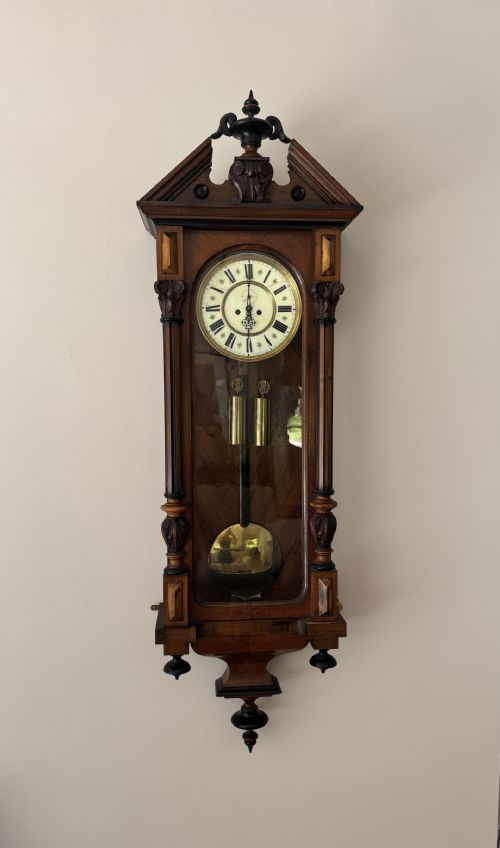
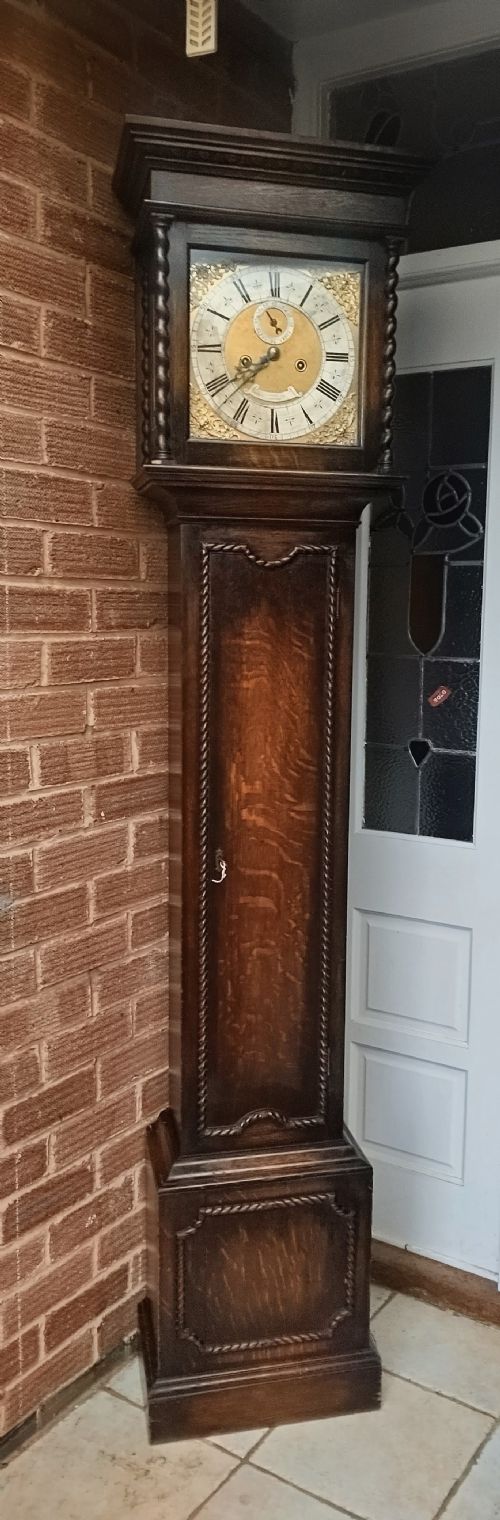
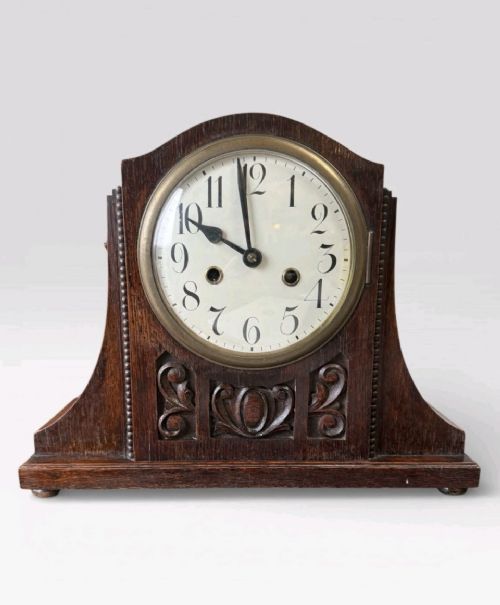
Carved Pendulum Clock
A carved pendulum clock brings mechanical timekeeping into a room through timber cases shaped by Victorian, Georgian or Art Deco hands.
Carved Pendulum Clock
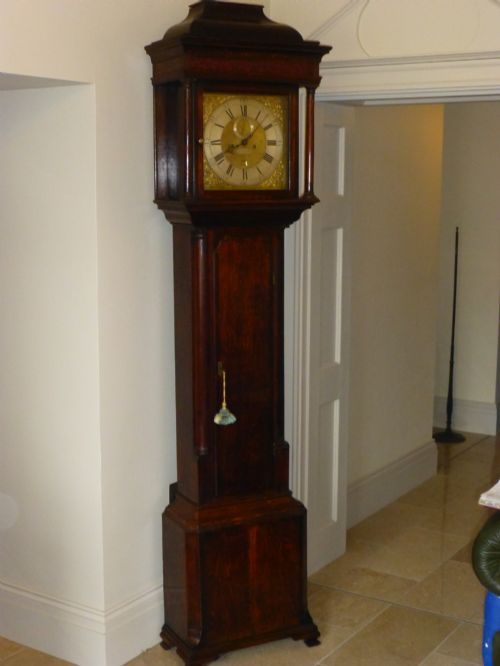
A carved pendulum clock unites timekeeping precision with the timber craft of periods spanning the eighteenth century to the art deco era. When searching this phrase, a buyer examines timepieces housed in tall grandfather cases, wall mounts or smaller mantel designs.
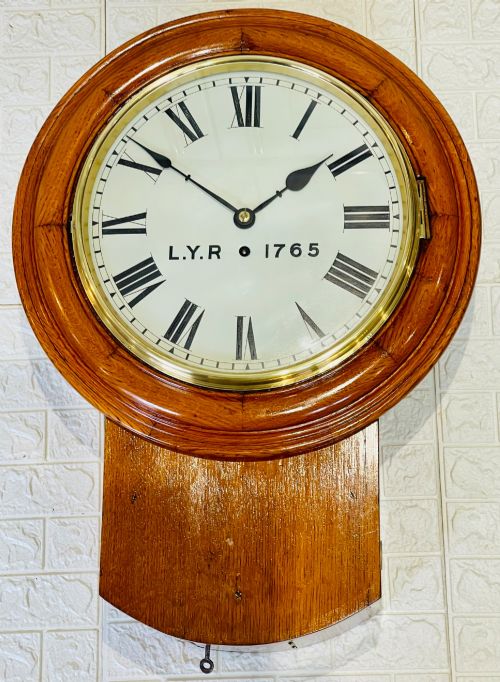
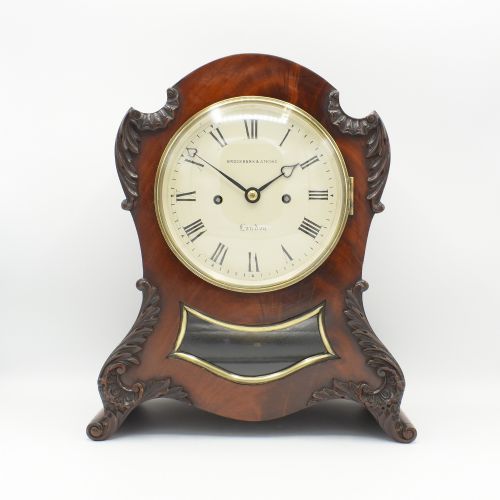
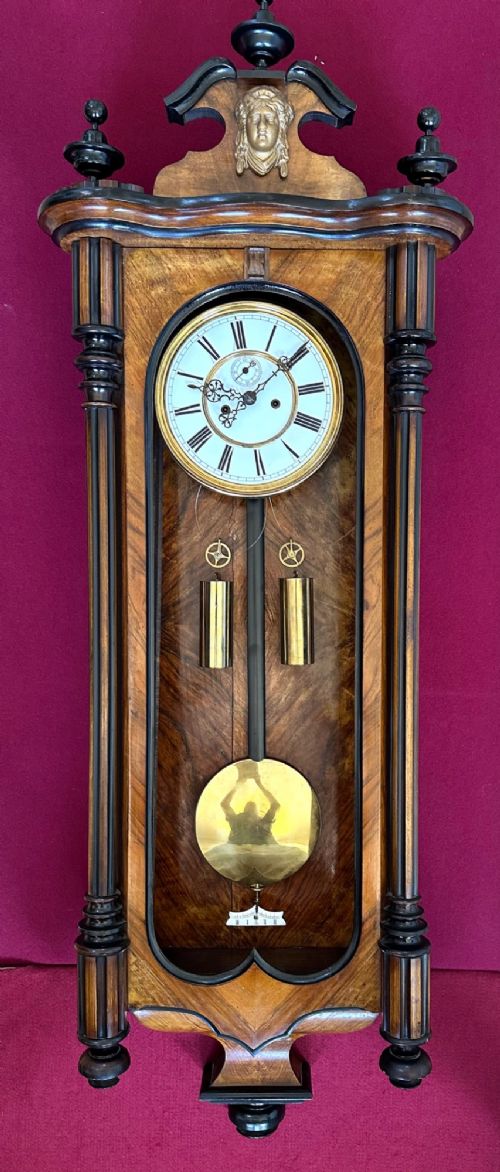
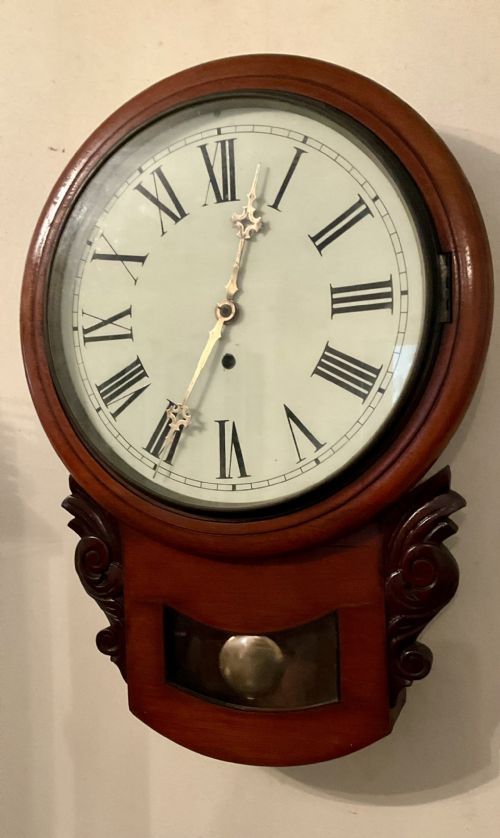
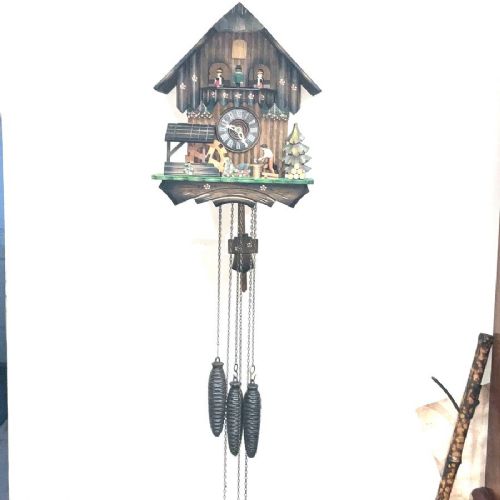
The versions most frequently met on this page range from walnut and oak longcase clocks to mahogany drop dial wall clocks and heavily carved Black Forest examples. These pieces originate from British, German, American and European workshops.
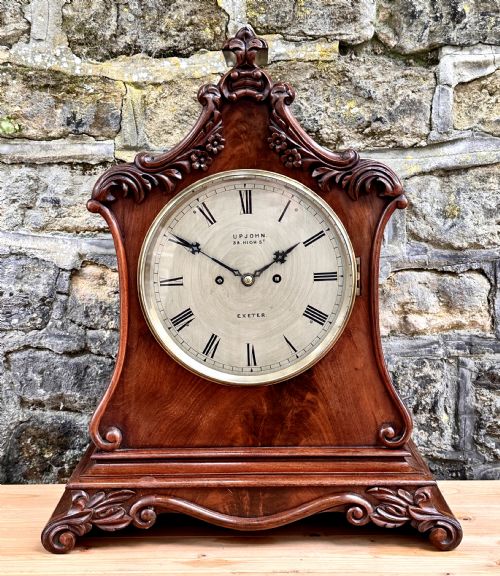
Makers housed these mechanisms in cases constructed from oak, walnut, mahogany and rosewood, often pairing them with brass or enamel dials. Each form reflects the domestic interior fashions of its specific decade.
How they were made
Horologists built these movements using brass wheels, steel pinions and fusee or spring-driven mechanisms designed to regulate motion via a swinging pendulum. Cabinetmakers then enclosed these metal workings in dense hardwoods including mahogany, walnut and oak, shaping the timber with hand chisels.
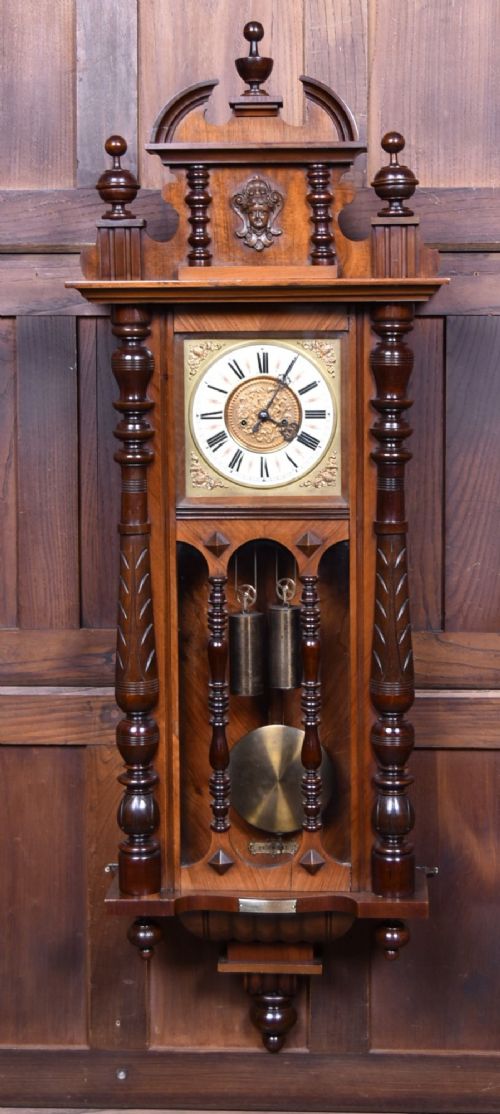
Carvers applied relief decoration directly to the timber cases, particularly on Black Forest walnut, Vienna wall clocks and oak longcase hoods. Dials received careful finishing through silvered brass, painted metal or white enamel applications with distinct numeral layouts.
Mechanical musical automatons accompany the ticking, proving past owners liked their hours counted with a tune.
What varies in quality
Quality separates through the crispness of hand-carved details on the timber case and the structural integrity of the internal brass movement. Superior examples exhibit deeply incised foliage, well-cast bezels and untouched dial signatures from documented makers.
Lesser items display machine-softened woodwork, replacement dials or heavily altered movements that lack their original pendulum systems. The harmony between the timber housing and the mechanical period determines the standing of the piece.
Richard Corless of Stockport·Brockbanks and Atkins·Mappin and Webb·Wetterstrands
The Carved Pendulum Clock Glossary
- Fusee
- A conical pulley connected to a cord or chain that equalises the declining power of a mainspring as it unwinds. This mechanism ensures consistent force reaches the escapement for accurate timekeeping.
- Grandfather clock
- A tall pendulum clock enclosed in a long wooden case that rests directly on the floor. These pieces use falling weights suspended by cords or chains to drive the movement.
- Mantel clock
- A smaller domestic timepiece designed to sit upon a fireplace shelf or table. They rely on internal mainsprings rather than hanging weights.
- Drop dial clock
- A wall-mounted timepiece featuring a circular dial at the top above a short wooden trunk that houses the pendulum. Railway companies and public buildings favoured this format.
- Black Forest
- A mountainous region in Germany known for producing carved wooden clocks featuring automaton figures or leaf motifs. Craftsmen utilised native softwoods and hardwoods for these cases.
Carved Pendulum Clock: Frequently Asked Questions
How do I wind a mechanical pendulum clock?
Insert the appropriate winding key into the dial aperture and turn it gently until you feel resistance from the spring or until the weight reaches the top. Avoid over-winding to protect the internal brass teeth.
Ensure the pendulum hangs freely and swings in an even beat before leaving the clock to run. Modern owners should consult a professional horologist if the timing gains or loses significantly.
Where should I place a longcase clock?
Position the longcase clock against an interior wall away from direct sunlight, heating vents and damp areas that might warp the timber case. A stable floor prevents vibrations from interfering with the pendulum swing.
Anchor the tall wooden trunk securely to the wall using the provided bracket to prevent tipping. Level the base carefully so the escapement ticks in a uniform rhythm.
What is the difference between a wall clock and a mantel clock?
Wall clocks hang directly from structural supports and often feature visible pendulums swinging within drop-dial or Vienna-style cases. Mantel clocks sit independently on flat surfaces using compact spring-driven movements.
Wall versions were historically deployed in offices, railway stations and large halls for public visibility. Mantel variations served domestic spaces where smaller footprints suited household furniture.
How do I identify the period of a carved clock?
Examine the timber species, dial materials and carving styles against known historical periods like the Georgian, Victorian or Art Deco eras. Eighteenth-century models frequently utilise oak longcase structures with brass chapter rings.
Nineteenth-century Vienna regulators and Black Forest carvings display distinctive regional aesthetics and machine advancements. Documented signatures on the dial or movement backplate provide precise manufacturing timelines.