


Carved Panel Art
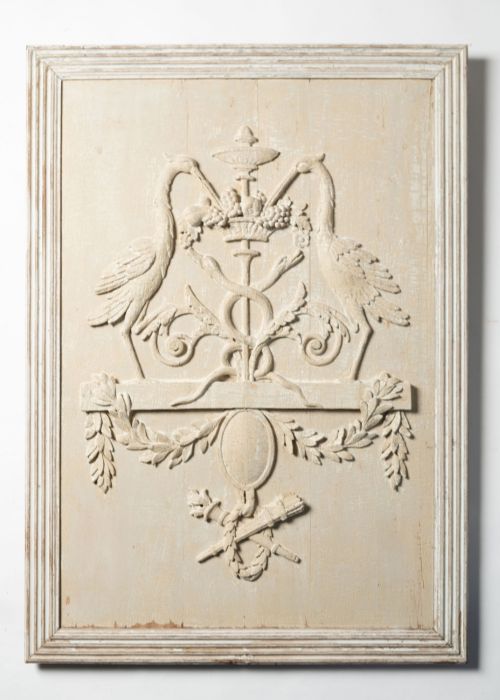
These pieces of carved panel art bring architectural depth and historical texture to a room, spanning centuries of hand-carved wood, oil paint, and textile work.
Carved Panel Art
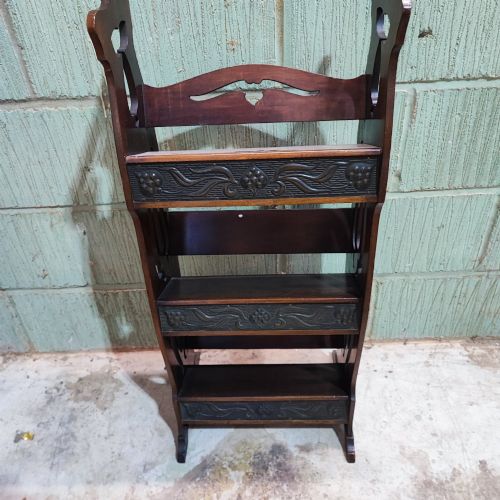
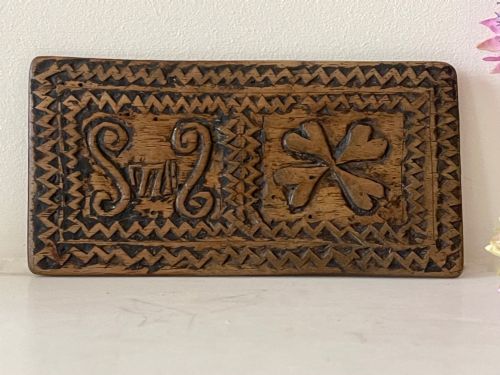
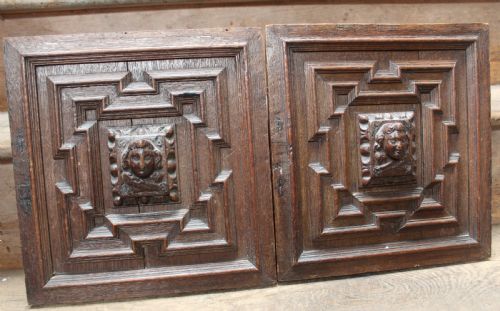
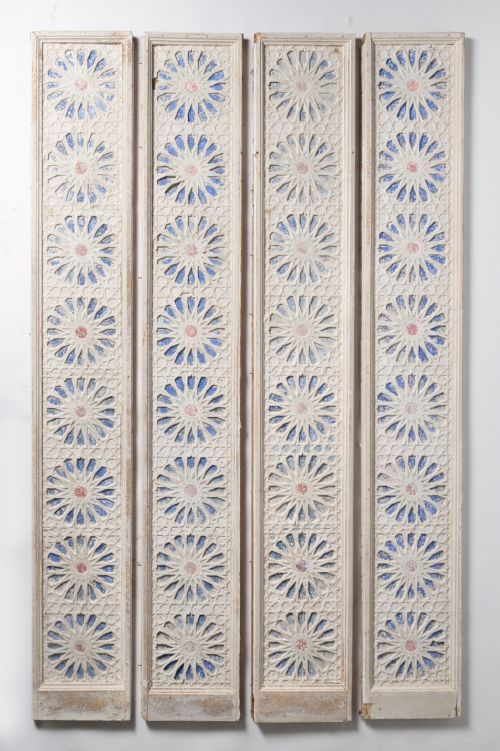
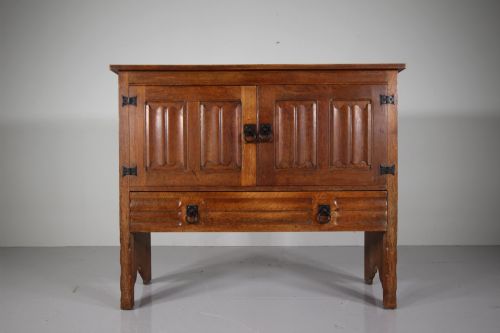
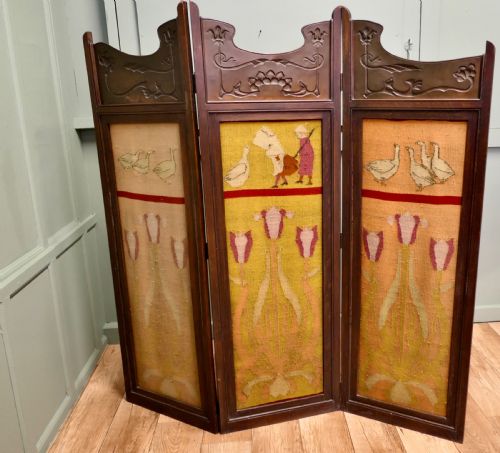
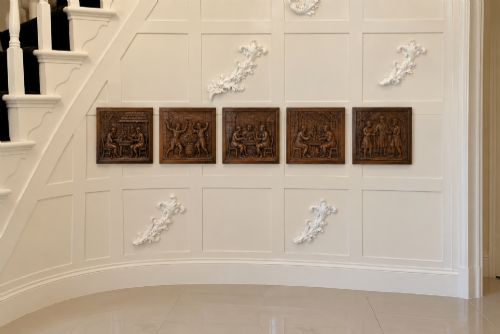
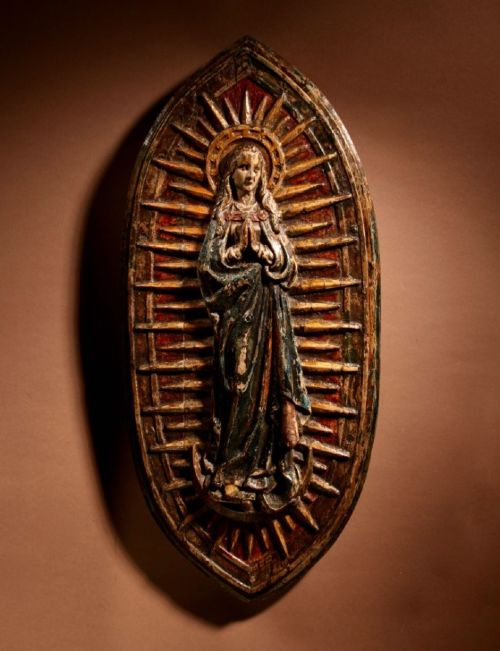
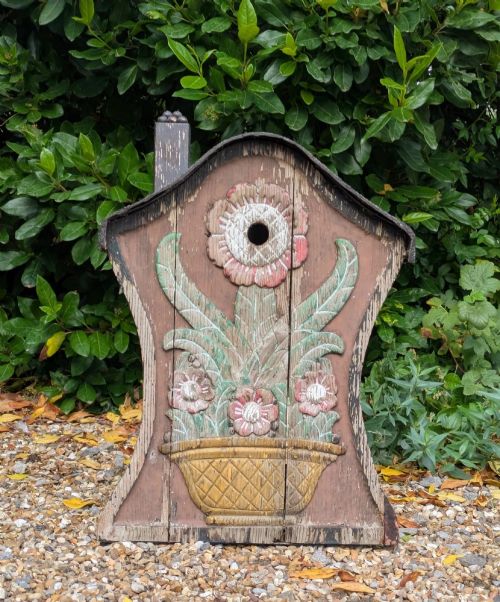
When you search for carved panel art, you encounter a diverse range of items including architectural wall plaques, cupboard doors, folding screens, and remnants from earlier altarpieces or furniture. The items span multiple eras, from sixteenth-century oak carvings to nineteenth-century Flemish tavern scenes and twentieth-century decorative woodwork.
Origins vary widely across British, European, and Asian workshops, introducing styles like Gothic Revival, Arts and Crafts, Art Nouveau, and Jacobean Revival. These pieces function primarily as wall display items, having originated as structural elements, marriage plaques, or devotional artwork before finding new life in modern interiors.
Materials and construction
The physical backbone of these items relies heavily on timber, predominantly oak and chestnut, shaped through traditional hand-carving techniques using gouges and chisels. Craftsmen worked the solid wood to create deep relief scenes, floral motifs, and heraldic plaques, often leaving tool marks that evidence the manual labour involved.
Surface treatments add another layer of material complexity, with workshops applying oil paint, gold leaf, and polychrome pigments directly onto the wood or preparing dedicated panels of canvas and copper. Textiles appear through stumpwork and silk embroidery stretched over frames, integrating metal thread and wool into the panel tradition.
Structural joinery matches the period of origin, utilising pegged tenons in earlier centuries and simpler framing in later decorative pieces. The interaction between carved timber grounds and applied decorative layers defines the physical resilience and visual weight of each object.
Carved Panel Art Retail Price Guide 2026
Typical asking prices for carved panel art among the pieces listed under this phrase on Sellingantiques today, from the lower quarter to the upper quarter. They describe what is for sale here now, not the wider market.
Listings feature carved panel art across centuries, incorporating materials like oak, brass, iron, oil paint, and gold leaf in forms from wall plaques to wardrobes.
Qualities of execution
The distinction between ordinary and exceptional pieces rests on the depth of the carving and the anatomical precision of figures, faces, and botanical elements. Master carvers achieved three-dimensional realism and crisp undercutting, whereas lesser examples rely on shallow, mechanical stamping or hesitant hand work.
Material selection dictates longevity and visual resonance, with dense, well-seasoned oak or unblemished hardwood supports holding finer detail without splitting or warping over centuries. The integrity of secondary surfaces, such as original polychrome paint, gilding, or early textile threads, preserves the authentic character of the piece.
Compositional balance and provenance elevate certain works, particularly where figural panels maintain narrative coherence or architectural fragments retain their original proportion. Pieces that demonstrate deliberate artistic intent rather than mass-produced repetition command greater attention from collectors.
The Carved Panel Art Glossary
- Stumpwork
- A raised embroidery style popular in the seventeenth century, utilising padded stitches and wire foundations to create three-dimensional figures on panels. This technique often depicted historical or biblical scenes using silk and metal thread.
- Polychrome
- The practice of decorating architectural elements, wood carvings, or sculptures in a variety of bright colours. In earlier religious art, this paint layer was applied over a gesso ground.
- Stretcher base
- A framework of horizontal wooden bars connecting the legs of furniture such as sideboards or tables to provide structural stability. These components frequently feature complementary carved ornamentation.
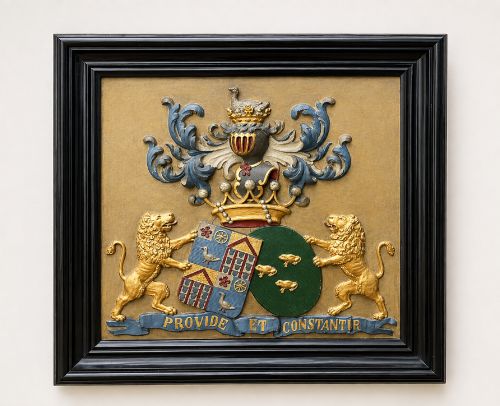
- Heraldic plaque
- A decorative panel displaying a coat of arms or familial crest, often carved in wood or stone to commemorate marriages or lineage. These items served as significant markers of status and heritage.
- Overdoor
- A carved, painted, or panelled decorative element positioned directly above a doorway lintel. They typically feature pastoral scenes, cherubs, or architectural motifs.
Carved Panel Art: Frequently Asked Questions
Can I clean carved wood panels safely?
Routine maintenance involves gentle dusting with a soft, dry brush to remove particulate matter from the recesses of the carving without abrading the surface. Avoid using liquid polishes, modern chemical sprays, or water, as moisture strips natural wax patinas and damages aged timber or painted layers.
If the piece requires deeper conservation cleaning, consult a professional restorer rather than attempting chemical intervention at home. Maintaining a stable indoor humidity level prevents the wood from drying out or splitting over time.
What period do these panels come from?
The inventory encompasses a broad chronological range, stretching from sixteenth-century ecclesiastical fragments and seventeenth-century chestnut panels to nineteenth-century revival styles and twentieth-century decorative works. Stylistic markers such as Gothic tracery, Jacobean strapwork, or Art Nouveau curves provide initial clues regarding the era of production.
Examining the reverse side of the wood, tool marks, and joinery methods helps confirm the age of the piece. Combining stylistic analysis with material inspection allows collectors to differentiate between early originals and later revival copies.
Where were these panels displayed originally?
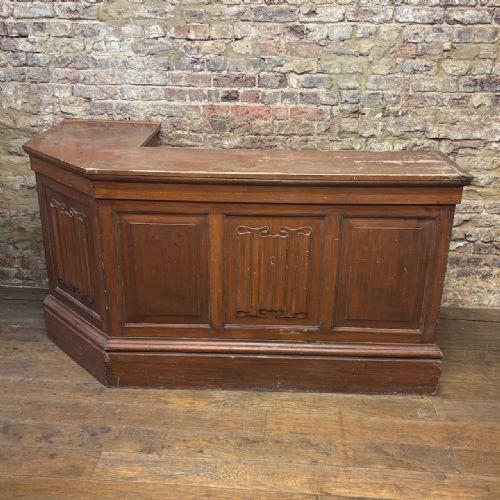
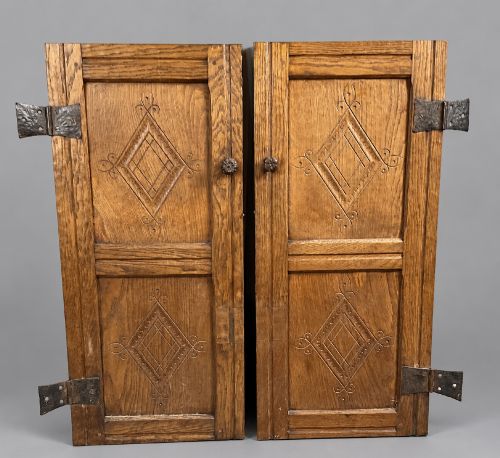
Many panels originated as structural components of larger furnishings, such as sideboard doors, wardrobe fronts, and commercial counters, or as architectural wall panelling in domestic interiors. Religious pieces typically served as central panels or altarpieces within churches before being detached.
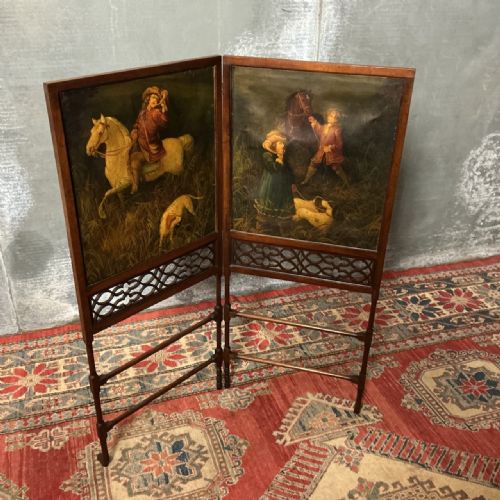
Domestic items like marriage plaques and decorative screens were designed to adorn principal rooms of residences. Today, collectors repurpose these architectural fragments as standalone wall art within contemporary living spaces.