

Carved Painted Lamps
Carved painted lamps combine sculptural timberwork with decorative surface finishes, offering both illumination and period charm to an interior.
Carved Painted Lamps
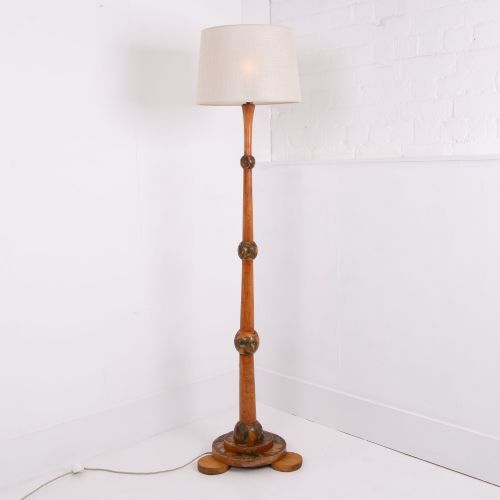
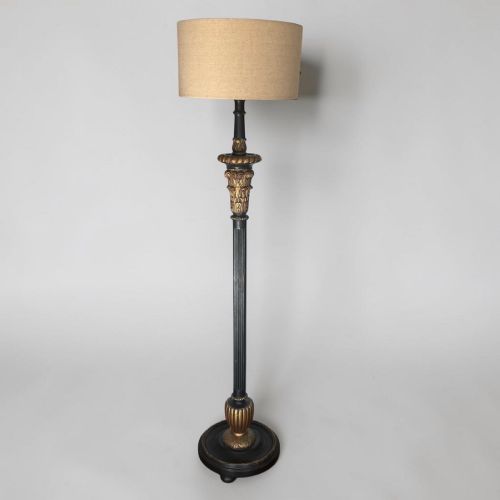
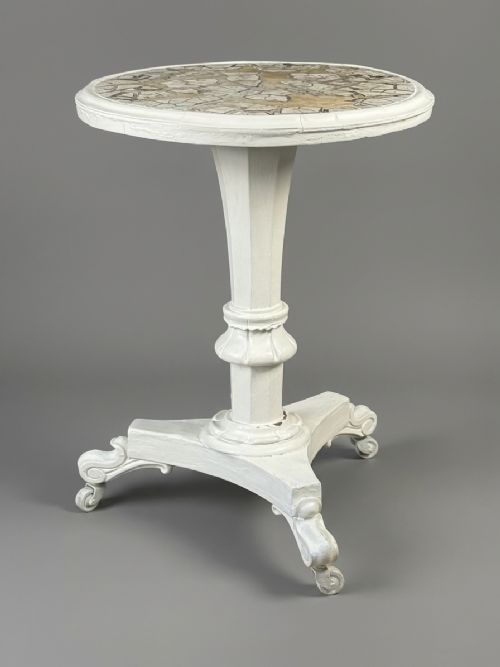
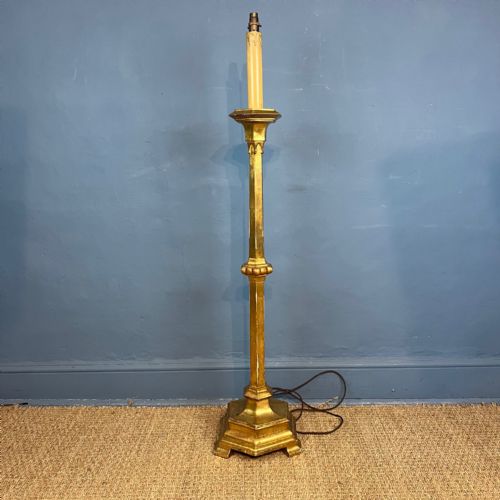
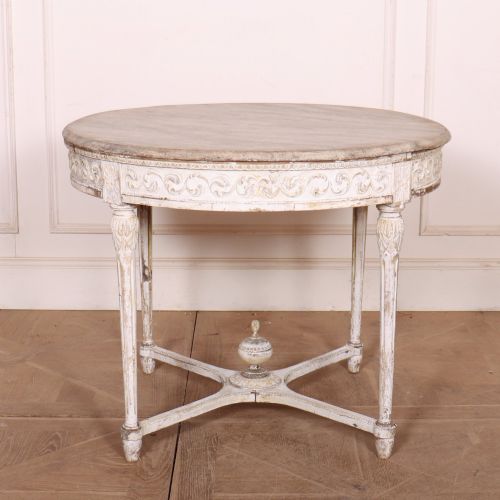
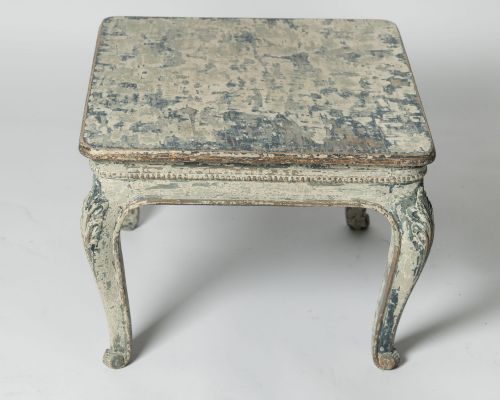
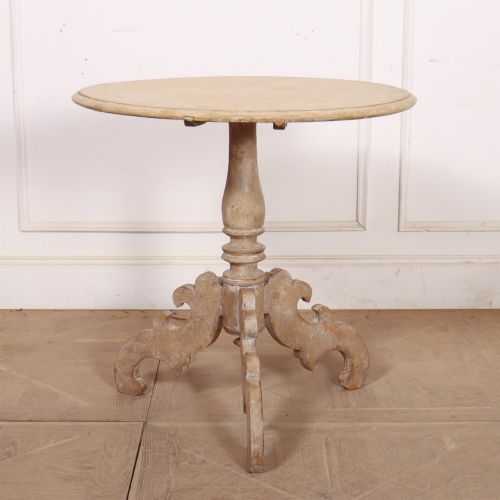
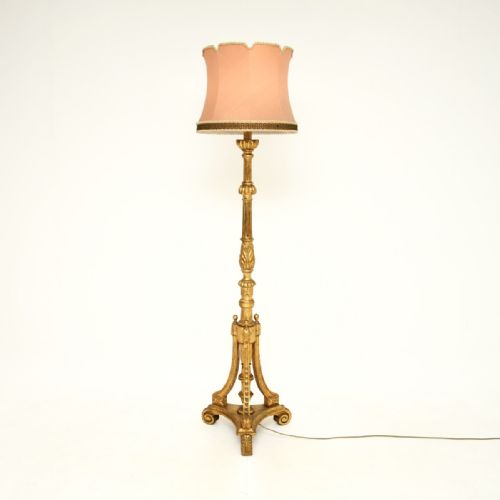
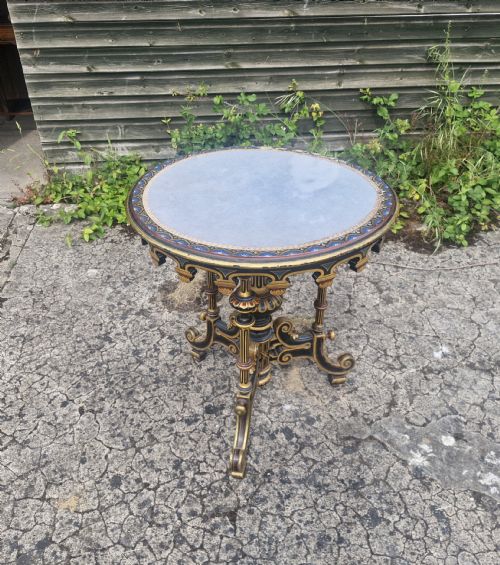
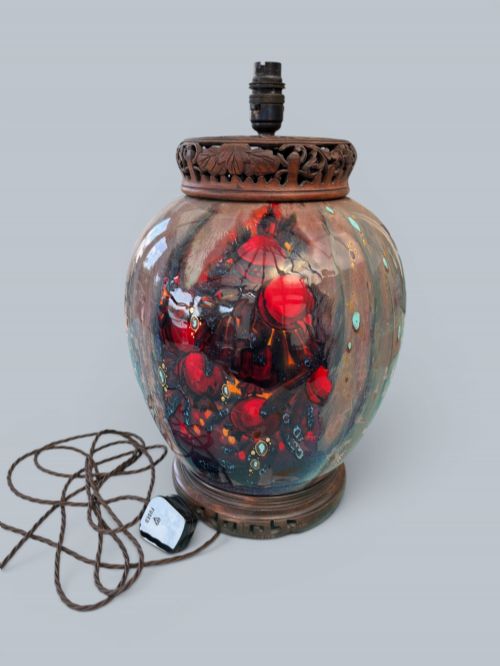
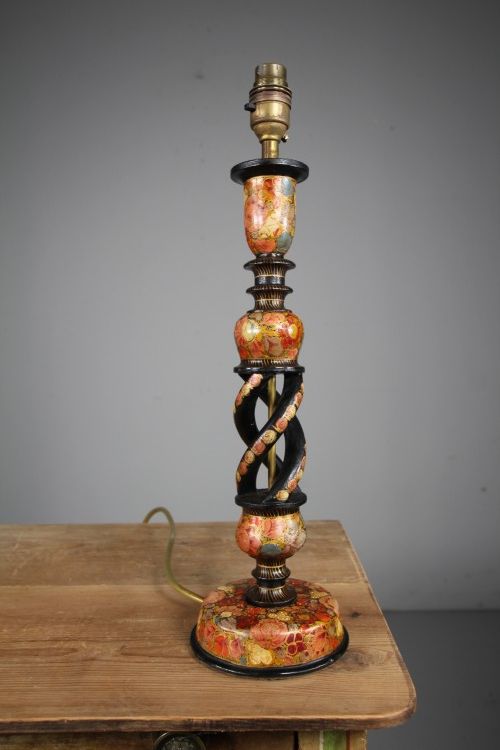
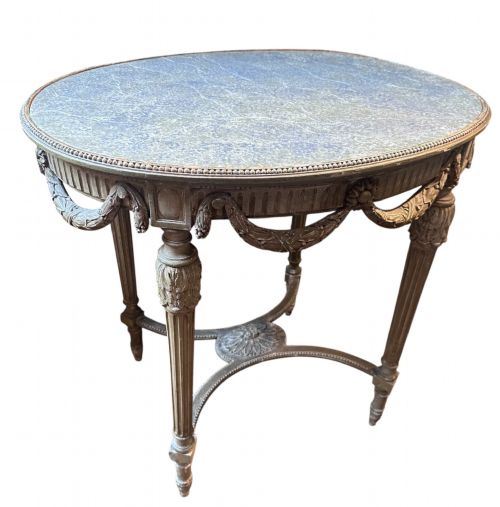
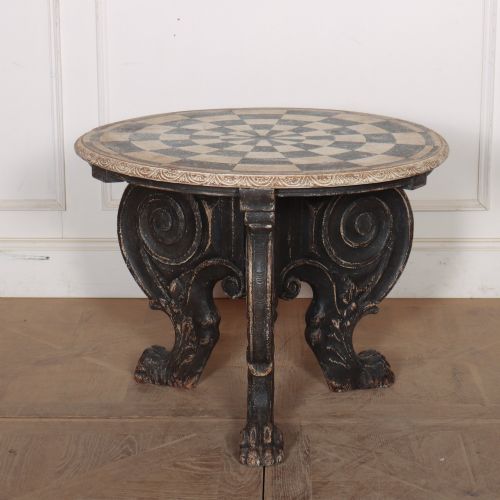
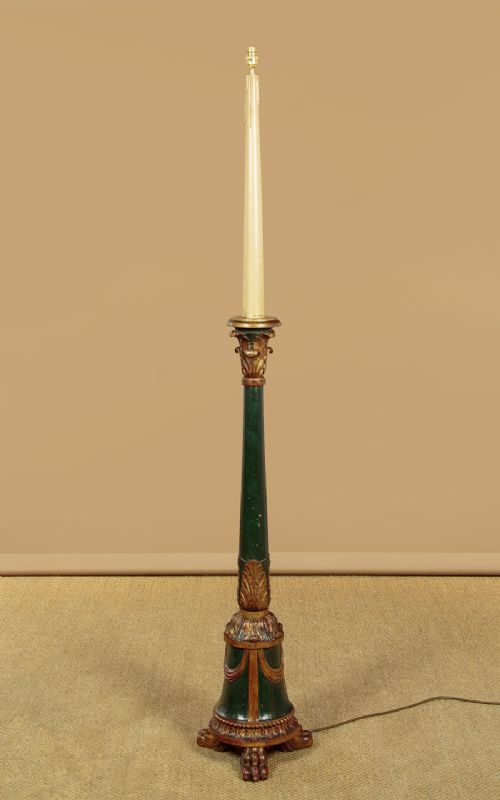
Carved painted lamps encompass a diverse range of lighting and small furniture adapted for illumination, spanning the nineteenth and early twentieth centuries. When searching for carved painted lamps, buyers encounter items such as standard lamps, floor-standing torcheres, and table-top lamps alongside lamp tables integrated with painted wood and gesso.
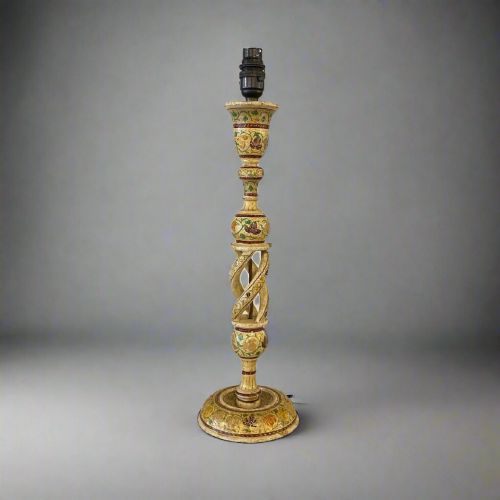
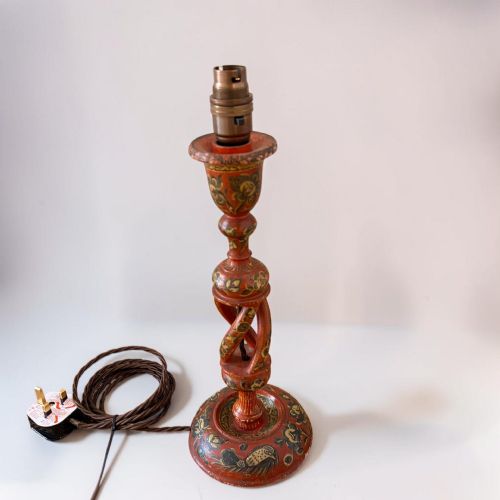
The selection on this page draws heavily from European and international traditions, featuring French provincial designs, Italian neoclassical and baroque influences, and Kashmiri twist forms. Pieces range from slender wooden standards finished in polychrome and gilt to side tables serving a dual purpose as lamp bases.
Dating primarily from the Victorian and Edwardian eras up to the nineteen-thirties, these objects reflect varied regional aesthetics from Sweden, Italy, France, and India. The forms bridge the gap between functional household lighting and decorative sculpture.
How they were made
Makers relied on solid woods such as oak, carved extensively to create classical motifs, twists, and figural elements. This timber foundation was then prepared with gesso layers to provide a smooth ground for decorative paint schemes.
Surface decoration frequently involved hand-painted polychrome details, parcel gilt highlights, and marble inserts. Brass fittings and porcelain elements like Famille Rose vases were also incorporated to elevate the visual richness of the lamps.
Carved Painted Lamps Retail Price Guide 2026
Typical asking prices for carved painted lamps among the pieces listed under this phrase on Sellingantiques today, from the lower quarter to the upper quarter. They describe what is for sale here now, not the wider market.
Some nineteenth-century Italian tables feature carved wooden dolphins supporting the top, proving that antique furniture designers occasionally indulged in whimsical marine biology.
What varies in quality
Quality in these pieces rests upon the crispness of the timber carving and the sophistication of the surface decoration. Hand-applied paintwork and subtle gilding demonstrate superior craftsmanship compared to plain or mechanically finished alternatives.
The integration of materials also dictates the standard of the piece, where stable marble tops, well-fitted brass components, and balanced proportions elevate a standard utility item into a refined decorative object.
The Carved Painted Lamps Glossary
- Gesso
- A plaster-like mixture applied to wood surfaces to provide a smooth base for painting and gilding. This traditional ground allows for sharp relief work and detailed ornamentation.
- Torchere
- A tall stand or floor lamp historically designed to hold a torch or candle, later adapted for electric illumination. These slender pieces often feature elaborate carved wooden shafts.
- Polychrome
- Decoration executed in multiple colours, often found on regional European and Kashmiri wooden items. It adds vibrant visual texture to carved surfaces.
- Parcel Gilt
- A technique where only specific raised portions of a carved wooden object are highlighted with gold leaf. This creates contrast against a painted or dark wood background.
- Gueridon
- A small French occasional table, frequently used historically as a candle stand or lamp support. These tables often exhibit neoclassical styling and painted finishes.
Carved Painted Lamps: Frequently Asked Questions
How do I date an old painted lamp?
Dating relies on examining the underlying wood construction, the style of the carving, and the composition of the paint and gesso layers. Clues often hide in the joinery and the specific regional aesthetic of the period.
Electrical components are rarely original, so focusing on the physical materials of the base provides the most reliable guide to age.
Are these lamps safe to use today?
Many antique lamps require rewiring to meet modern safety standards before regular daily use in a home. Professional rewiring ensures the internal components match current electrical regulations.
Retaining the original aesthetic while updating the wiring preserves both safety and historical charm.
Where should I place a standard lamp?
Standard lamps and torcheres suit corners of reception rooms or beside reading chairs where they cast ambient light downward. Their sculptural height adds vertical interest to an interior.
Pairing them with appropriate shades helps balance the visual weight of the carved wooden base.
How do I care for painted wood surfaces?
Maintenance involves gentle dusting with a soft, dry cloth to prevent dirt accumulation on delicate gesso and paintwork. Avoid harsh chemical cleaners that might strip the historic finishes.
Keeping pieces away from direct sunlight and excessive moisture protects the painted and gilt details from fading.