



Carved Oak Wall Display
These carved oak wall display pieces bring domestic storage and timber texture to a room, offering functional shelving that anchors an interior.
Carved Oak Wall Display
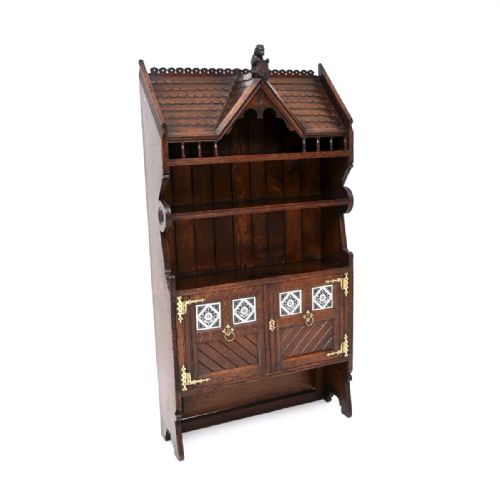
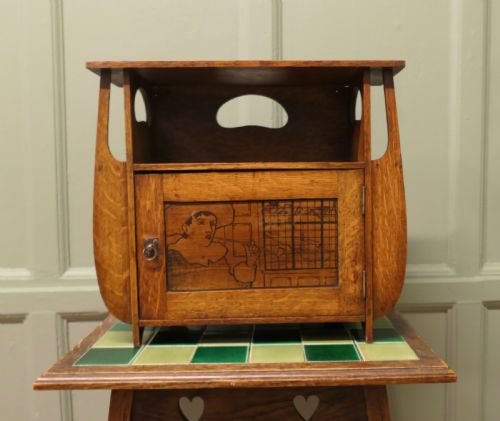
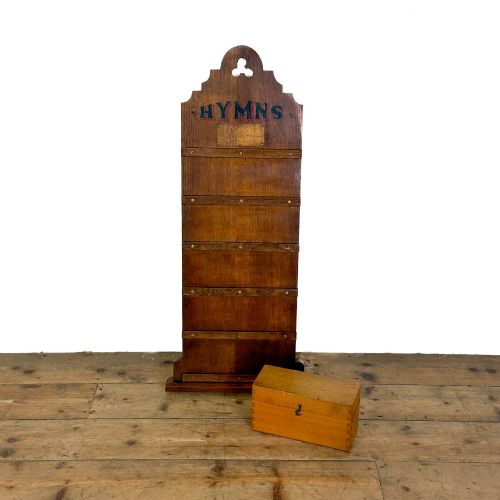
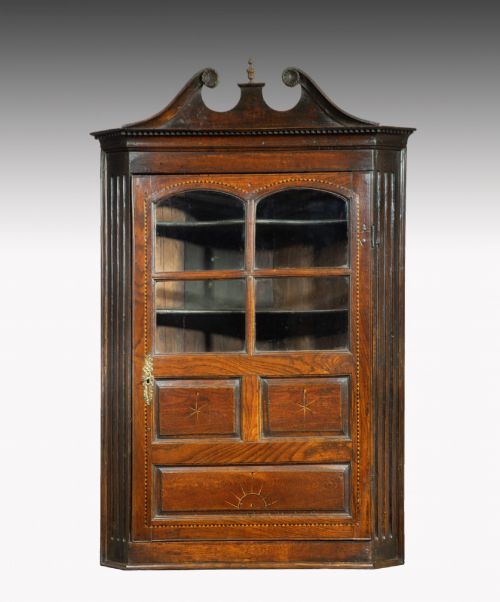
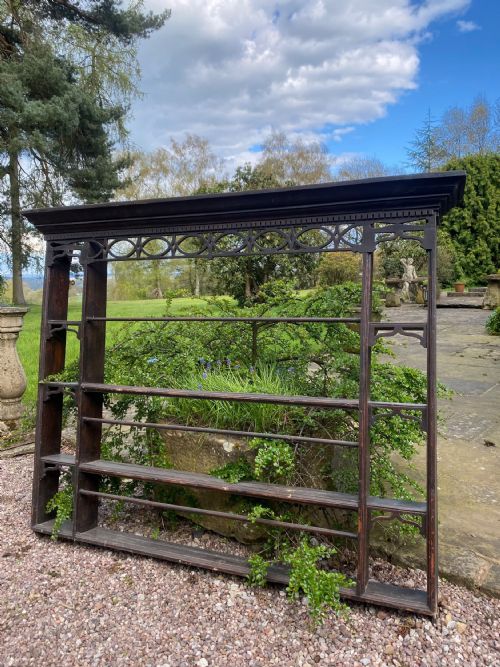
A carved oak wall display encompasses a range of hanging furniture designed to exhibit ceramics, spoons, books, and decorative objects in domestic spaces. When you search for carved oak wall display, you encounter plate racks, wall shelves, spoon racks, corner cabinets, and overmantel mirrors spanning several centuries. The material throughout these examples is predominantly oak, often paired with glass, brass, or iron elements, originating from seventeenth-century workshops through to early twentieth-century Arts and Crafts movements.
The versions most frequently met on this page are eighteenth-century plate racks and nineteenth-century wall shelves or hanging corner cupboards. These pieces reflect domestic habits of storing and showing tableware, ranging from simple country furniture to more formal Georgian and Victorian Gothic revival designs.
Materials and Construction
The construction relies heavily on solid oak timber, sometimes complemented by secondary woods like pine or beech, shaped using traditional joinery and hand-carving techniques. Carving appears in relief work, strapwork, and decorative mouldings characteristic of periods from seventeenth-century styles to Victorian Gothic revival.
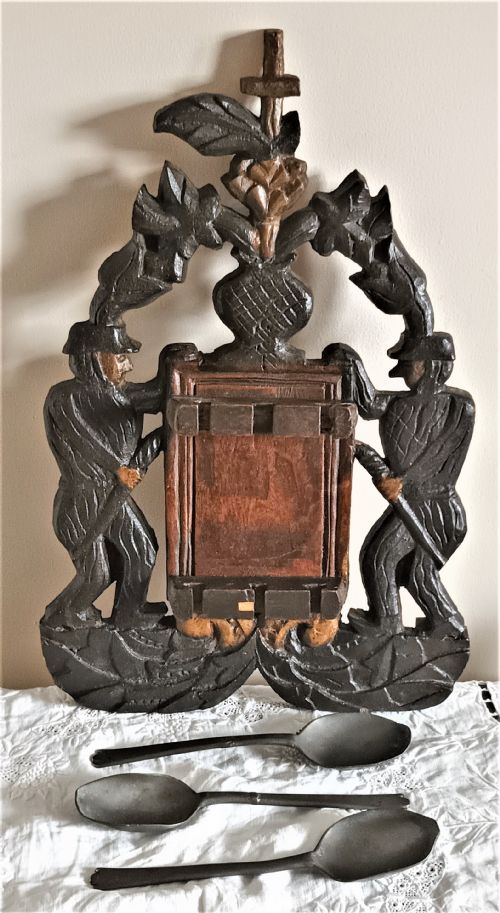
Hardware such as brass hinges, iron brackets, and pewter spoons frequently accompany these items, while glass panels feature in the doors of hanging wall cabinets and corner cupboards.
Carved Oak Wall Display Retail Price Guide 2026
Typical asking prices for carved oak wall display among the pieces listed under this phrase on Sellingantiques today, from the lower quarter to the upper quarter. They describe what is for sale here now, not the wider market.
Listings feature oak combined with brass, glass, iron, pewter, ceramic, and stained oak across multiple centuries.
Assessing Quality
Quality in these pieces rests upon the crispness of the hand-carving and the integrity of the timber joints used in the frame. Higher grades show thoughtful proportion, harmonious grain matching in the oak panels, and original brass or iron fittings that suit the period.
Simpler country pieces rely on robust vernacular construction, whereas Revival styles and Arts and Crafts examples demonstrate more deliberate artistic design in their brackets, shelves, and architectural cornices.
John Moyr Smith·Maple & Co
The Carved Oak Wall Display Glossary
- Plate rack
- A wall-mounted wooden frame designed to hold plates vertically on slatted tiers. These fixtures were common in domestic kitchens for drying and displaying ceramics.
- Spoon rack
- A narrow hanging wooden board featuring notched slots to display table spoons by their handles. They often preserve early pewter spoons within the slots.
- Corner cupboard
- A triangular cabinet built to fit into the corner of a room, saving floor space. They feature glazed or solid oak doors to store and display tableware.
- Gothic revival
- An architectural and decorative style drawing inspiration from medieval forms. It is marked by pointed arches, tracery, and heavy carved oak detailing.
- Arts and Crafts
- A design movement valuing hand craftsmanship and simple utility. Pieces from this tradition avoid excessive factory ornamentation in favour of honest timber construction.
Carved Oak Wall Display: Frequently Asked Questions
What is a carved oak wall display used for?
These pieces serve as functional wall storage for plates, books, spoons, and small decorative items. They keep everyday or special items visible and accessible while saving floor space in kitchens and living rooms.
Historically, items like plate racks and spoon racks held ceramics and cutlery close to the hearth or dining area for daily household use.
How do I hang a heavy oak wall cabinet?
Hanging a heavy timber cabinet safely requires locating wall studs and using appropriate steel brackets or fixings rated for the weight of solid oak and its contents. Professional installation ensures the cabinet remains secure against the wall.
Older pieces often feature original hanging loops or battens that must be inspected to ensure the timber around the fixings remains sound.
How can I tell a seventeenth-century piece from a Victorian copy?
Seventeenth-century oak displays typically exhibit hand- cleft timber, pegged mortise and tenon joints, and distinct tool marks left by pit saws and adzes. The carving is usually deeper and less uniform than later revival work.
Victorian Gothic revival and later copies often utilise machine-sawn boards, standard modern screws, and more stylised, repetitive machine routing in the decoration.
How do I care for antique oak furniture?
Maintenance involves dusting with a dry or slightly damp cloth and occasionally applying a traditional beeswax to nourish the dry timber. Avoid placing oak displays in direct sunlight or near sudden heat sources that cause the wood to split.
Keeping the environment stable protects the historic joints and prevents the brass and iron hardware from corroding.