
Carved Oak Timber Seating
These carved oak timber seating pieces bring solid craftsmanship and historical presence straight into a room.
Carved Oak Timber Seating
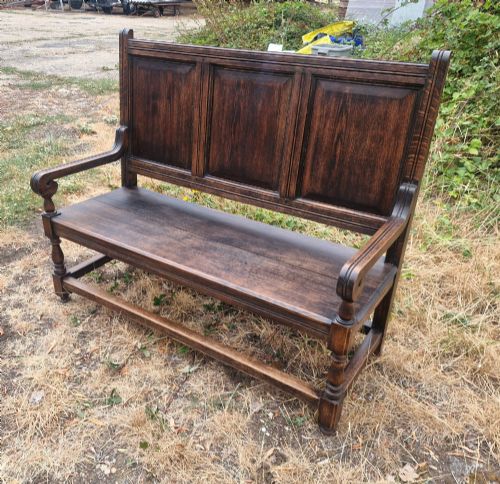
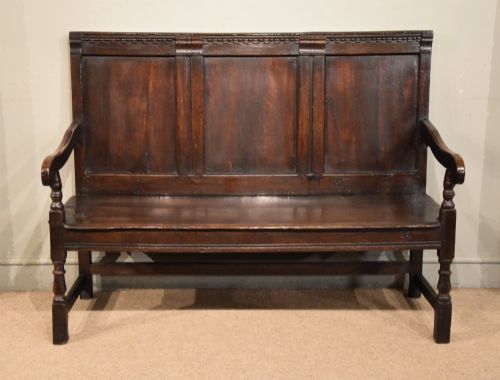
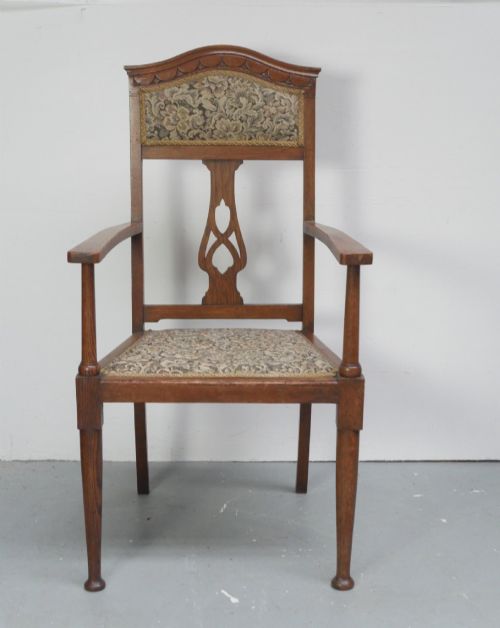
Carved oak timber seating encompasses solid wood furniture pieces designed for everyday use, ranging from robust settles to formal hall chairs. When exploring carved oak timber seating, the most frequent encounters involve Victorian and Edwardian examples built with heavy boards and carved details.
The selections span distinct historical eras, including seventeenth-century wainscot forms, eighteenth-century country settles, and nineteenth-century Gothic Revival benches. These items function as practical furniture while displaying traditional woodworking methods across domestic spaces.
Materials and Construction
Makers relied principally on solid oak, supplemented by elm, beech, fruitwood, and other hardwoods for specific structural components. Timber panels were frequently joined using traditional methods and reinforced with brass fittings where necessary.
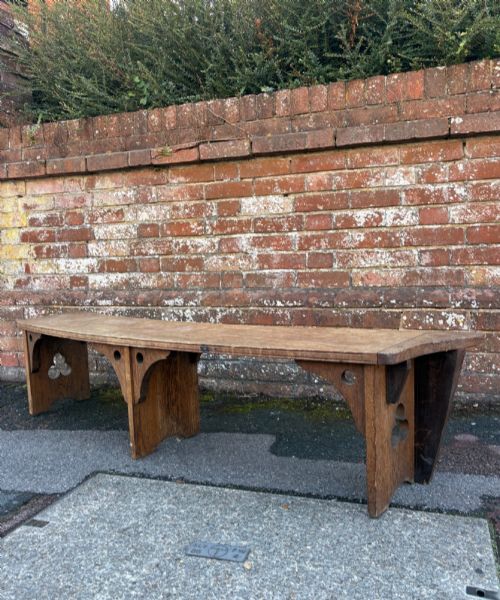
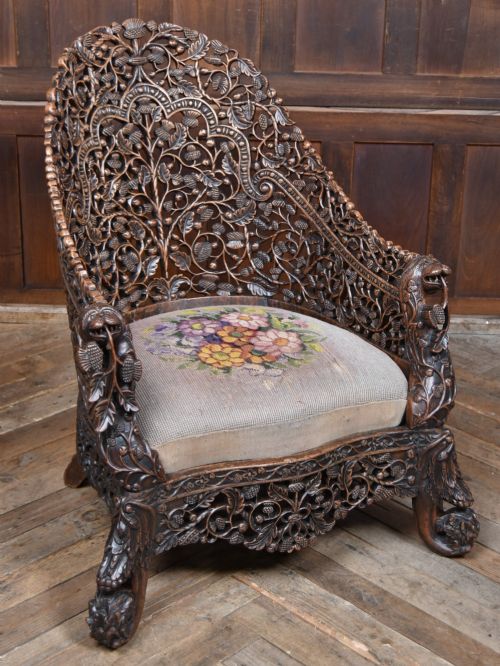
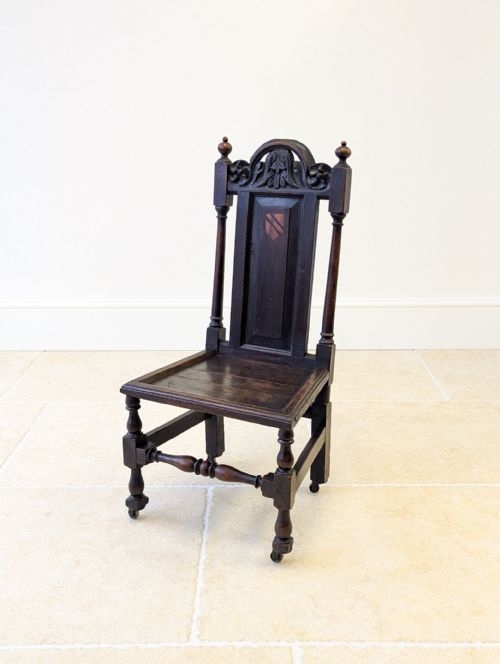
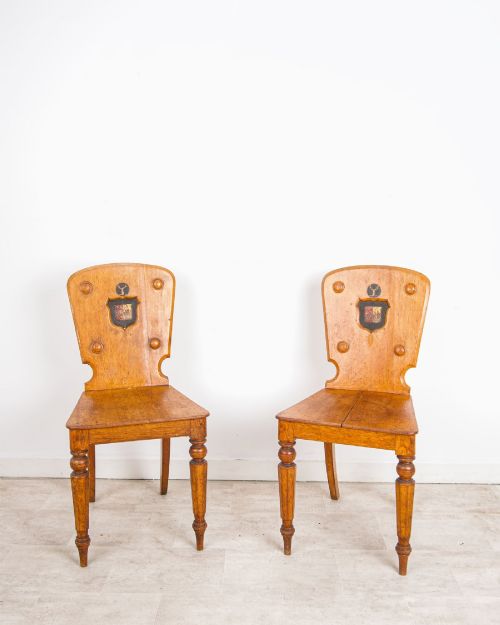
Carving was executed directly into the dense wood grain, producing relief patterns, heraldic shields, and trefoil details. Surfaces were shaped by hand tools, leaving subtle marks that distinguish vernacular items from workshop production.
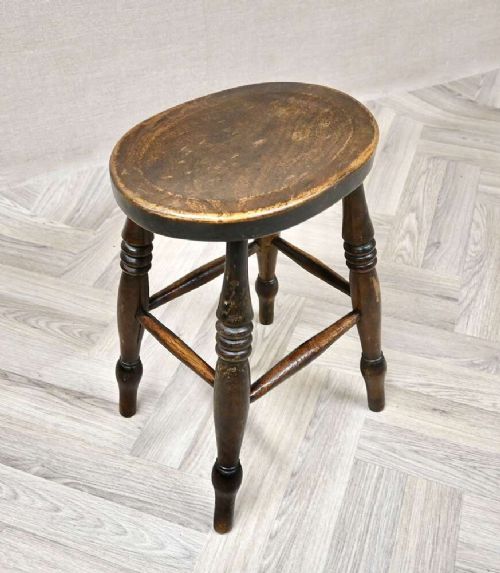
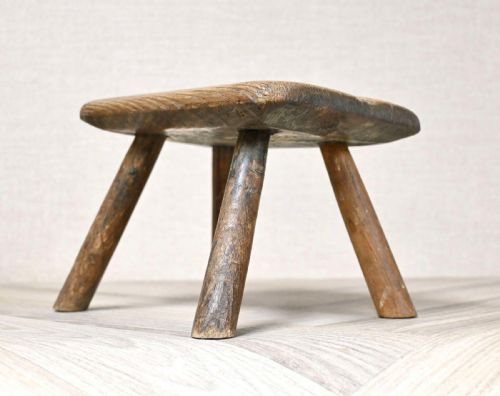
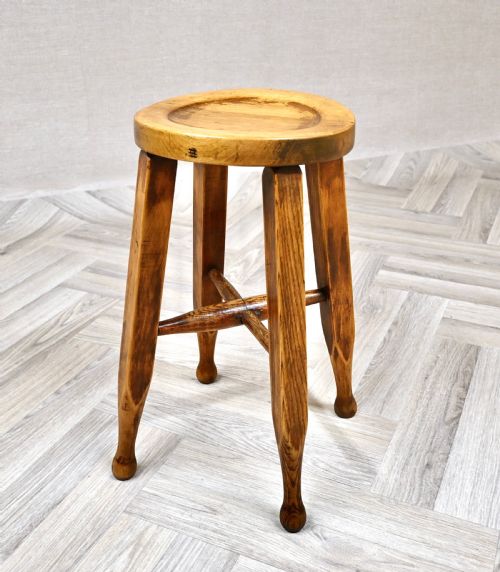
One remarkably honest antique milking stool manages to stand firmly on just a single leg.
Assessing Craftsmanship and Condition
Quality rests in the integrity of the timber selection and the crispness of the hand-carved ornamentation. Pieces featuring thick, unwarped oak boards and deeply carved structural supports demonstrate superior workshop standards.
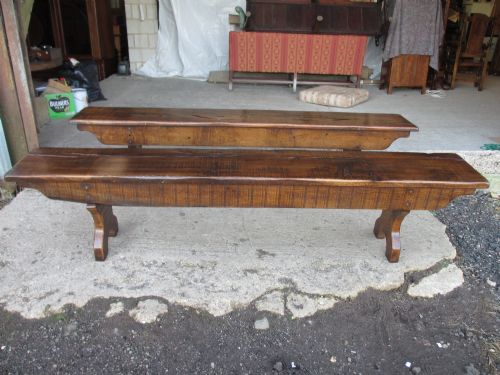
The degree of original surface patination and the tightness of historical joinery also divide ordinary items from exceptional examples. Substantial benches with intact structural elements command greater attention than heavily restored equivalents.
The Carved Oak Timber Seating Glossary
- Settle
- A high-backed wooden bench with solid arms and often a storage compartment beneath the seat. These heavy seats were traditionally placed near hearths to block drafts.
- Wainscot chair
- An early wooden armchair constructed with panelled backboards and turned legs. This formal seating type dates back to sixteenth and seventeenth-century domestic interiors.
- Gothic Revival
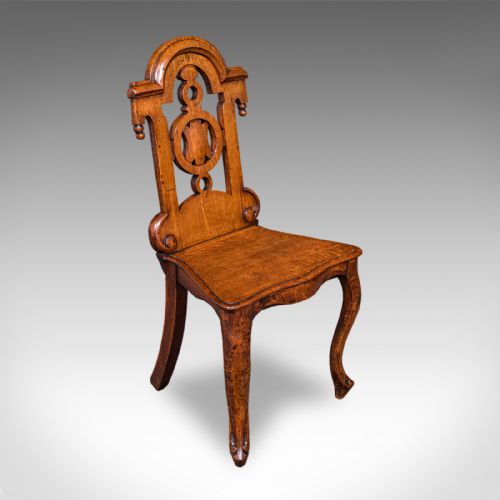
- A nineteenth-century architectural and decorative style that reinterprets medieval pointed arches, trefoils, and tracery. Furniture from this movement incorporates heavy structural carving.
- Trefoil
- A decorative three-lobed shape resembling a clover leaf, commonly pierced or carved into nineteenth-century chair backs and bench supports.
- Vernacular furniture
- Items made by local craftsmen for everyday domestic use rather than following strict high-style London fashions. These pieces often display regional idiosyncrasies.
Carved Oak Timber Seating: Frequently Asked Questions
How do I identify a Gothic Revival chair?
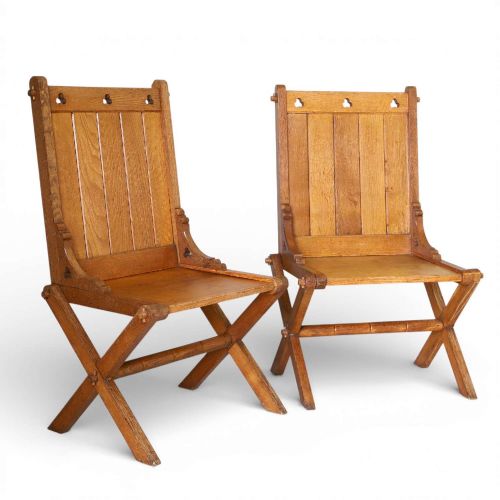
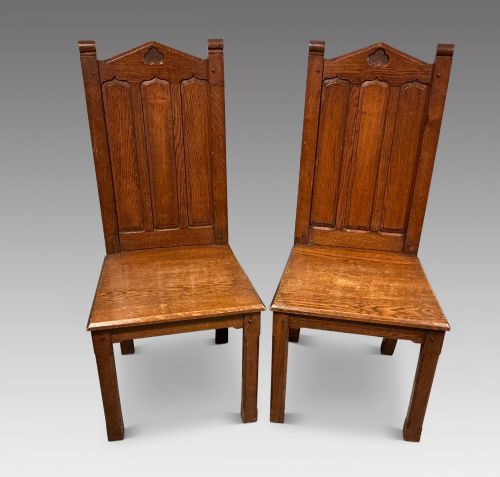
Gothic Revival pieces display architectural motifs borrowed from medieval churches, such as pointed arches, trefoil cut-outs, and heavy chamfered framing. Makers during the Victorian era adopted these elements to give domestic seating an ecclesiastical gravity.
Look for heraldic carving, stiff geometric lines, and solid oak construction that mimics ancient stonework in timber.
Where should I place a heavy oak hall seat?
These robust seats suit entrance halls, boot rooms, and wide corridors where their substantial timber frames can anchor the room. Their original purpose was to provide sturdy seating for visitors waiting in draughty foyers.
Ensure the floor space is level and capable of supporting dense hardwood furniture without rocking.
Are these chairs comfortable for daily use?
Early wooden seating was built for upright posture rather than relaxed lounging, featuring rigid timber backs and solid plank seats. Adding loose squab cushions can soften the seating surface for modern living.
Their primary appeal lies in sculptural presence and durable construction rather than plush ergonomics.