



Carved Oak Sofa
A carved oak sofa brings substantial timber character and historic seating presence into a room, spanning nineteenth-century styles up to the nineteen-thirties.
Carved Oak Sofa
A carved oak sofa search encompasses solid timber seating frames shaped with traditional relief work, often appearing alongside related settle and hall seat forms in the listings. These pieces emerge from periods spanning the Victorian era through to the nineteen-thirties, reflecting diverse historical revivals.
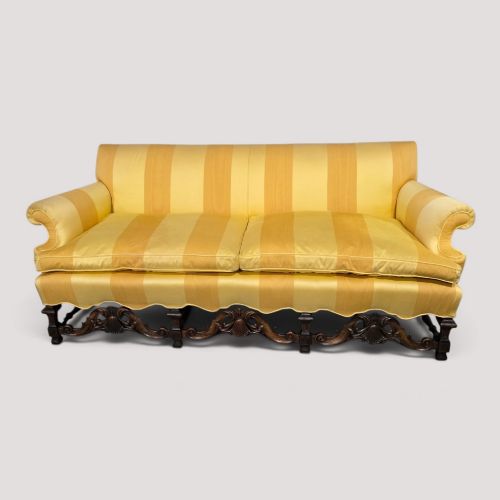
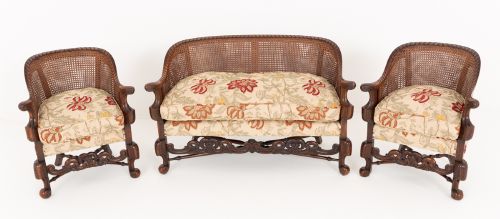
Buyers encountering this category will find sturdy wooden frameworks integrated with upholstered elements or cane panels, demonstrating the enduring appeal of heavy timber in domestic seating. The physical evidence shows these items grouped with styles like Carolean and Arts and Crafts.
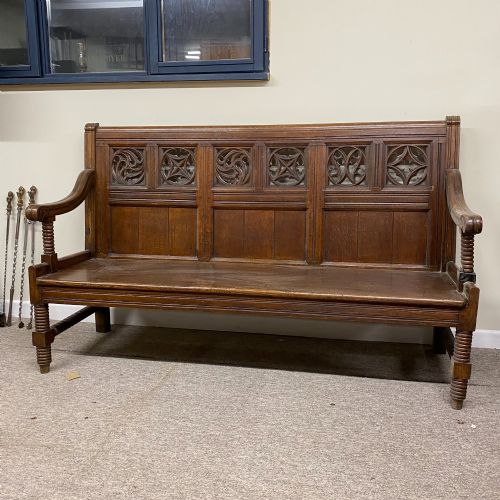
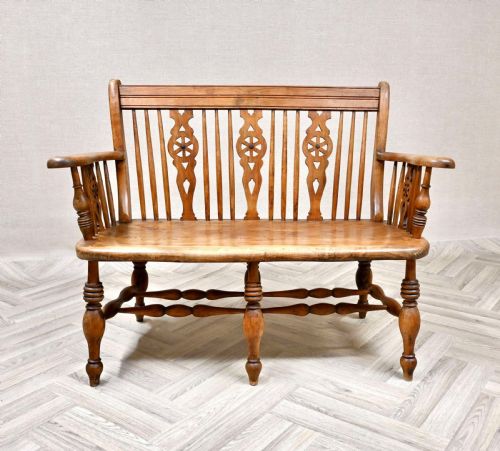
The selection ranges from high-back architectural settees to solid oak framed daybeds and upholstered benches, showing how cabinetmakers adapted heavy timber for parlour and hallway use. Each piece relies on substantial framing to support the deep relief carving characteristic of the genre.
Assessing quality and execution
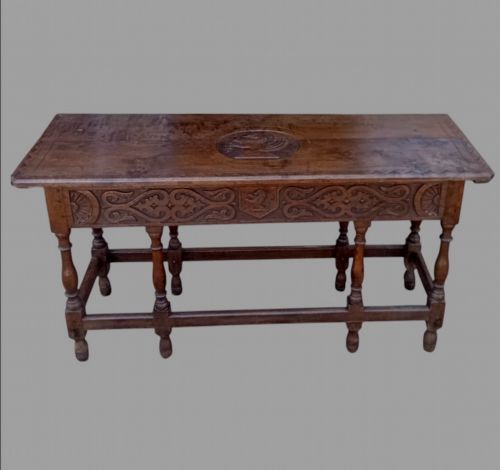
Quality in these seating pieces rests upon the crispness and depth of the timber carving, distinguishing master-carved relief work from mechanical or shallow replication. The choice of wood grain significantly influences the visual weight, with select pieces utilising highly figured burr or pollard oak across expansive surfaces.
Structural integrity depends on the original soundness of the oak frame and the retention of tight joinery despite centuries of atmospheric change. Finer examples maintain harmonious proportions between the heavy timber structure and the decorative carved elements without appearing overly cumbersome.
Carved Oak Sofa Retail Price Guide 2026
Typical asking prices for carved oak sofa among the pieces listed under this phrase on Sellingantiques today, from the lower quarter to the upper quarter. They describe what is for sale here now, not the wider market.
Some nineteenth-century makers borrowed seventeenth-century design notes so convincingly that even the oak itself seems to have forgotten the calendar.
James Winter and Sons
The Carved Oak Sofa Glossary
- Carolean style
- A late seventeenth-century design revival characterised by rich scrolling foliage, crown motifs, and high pierced crest rails. This aesthetic heavily influences the carved wooden frames found on nineteenth-century settees.
- Settle
- A high-backed wooden bench featuring solid arms and often a storage box beneath the seat. These architectural pieces provide sturdy seating in hallways and living spaces.
- Burr oak
- A growth deformity in the timber that produces intricate, swirling grain patterns. Cabinetmakers prize this material for creating decorative veneer panels on furniture surfaces.
- Arts and Crafts
- A design movement prioritising traditional handcraftsmanship and simple structural honesty over industrial mass production. Pieces from this tradition emphasise the natural texture of the oak.
- Refectory
- A long, narrow table style traditionally used in communal dining halls. The term occasionally describes the linear proportions applied to related furniture forms.
Carved Oak Sofa: Frequently Asked Questions
What periods do these oak sofas date from?
The listings predominantly feature nineteenth-century interpretations alongside Edwardian and early twentieth-century examples up to nineteen-thirty. Many of these pieces draw aesthetic inspiration from much older seventeenth-century designs.
Makers during the Victorian and Edwardian eras frequently utilised historic revivals to create substantial domestic seating with traditional aesthetic weight.
How do I care for solid oak frames?
Solid oak requires stable indoor humidity levels to prevent the timber from drying out or splitting over time. Regular dusting with a dry cloth and occasional application of appropriate beeswax preserves the natural finish.
Avoid placing these wooden frames near direct heat sources or in prolonged direct sunlight to protect the integrity of the timber and any attached leather or fabric.
Are these seats comfortable for daily use?
Comfort levels vary depending on whether the piece relies entirely on solid wood support or incorporates upholstered cushions and leather seating pads. Many surviving examples feature supportive high backs designed for upright posture.
Upholstered sections often use traditional stuffing methods that provide a firmer sit compared to modern foam-filled furniture.