




Carved Oak Mirror Vanity
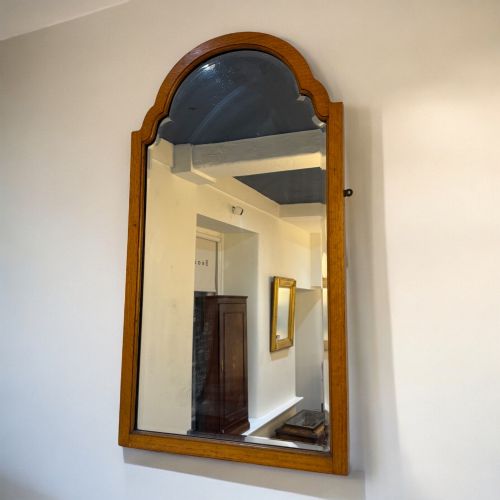
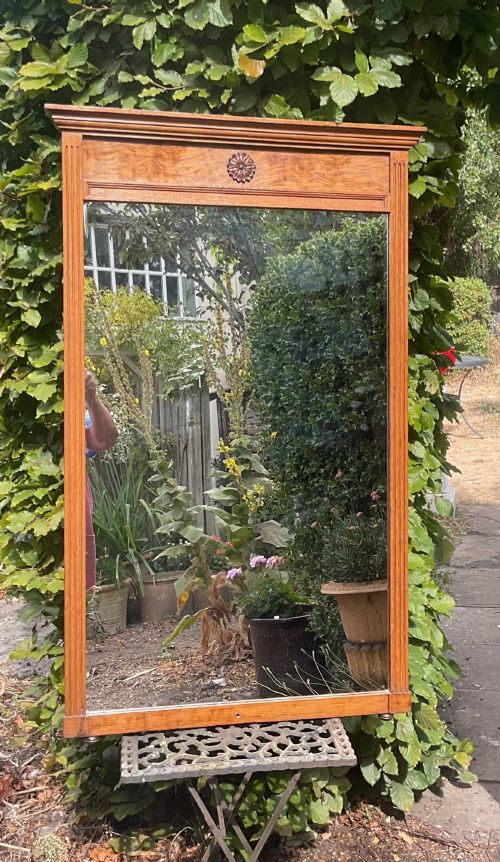
These carved oak mirror vanity pieces bring solid timber and carved detail to the bedroom, offering practical reflection alongside period character.
Carved Oak Mirror Vanity
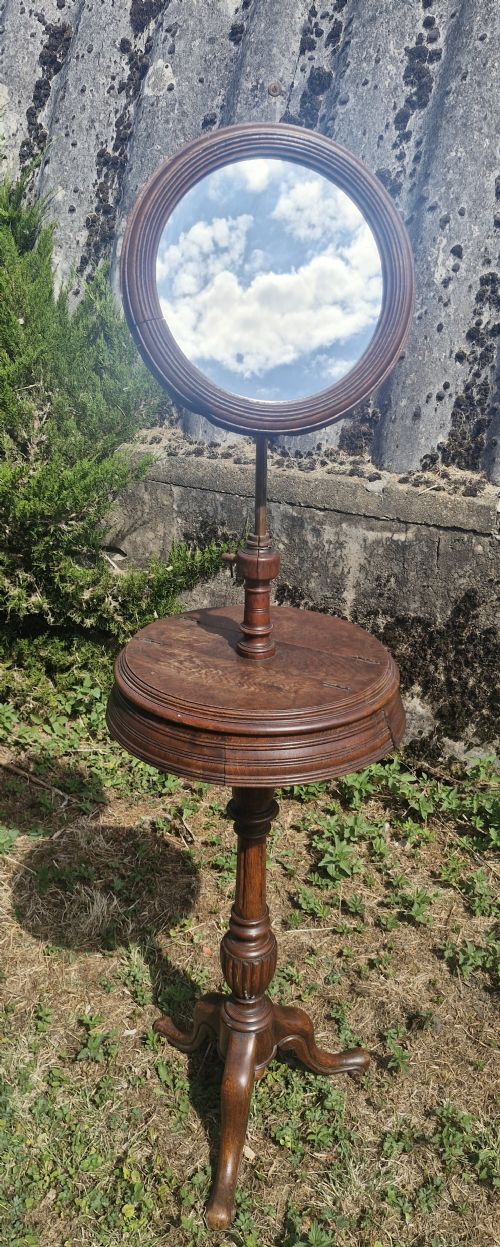
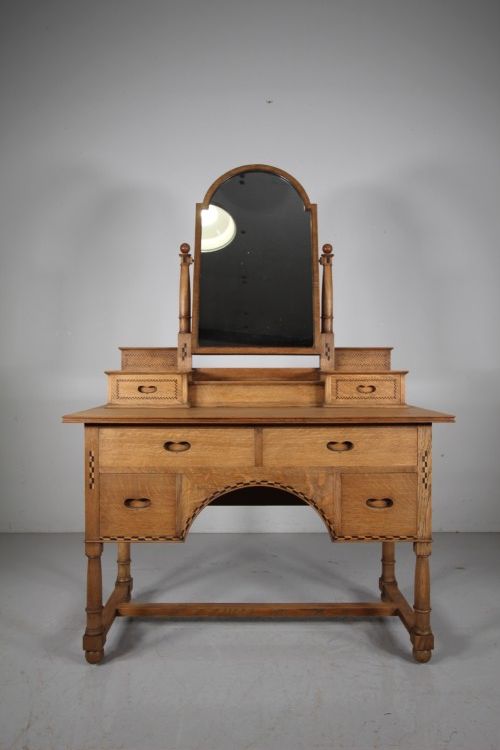
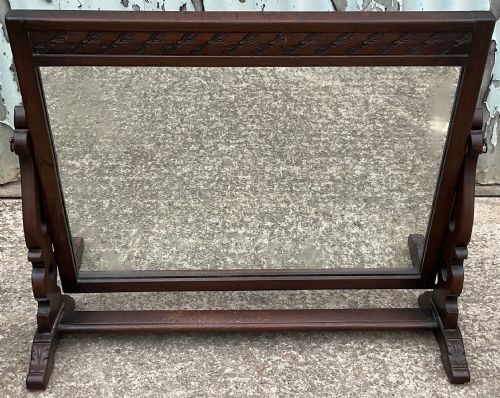
When you search for a carved oak mirror vanity, you are looking at items designed for the dressing room and bedroom, spanning dressing tables, washstands, and adjustable toilet mirrors. The selection you encounter here ranges from late Victorian and Edwardian examples to later Arts and Crafts and Art Deco interpretations, often featuring bevel-edged glass and swing frames.
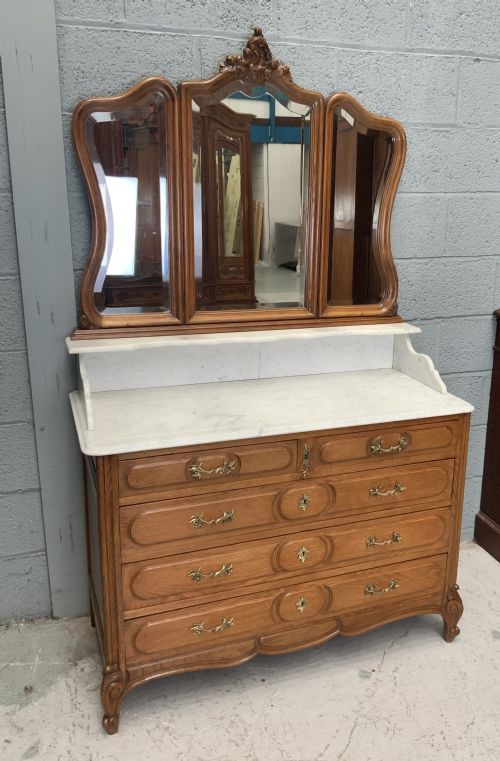
Forms vary from compact table mirrors and shaving stands to large dressing chests and complete bedroom suites in solid oak. You will find items influenced by Queen Anne, Carolean, and Rococo Revival styles alongside cleaner Arts and Crafts lines, showing how makers adapted historical motifs for domestic use.
The materials and construction reflect the utilitarian elegance of their respective decades, utilising brass fittings, marble tops, and wood inlay to complement the primary timber. These pieces served as the centrepiece of the Victorian and Edwardian dressing routine, combining storage and grooming in a single item.
How they were made
Makers relied primarily on solid oak, utilising its dense grain to support deep hand-carving and structural joinery. Surfaces were often enhanced with marquetry inlay or paired with brass hardware and bevel-edged mirror glass.
Adjustable mechanisms on toilet mirrors and shaving stands relied on sturdy pivots and brass screw brackets to allow movement. Washstands frequently incorporated inset marble tops and tiled splashbacks to withstand daily bathroom use.
Stylistic details such as barley twist turned legs, carved panels, and shaped crests were worked directly into the timber frame. Construction methods included dovetailed drawers and panelled backs, ensuring durability across decades of daily use.
Carved Oak Mirror Vanity Retail Price Guide 2026
Typical asking prices for carved oak mirror vanity among the pieces listed under this phrase on Sellingantiques today, from the lower quarter to the upper quarter. They describe what is for sale here now, not the wider market.
Primary materials include solid oak and glass, complemented by brass, marble, copper, walnut, and wood inlay.
What varies in quality
The distinction between standard production and finer execution lies in the crispness of the hand-carving and the choice of secondary timbers. Pieces bearing maker labels or attributed to established workshops demonstrate superior joinery and attention to proportion.
Heals·Shapland and Petter·Arnott and Co Dublin
The Carved Oak Mirror Vanity Glossary
- Bevel edge
- A sloping edge cut around the perimeter of the mirror glass. This traditional technique catches the light and denotes finer mirror plates.
- Shaving stand
- A specialised vanity piece incorporating an adjustable mirror, small shelf space, and often a basin or drawer for grooming equipment.
- Marquetry
- Decorative patterns formed by the insertion of contrasting veneers into the timber surface. It appears on select drawer fronts and panels.
- Arts and Crafts
- A design movement emphasising handcraftsmanship, simple structural honesty, and natural materials. Pieces from this tradition often feature exposed joinery and minimal ornamentation.
- Swing mirror
- A mirror plate mounted on pivots between two upright posts, allowing the glass to tilt to the desired angle.
Carved Oak Mirror Vanity: Frequently Asked Questions
How do I date a carved oak dressing mirror?
Dating relies on stylistic clues, hardware, and construction methods. Victorian and Edwardian pieces often display heavier carving or Arts and Crafts simplicity, whereas 1930s examples lean towards geometric Art Deco lines.
Examine the mirror glass, backing boards, and screw types for further indication of period manufacture. Original bevel edges and brass fixtures help anchor the piece to a specific decade.
Are the mirror plates original?
Many pieces retain their original glass, which can exhibit light foxing or spotting due to age. This silver degradation is normal for antique mirrors and confirms period authenticity.
Replacement glass is sometimes fitted when the original has deteriorated beyond use. Inspecting the silvering at the back of the plate provides clarity on its age.
How do I care for antique oak furniture?
Maintain the timber by applying a quality beeswax polish periodically to nourish the grain and protect the finish. Avoid placing the piece in direct sunlight or near heat sources to prevent wood splitting.
Use a soft, dry cloth for dusting and keep marble or brass elements clean with appropriate non-abrasive solutions.
What is the difference between a dressing table and a washstand?
A dressing table is designed for grooming and personal care, typically featuring drawers for cosmetics and a fixed or adjustable mirror. A washstand is built for personal hygiene, often incorporating a marble top and tile splashback to handle water.
While both belong to the bedroom suite, their surface materials and internal layouts reflect their distinct original functions.