


Carved Oak Low Seat
A carved oak low seat brings solid timber and compact proportion into a room, offering a functional piece built to last.
Carved Oak Low Seat
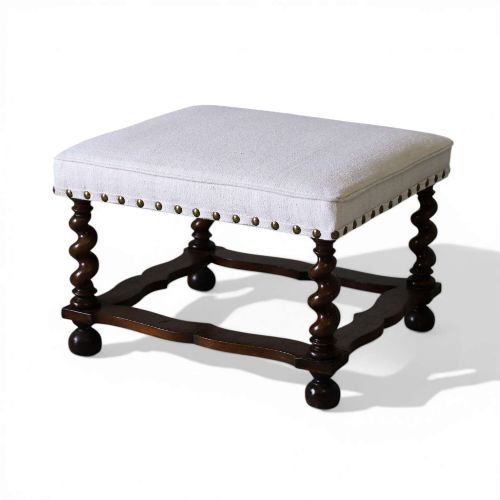
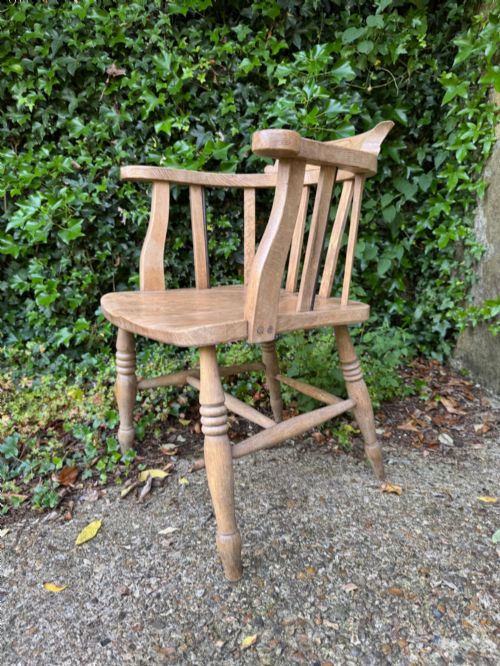
A carved oak low seat encompasses stools, footstools, slipper chairs, and low chairs produced across various periods including the eighteenth, nineteenth, and early twentieth centuries. These forms serve practical seating and resting functions while displaying traditional craftsmanship.
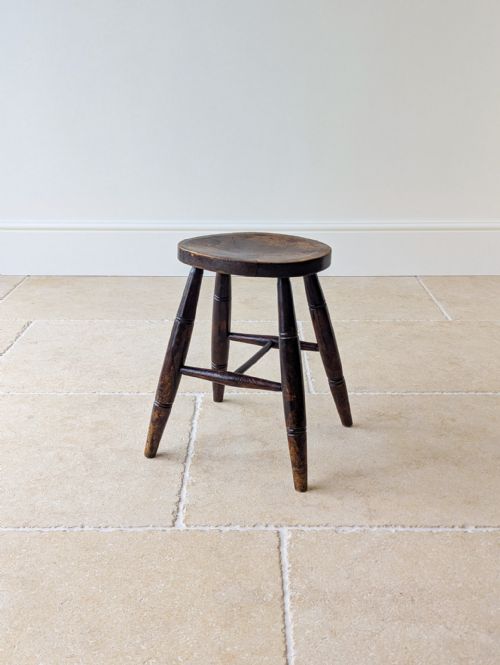
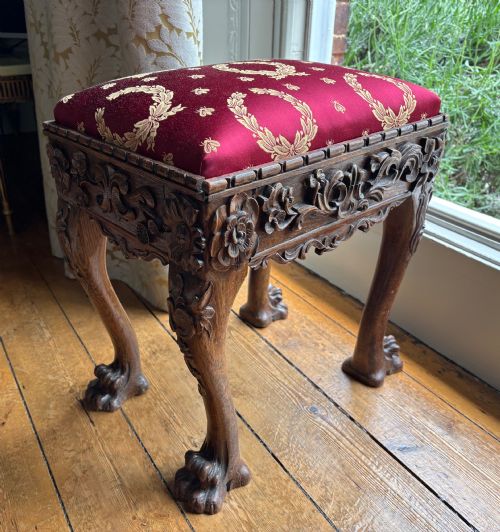
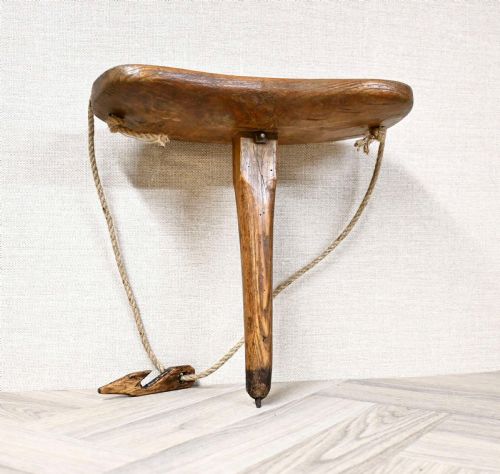
The pieces appearing on this page range from rustic country milking stools and joint stools to more formal revival styles such as Chippendale and William and Mary. Oak forms the primary material, often combined with fabric, brass, iron, or elm.
Origins span English country workshops to continental examples like Batavian baroque stools and French designs. Buyers encounter both simple utilitarian forms and heavily carved decorative pieces featuring lion heads or geometric patterns.
Assessing quality and craftsmanship
Quality rests on the integrity of the timber selection and the precision of the joinery rather than mere age. Denser oak and stable construction separate robust everyday seating from lighter or more fragile decorative items.
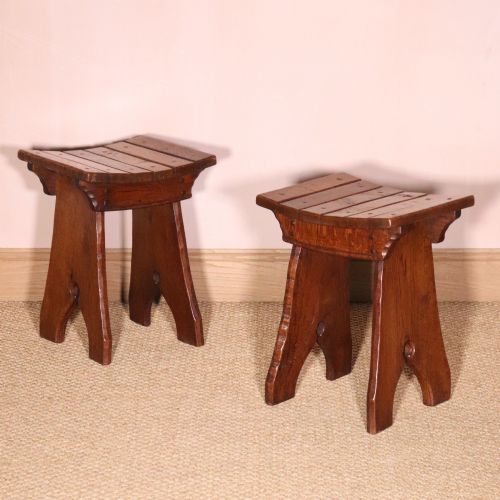
The depth and execution of the carving dictate the visual distinction of a piece. Crisp, purposeful chisel work on structural members elevates an object far above routine production.
Listings feature oak, fabric, brass, and iron across Victorian, Edwardian, and eighteenth-century periods.
Jack Grimble·David Oakleafman Langstaff
The Carved Oak Low Seat Glossary
- Joint stool
- A sturdy wooden stool constructed with mortise and tenon joints rather than turned legs driven into a seat. These sturdy items date back centuries and served various domestic purposes.
- Barley-sugar twist
- A spiral turning technique resembling a twist of confectionery, often found on the legs or stretchers of seventeenth and eighteenth-century furniture. This decorative flourish adds movement to heavy timber frames.
- Slipper chair
- A low-set upholstered chair traditionally used in a bedroom for putting on shoes or garments. The low centre of gravity provides stability and comfort.
- Oyster veneer
- Slices of branch wood cut across the annual growth rings to produce circular or oval patterns resembling oyster shells. This technique creates decorative surfaces on stretchers and panels.
- Dresser base
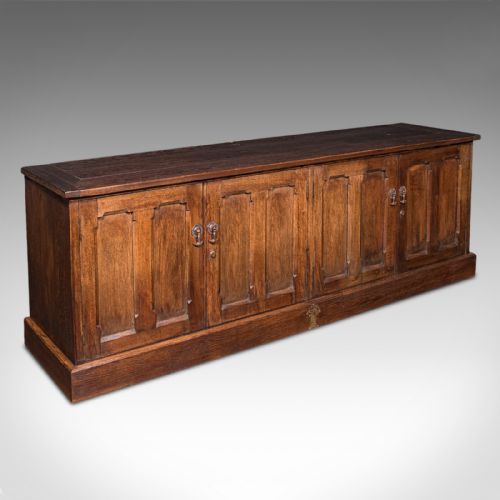
- A low wooden storage unit featuring drawers and cupboards, sometimes adapted as a window seat. These substantial pieces anchor a room with functional storage.
Carved Oak Low Seat: Frequently Asked Questions
What is a low country stool?
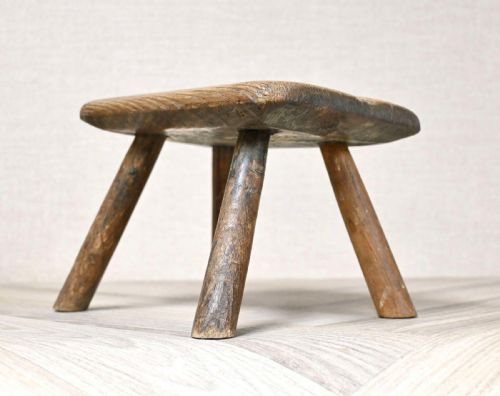
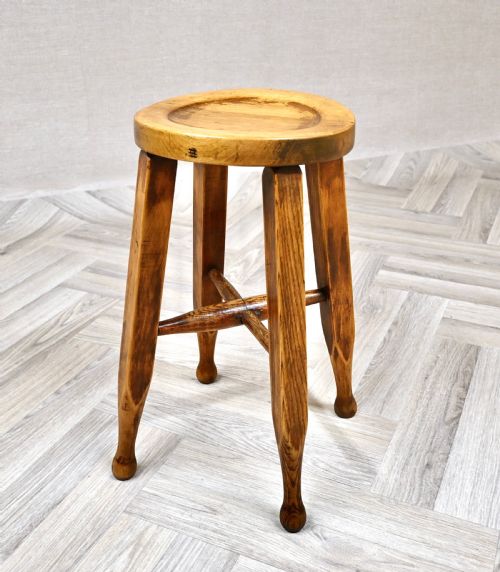
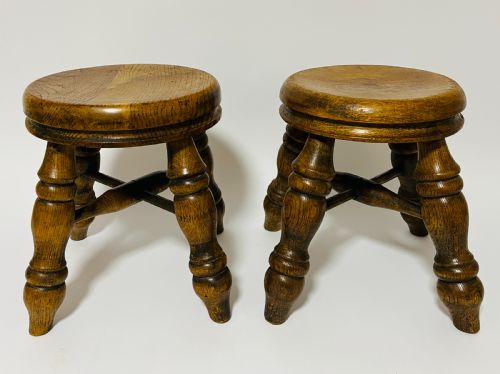
A low country stool is a simple, utilitarian wooden seat produced for rural domestic use. These pieces prioritise robust construction and utility over ornate decoration.
They typically feature sturdy oak or elm legs pegged directly into a thick wooden seat, reflecting traditional regional woodworking methods.
How do I date a carved oak seat?
Dating relies on examining the joinery methods, tool marks, and stylistic clues present in the timber. Hand-cut pegs, adze marks, and specific revival motifs point towards particular eras.
Comparing the turning style and carving depth with documented historical periods helps narrow down the probable decade of manufacture.
Where should I place a low seat?
These compact seats fit well in hallways, beside fireplaces, or at the foot of a bed where extra seating is useful without blocking views. Their low profile makes them practical for incidental use.
They also function effectively as plant stands or bedside surfaces when not occupied as seating.
Are these seats comfortable?
Comfort varies significantly between solid wood styles and upholstered variants like slipper chairs or padded stools. Wooden tops offer firm, upright support suited for short tasks.
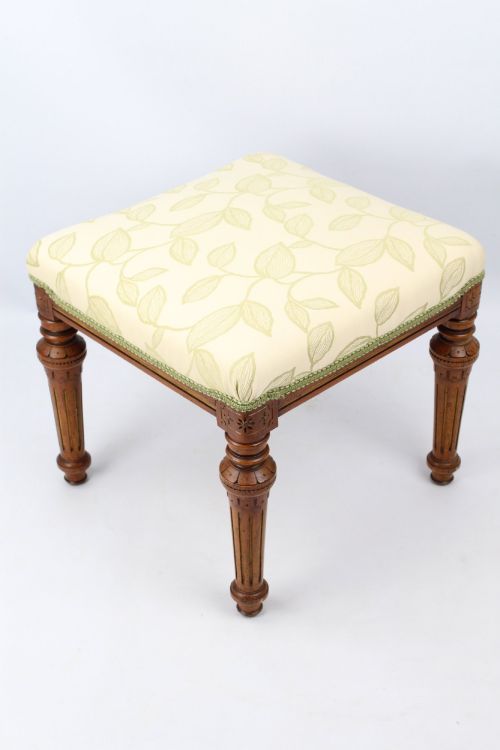
Upholstered versions provide softer cushioning while retaining the low proportions characteristic of the category.