


Carved Oak Hallway Server
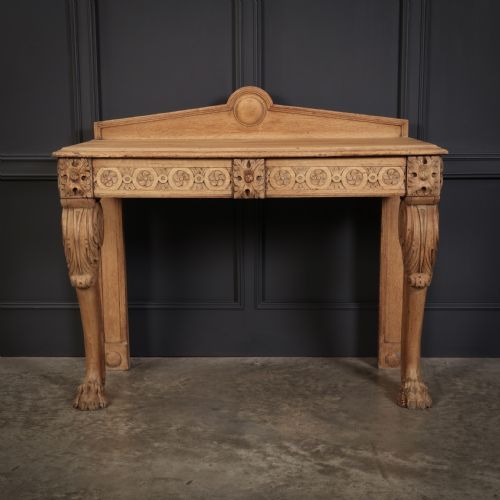
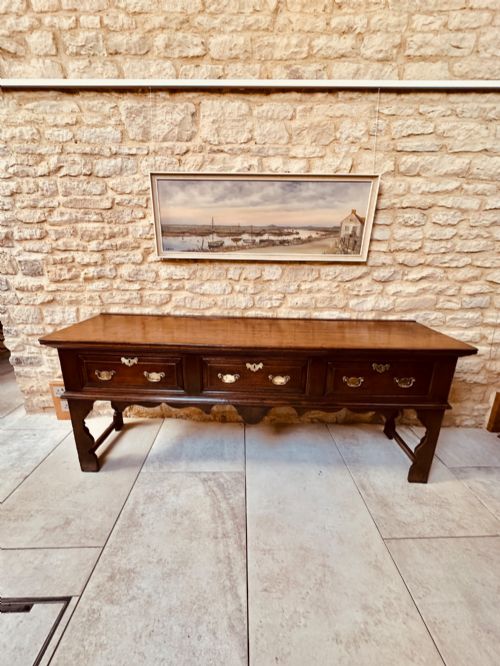
A carved oak hallway server brings solid timber, historic carving and practical surface space directly into an entrance space.
Carved Oak Hallway Server
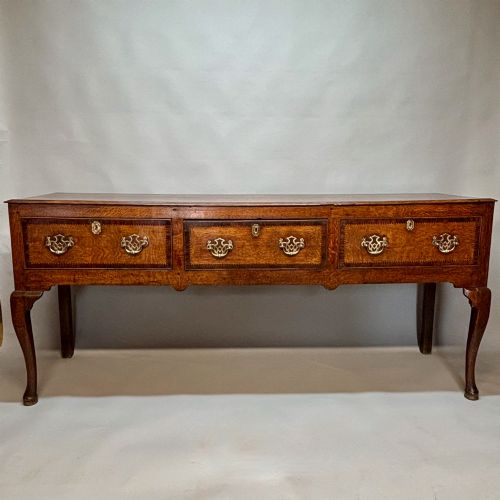
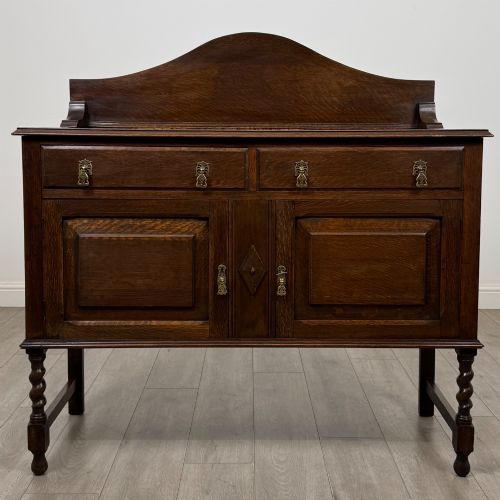
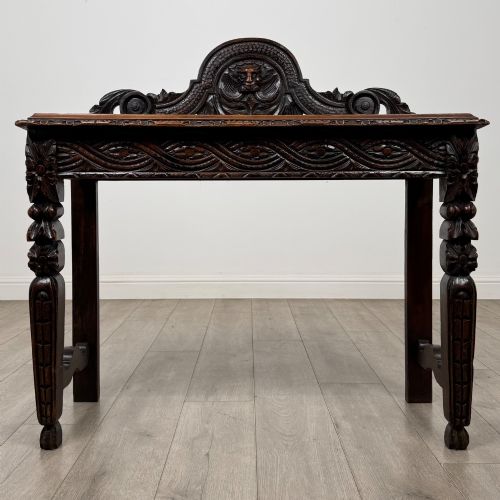
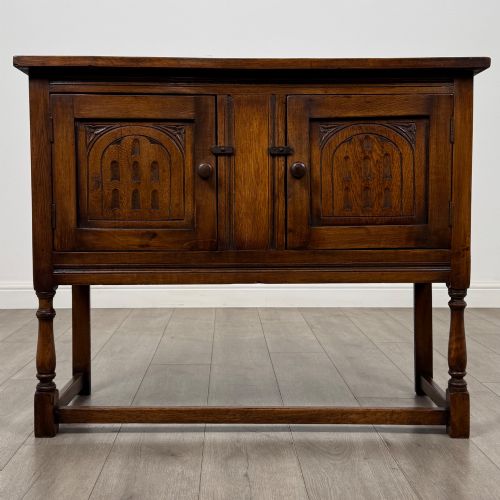
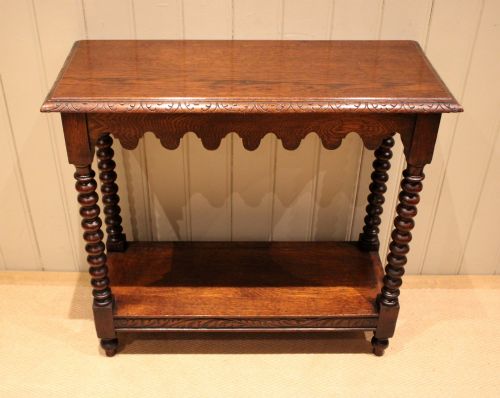
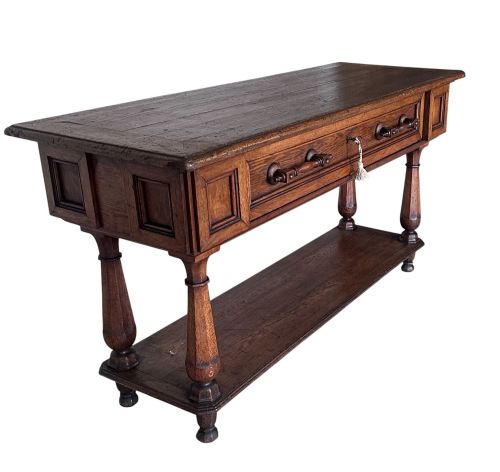
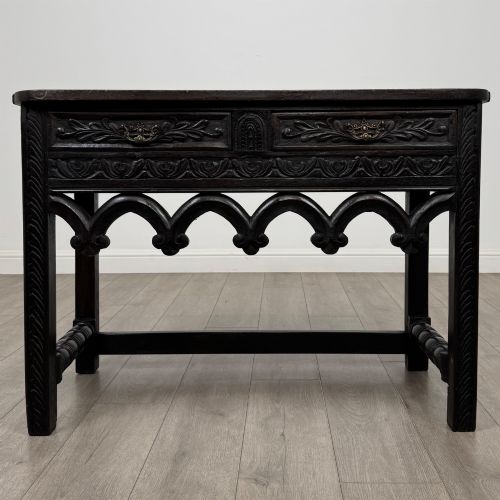
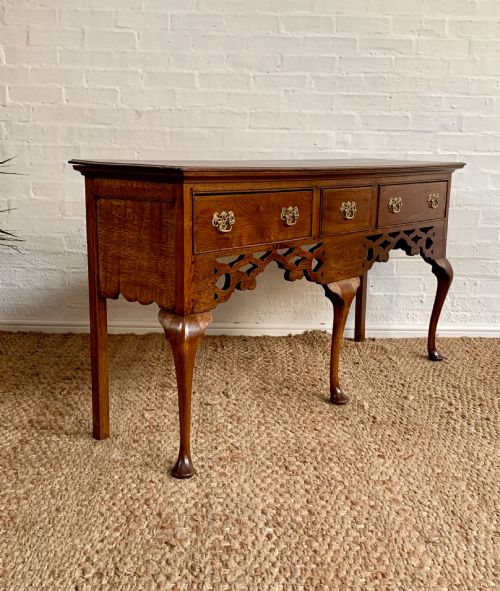
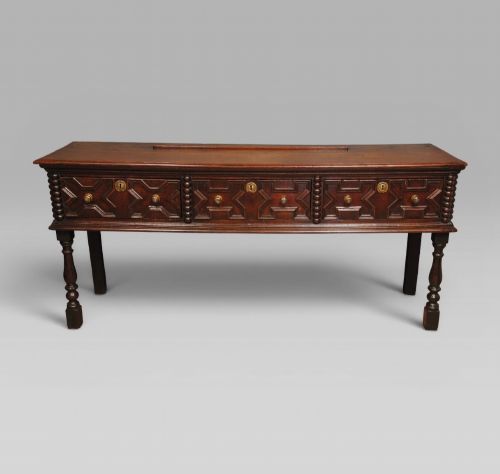
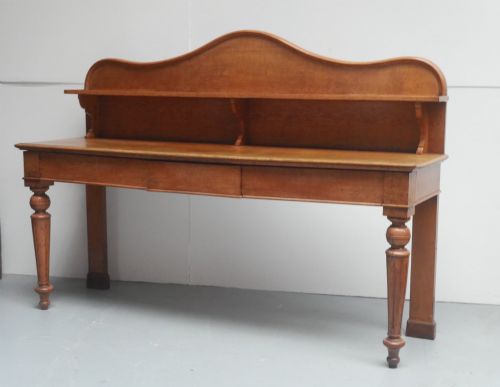
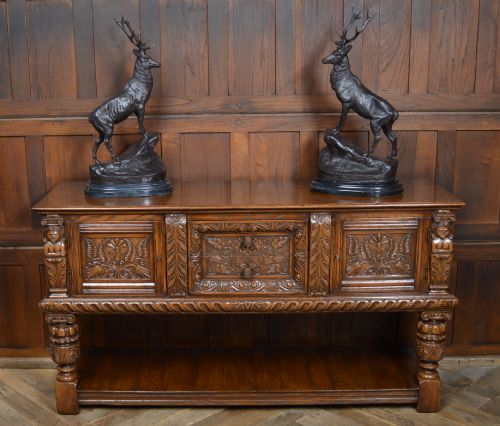
A carved oak hallway server encompasses a broad range of forms designed for entrance spaces and corridors, including console tables, side tables, serving tables, and dresser bases. These items span from the 17th century through the Victorian, Edwardian, and early 20th century periods, reflecting diverse revivals like Gothic, Jacobean, and French Provincial styles.
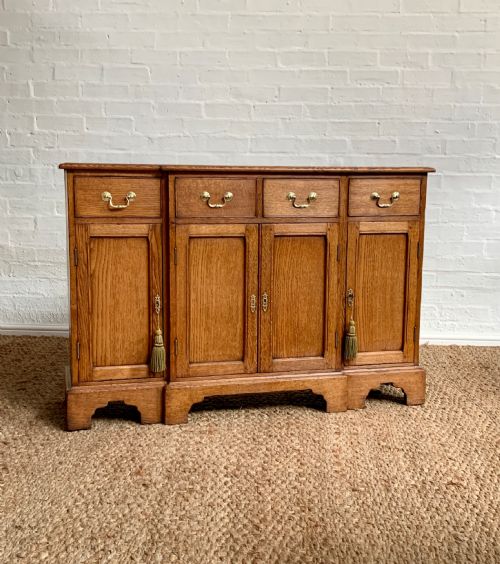
The pieces appearing on this page are predominantly oak, alongside variations in bleached oak, solid oak, and occasional combinations with brass, iron, walnut, ebonised wood, and pine. Forms range from simple single-drawer hall tables to large Scottish serving tables and multi-drawer dresser bases with pot boards.
Materials and construction methods
Construction relies heavily on solid oak timber, shaped into console tables, sideboards, and dresser bases using traditional joinery. Secondary materials such as brass and iron provide hardware like handles and hinges, while pine sometimes appears in structural linings or internal components.
Carving defines the surface ornamentation, utilising techniques found in Gothic Revival, Jacobean, and Renaissance styles. Turnings such as barley twists appear alongside block fronts, blind silhouette legs, and figural carvings like the Green Man.
Object types appearing in the inventory include console tables, side tables, sideboards, serving tables, dressers, and cupboard bases.
Distinguishing quality in construction and material
Quality separates pieces by the depth and crispness of the hand carving and the selection of the timber. Dense, well-figured solid oak with balanced proportions represents the upper tier of craftsmanship.
Hardware integration and structural integrity dictate the distinction between standard utilitarian items and important cabinet work. Original untreated surfaces or patinated finishes command greater interest than heavily altered examples.
The Carved Oak Hallway Server Glossary
- Dresser base
- A low cabinet or sideboard featuring drawers and sometimes an open lower shelf known as a pot board. These pieces originated in kitchens and dining rooms before moving into hallways.
- Console table
- A table designed to stand against a wall, frequently secured to it, functioning as a surface for display in a hallway.
- Pot board
- An open lower shelf built into a dresser base or serving table, historically utilised for storing pots and large kitchen utensils.
- Barley twist
- A type of turning shaped like a spiral, popular in 17th-century furniture and revived during the Victorian and Edwardian eras.
- Block front
- A cabinet or dresser base facade featuring a central recessed section flanked by two projecting panels, creating a robust architectural profile.
Carved Oak Hallway Server: Frequently Asked Questions
What is a carved oak hallway server?
A carved oak hallway server is a term encompassing side tables, console tables, serving tables, and dresser bases placed in entrance areas. These pieces provide a surface for post and keys while introducing historic timber and carving to an interior.
They draw from periods spanning the 17th century to the early 20th century, incorporating styles like Gothic Revival, Jacobean, and Victorian.
How were these tables used historically?
Historically, forms like dresser bases and serving tables functioned primarily in kitchens and dining spaces for food preparation and storage. Over time, smaller iterations and console tables transitioned into hallways as surface furniture.
They held lighting, deposited household items, and served as decorative architectural anchors in entrance halls.
How do I identify a 17th century piece?
Seventeenth-century pieces and their later revivals display heavy solid oak construction, hand-carved panels, and structural forms like block fronts or pot boards. Examining the joinery and timber patina helps distinguish authentic early work from later 19th-century Jacobean style revivals.
硬件 such as iron pulls and hinges also offer clues regarding the period of manufacture.
Where should I place a server in my home?
These servers fit naturally in hallways, entrance lobbies, and narrow corridors where surface space is required without a deep footprint. Console tables and slender side tables hug walls effectively.
Larger dresser bases suit spacious hallways or dining areas needing substantial storage and display capacity.