


Carved Oak Gothic Arch
A carved oak gothic arch brings structural geometry and ecclesiastical depth into a room through pointed curves and dense timber.
Carved Oak Gothic Arch
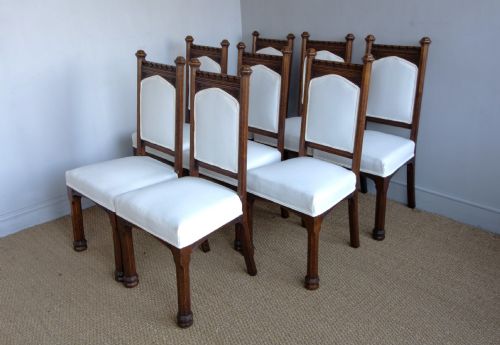
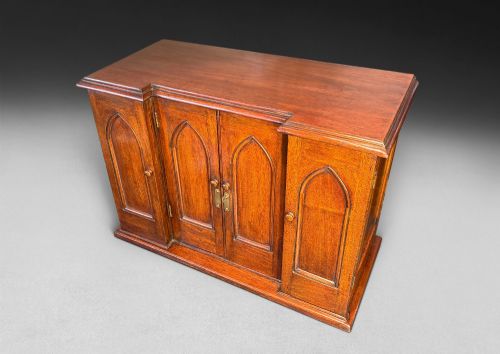
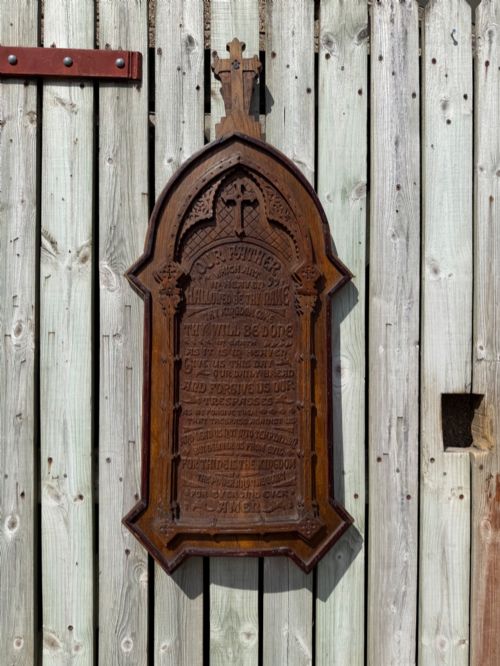
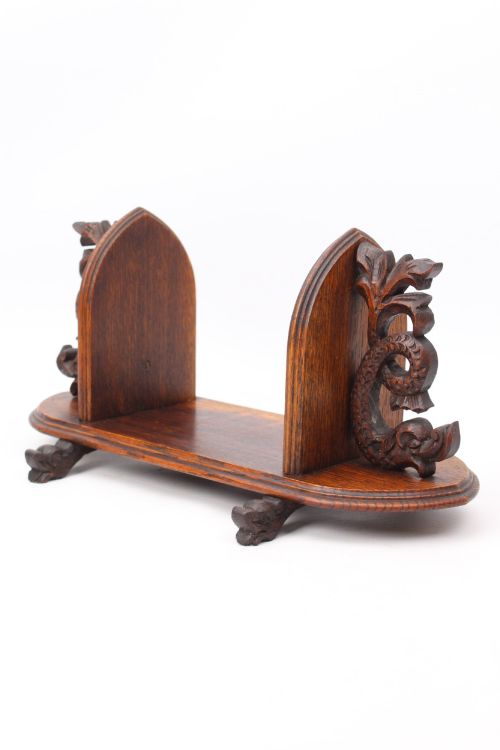
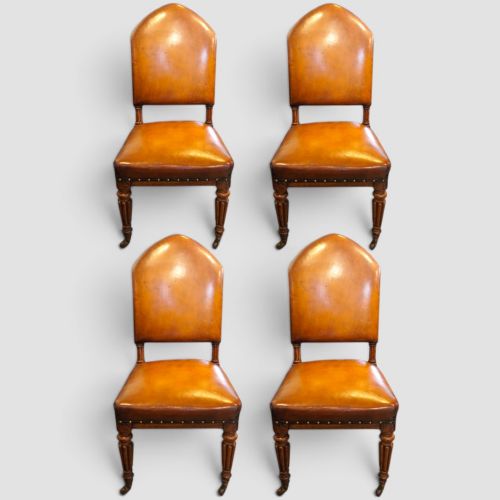
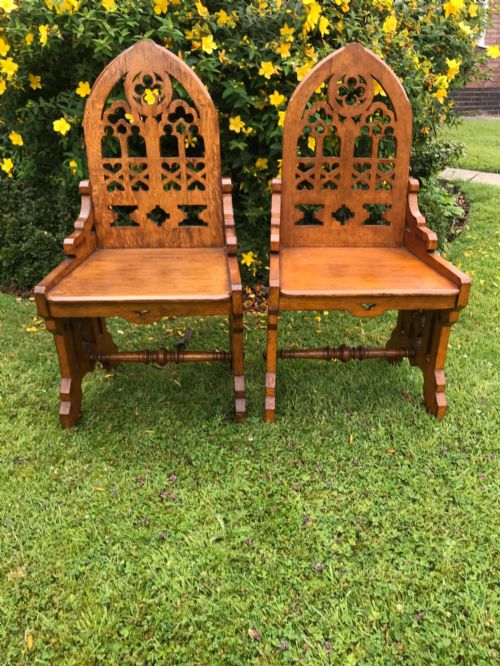
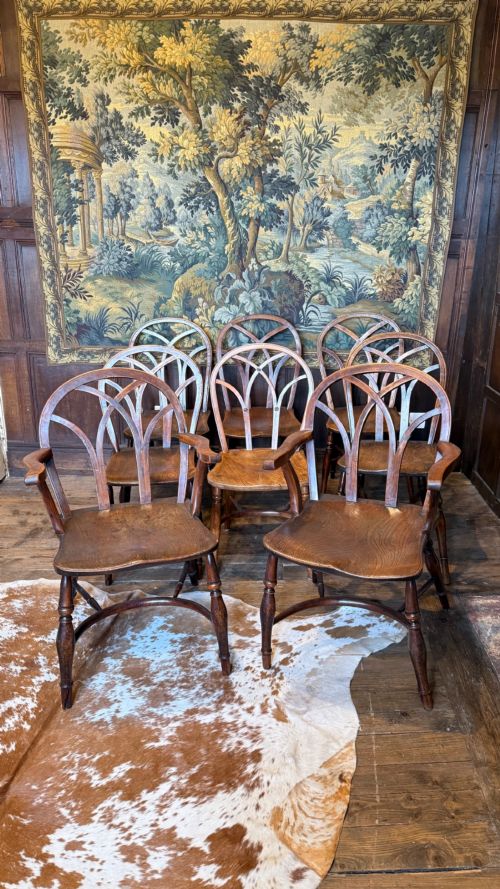
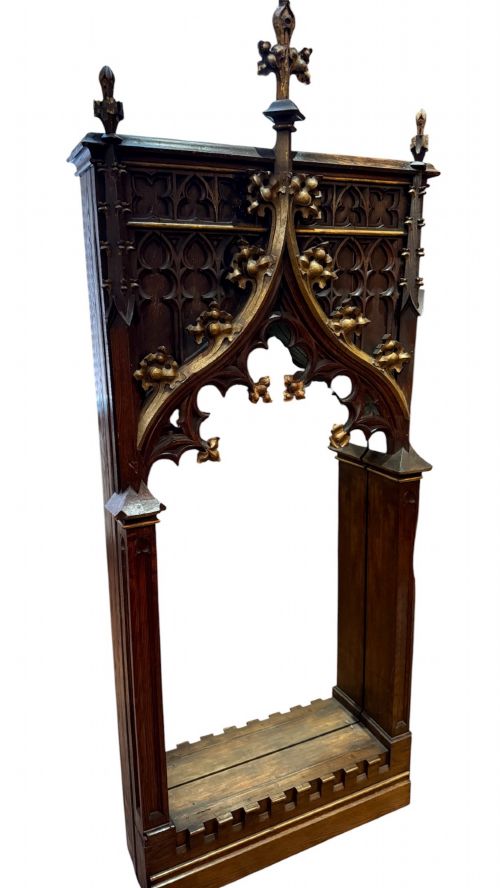
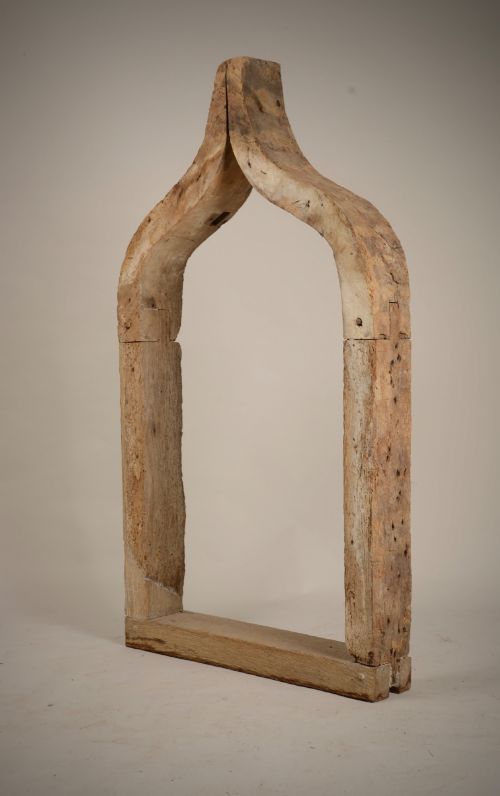
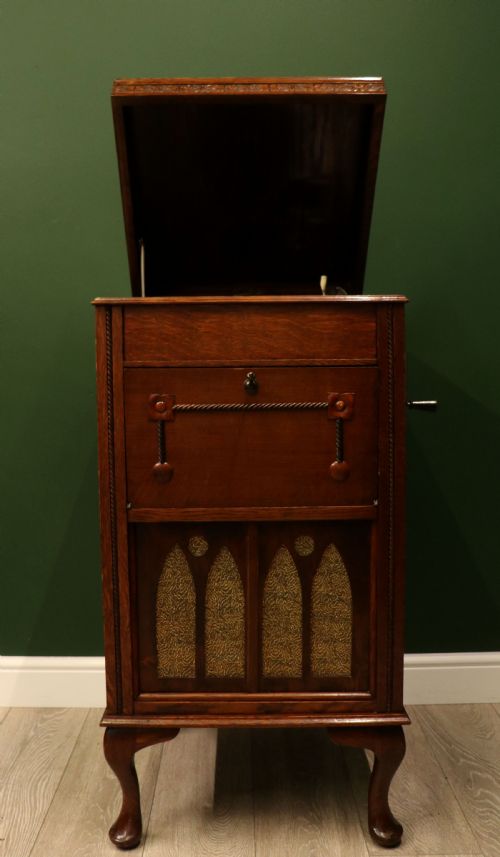
When you search for carved oak gothic arch, you encounter a distinct selection of timberwork ranging from pre-sixteenth century fragments to nineteenth-century revival items. These pieces typically take the form of architectural panels, church furniture, window frames, and mirrors constructed with pointed arches and tracery.
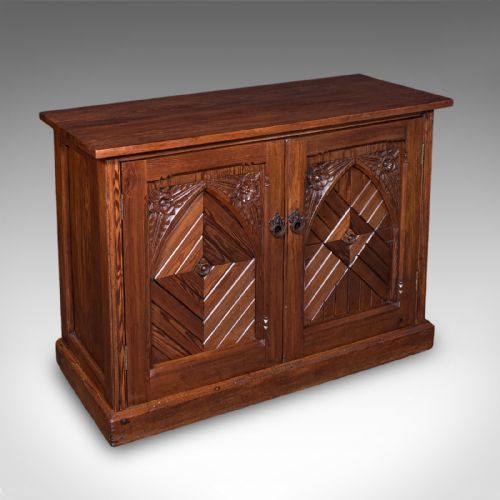
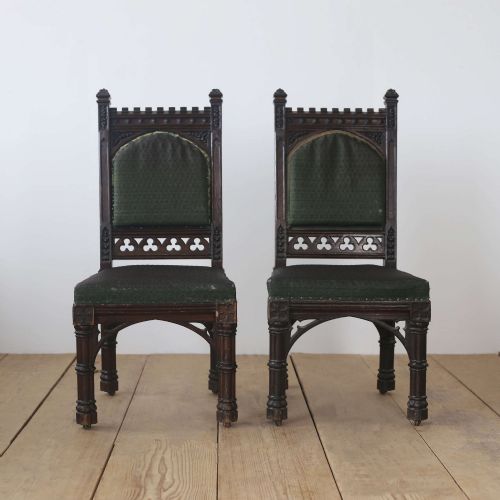
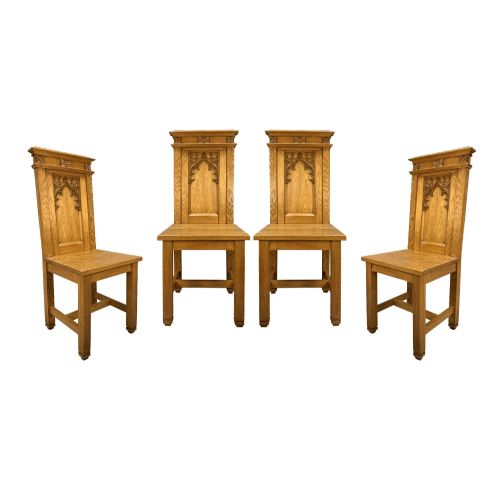
The objects appearing most frequently on this page belong to the nineteenth century, reflecting the Victorian enthusiasm for Gothic Revival architecture and interior decoration. Makers translated medieval stonework motifs into domestic oak seating, cabinetry, and wall panels.
How they were made
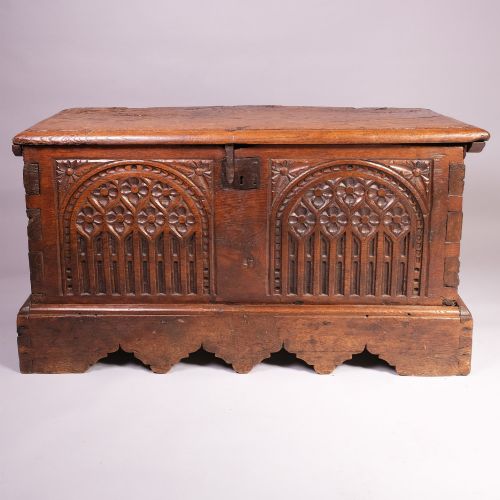
The makers of these items relied heavily on solid oak, utilising its dense grain to carve sharp architectural mouldings, cusps, and pointed arches by hand. Secondary materials such as elm, iron, and leather appear occasionally in coffer construction, hardware, and upholstered seat pads.
Joinery methods combined traditional mortise and tenon framing with surface carving, creating deep relief panels that emulate stone church tracery. Surface finishes typically rely on traditional wax polishes that highlight the natural figure of the timber over decades of handling.
Carved Oak Gothic Arch Retail Price Guide 2026
Typical asking prices for carved oak gothic arch among the pieces listed under this phrase on Sellingantiques today, from the lower quarter to the upper quarter. They describe what is for sale here now, not the wider market.
The listings combine nineteenth-century oak furniture with pre-sixteenth-century architectural fragments, utilising iron hardware and leather seats.
What varies in quality
Quality in these items rests on the crispness of the chisel work and the depth of the carving within the arch. Superior examples display sharp undercutting and well-proportioned tracery, whereas lesser pieces rely on shallow surface stamping or mechanical finishing.
The integrity of the timber and the proportion of the architectural elements dictate desirability. Pieces retaining their original structural context, such as unaltered window frames or church panels, command greater appreciation than later adaptations.
George Wadham·U Phone of Leeds·Gillows of Lancaster·Sir Robert Lorimer
The Carved Oak Gothic Arch Glossary
- Tracery
- The stonework or timber pattern supporting glass in a Gothic window, adapted by cabinetmakers for panel doors and mirror frames. It creates geometric patterns within the arch.
- Coffer
- A heavy wooden chest used for storage, constructed with thick panels and often decorated with carved arches or parchemin folds. They date from the medieval period onwards.
- Gothic Revival
- An architectural and decorative movement reviving medieval forms during the eighteenth and nineteenth centuries. It manifests in domestic furniture through pointed arches and ecclesiastical motifs.
- Parchemin
- A style of wood carving resembling folded parchment or linen, frequently seen on early panels. It provides a subtle texture alongside geometric arches.
- Fusée
- A conical pulley used in clock movements to maintain equal tension on the gear train as the mainspring unwinds. It appears in precision bracket and table clocks.
Carved Oak Gothic Arch: Frequently Asked Questions
How do I date a carved oak gothic arch?
Dating relies on tool marks, timber shrinkage, and the specific style of the Gothic revival period versus genuine medieval work. Pre-sixteenth-century pieces display hand-riven boards and irregular adze marks.
Nineteenth-century revival items often feature mechanical saw marks on hidden surfaces and standardised joinery. Comparing the arch profile and tracery depth against documented architectural pattern books helps clarify the exact decade of manufacture.
Where were these architectural fragments used originally?
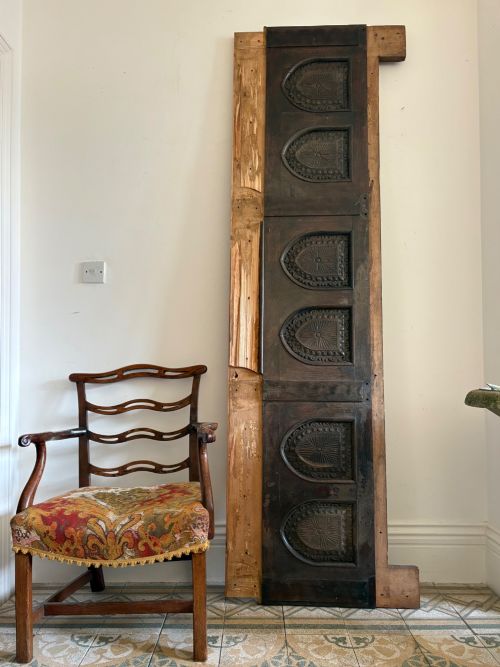
Many of these items originated in churches, chapels, and large domestic halls as structural panels, screens, or window frames. Ecclesiastical spaces utilised pointed arches to draw the eye upward and denote sacred architecture.
During the nineteenth century, cabinetmakers incorporated salvaged elements or newly carved panels into sideboards, mirrors, and domestic seating to satisfy the taste for medieval interiors.
How do I care for antique oak furniture?
Antique oak benefits from stable room humidity and protection from direct sunlight to prevent the timber from splitting or warping. Natural beeswaxes applied sparingly preserve the surface sheen without building up sticky residue.
Avoid placing these items near modern heating vents or damp walls. Gentle dusting with a dry lint-free cloth maintains the carved details without wearing down sharp edges.
Can I hang an architectural panel on the wall?
Many architectural panels and window frames feature built-in structural weight that requires secure wall fixings into masonry or studwork. Consulting a professional installer ensures the piece is supported safely by its frame rather than delicate carvings.
Wall-mounted placement allows the light to catch the depth of the carved oak gothic arch, highlighting the undercutting and shadow lines of the tracery.