

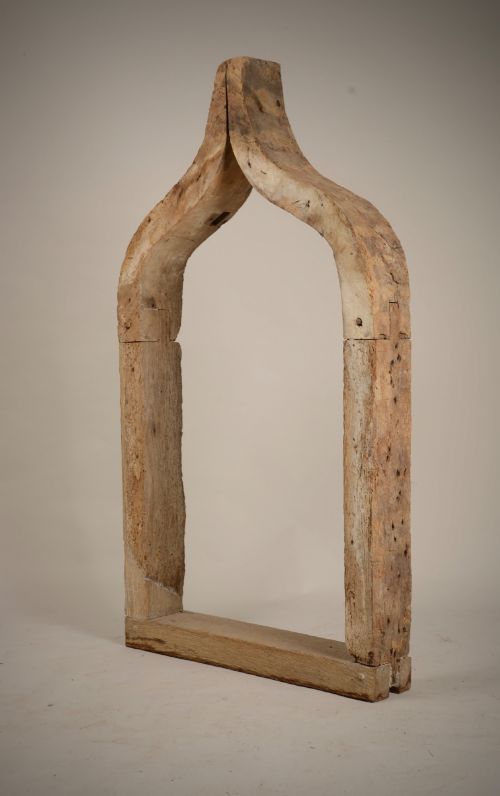


Gothic Revival Timber Frame
These gothic revival timber frame pieces bring architectural presence and historic weight to a room through dark woods and pointed arches.
Gothic Revival Timber Frame
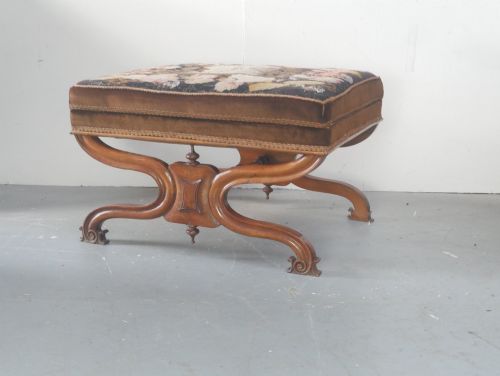
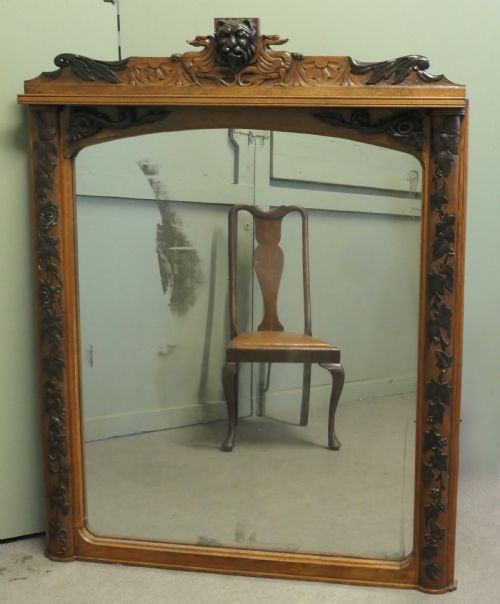
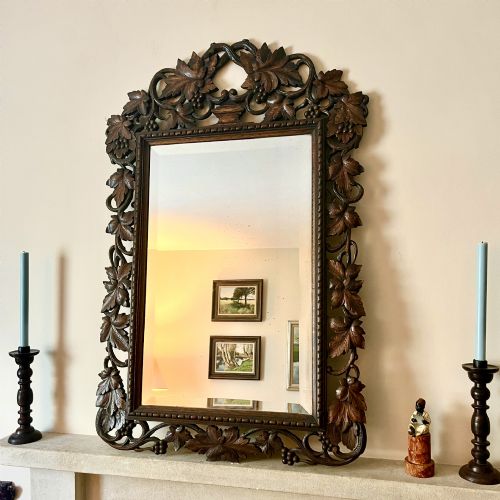
When you search for a gothic revival timber frame, you are looking at items that translate medieval architecture and church design into domestic furnishings. The listings here include seating such as armchairs, side chairs and stools alongside wall mirrors, single beds, plate racks and architectural salvage.
The versions you are most likely to meet on this page date from the nineteenth century, including Victorian interpretations and pieces from eighteen-fifty, eighteen-eighty and nineteen-hundred. Alongside these nineteenth century revivals, the evidence also holds pre sixteenth century architectural salvage.
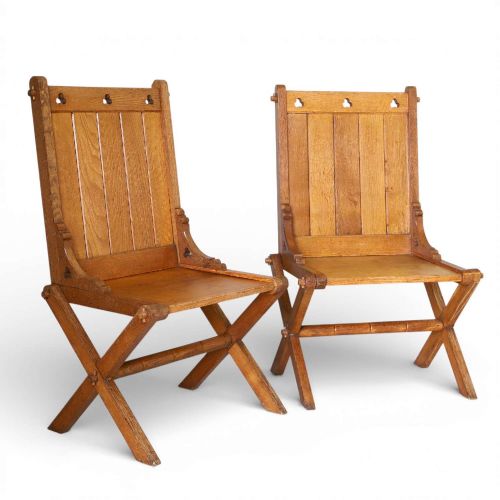
Forms range from carved oak wall mirrors and Scottish baronial stools to Glastonbury chairs featuring trefoil details and upholstered armchairs. Each object borrows heavily from medieval gothic and Scottish baronial styles to create a serious, devotional atmosphere in timber.
How they were made
Makers built these pieces primarily using solid oak, alongside mahogany and walnut for specific frames and structures. Timber frames relied on traditional joinery methods to support the heavy carvings and architectural elements.
Surface decoration frequently involved deep relief carving to mimic stone tracery, window frames and pointed arches. Upholstered elements incorporated velvet and tapestry fabrics, while wall mirrors made use of mirror glass.
Gothic Revival Timber Frame Retail Price Guide 2026
Typical asking prices for gothic revival timber frame among the pieces listed under this phrase on Sellingantiques today, from the lower quarter to the upper quarter. They describe what is for sale here now, not the wider market.
One medieval window frame listed here has survived longer than most modern institutions.
What varies in quality
The distinction between a standard piece and a superior example lies in the depth and ambition of the timber carving. Crisp relief work on a mirror frame or chair crest shows a master hand rather than a routine workshop output.
Proportion and structural timber integrity also set the range apart. Pieces that maintain the architectural gravity of medieval buildings without feeling clumsy represent the higher standard of nineteenth century revival work.
The Gothic Revival Timber Frame Glossary
- Gothic Revival
- A nineteenth century architectural and design movement that revived medieval gothic forms, pointed arches and ecclesiastical motifs in buildings and furniture. This style dominated much of the Victorian era.
- Trefoil
- A graphic ornament composed of three lobes defined by the overlapping of three circles. You often see this motif pierced into the woodwork of chair backs and architectural panels.
- Architectural Salvage
- Building elements and structural fragments rescued from older structures before demolition. This category includes window frames and structural timber pieces from pre sixteenth century buildings.
- Glastonbury Chair
- A type of nineteenth century ecclesiastical chair with an X-framed base and sloped wooden seat and back. They frequently display carved inscriptions and trefoil details.
Gothic Revival Timber Frame: Frequently Asked Questions
What is a gothic revival timber frame?
It is a piece of furniture or architectural salvage that uses medieval ecclesiastical design motifs within a heavy wooden structure. These items date from the nineteenth century revival periods as well as earlier medieval times.
They bring strong architectural lines into a modern interior through pointed arches, heavy mouldings and dark woods like oak.
How do I style a gothic revival chair?
Pair these substantial oak chairs with plain walls to let the timber frame and carved details stand out as focal points. They work well alongside neutral upholstery and minimal surrounding furniture.
Avoid overcrowding the space so that the ecclesiastical proportions of the armchair or side chair remain clear.
Are these pieces from the actual medieval period?
Most items on this page date from the nineteenth century, reflecting the Victorian passion for copying medieval architecture and furnishings. The selection spans from eighteen-fifty through to nineteen-hundred.
Only select items, such as specific architectural salvage pieces, originate from the pre sixteenth century era.
What woods were used in these frames?
Oak is the predominant timber found across these frames, valued for its strength and its traditional association with medieval architecture. Walnut and mahogany also appear in specific furniture items.
These dark woods were chosen to create a serious, historic atmosphere within Victorian homes.