



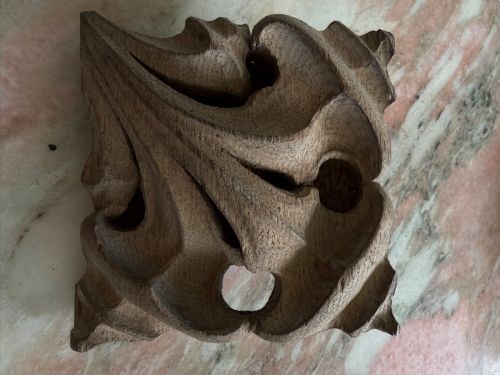


Antique Oak Wall Accent
These antique oak wall accent pieces span centuries of timber craftsmanship, offering rich historic character and carved detail to elevate any interior space.
Antique Oak Wall Accent
An antique oak wall accent brings centuries of historic texture into a room, drawing the eye with rich timber grain and sculptural depth. When buyers search for an antique oak wall accent, they encounter a diverse selection of wall mirrors, architectural salvage, and carved ceiling elements.
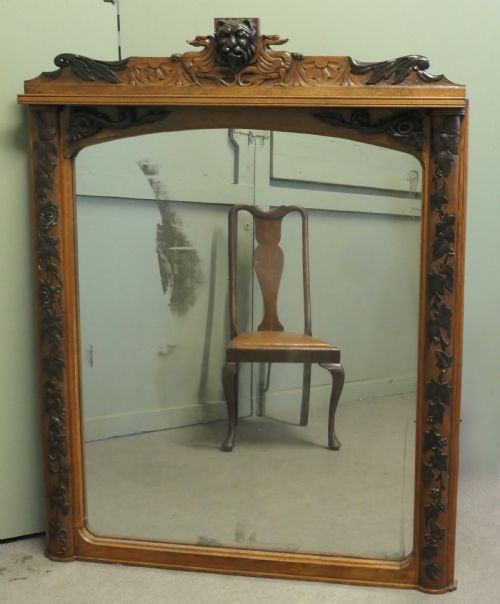
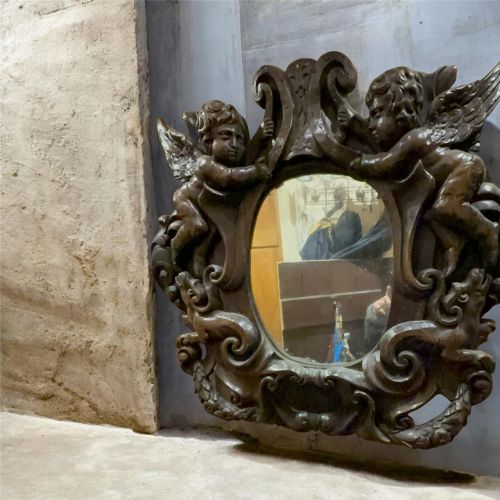
The pieces listed here range from pre-sixteenth century medieval fragments to twentieth-century Art Deco interpretations. Wall mirrors dominate the selection, framed in carved, gilt, or dark oak.
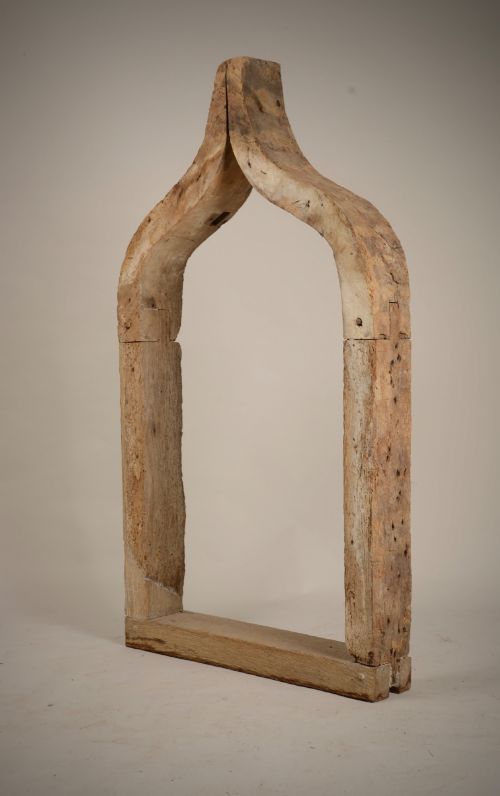
Beyond mirrors, the inventory includes structural salvage such as pierced ceiling bosses and gothic window frames. These items suit interiors seeking genuine period weight and organic material presence.
Materials and construction
Makers shaped these pieces primarily from solid oak, frequently enhancing the timber through deep relief carving. Artisans employed traditional joinery methods suited to the period, creating robust frames and structural elements designed to endure.
Surface treatments vary significantly across the centuries, incorporating applied gesso, gold leaf, and painted details alongside natural waxed finishes. Mirrored glass components, often hand-silvered or bevelled, integrate directly into the carved wooden armatures of the later mirror forms.
Antique Oak Wall Accent Retail Price Guide 2026
Typical asking prices for oak wall accent among the pieces listed under this phrase on Sellingantiques today, from the lower quarter to the upper quarter. They describe what is for sale here now, not the wider market.
One unexpected piece of taxidermy shares wall space with centuries of heavy carved timber and gothic window frames.
Distinguishing quality in oak wall accents
Quality rests principally in the crispness and depth of the hand carving, where confident chisel work separates superior decorative elements from simpler production. The integrity of the timber, including the density of the oak grain and the stability of the construction, defines the structural merit of each piece.
The harmony between secondary materials, such as original gilt gesso or early mirrored glass, and the primary oak frame influences the overall coherence and desirability of the object. Pieces retaining their untouched surface patination command greater appreciation among knowledgeable collectors.
The Antique Oak Wall Accent Glossary
- Ceiling boss
- A projecting block of carved wood placed at the intersection of ceiling ribs, often featuring leaf or foliage motifs.
- Gesso
- A plaster-like mixture applied to wood surfaces to provide a smooth base for gilding or painting.
- Pierced carving
- Openwork relief sculpture where the background is cut away completely to create a lace-like pattern in the timber.
- Gilt
- Covered thinly with gold leaf or gold paint to impart a lustrous metallic finish to the frame.
Antique Oak Wall Accent: Frequently Asked Questions
How do I hang a heavy antique oak wall mirror?
Heavy carved oak frames require robust wall fixings secured directly into timber studs or masonry using appropriate heavy-duty brackets. Professional installation ensures the substantial weight of the timber and glass is supported safely.
Consult a structural specialist if the wall construction is uncertain, as antique oak frames demand more than standard picture hooks.
Can these pieces be hung in bathrooms?
High humidity and fluctuating temperatures in bathrooms can damage historic oak timber, antique gesso, and silvered mirror glass. It is best to keep these items in dry living spaces, hallways, or dining rooms.
If placed near moisture, the wood may warp and the historic finishes can degrade prematurely.
How should I clean antique oak frames?
Dust the carved surfaces gently with a soft, dry brush to remove particles settled within the deep recesses of the grain. Avoid liquid polishes, silicone sprays, or damp cloths that might harm aged timber or delicate gilt gesso.
Periodic application of a specialist microcrystalline wax helps protect the raw wood patination without sealing in moisture.
How do I identify the period of an oak wall accent?
Dating relies on stylistic clues, such as the geometric strapwork of Jacobean designs or the flowing asymmetric curves of Rococo Revival. Tool marks, timber shrinkage patterns, and the construction methods used on the reverse also provide chronological evidence.
Comparing the style against documented historical periods helps narrow down the exact decade of manufacture.