



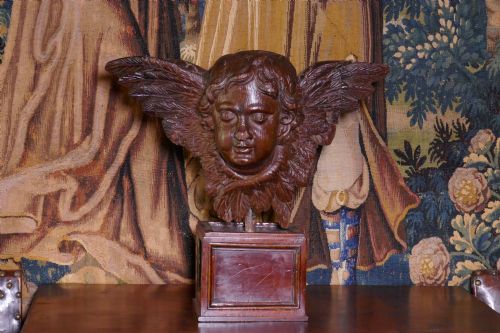

Carved Oak Angel
These carved oak angel figures range from solemn ecclesiastical Gothic panels to exuberant Baroque cherubs, bringing centuries of hand-carved devotion into your home.
Carved Oak Angel
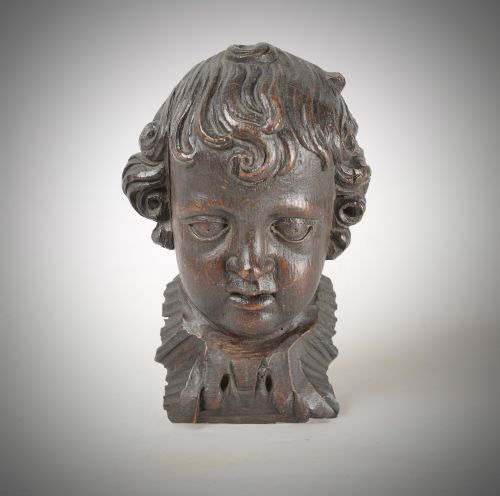
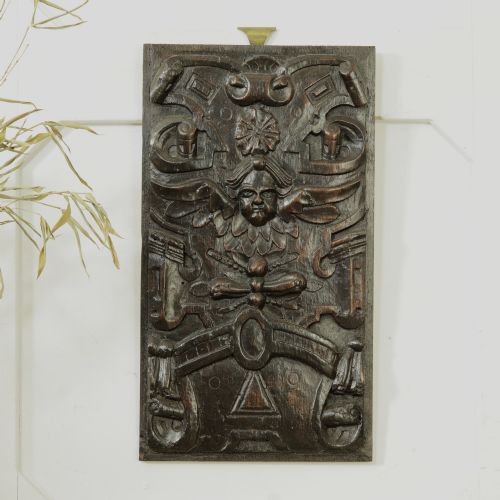
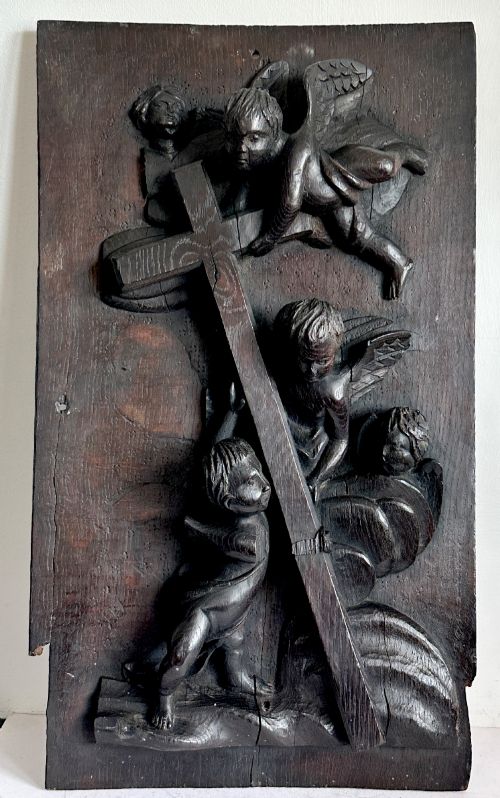
A carved oak angel is typically encountered as a high-relief wall panel, a freestanding sculpture fragment, or an architectural corbel salvaged from a church or historic interior. The selection spans the sixteenth century through the nineteenth century, with seventeenth-century examples appearing frequently alongside ecclesiastical Gothic and French Renaissance pieces.
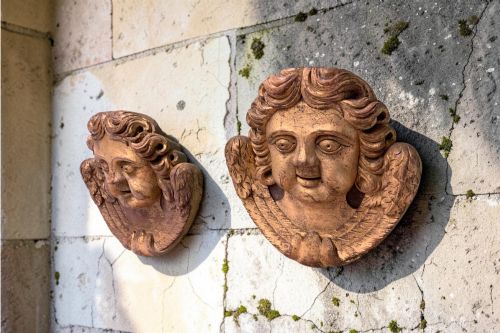
Buyers look for these pieces to anchor a period interior or add sculptural weight to a room. Wall reliefs and cherub heads dominate the available forms, often retaining traces of their original architectural context such as church pews or wall cupboards.
Materials and technique
These figures are shaped from dense timber using hand gouges and chisels to achieve deep relief and expressive drapery. Craftsmen worked the oak while it was seasoned, sometimes integrating wood inlay, brass elements, or gold leaf highlights to catch the light in dim church interiors.
Surface finishes developed naturally over centuries through handling and wax polishing, revealing the strong grain of the wood. Sculptors working in the Baroque and Renaissance styles balanced muscular forms with delicate feather details on the wings.
Carved Oak Angel Retail Price Guide 2026
Typical asking prices for carved oak angel among the pieces listed under this phrase on Sellingantiques today, from the lower quarter to the upper quarter. They describe what is for sale here now, not the wider market.
Listings feature oak panels and sculptures spanning the sixteenth to the nineteenth century, incorporating Baroque, Gothic, and Renaissance styles.
Judging the carving
Quality rests entirely in the vitality of the tool work and the depth of the carving. Master carvers achieved expressive faces and convincing anatomical movement even within shallow panels, whereas lesser pieces rely on stiff repetition and shallow surface incisions.
The survival of original surface texture without excessive later sanding distinguishes superior examples. Pieces that retain their structural integrity within larger architectural panels or wall brackets hold greater visual presence.
Edwards and Roberts
The Carved Oak Angel Glossary
- Relief
- A sculptural technique where the figures project from a flat background. High relief means the forms stand out strongly from the panel.
- Caryatid
- A sculpted female figure serving as an architectural support taking the place of a column or pilaster. These often merge with angelic or winged forms in seventeenth-century woodwork.
- Putto
- A figure of a small chubby male child, often winged, frequently found in Renaissance and Baroque art. They appear interchangeably with cherubs in these carvings.
- Ecclesiastical
- Relating to the Christian Church or its clergy, describing items originally made for church furniture, choir stalls, or pew ends.
- Gothic
- A medieval style of architecture and ornamentation characterised by pointed arches and vertical emphasis, lingering in provincial church woodwork well into later centuries.
Carved Oak Angel: Frequently Asked Questions
Where were carved oak angels originally placed?
These figures typically originated inside churches as part of choir stalls, pew ends, or decorative wall paneling. They also adorned domestic wall cupboards and architectural brackets in high-status homes.
Over time, many were detached from their original structures and mounted as standalone wall sculptures for display.
How do I date a carved oak angel?
Dating relies on stylistic clues such as the heavy drapery and pointed arches of Gothic work compared to the muscular curves of Baroque cherubs. Tool marks, timber shrinkage, and the overall depth of the relief also provide clear chronological markers.
Comparing the piece against documented examples from the sixteenth through nineteenth centuries helps establish its precise period.
Why do some angels have wings and others do not?
Winged figures generally represent seraphim, cherubim, or archangels drawn from religious iconography. Wingless figures often originate from architectural supports like caryatids or represent saintly portrait fragments.
Both types share the same devotional purpose and hand-carved execution.