





Carved Music Stand
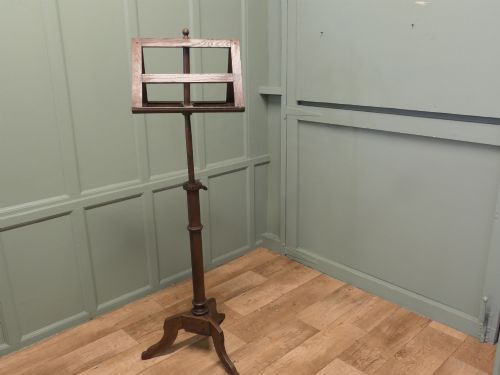
A carved music stand brings the elegance of nineteenth-century parlours into a modern room, holding scores or papers with architectural grace.
Carved Music Stand
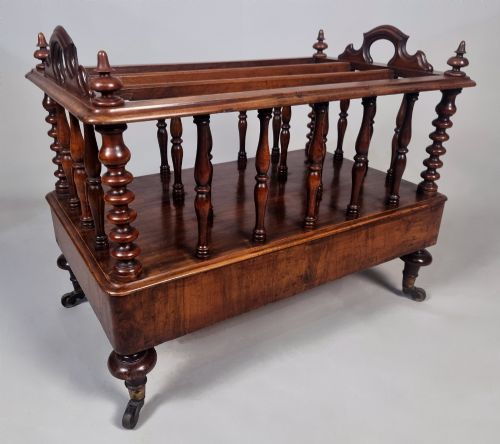
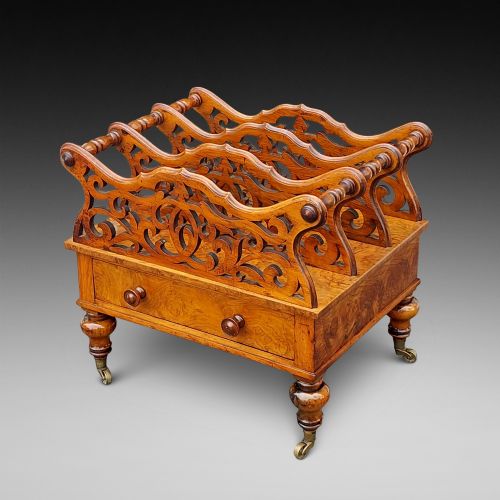
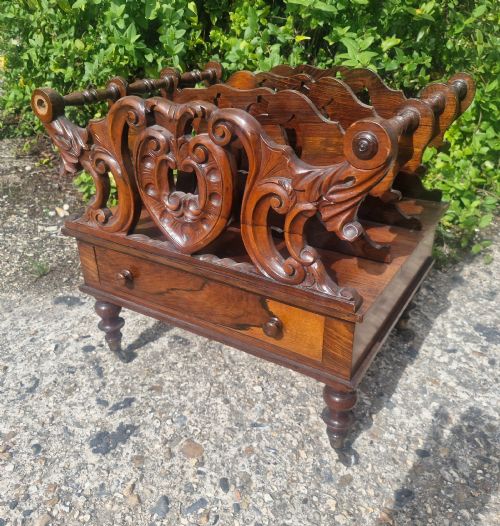
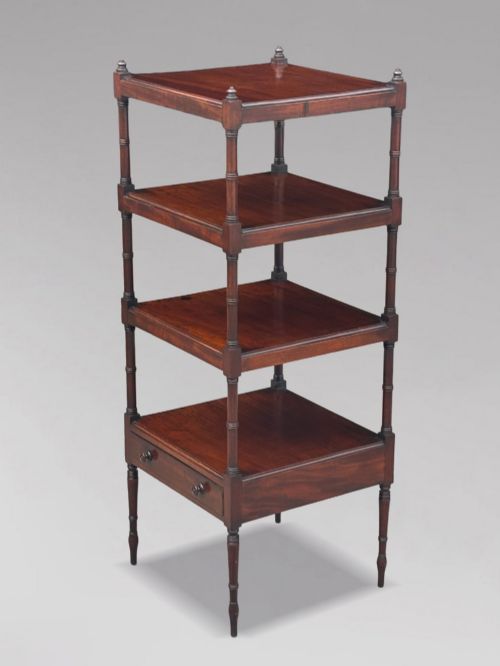
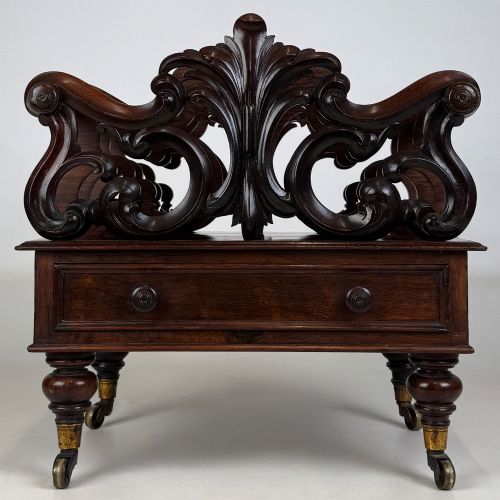
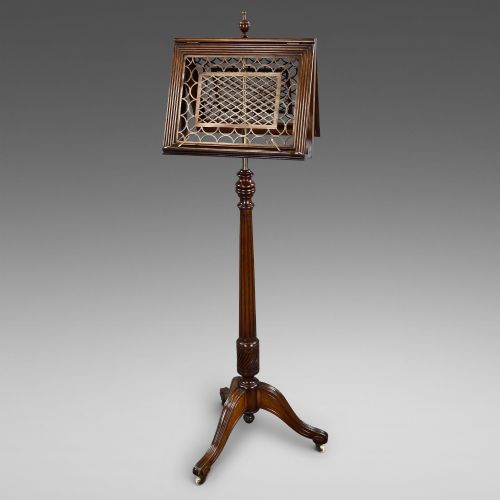
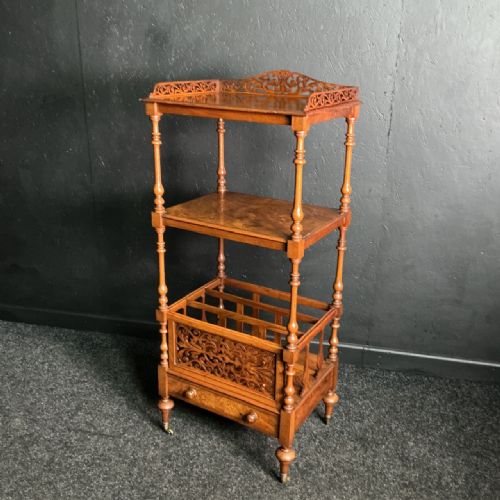
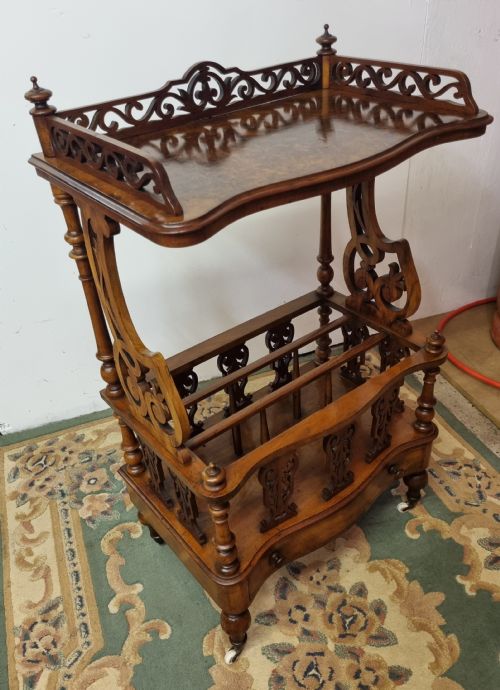
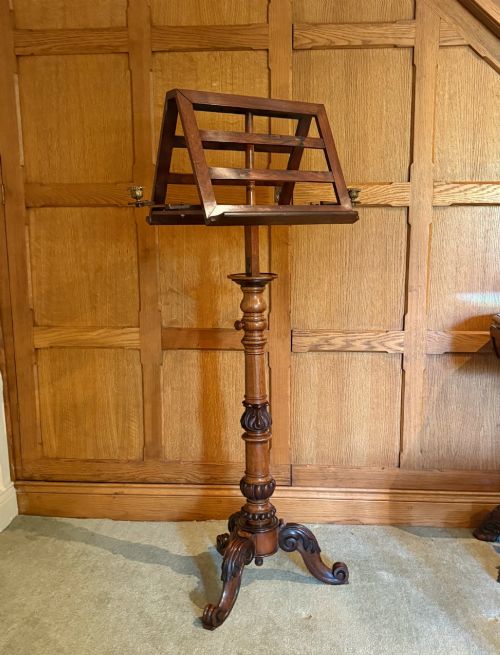
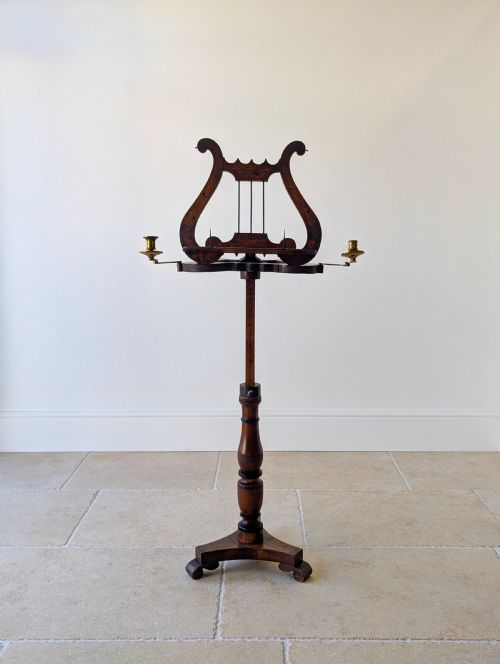
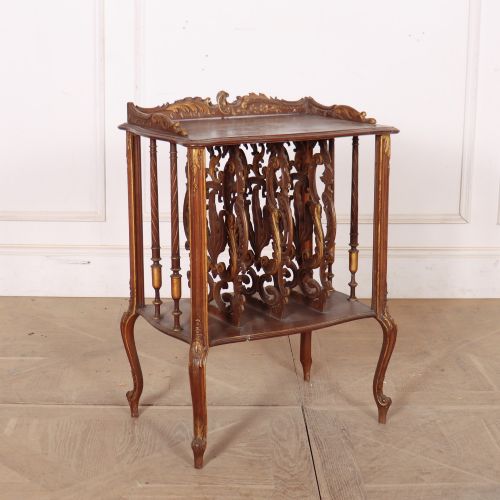
A carved music stand encompasses diverse domestic furnishings designed to hold folios, sheets, and books, frequently appearing as adjustable duet stands, tripod lecterns, and multi-tiered whatnots. The pieces seen on this page span the Regency, William IV, Victorian, and Edwardian eras, alongside George III forms and later twentieth-century examples.
Evaluating craftsmanship and proportion
Quality rests in the selection of timbers, where figured burr walnut or dense Cuban mahogany demonstrates a superior grade of raw material. The crispness of hand-carved detailing and the integration of secondary woods reveal the maker's underlying skill.
Structural integrity and functional movement set finer pieces apart, particularly in adjustable stands where brass ratchets and screws operate smoothly. Balanced proportions, neat joints, and restrained inlay define the upper tier of these items.
Carved Music Stand Retail Price Guide 2026
Typical asking prices for carved music stand among the pieces listed under this phrase on Sellingantiques today, from the lower quarter to the upper quarter. They describe what is for sale here now, not the wider market.
An upright parlour gramophone waits quietly among the sheet music stands, ready to spin a tune from the early twentieth century.
Gabriel Viardot·Gillows·Henry Ogden & Son·U Phone of Leeds
The Carved Music Stand Glossary
- Canterbury
- A low stand with vertical partitions, originally designed for holding sheet music or folios beneath a small table surface.
- Duet stand
- A music stand featuring a double desk or a wide ledge intended to accommodate two musicians reading the same score.
- Whatnot
- An open set of freestanding shelves supported by slender columns, frequently combined with cabinets or music storage.
- Gonçalo Alves
- A dense, heavily figured exotic hardwood with contrasting dark streaks, utilised in high-status nineteenth-century furniture.
- Fretwork
- Ornamental perforated woodwork created by cutting patterns through thin boards to form open designs.
Carved Music Stand: Frequently Asked Questions
What is a music cabinet used for?
Music cabinets provided dedicated storage for sheet music, bound scores, and musical accessories within the Victorian and Edwardian parlour. Their internal sliding shelves or vertical compartments kept fragile paper collections organised and protected from dust.
Today, these compact pieces function equally well as bedside tables, side cabinets, or repositories for contemporary vinyl records and magazines in a living room.
How do I identify a Victorian burr walnut piece?
Burr walnut exhibits a swirling, mottled grain pattern created by growth deformations on the walnut tree, highly prized by nineteenth-century cabinetmakers. It appears frequently as a fine veneer applied over solid secondary timbers on the facades and tops of cabinets.
Examining the edges reveals the thickness of the veneer and the hand-finished quality typical of the Victorian period, distinguishing it from later machine-made reproductions.
Where were music stands placed in a home?
Music stands and canterburys stood beside pianos, harps, or in the centre of the domestic music room for easy access during evening recitals. They occupied prominent positions in polite drawing rooms where musical accomplishment was displayed.
Placing one in a modern study or music corner maintains this traditional purpose while anchoring the room with period woodwork.
What distinguishes a whatnot from a standard cabinet?
A whatnot relies on an open tiered structure of shelves supported by columns, designed to display decorative objects alongside functional items. Cabinets, by contrast, enclose their contents behind solid or glazed doors.
Many examples on this page combine both forms, featuring an open upper whatnot tier above a closed music cabinet or canterbury base.