
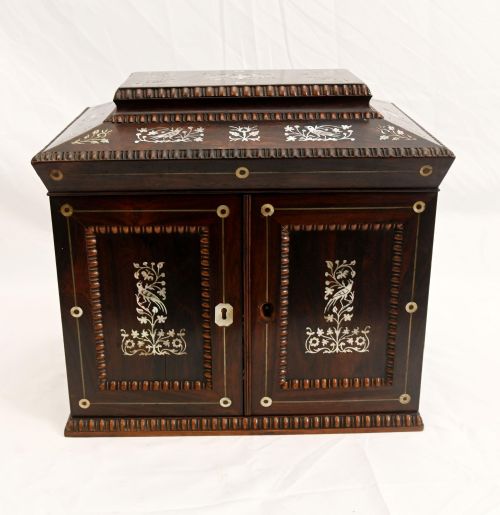


Carved Mother of Pearl Box
A carved mother of pearl box holds small treasures securely while displaying shimmering iridescence and intricate geometric or figurative surface detail.
Carved Mother of Pearl Box
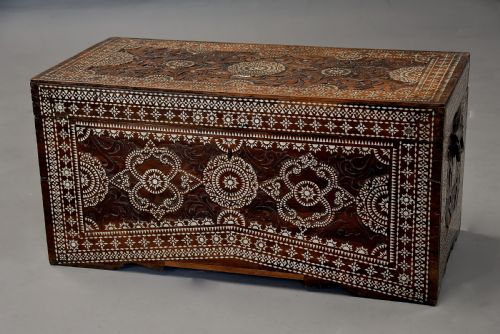
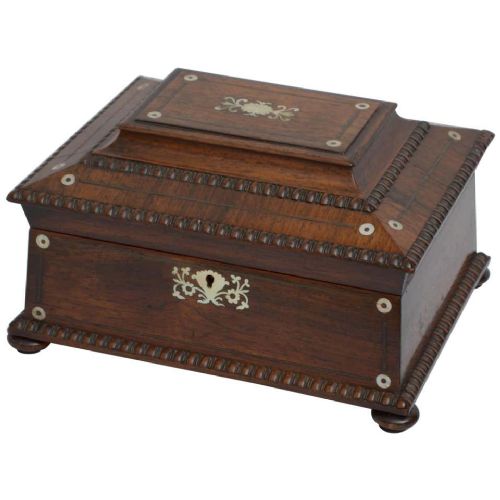
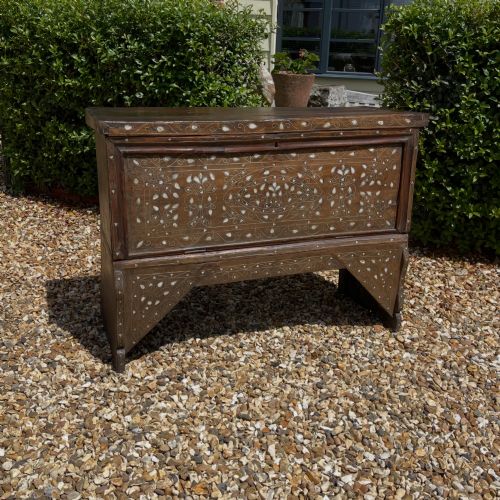
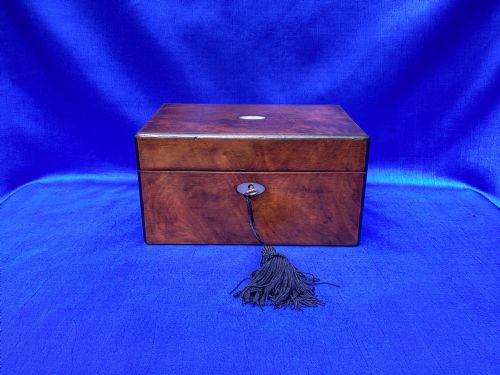
A carved mother of pearl box encompasses various forms designed to safeguard valuables, letters, and personal items. Pieces range from Victorian sewing chests and jewellery boxes to Middle Eastern inlaid trunks and small pocket snuff boxes.
The items span the eighteenth, nineteenth, and early twentieth centuries, drawing on British, Middle Eastern, Qing Dynasty, and Chinese Export traditions. Buyers encounter everything from substantial decorative trunks down to intimate tabletop keepsakes.
Originating across different global centres, these carved mother of pearl box examples utilise distinct regional woodworking and shell-carving techniques. The selection reflects diverse functional purposes, serving as sewing repositories, collectors' cabinets, and glove boxes.
How they were made
Artisans build the structural carcasses using hardwoods like mahogany, rosewood, and general regional timber. These wooden foundations provide stability for the delicate shell panels applied to the exterior surfaces.
Craftsmen shape thin plates of mother-of-pearl and secure them to the wood using adhesives and small pins, often incorporating contrasting wire or wood inlays. Metal mounts, brass hinges, and silver plate elements complete the structural assembly.
Listings feature items constructed from mother of pearl, hardwood, rosewood, brass, velvet, and silver plate.
What varies in quality
The standard of execution depends on the precision of the shell carving and the intricacy of the overall geometric or pictorial inlay. Finer examples display meticulous alignment where shell sections meet wooden borders.
Internal fittings, such as velvet linings and compartmentalised trays, indicate the original grade of the piece. Well-preserved original hinges and functional locks distinguish superior items from later replacements.
The Carved Mother of Pearl Box Glossary
- Mother-of-Pearl
- An iridescent internal layer of shells, particularly pearl oysters, used for decorative panelling and carving. It reflects light with shifting tones of silver, pink, and green.
- Inlay
- A technique where pieces of contrasting material, such as shell or metal, are embedded into recesses in a wooden surface to form patterns. This method enhances the visual texture of the object.
- Snuff Box
- A small pocket container historically used to hold powdered tobacco. These examples often combine silver mounts with carved shell lids.
- Qing Dynasty
- The last imperial dynasty of China, spanning from sixteen forty-four to nineteen twelve. Items from this period often demonstrate advanced carving traditions.
- Sewing Box
- A dedicated container fitted with interior compartments for threads, needles, and tools. They frequently incorporate velvet or silk trims.
Carved Mother of Pearl Box: Frequently Asked Questions
How do I clean my box?
Dust the exterior gently with a dry, soft cloth to prevent accumulation in the carved crevices. Avoid liquid cleaners and harsh chemicals, which can damage the organic shell surface and fragile wooden joints.
Keep the item away from direct sunlight and excessive humidity to prevent the natural materials from warping or discoloring over time.
What were they used for?
These boxes served as secure storage for personal valuables, sewing implements, letters, and tobacco products. Different forms accommodated specific domestic and personal tasks within the household.
Larger versions functioned as tabletop storage for jewellery and collectibles, while pocket-sized snuff boxes accompanied individuals during travel and social calls.
Are the interiors original?
Many surviving pieces retain their period velvet, paper, or silk linings, though some have undergone historical repairs or relining. Inspecting the interior construction helps determine if the textile fittings match the age of the exterior.
Original compartments and mirror panels add historical completeness to sewing chests and jewellery cabinets.
How do I date a piece?
Dating relies on examining the construction methods, wood types, hinge styles, and stylistic motifs present in the design. Victorian and Edwardian examples often feature machine-cut elements, whereas eighteenth-century pieces show distinct hand-carved traits.
Comparing the decorative patterns against documented regional styles helps place the object within a specific century or decade.