

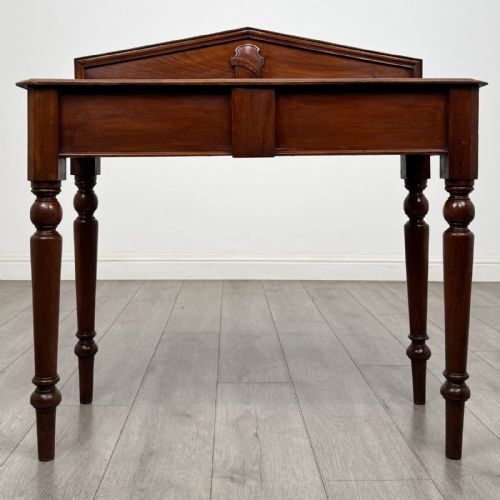
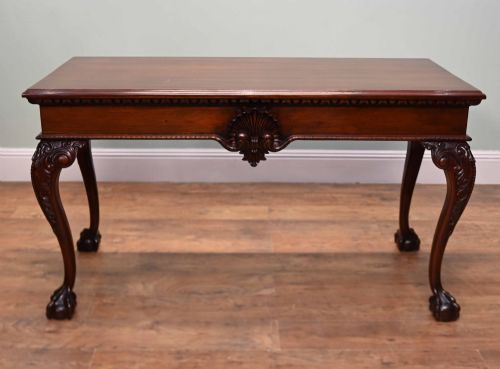
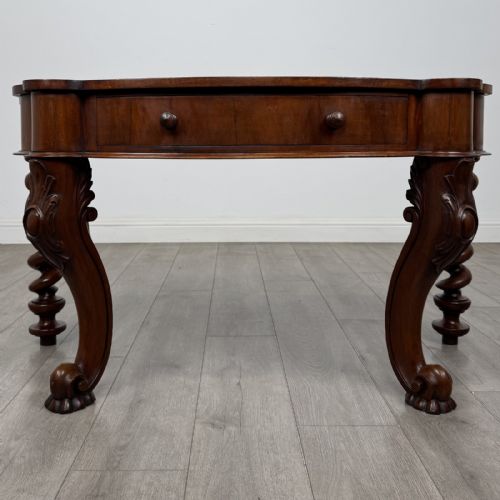
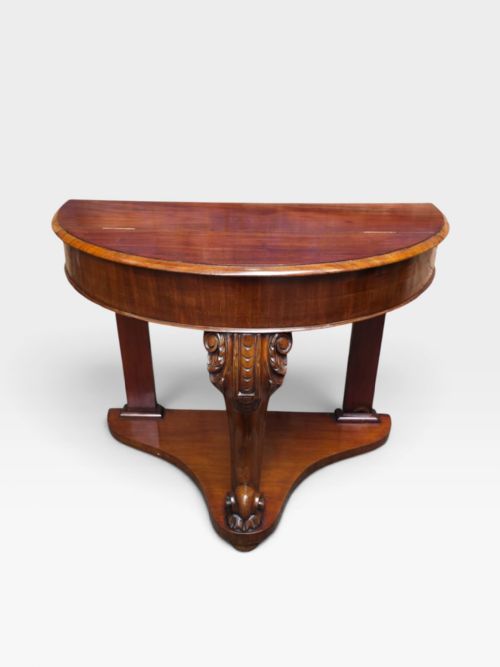

Carved Mahogany Entry Table
A carved mahogany entry table anchors a hallway with rich timber and classical form, offering a practical surface for daily drop items.
Carved Mahogany Entry Table
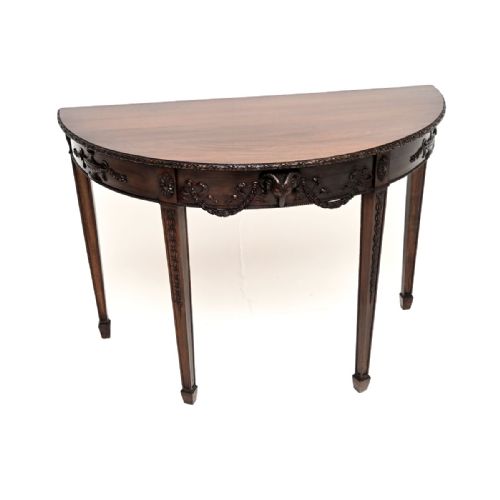
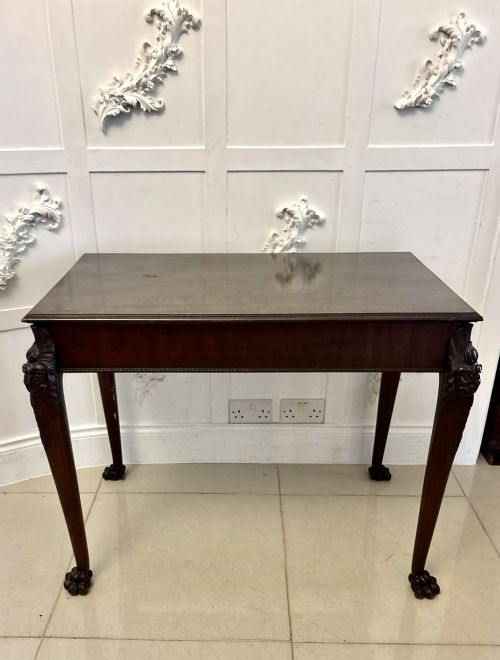
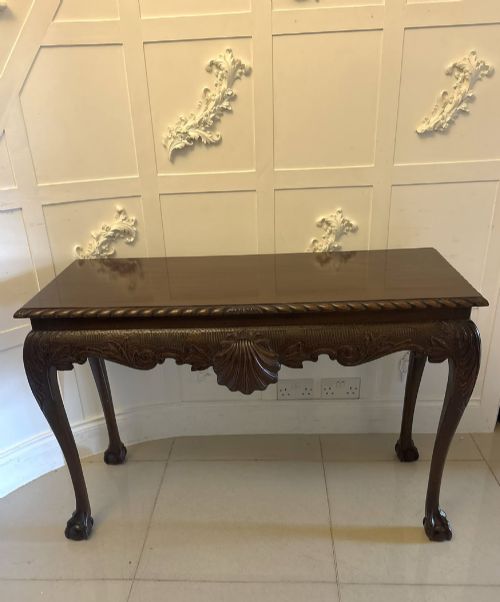
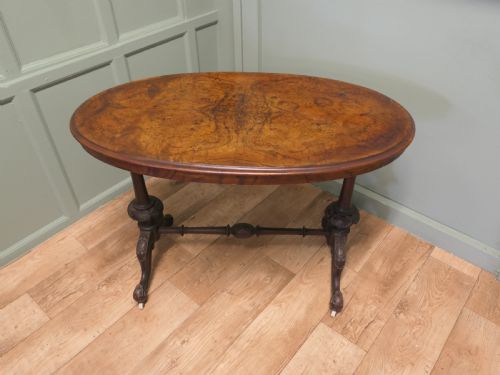
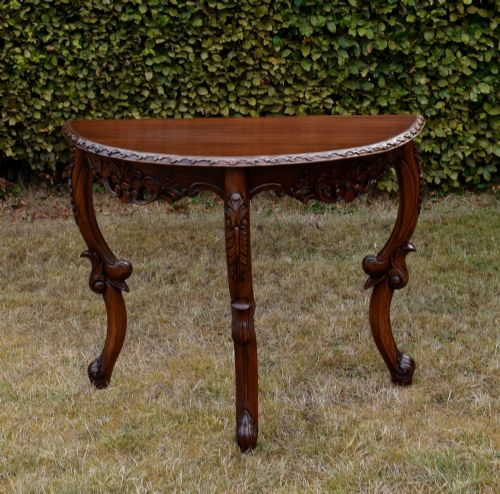
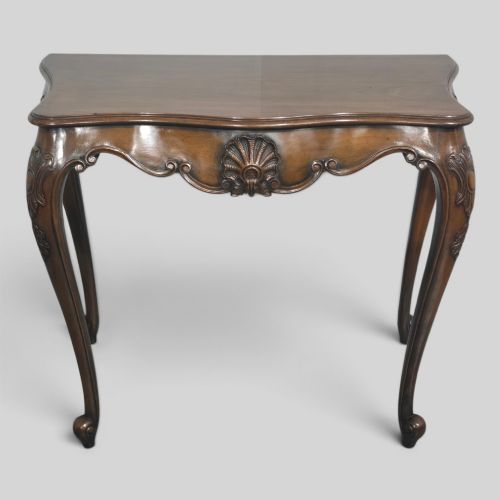
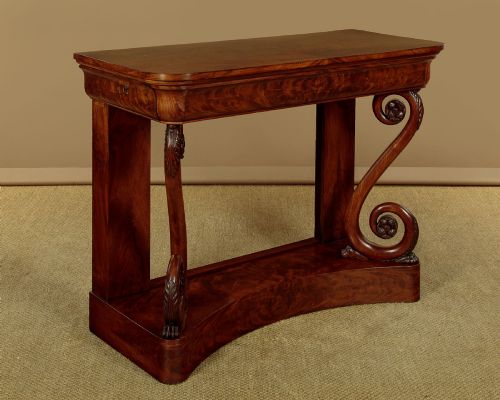
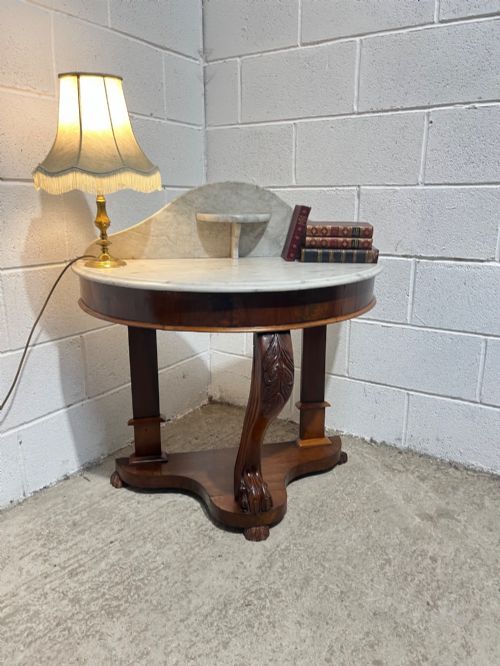
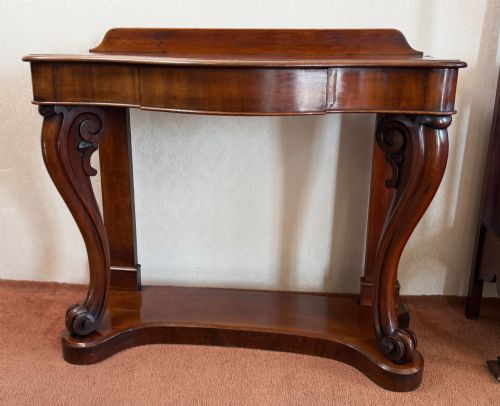
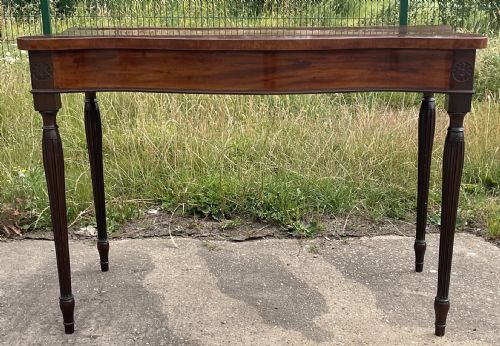
A carved mahogany entry table serves as a functional focal point in a hallway, vestibule or reception space. These pieces appear in forms such as console tables, side tables, hall tables and demilune shapes designed to sit flat against a wall.
The selections span distinct historical eras, including the Regency, Victorian, William IV and Georgian periods, alongside later revival pieces from the early twentieth century. Many examples incorporate fitted marble tops or matching pier mirrors.
Origin points vary across the listings, featuring British workshops alongside French and Italian examples. Buyers encounter formats ranging from serpentine side tables to heavy pedestal gueridon and centre tables adapted for hallway placement.
Materials and construction
Makers utilised solid timber and figured veneers, relying heavily on rich flame mahogany to create striking visual movement across table tops and friezes. Secondary woods support structural integrity beneath polished exterior surfaces.
Many examples integrate heavy slabs of marble into the top surface, contrasting cool stone against warm timber. Brass mounts, parcel gilding and inset leather panels occasionally appear as decorative accents.
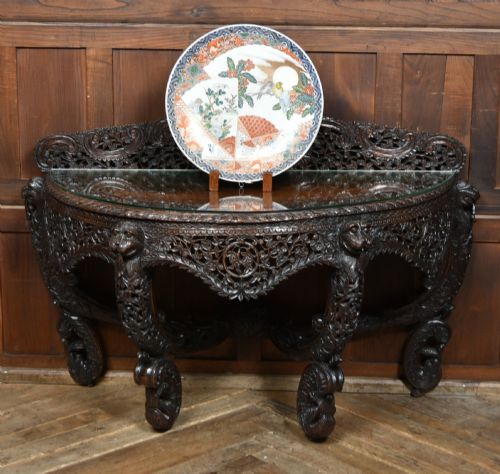
Carving defines the ornamentation, rendered in styles from crisp Regency classical motifs to elaborate Victorian relief work. Joinery techniques secure heavy console frames designed to carry marble slabs without sagging.
Carved Mahogany Entry Table Retail Price Guide 2026
Typical asking prices for carved mahogany entry table among the pieces listed under this phrase on Sellingantiques today, from the lower quarter to the upper quarter. They describe what is for sale here now, not the wider market.
Several tables retain original marble surfaces heavy enough to test the resolve of any delivery crew.
Distinctions in quality
The refinement of the timber selection separates standard items from exceptional pieces. Finely figured flame mahogany or dense grain patterns elevate a console table above plain utility furniture.
The depth and crispness of the carving indicate the skill of the original workshop. Sharp, undercut foliage and clean classical motifs require advanced hand tool proficiency compared to shallow, mechanical shaping.
Structural integration of heavy stone tops dictates long-term stability. Superior examples balance substantial marble slabs with robust framing and tight joinery that resists shifting over decades of use.
McKeon s of Liverpool
The Carved Mahogany Entry Table Glossary
- Console table
- A table designed to be fixed against a wall, often supported by front legs or brackets while relying on wall fixings for stability.
- Gueridon
- A small circular table, frequently used as a centre table or light stand, originating in seventeenth-century France.
- Demilune
- A half-moon shape characteristic of console and side tables built to fit snugly against flat hallway walls.
- Pier table
- A table specifically built to stand against the wall space between two windows, frequently paired with a matching wall mirror.
- Flame mahogany
- A veneer cut from the branch junction of the tree, producing a distinctive flickering flame pattern across the wood grain.
Carved Mahogany Entry Table: Frequently Asked Questions
What is a carved mahogany entry table used for?
These tables provide a convenient surface in hallways for placing keys, correspondence and decorative objects upon entering a home.
Historically, they also served to display decorative ornaments or support large pier mirrors that reflected light into darker entrance spaces.
How do I style a console table in a hallway?
Pair the table with a hanging mirror or a piece of wall art to create a balanced focal point at the entrance of the home.
Keep the surface uncluttered by limiting items to a single lamp, a shallow bowl for everyday items or a slender vase.
How do I tell a Regency table from a Victorian one?
Regency pieces typically feature clean classical lines, restrained brass inlay and architectural influences drawn from ancient Greece and Rome.
Victorian examples lean towards heavier proportions, deeper relief carving and more exuberant ornamentation reflecting mid-nineteenth-century tastes.
Why do some tables have marble tops?
Marble surfaces provided a durable, stain-resistant area for placing wet umbrellas, heavy candlesticks or floral arrangements.
In continental and neoclassical designs, the cool stone top also contributed to a formal aesthetic that balanced the warmth of the polished timber frame.