

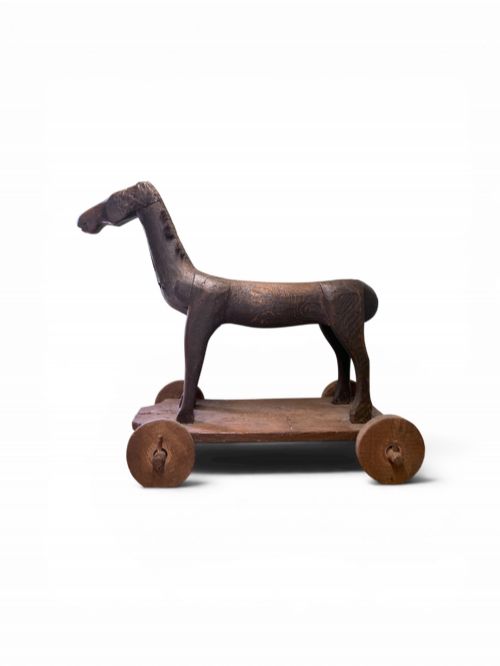


Carved Horse Figure
A carved horse figure brings centuries of hand-hewn character into a room, spanning rustic folk traditions and detailed anatomical studies.
Carved Horse Figure
A carved horse figure encompasses diverse sculptural interpretations made from wood, stone, and leather across multiple centuries.
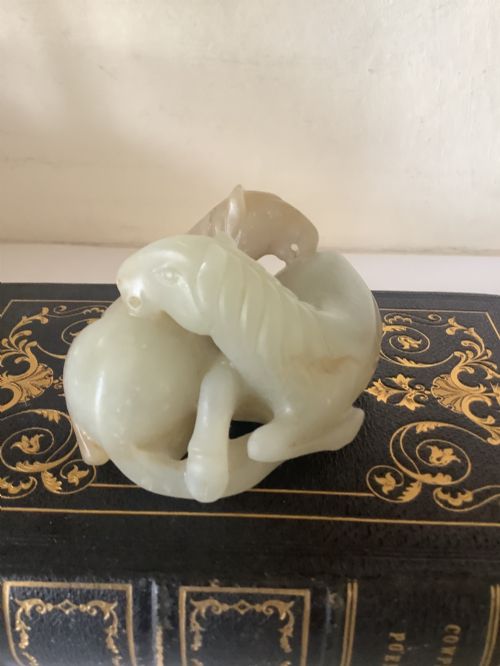
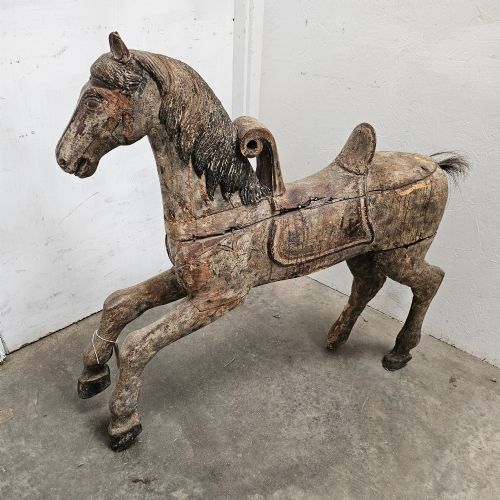
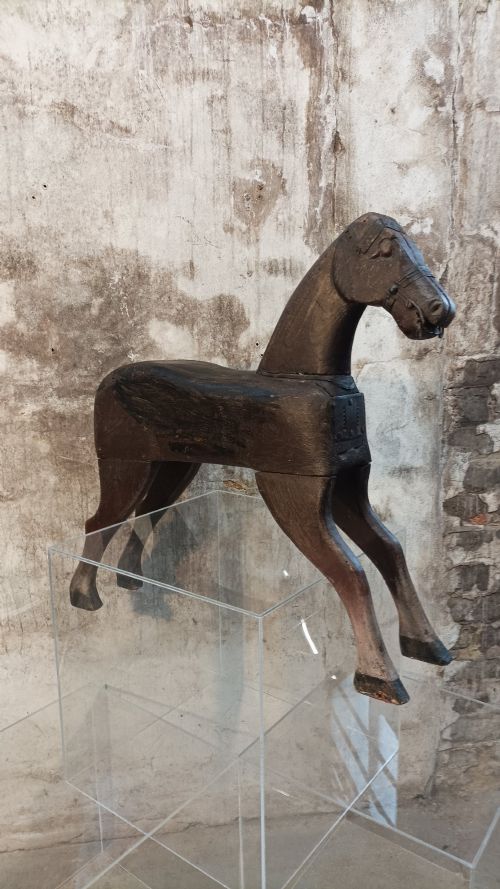
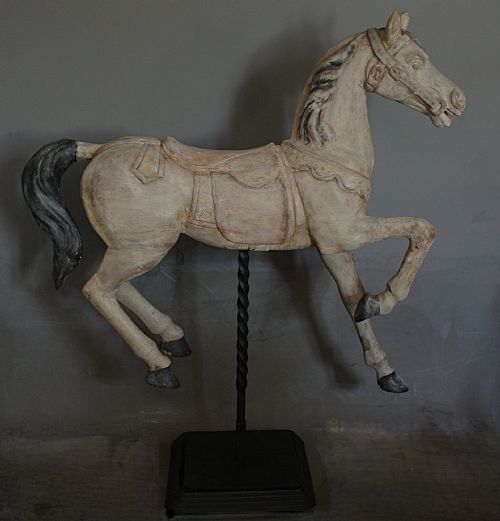
Buyers browsing this selection will encounter various iterations, ranging from naïve primitive wooden toys and 19th-century carousel survivors to detailed animalier studies and East Asian netsuke.
Origins stretch from European folk workshops to traditional Chinese and Japanese studios, reflecting regional carving methods and local materials.
Materials and construction methods
Wood serves as the primary medium, utilising timber, hardwood, boxwood, and branch material shaped with traditional hand tools.
Many examples incorporate applied surface treatments such as historic paint layers, leather elements, and genuine horsehair manes or tails.
Carving techniques vary from simple folk art whittling to sophisticated animalier modelling and intricate miniature netsuke work.
Carved Horse Figure Retail Price Guide 2026
Typical asking prices for carved horse figure among the pieces listed under this phrase on Sellingantiques today, from the lower quarter to the upper quarter. They describe what is for sale here now, not the wider market.
Materials represented include hardwood, painted timber, branch wood, marble, hard stone, leather, and horsehair.
Determinants of distinction
Sculptural vigour distinguishes exceptional examples, where the vitality of the animal outweighs strict anatomical proportion.
Original surface preservation plays a major role, particularly on painted carousel pieces, toys, and folk sculptures retaining their historic patination.
The sophistication of the carving reveals the maker's hand, separating simple vernacular whimsy from accomplished academic animalier studies.
Masayuki
The Carved Horse Figure Glossary
- Animalier
- A nineteenth-century artistic focus on the realistic depiction of animals in sculpture and painting. This style captures beasts in dynamic motion or repose.
- Folk Art
- Utilitarian or decorative objects created by self-taught or provincial artisans using traditional local methods. These pieces often display a charming disregard for formal academic perspective.
- Carousel Horse
- A large carved wooden figure designed for fairground amusement rides. Surviving examples frequently retain traces of multiple layers of brightly coloured paint.
- Netsuke
- A small Japanese miniature carved toggle used to secure small pouches to traditional garments. They are intricately carved from materials such as boxwood.
- Corbel
- A structural piece of stone or wood projecting from a wall to support a weight. Architectural examples often take sculptural animal or figural forms.
Carved Horse Figure: Frequently Asked Questions
What periods do these figures come from?
The selection spans several centuries, including 17th-century architectural elements, 18th-century primitive toys, and numerous 19th-century folk and carousel examples.
Twentieth-century pieces extend into the art deco era, featuring fairground figures and continental decorative horses alongside earlier traditions.
How were carousel horses used?
Carousel horses served as platform mounts on fairground carousels, spinning on operational rides during the late nineteenth and early twentieth centuries.
These working figures endured heavy public use and weathering, which explains the frequent presence of multiple repaint layers and structural repairs.
Are these figures made only from wood?
While timber and hardwood form the majority of the sculptures, other materials appear across different regional traditions.
Examples include hard stone of the jade family, marble animalier studies, leather over armature frameworks, and boxwood miniature carvings.
How do I display a large figure?
Large decorative pieces like carousel survivors or processional models require stable floor placement or robust wall mounting depending on their weight.
Placing them away from direct heat sources helps preserve historic wooden substrates, painted finishes, and applied horsehair details.