



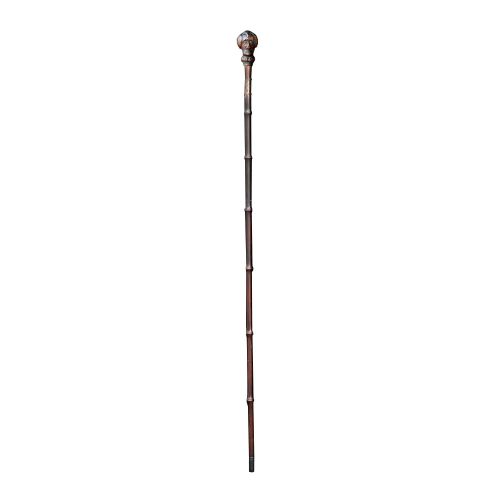

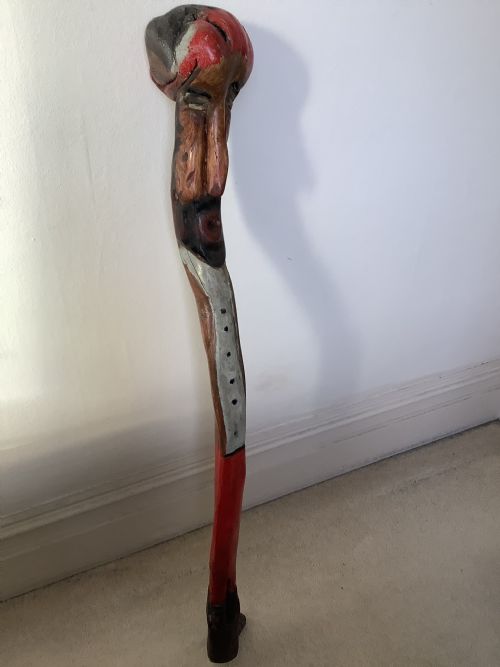

Carved Head Cane
A carved head cane brings together fine craftsmanship and utilitarian function, offering collectors a striking accessory with character.
Carved Head Cane
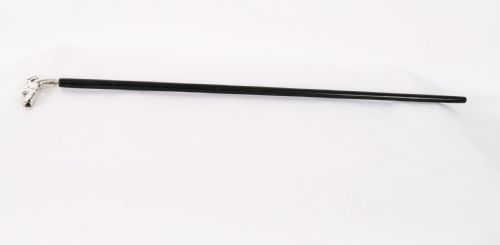
A carved head cane is a walking stick featuring a sculpted handle shaped as an animal, human figure, or novelty subject. When you search for a carved head cane, you encounter varied forms intended for both utility and display.
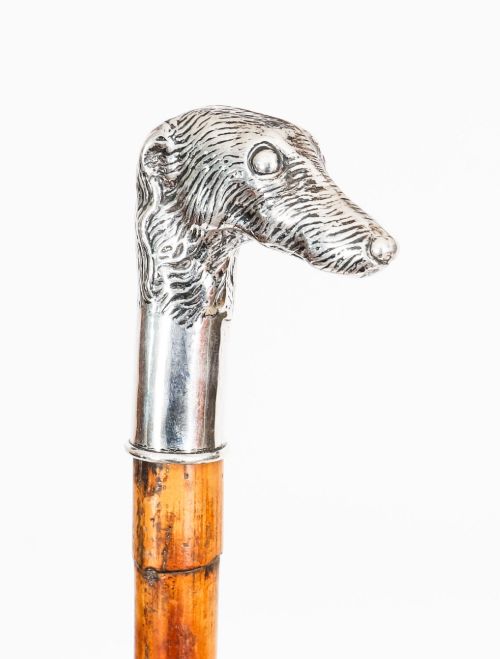
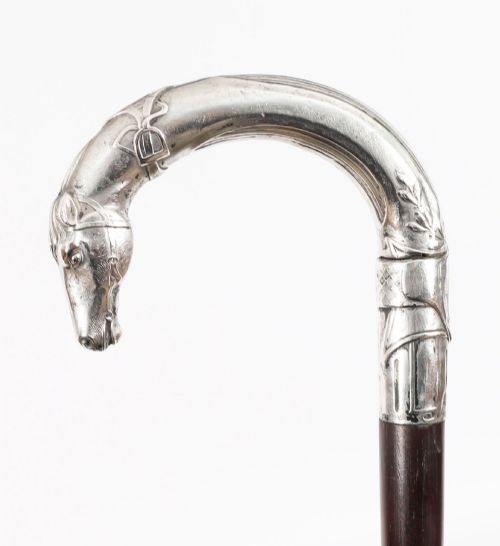
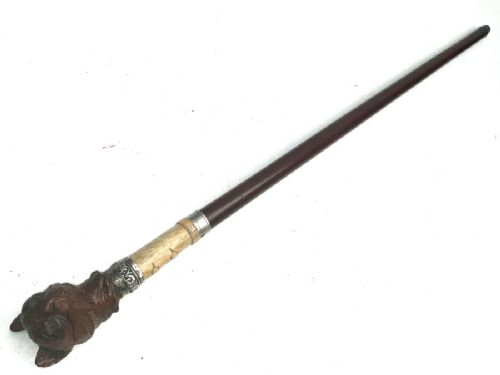
The pieces on this page span the nineteenth century into the twentieth century, encompassing Victorian, Edwardian, and Art Deco periods. Animal subjects predominate, featuring dogs, horses, birds, and boars.
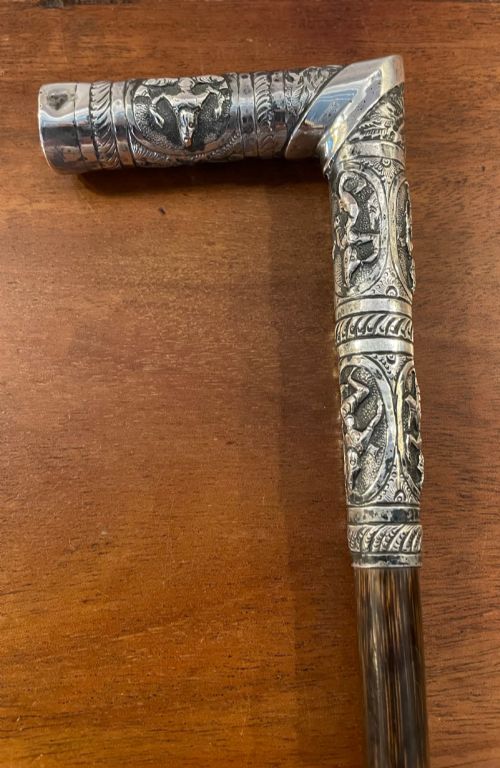
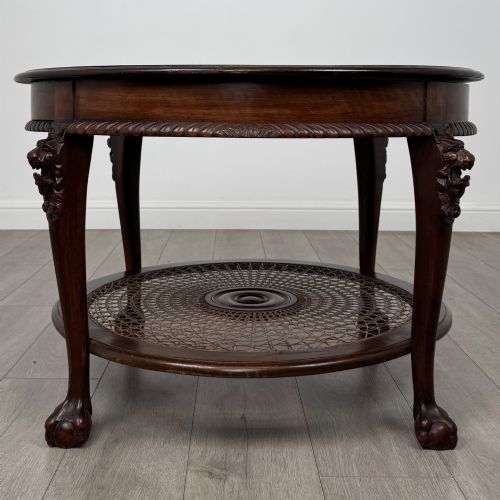
Makers produced these sticks in distinct regional styles, including Black Forest carvings, French silver-mounted pieces, and Asian export works. Alongside walking sticks, the listings also include incidental furniture pieces such as coffee tables and window seats.
How they were made
Artisans fashioned the handles from materials such as hardwood, bone, silver, and ebonised wood, sometimes adding polychrome pigments or glass elements. Shafts typically utilise bamboo, thorn wood, or standard hardwoods to provide sturdy support.
Carved Head Cane Retail Price Guide 2026
Typical asking prices for carved head cane among the pieces listed under this phrase on Sellingantiques today, from the lower quarter to the upper quarter. They describe what is for sale here now, not the wider market.
The listings show items spanning the nineteenth century, Edwardian era, and 1930s, utilising materials such as silver, wood, bone, and glass.
What varies in quality
Quality rests in the precision and depth of the carving, where realistic anatomical detail or clean stylistic lines separate masterwork handles from simpler production items. The integration between the handle and the shaft also dictates the overall calibre of the piece.
The Carved Head Cane Glossary
- Black Forest
- A style of wood carving originating from the mountainous region of Central Europe, known for realistic animal sculptures. These pieces often utilise Linden or walnut timber.
- Ebonised wood
- Timber treated with a dark stain or finish to imitate the appearance of ebony. This treatment provides a uniform dark ground for carved details.
- Novelty cane
- A walking stick incorporating a hidden function, unexpected mechanism, or whimsical handle design. Examples include gadget sticks and golf club shapes.
- Silver mount
- A decorative or reinforcing metal band fitted between the handle and the shaft. These mounts frequently bear hallmarks indicating the metal purity and origin.
- Articulated
- A descriptor for carved elements featuring moving joints or parts. This technique appears in animal heads with functional mouths.
Carved Head Cane: Frequently Asked Questions
What are carved head canes?
Carved head canes are historical walking sticks featuring handles sculpted into animal or figurative forms. Makers produced them as accessories for gentlemen and ladies.
They reflect the artistic styles of the nineteenth and early twentieth centuries, combining practical support with decorative appeal.
How were sword sticks used?
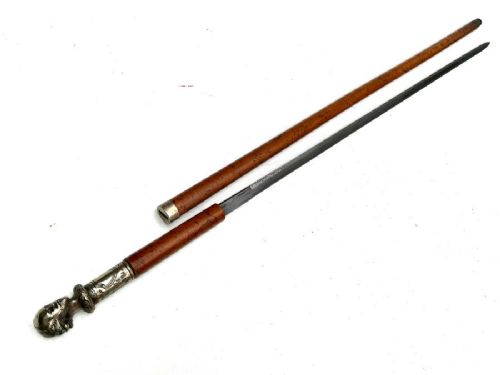
Sword sticks served as dual-purpose items providing both walking support and personal defence. Officers and civilians carried them in urban and rural environments.
Secret blades remained concealed within the wooden shafts until released by a locking mechanism.
How do I date a cane?
Dating relies on stylistic clues, material choices, and any accompanying silver hallmarks. Victorian and Edwardian examples often display specific regional carving characteristics.
Changes in fashion and manufacturing methods help narrow the period of production.
How should I display canes?
Displaying canes typically involves wall racks, floor stands, or specialised display cases that secure the shafts vertically. Proper placement protects the delicate carved handles from accidental damage.
Keeping them away from direct sunlight preserves the wood and silver finishes.