



Carved Handle Cutlery
Carved handle cutlery brings tactile warmth to the table, pairing natural grips with metal blades for daily service and display.
Carved Handle Cutlery
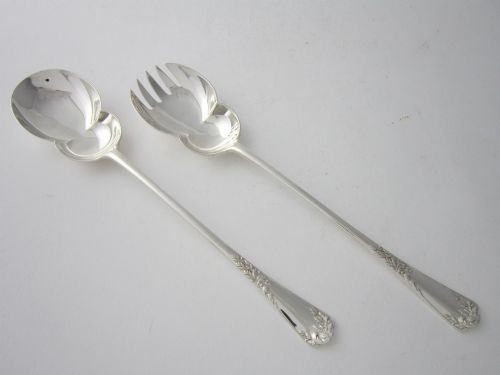
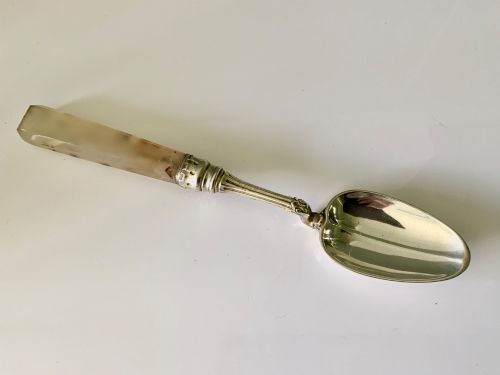
Carved handle cutlery encompasses functional dining implements featuring grips shaped from organic or metallic materials, spanning utilitarian pieces to formal serving sets. When exploring carved handle cutlery on this page, you encounter items ranging from Victorian fruit knives to Regency serving spoons and fish servers.
The assortment on this page draws from the nineteenth century through the early twentieth century, taking in Victorian and Edwardian work alongside Japanese Meiji period examples and Ottoman folk art pieces. These items demonstrate how makers applied carving, shaping, and engraving to materials like mother-of-pearl, bone, antler horn, and silver.
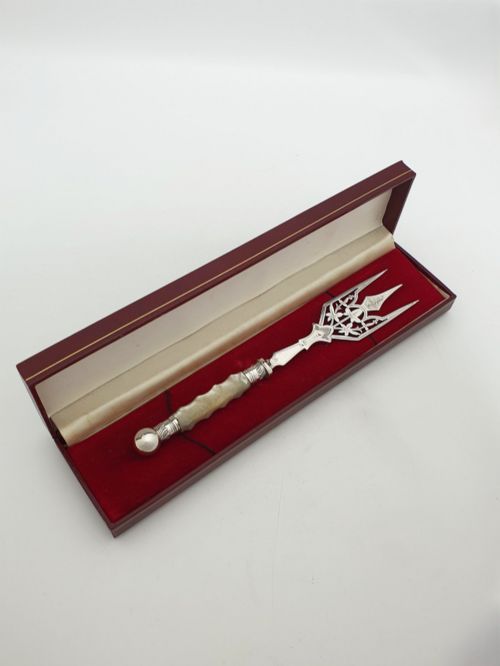
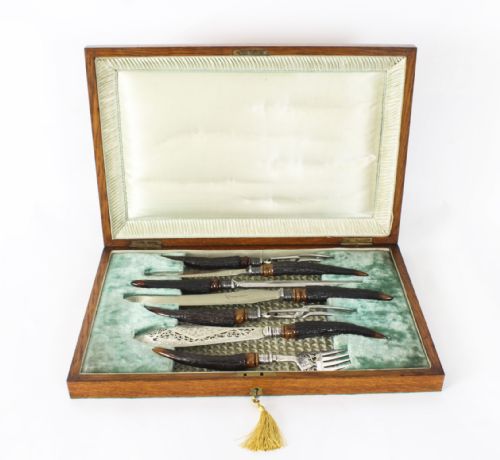
Most entries here comprise individual fruit knives, butter knives, stilton scoops, and paired carving sets complete with fitted cases or velvet linings. Each piece reveals the distinct hand of its maker through decorative motifs such as animal forms and foliate patterns.
Materials and construction
Makers fashioned the grips of carved handle cutlery from natural substances including mother-of-pearl, bone, antler horn, and wood, often shaping them by hand to fit the palm. These organic materials were paired with steel, silver, and silver plate for the blades, tines, and bowls.
Metal components frequently feature engraved or chased decoration, while handles show meticulous shaping, piercing, and surface carving. Craftsmen joined the grips to the metal shafts using pins, collars, or ferrules to secure the assembly for regular use.
Carved Handle Cutlery Retail Price Guide 2026
Typical asking prices for carved handle cutlery among the pieces listed under this phrase on Sellingantiques today, from the lower quarter to the upper quarter. They describe what is for sale here now, not the wider market.
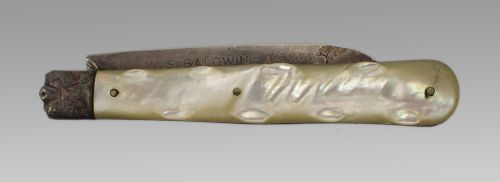
A nineteenth-century pocket knife depicts a monkey stealing the moon, proving that Victorian tablewares possessed a distinct sense of humour.
Judging quality and craftsmanship
Quality in carved handle cutlery rests on the crispness of the carving and the integrity of the join between the grip and the metal shaft. Superior examples display deep, deliberate carving without splitting in organic materials like bone or mother-of-pearl.
The grade of the metal and the precision of any engraved decoration further distinguish finer pieces from standard utilitarian work. Preserved original cases and matching fitted sets elevate the standing of the items within their period.
The Carved Handle Cutlery Glossary
- Mother of pearl
- The iridescent inner layer of mollusc shells, frequently carved into scaled or smooth handle panels for fruit knives and butter knives. This material brings a lustrous sheen to nineteenth century cutlery.
- Antler horn
- The shed material of cervid animals, utilised for robust grips on carving sets and serving implements. Its textured surface offers a secure, tactile hold.
- Bifurcate
- Divided into two branches or prongs, as seen on specific serving spoons and forks designed for specialised foods. This configuration assists in lifting items cleanly.
- Stilton scoop
- A specialised utensil featuring a deep, half-cylinder blade designed for tunneling into hard cheeses like Stilton. These often feature decorative silver bowls and carved handles.
- Meiji period
- The era in Japanese history spanning from eighteen sixty-eight to nineteen twelve, noted here for detailed decorative carving on items such as pocket knives. Work from this time often incorporates narrative motifs.
Carved Handle Cutlery: Frequently Asked Questions
What is carved handle cutlery used for?
These implements serve specific dining and serving tasks, from slicing fruit and spreading butter to serving fish and carving meats at the table. Their decorative grips make them suited for formal presentation as well as functional use.
Many pieces were created as part of matched sets housed in fitted boxes, while others survive as individual pocket knives or specialty serving spoons. Their varied forms reflect the specific dining habits of the nineteenth and early twentieth centuries.
How do I care for antique cutlery?
Gentle handling and hand washing in warm, soapy water protect organic handle materials like mother-of-pearl and bone from damage. Harsh detergents and soaking can cause natural grips to warp, split, or lose their surface polish.
Storage in dry conditions prevents corrosion on steel blades and tines while preserving any original velvet-lined cases. Regular, careful use helps maintain the structural stability of the joints securing the handles.
How do I identify Victorian pieces?
Victorian items often display characteristic stylistic markers such as ornate foliate engraving on silver components and shaped mother-of-pearl grips. Maker marks and hallmarks stamped onto the metal parts frequently provide clues to the exact decade of manufacture.
The presence of fitted wooden boxes with velvet or satin interiors also points toward nineteenth-century production standards for presentation cutlery sets. Comparing decorative motifs helps distinguish these items from later Edwardian or twentieth-century examples.
What materials are the handles made from?
Handles incorporate a range of natural and manufactured substances including mother-of-pearl, bone, antler horn, wood, and silver. Each material imparts a distinct weight, texture, and visual appearance to the implement.
Organic materials required careful shaping by craftsmen to ensure a comfortable grip and a secure fit against the metal bolster. The variety of materials reflects both aesthetic preferences and functional requirements across different periods and regions.