



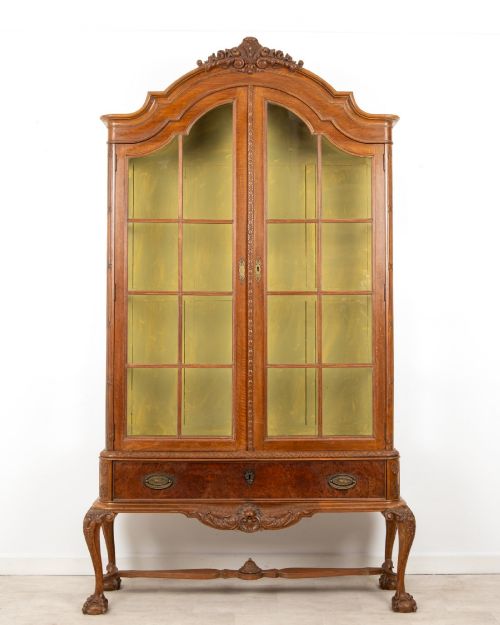
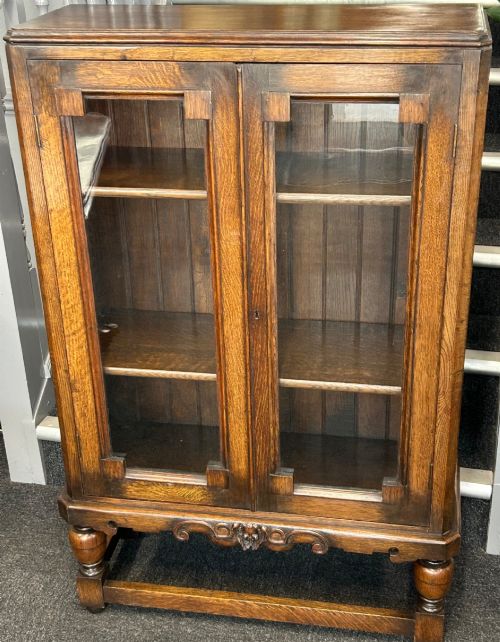
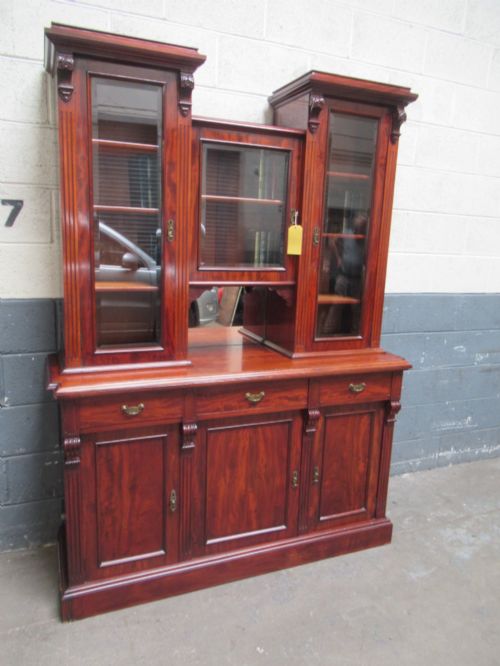
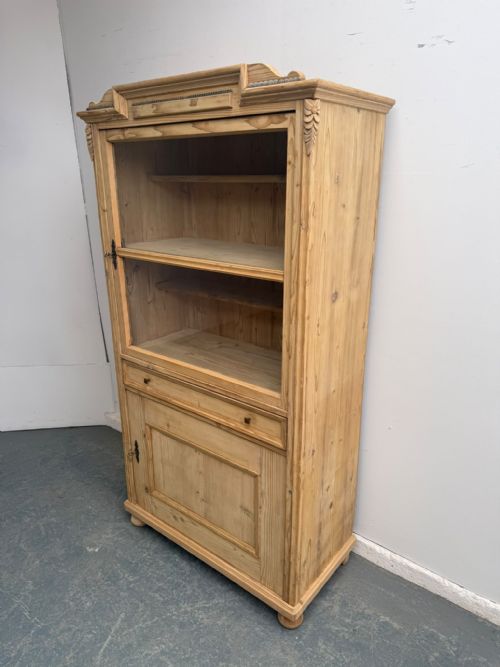


Carved Glass Door Cabinet
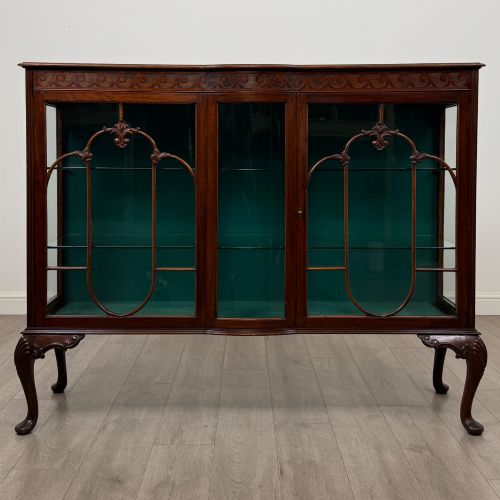
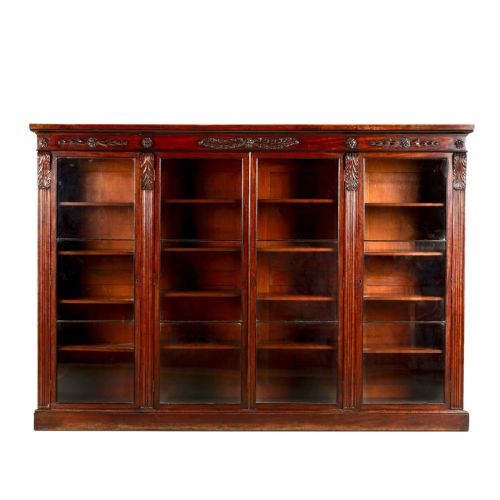
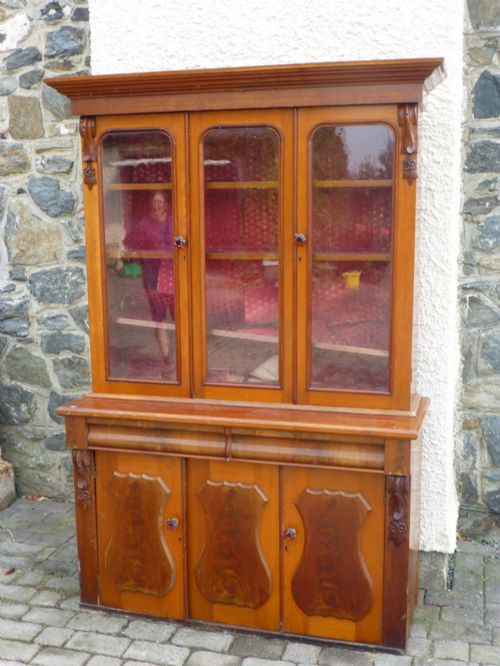
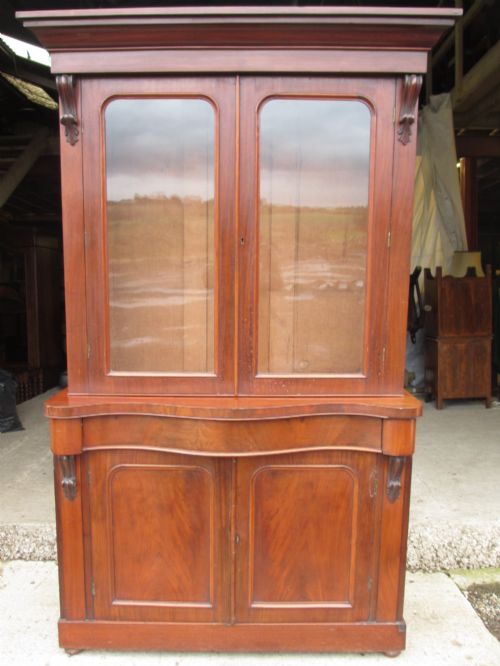
A carved glass door cabinet brings structural warmth and glass-fronted display space to a room, housing books and collections behind timber frames.
Carved Glass Door Cabinet
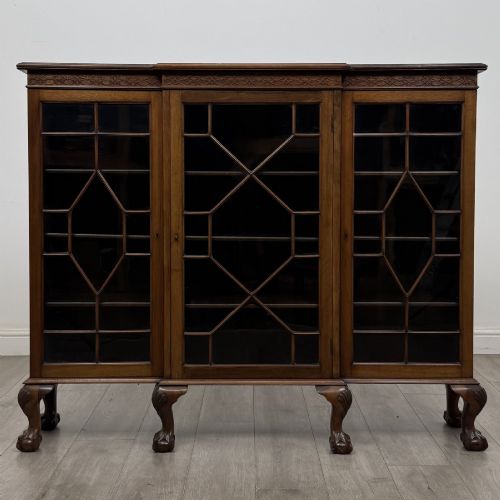
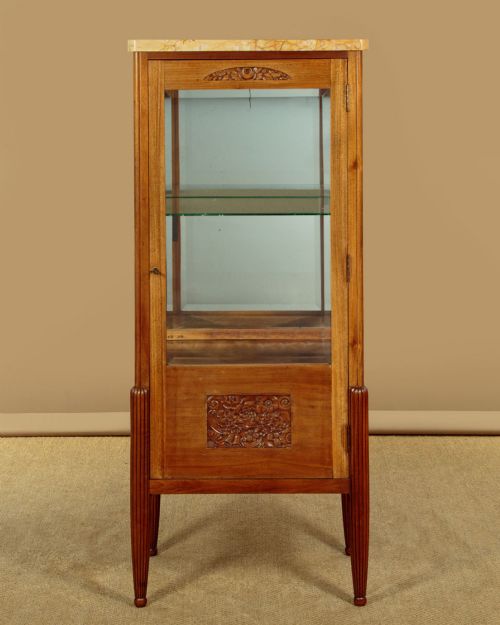
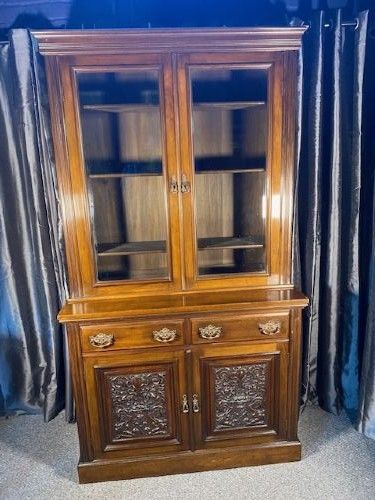
A carved glass door cabinet combines timber construction with glazed panels to display and protect contents. The selection spans distinct forms including display cabinets, bookcases, sideboards, credenzas, and dressers.
The pieces emerge across several periods, running from mid-nineteenth century examples through Victorian and Edwardian iterations into early twentieth-century designs. Revival styles such as Jacobean, Chippendale, and French Rococo frequently shape the aesthetic.
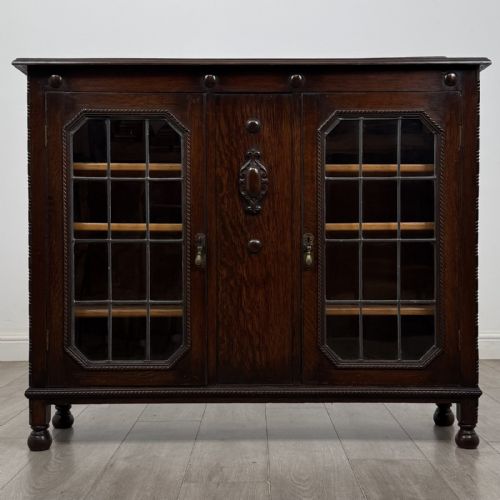
Buyers most commonly encounter mahogany, walnut, and oak structures, alongside rosewood and burr walnut variations. Glazing ranges from plain glass to leaded panels set within carved wooden doors.
How they were made
Cabinet makers utilised dense hardwoods such as mahogany, walnut, oak, and rosewood for the primary frames and carcases. Burr walnut and satinwood veneers added decorative grain patterns to prominent surfaces.
Glass panels were secured within rebated timber frames, sometimes supplemented by lead came or brass fittings. Carved panels, marquetry inlay, and brass hardware completed the construction of these glazed storage pieces.
Carved Glass Door Cabinet Retail Price Guide 2026
Typical asking prices for carved glass door cabinet among the pieces listed under this phrase on Sellingantiques today, from the lower quarter to the upper quarter. They describe what is for sale here now, not the wider market.
Listings feature oak, mahogany, walnut, and rosewood cabinets spanning the Victorian, Edwardian, and Regency periods.
What varies in quality
The refinement of the timber carving and the choice of primary wood distinguish standard utility pieces from high-end examples. Figured veneers, such as burr walnut or detailed marquetry inlay, indicate superior workshops.
Structural integrity relies on the precision of the joinery and the original quality of the brass hardware and leaded glass work. Cabinets retaining their original glass and uncompromised timber frames command greater appreciation.
Warings·C Hindley and Sons
The Carved Glass Door Cabinet Glossary
- Vitrine
- A glass-fronted display cabinet designed specifically for showing porcelain and small collectibles. These pieces often feature glazed sides as well as doors.
- Credenza
- A low-profile side cabinet, frequently with doors enclosing shelving, originating in the nineteenth century. They often incorporate mirrored backs or marble tops.
- Marquetry
- Decorative inlay work using various coloured wood veneers to create pictorial or geometric patterns on cabinet surfaces. This technique requires considerable skill from the artisan.
- Leaded glass
- Small panes of glass held together by strips of lead, known as cames, forming geometric or decorative window patterns. This method appears frequently in Edwardian and later cabinet doors.
- Burr walnut
- Timber taken from a growth on a walnut tree, yielding highly swirled and mottled grain patterns. Cabinet makers prized this wood for high-status furniture.
Carved Glass Door Cabinet: Frequently Asked Questions
How do I date a carved glass door cabinet?
Dating relies on identifying the prevailing timber choices, revival styles, and construction methods used in the piece. Victorian and Edwardian examples often display specific moulding profiles and hardware that align with nineteenth and early twentieth-century production.
Examining the interior timber and the backing boards provides further clues to the manufacturing era. Cabinet styles shifted from heavy carved oak in Jacobean revival pieces to lighter satinwood and mahogany designs by the Edwardian period.
Can I use a display cabinet as a bookcase?
Many glazed cabinets function effectively for storing and displaying books alongside decorative objects. The adjustable shelving found in many nineteenth-century bookcases accommodates varying book heights.
Depth is the primary consideration when storing volumes behind glass doors. Measuring the interior shelf depth ensures larger folios fit comfortably within the cabinet carcase.
What is the difference between a credenza and a vitrine?
A credenza is typically a low, wide side cabinet designed for formal living spaces, often featuring enclosed cupboards and a decorative top surface. A vitrine is a tall display cabinet built predominantly to showcase objects through transparent glass.
While both utilise glass doors in certain regional styles, their proportions and primary functions differ within a room scheme. Credenzas provide solid surface display area on top, whereas vitrines focus the eye on internal vertical shelving.
How should I care for antique walnut furniture?
Maintaining antique walnut involves keeping pieces away from direct sunlight and steady sources of artificial heat. Environmental stability prevents the timber and applied veneers from drying out or splitting.
Applying a traditional beeswax polish helps nourish the grain and maintain the surface sheen. Regular dusting with a soft, dry cloth prevents particulate build-up on carved wooden details.