

Carved Furniture Set
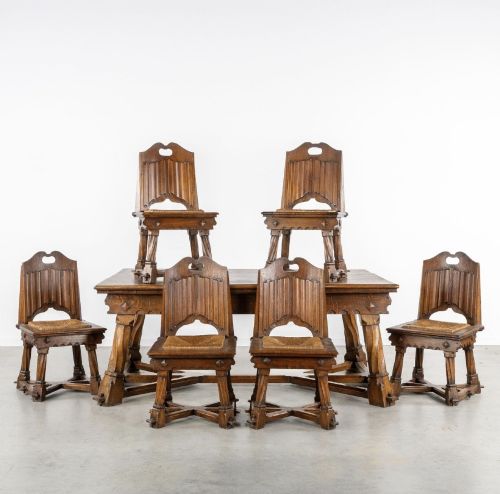
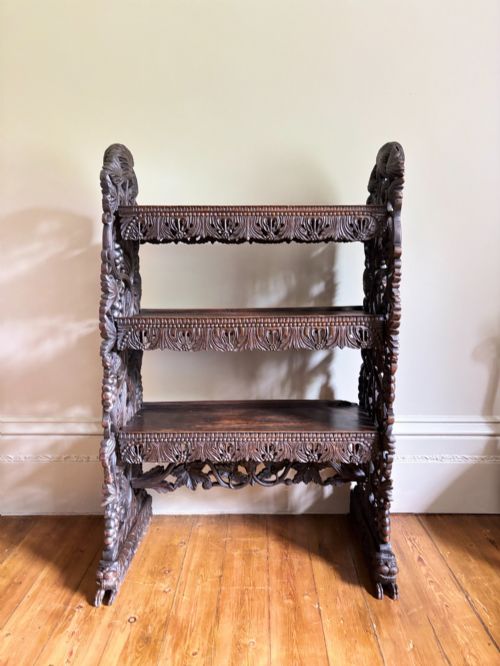
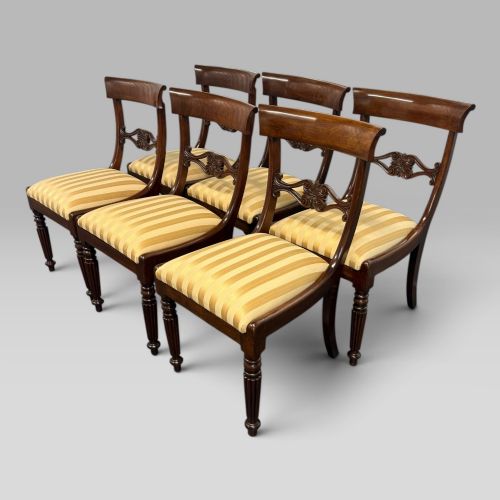
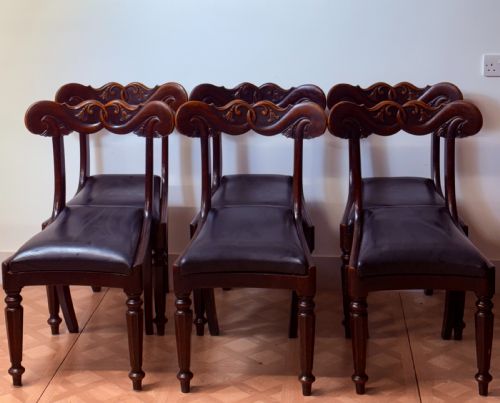
A carved furniture set brings matched harmony to a room, offering coordinated seating, dining, or salon groups shaped by skilled hands.
Carved Furniture Set
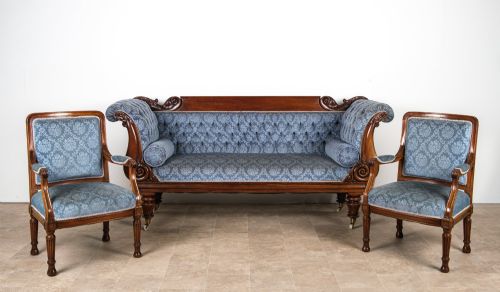
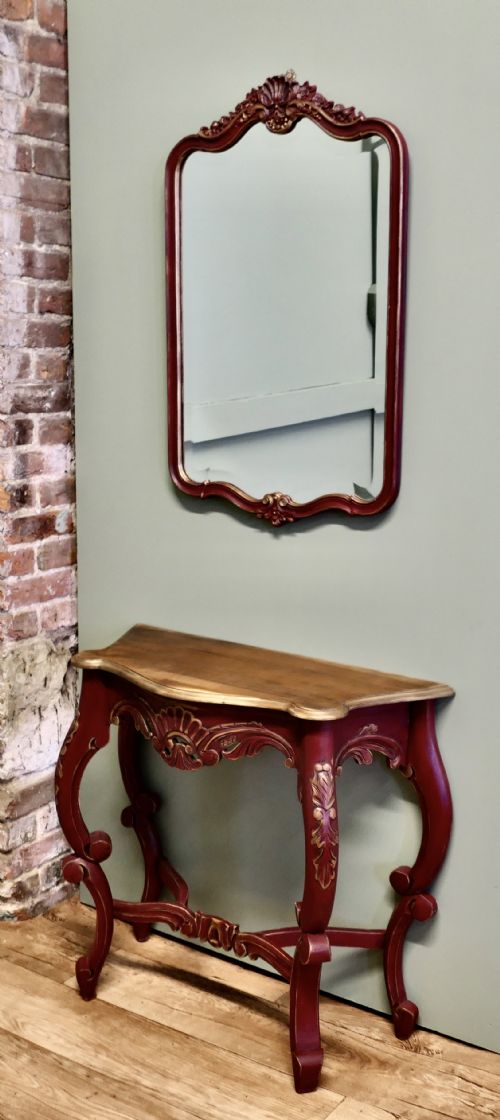
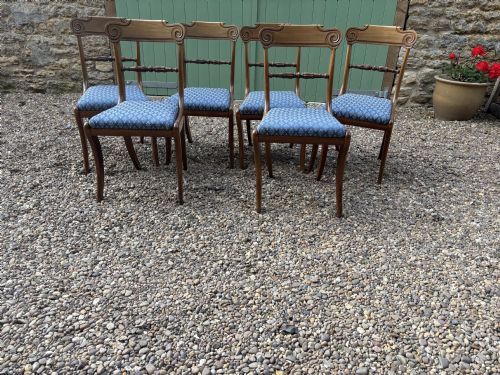
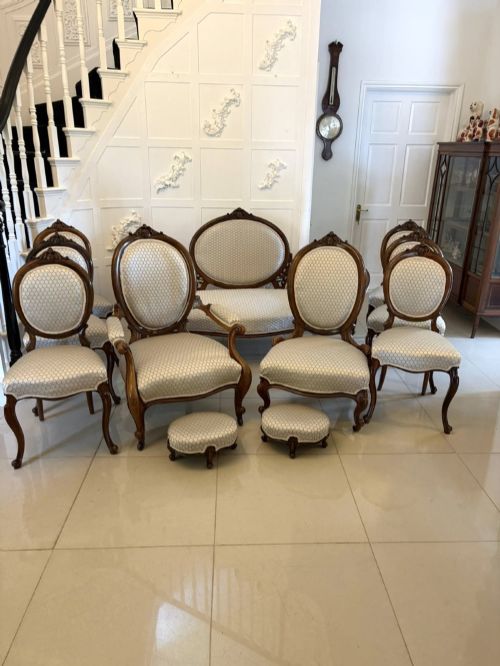
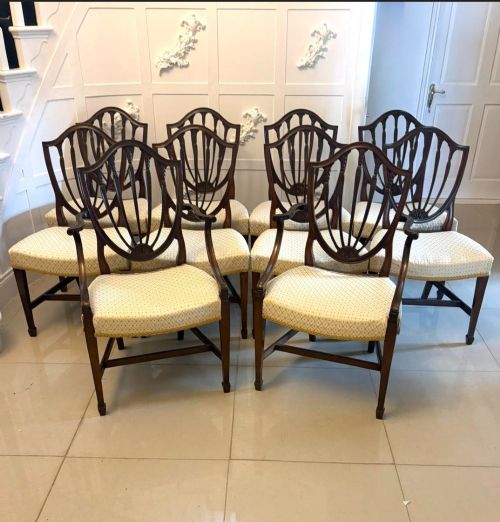
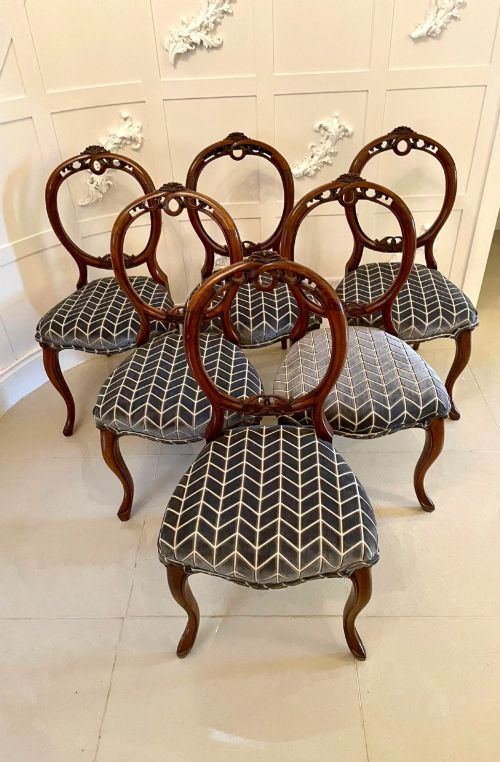
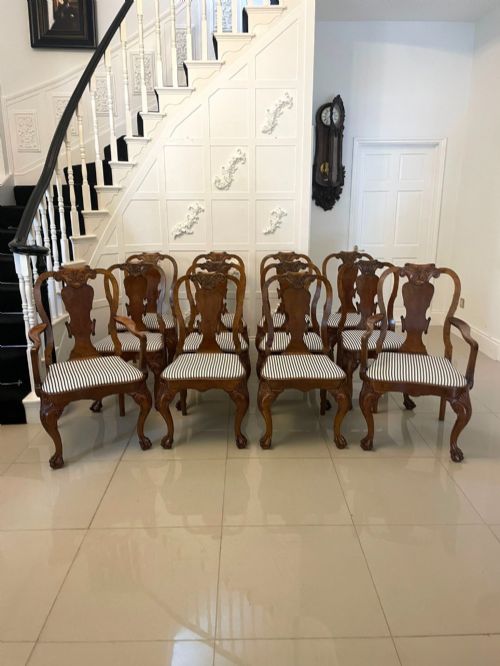
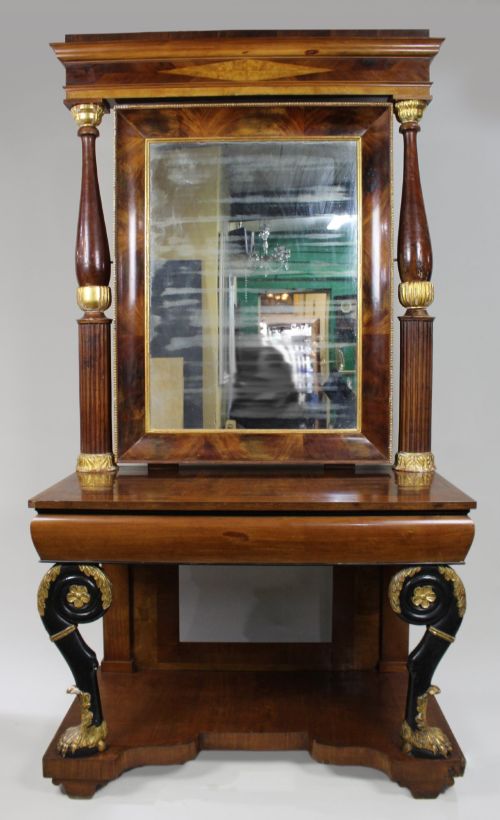
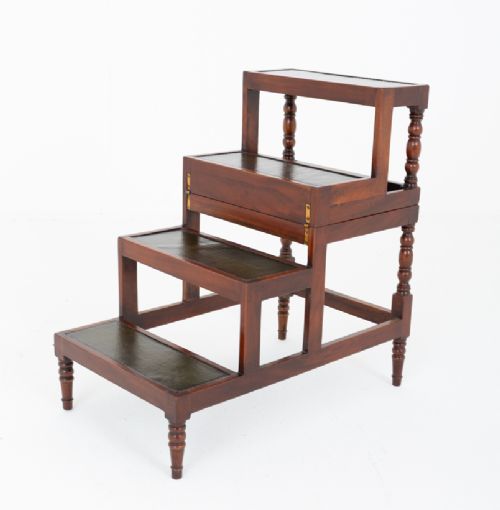
A carved furniture set groups related pieces designed to furnish a room with unified style and shared decorative motifs. When searching for a carved furniture set, buyers encounter large dining assemblies, multi-piece salon suites, and matched console tables with pier mirrors originating from the eighteenth century onwards.
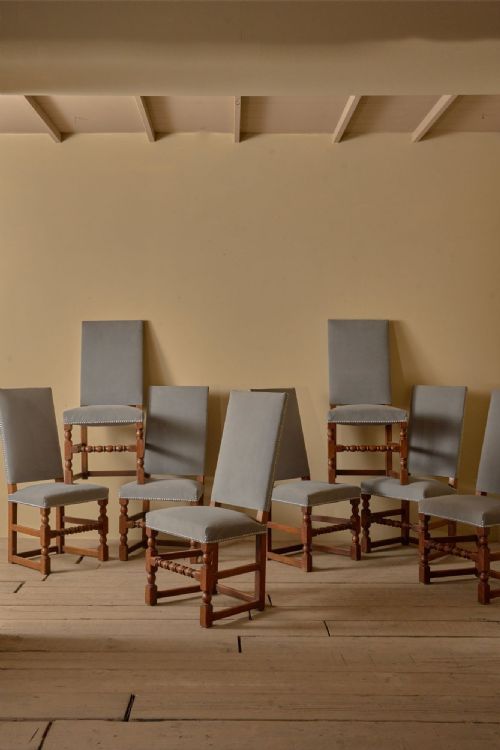
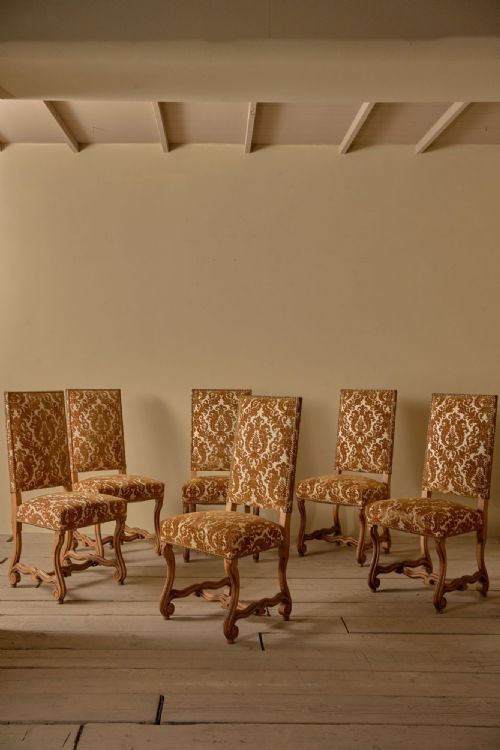
The selections span distinct periods including the Victorian era, Regency, Edwardian years, and Arts and Crafts movement. Dining chairs appear frequently in groups ranging from four to twelve pieces, alongside comprehensive bedroom and drawing room suites.
Materials and construction methods
Cabinetmakers utilised robust hardwoods such as mahogany, walnut, oak, rosewood, and padauk to build these matched groups. Timber selection dictated the depth and crispness achievable through manual chisel work and relief carving.
Surfaces often received parcel gilding, brass inlay, or polished finishes to highlight the grain of the wood. Upholstered elements incorporated textile and fabric coverings fixed to internal frames.
Carved Furniture Set Retail Price Guide 2026
Typical asking prices for carved furniture set among the pieces listed under this phrase on Sellingantiques today, from the lower quarter to the upper quarter. They describe what is for sale here now, not the wider market.
Factors determining quality
The calibre of a carved furniture set rests upon the depth, precision, and artistry of the hand-carved ornamentation across every constituent piece. Superior examples display consistent detailing where secondary items in a suite receive the same sculptural care as the principal seats or tables.
Timber selection and structural integrity also divide standard production from exceptional craftsmanship. Uniformity of grain, robust joinery, and original matching components elevate the standing of a complete ensemble.
Maple and Co·Jack Grimble·Strahan·Waring and Gillows
The Carved Furniture Set Glossary
- Salon suite
- A coordinated grouping of drawing room seating comprising a sofa, armchairs, and side chairs designed for formal entertaining. These suites share identical wood framing and upholstery textiles.
- Pier mirror
- A large wall glass designed to hang directly above a console or hall table, frequently supplied as a matching pair with the table beneath. The frames share coordinated carvings and finishes.
- Carver chair
- An armchair featuring structural armrests, typically included as a pair within a larger set of dining chairs for the heads of the table.
- Parcel gilt
- A decorative technique where specific carved details on a wooden surface receive a thin application of gold leaf while the surrounding wood remains visible.
- Refectory table
- A long dining table supported by fixed legs and heavy stretchers, originating in communal dining halls and constructed from solid oak.
Carved Furniture Set: Frequently Asked Questions
How do I care for antique wood suites?
Maintain stable indoor humidity and shield polished timber surfaces from direct sunlight to prevent timber splitting and fading.
Apply high-grade beeswax sparingly and buff gently with a soft cloth to nourish the grain without building up heavy residue.
Were dining sets originally sold together?
Many large dining groups and salon suites were commissioned as unified suites from single cabinetmakers or retail furnishers.
Some larger sets combine matched chairs assembled later to create a uniform dining configuration of appropriate size.
Where were salon suites placed?
Salon suites formed the focal point of formal drawing rooms and reception spaces during the Victorian and Edwardian eras.
They provided coordinated seating arrangements for hosting guests and conversing in domestic parlours.
What defines a console table set?
A console table and pier mirror set combines a wall-mounted or freestanding side table with a matching vertical mirror.
This pairing originated to reflect light within formal hallways and reception rooms while providing surface space.