



Carved French Panel Bed
A carved french panel bed brings architectural depth and European romance into a bedroom, offering substantial woodwork and decorative panelling.
Carved French Panel Bed
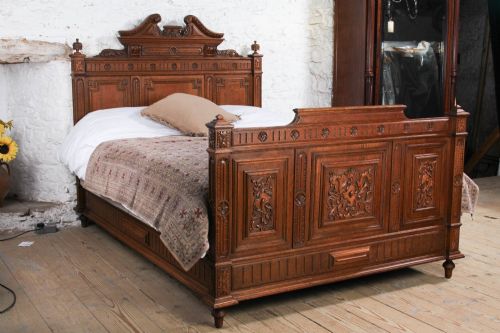
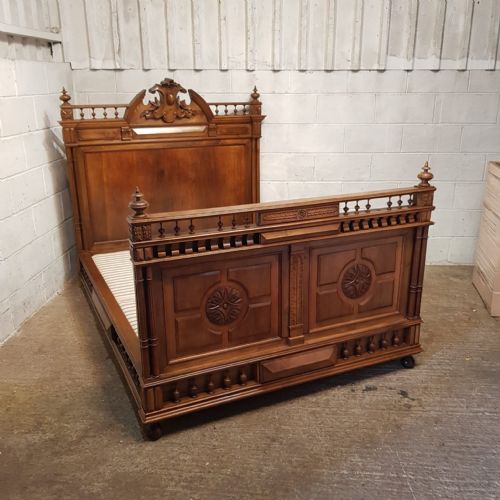
A carved french panel bed represents a tradition of heavy timber framing and ornamental woodwork originating from continental workshops. Buyers searching this phrase encounter substantial bed frames, bed steads, and occasional storage pieces reflecting historical Revival styles.
The pieces on this page span from the seventeenth century through to the early twentieth century, with nineteenth and early twentieth-century revivals predominating. Walnut, oak, and rosewood form the structural backbone of these substantial sleeping quarters.
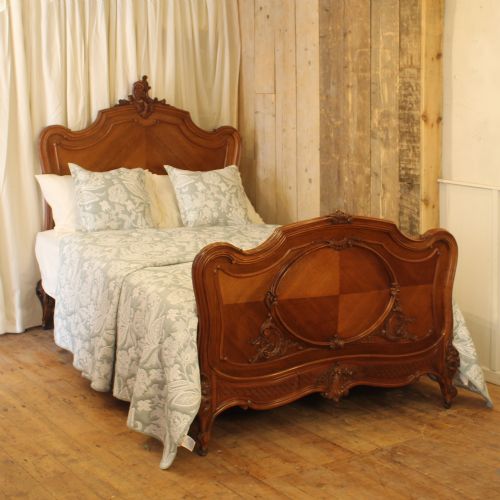
Stylistic influences range from Louis XVI Revival and French Rococo to French Renaissance Revival and Provincial designs. Variants include double, king, and emperor sizes alongside single bed steads, often featuring floral panels, portraits, or parquetry.
Materials and construction methods
Carpenters utilised solid timber and veneers, particularly walnut and oak, alongside painted wooden surfaces and polychrome finishes. Some examples incorporate canework, brass fittings, and painted leather panels to add texture and visual contrast to the heavy framework.
Cabinet makers deployed traditional joinery to construct robust headboards and footboards featuring deep relief carving. Hand-painted floral and portrait panels demonstrate the decorative arts applied directly to structural furniture elements.
Carved French Panel Bed Retail Price Guide 2026
Typical asking prices for carved french panel bed among the pieces listed under this phrase on Sellingantiques today, from the lower quarter to the upper quarter. They describe what is for sale here now, not the wider market.
Listings span from seventeenth-century oak coffers to early twentieth-century painted double beds.
Evaluating craftsmanship and design
The distinction between standard production and finer examples lies in the depth and execution of the wood carving. Crisp relief work on walnut or oak frames separates standard factory output from pieces demanding greater artistic skill.
Surface treatment dictates visual impact, ranging from plain timber grains to elaborate hand-painted portrait panels and parquetry. The integration of complementary materials like brass hardware and cane inserts elevates the overall design.
The Carved French Panel Bed Glossary
- Bedstead
- A framework of a bed supporting the mattress and springs. It often includes decorative headboards and footboards.
- Parquetry
- Geometric mosaic woodwork used for decorative inlay on furniture surfaces. This technique creates patterned wooden floors or panel inserts.
- Polychrome
- The practice of decorating architectural elements or furniture in a variety of colours. Painted panels on these beds often display this multi-coloured technique.
- Rococo
- An eighteenth-century style characterised by lightness, ornamentation, and curved forms. Revival pieces borrow these flowing vegetal motifs.
- Coffer
- A chest used for storing valuables, sharing construction methods and panel designs with contemporary bed frames.
Carved French Panel Bed: Frequently Asked Questions
How do I style a carved french panel bed?
Pair the substantial wooden frame with neutral linens to allow the carved headboard and footboard to remain the focal point of the room. Minimalist surroundings help balance the visual weight of heavy nineteenth-century woodwork.
Incorporate matching bedside cabinets or complementary antique storage pieces to unify the bedroom scheme. The decorative panelling works well against muted wall colours.
What sizes are available in these beds?
Listings include double, king size, emperor size, and single bed steads. Dimensions vary according to the original period and national sizing standards of manufacture.
Buyers should verify internal mattress dimensions, as older European frames can differ slightly from contemporary standard sizes. Custom mattress solutions may be required for older wooden bed frames.
How do I identify the period of a bed?
Examine the timber species, carving style, and construction methods used in the frame. Nineteenth-century pieces frequently employ revival motifs drawn from seventeenth and eighteenth-century design vocabulary.
Look for signs of hand tools, timber shrinkage, and the ageing of painted or polished surfaces. Stylistic labels such as Louis XVI or Henri II indicate the historical aesthetic guiding the maker.
Are these beds solid wood?
Construction typically combines solid timber elements like walnut or oak with decorative veneers applied to structural panels. Some pieces feature painted wooden panels or secondary woods beneath decorative surfaces.
Substantial framework ensures durability across centuries of use. The choice of wood often reflects regional workshop traditions and the prevailing style of the era.