

Carved Foot Pedestal Table
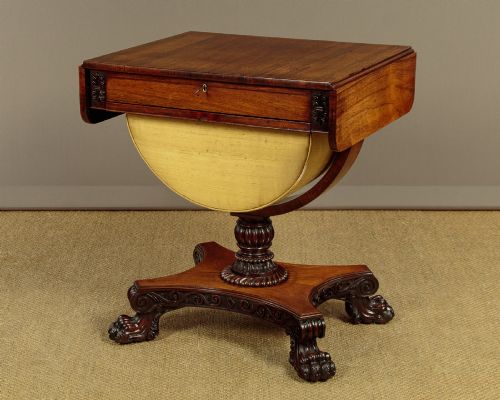
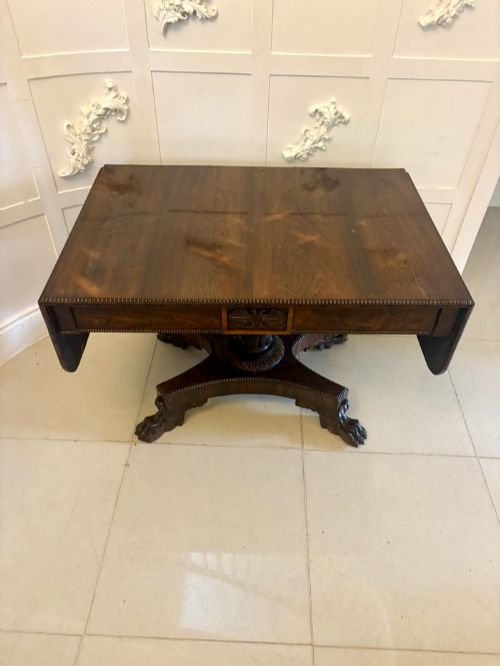
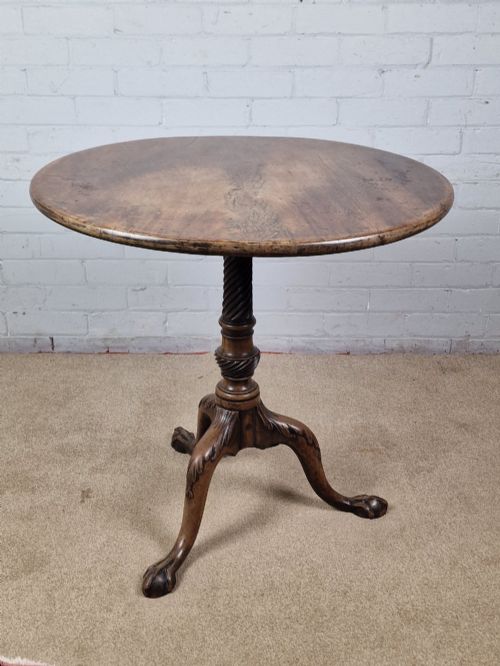
A carved foot pedestal table brings substance to a room, resting on a central column supported by sculpted feet.
Carved Foot Pedestal Table
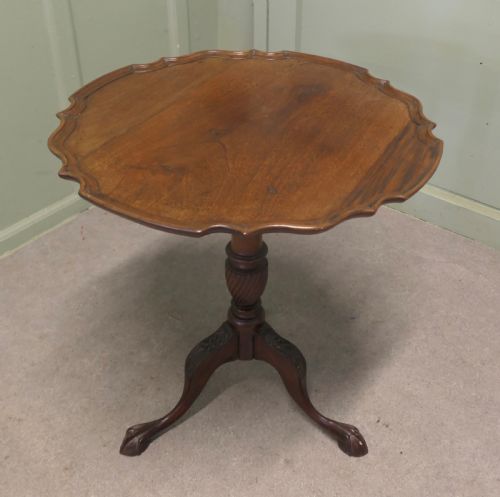
When searching for a carved foot pedestal table, buyers encounter a diverse range of formal and occasional furniture spanning the Georgian, Regency, and Victorian periods. These pieces include centre tables, dining tables, card tables, and breakfast tables designed with a central pillar support.
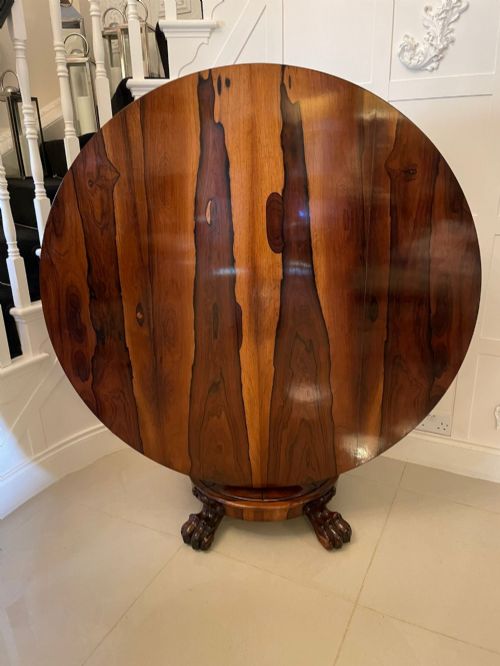
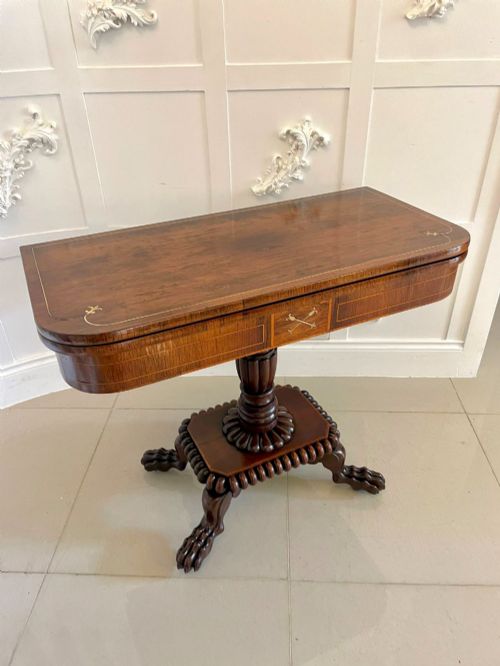
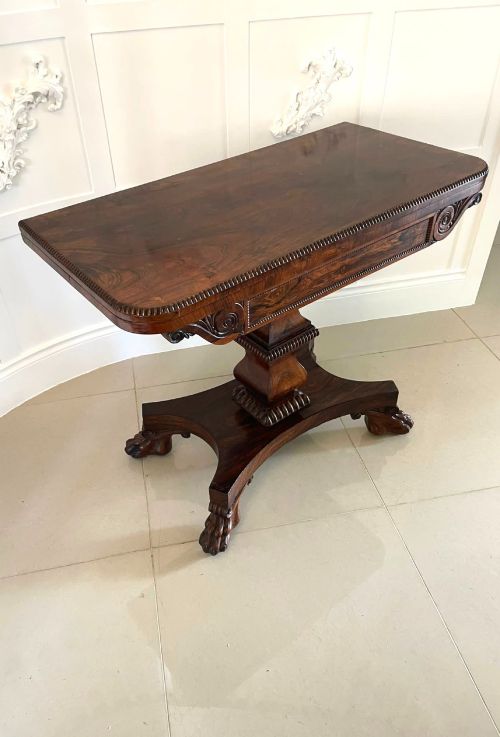
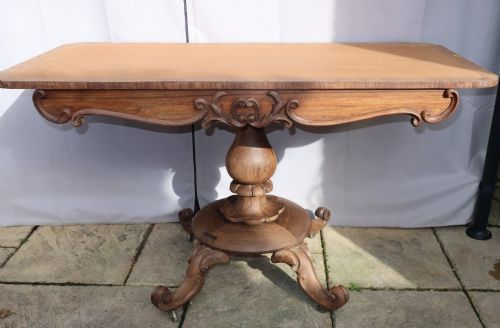
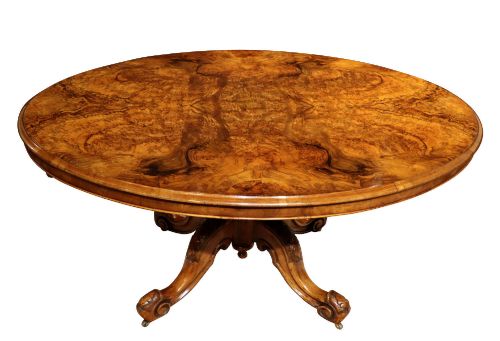
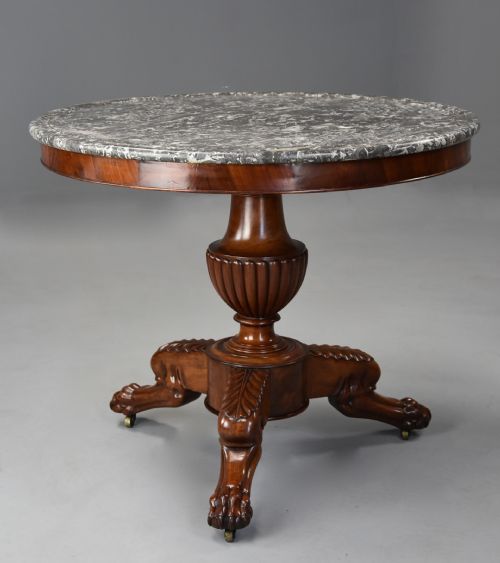
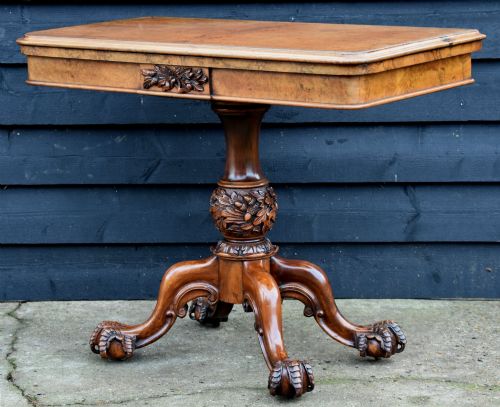
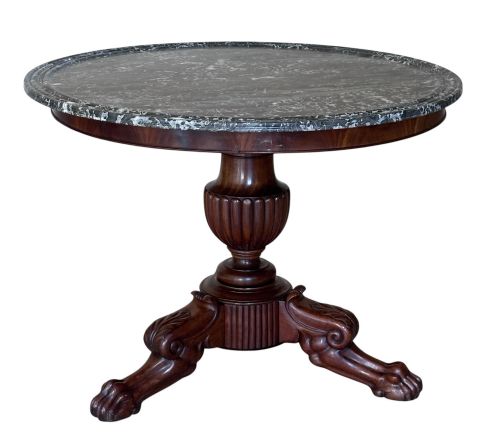
The most common form on this page is the circular rosewood or mahogany breakfast or centre table dating from the nineteenth century, often featuring a triform or quadrapod base. Examples from the Regency and William IV eras frequently display robust column supports terminating in carved paw or scroll feet.
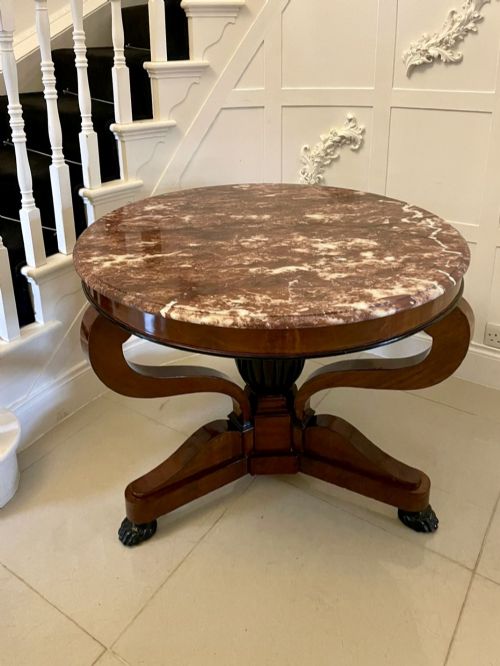
Origins stretch across British, French, and Italian workshops, incorporating materials such as burr walnut, satinwood, and white marble. The structural format relies on the weight of the central pedestal to maintain stability without the need for traditional corner legs.
How they were made
Cabinet makers utilised dense hardwoods like rosewood, mahogany, and walnut, often applying finely figured veneers to table tops and pedestals. Solid timber sections were turned on lathes to form the central columns, while bases required precise joinery to bear the downward pressure of the top.
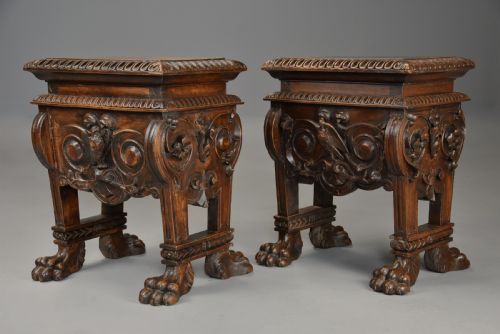
Carving was executed by hand on the solid wooden terminals of the base, shaping lions' paws, scrolls, or foliage directly into the foot blocks. Brass inlays, Ormolu mounts, and veined marble inserts were integrated into select French and Regency models to enhance the visual weight of the design.
Some tables double as fire screens, proving that nineteenth-century furniture was expected to multitask around the hearth.
What varies in quality
The distinction between ordinary and exceptional examples rests upon the crispness of the wood carving and the choice of timber figure. Superior pieces exhibit deeply undercut, expressive paw feet and symmetrical grain matching across expansive circular or oval tops.
Construction methods also dictate grade, where heavier internal framing prevents the tilting mechanism or pedestal column from developing structural play over decades of use. The integration of original materials, such as veined marble tops or brass inlay work, separates standard production from high workshop output.
Peters of Genoa·Gillows
The Carved Foot Pedestal Table Glossary
- Pedestal table
- A standalone table supported by a single central column rather than four corner legs. This configuration allows chairs to be tucked neatly around the perimeter.
- Tilt top
- A hinged table top that folds vertically to store flat against a wall when not in use. These mechanisms often lock into place with a brass catch.
- Triform base
- A three-sided platform base resting on three distinct feet. It provides a stable footing for heavy nineteenth-century dining and breakfast tables.
- Gueridon
- A small French occasional table supported by a central pillar. They frequently feature marble tops and round wooden galleries.
- Snap top
- An alternative term for a tilt-top table utilising a spring-loaded catch to secure the horizontal surface. The design originated in earlier centuries for domestic convenience.
Carved Foot Pedestal Table: Frequently Asked Questions
Where did people place these tables?
These pieces sat prominently in the centre of principal rooms, parlours, and libraries where they could be approached from all sides. Their central pillar design allowed them to function as display surfaces for lamps, books, or decorative objects.
In larger spaces, circular breakfast and dining tables occupied the middle of the room, while smaller card and occasional versions stood against walls until needed for evening gatherings.
How do I care for a rosewood top?
Polishing requires gentle microfibre cloths and traditional beeswax to maintain the natural lustre of the timber without building up heavy chemical layers. Direct sunlight should be avoided to prevent the rich reddish-brown rosewood tones from fading unevenly.
Liquid spills need immediate attention to protect both the polished surface and the underlying veneer from moisture rings. Placing felt pads beneath heavy items prevents scratching on older polished finishes.
What is a tilt top used for?
The tilting mechanism allowed large tables to be stored flat against the perimeter of a room when floor space was required for other activities. This practical feature was common in domestic interiors where rooms served multiple daily functions.
During the day, the folded table functioned as a decorative screen or perimeter furniture piece before being lowered for breakfast or evening card games.
How do I date a pedestal table?
Dating relies on observing the combination of timber species, base geometry, and carving styles characteristic of specific nineteenth-century design movements. Regency and William IV pieces often display heavy scrollwork and brass paw feet, whereas later Victorian examples lean towards heavier burr walnut veneers and quadrapod bases.
Internal construction marks, screw types, and the method used to attach the top to the pedestal column provide further physical clues to the manufacturing decade.