

Carved Floor Light
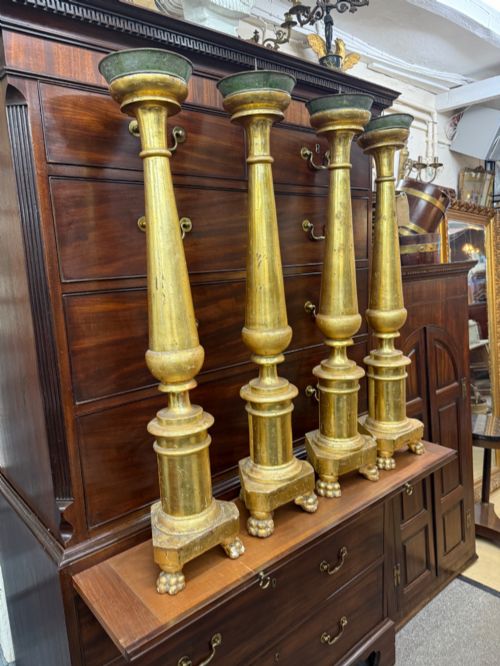
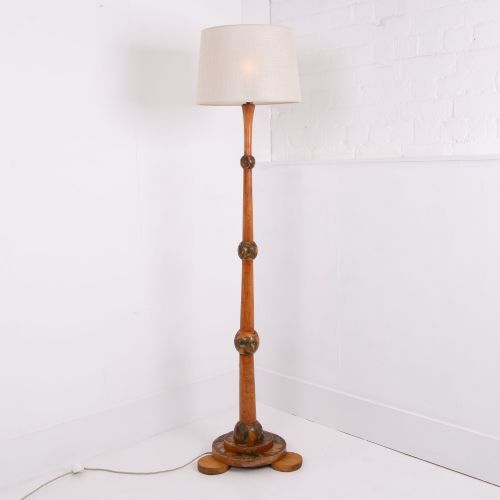
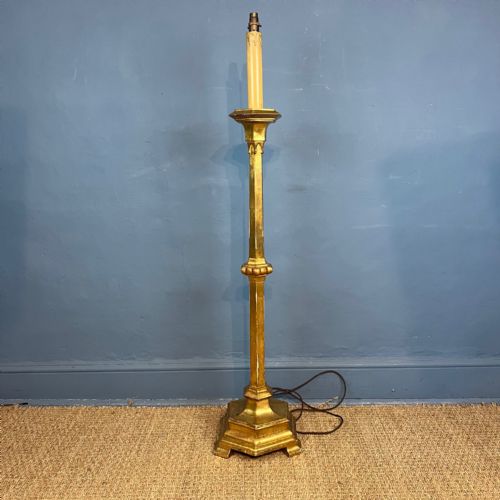
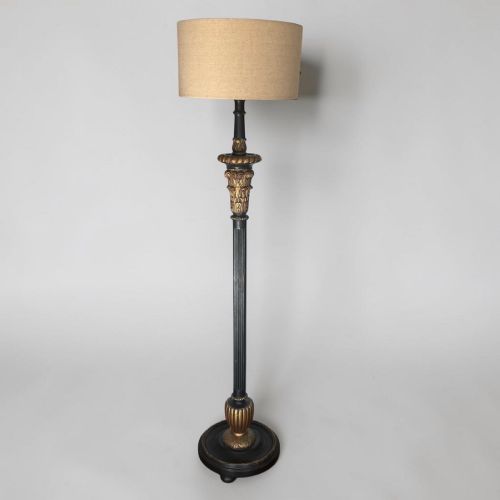
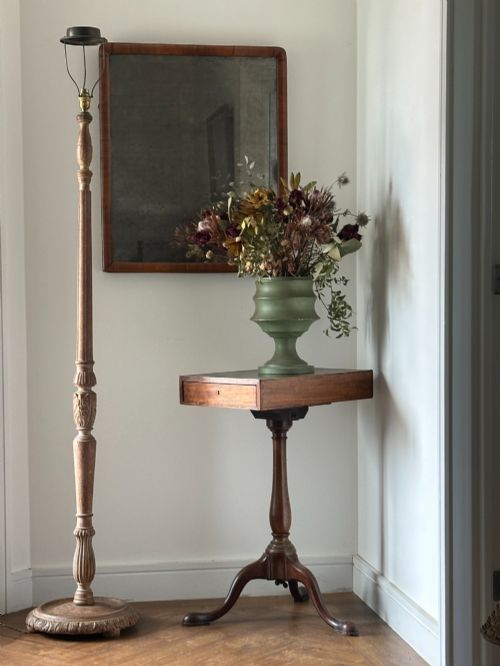
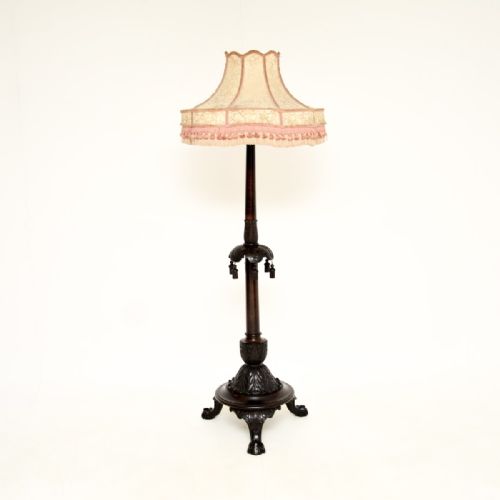
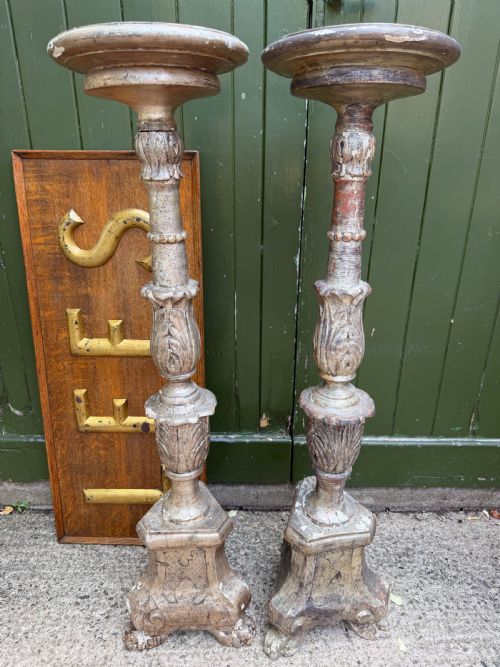
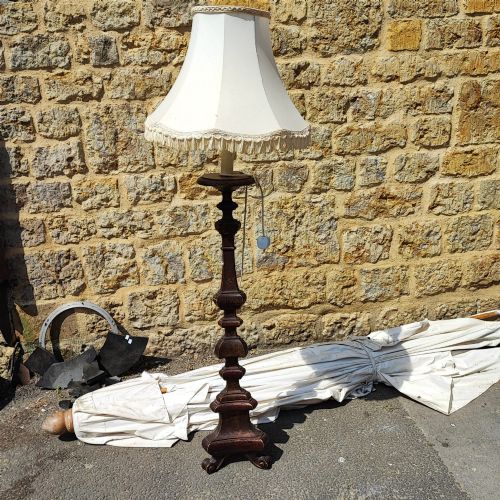
These carved floor light examples bring carved wood, giltwood and brass into a room, spanning the eighteenth century to the mid twentieth century.
Carved Floor Light
A carved floor light takes the form of standard lamps, torcheres, candle stands, and large candle holders originating across the nineteenth and early twentieth centuries. These pieces appear in styles ranging from Victorian and Edwardian to Italian Baroque, Gothic Revival, and Neoclassical Revival.
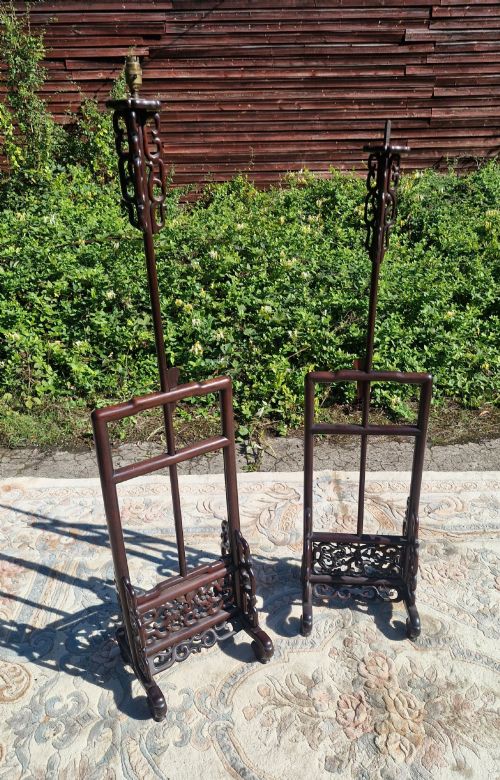
Makers and workshops across England, France, Italy, and China produced these tall light standards and candle holders in wood, metal, and gilt finishes. Standard lamps and torcheres adapt period carving traditions to hold modern electrical fittings or traditional candles.
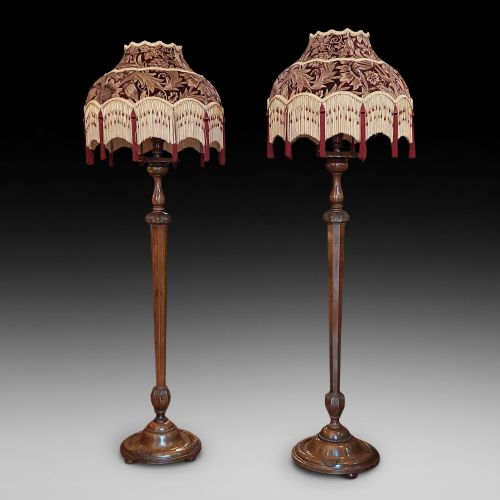
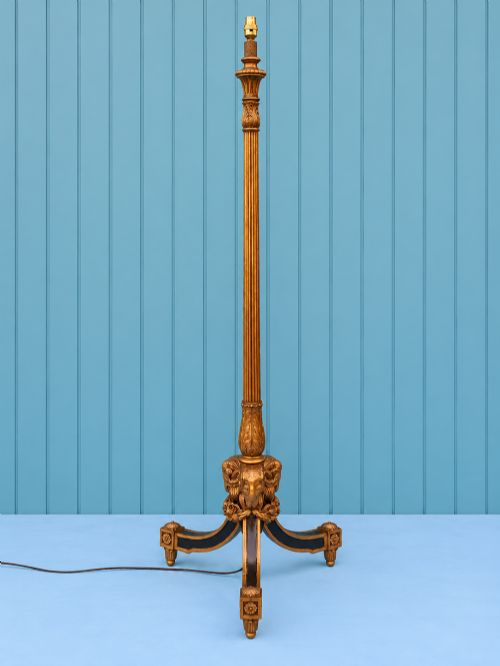
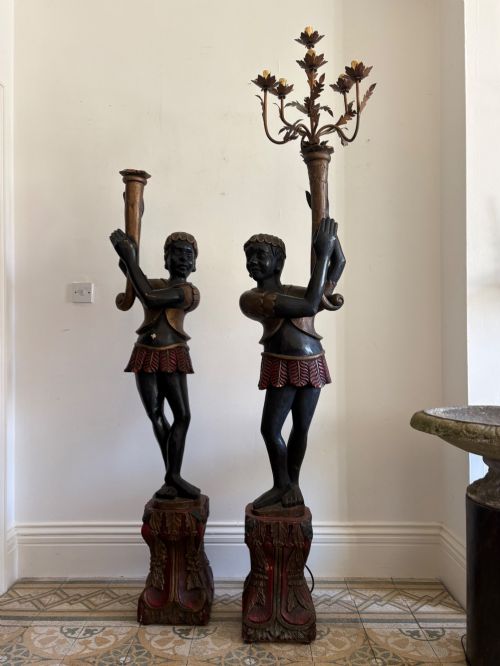
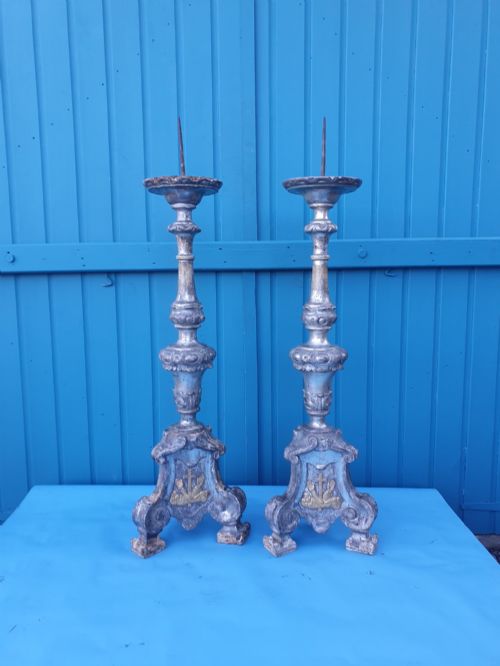
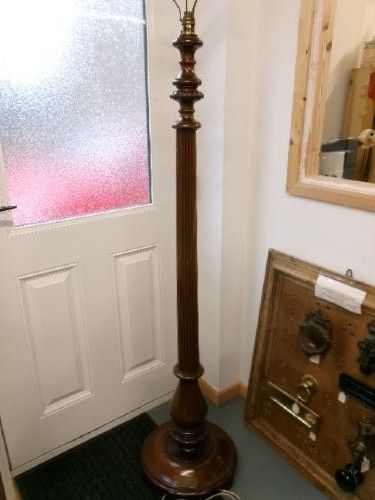
The selection here encompasses everything from walnut tripod bases and carved oak columns to elaborate giltwood figural stands and parcel gilt surfaces. Buyers encounter both single statement pieces and matched pairs designed for grand interiors.
How they were made
Carvers shaped timbers such as mahogany, oak, walnut, rosewood, and pine by hand, turning columns on lathes and applying intricate relief details. Giltwood and gesso pieces received layers of gold leaf or paint over prepared plaster and wood surfaces.
Makers utilised brass and ormolu mounts, bronze elements, and onyx inserts to accent the timber structures. Many taller standards and candle holders incorporate heavy weighted bases or tripod legs to maintain stability.
Carved Floor Light Retail Price Guide 2026
Typical asking prices for carved floor light among the pieces listed under this phrase on Sellingantiques today, from the lower quarter to the upper quarter. They describe what is for sale here now, not the wider market.
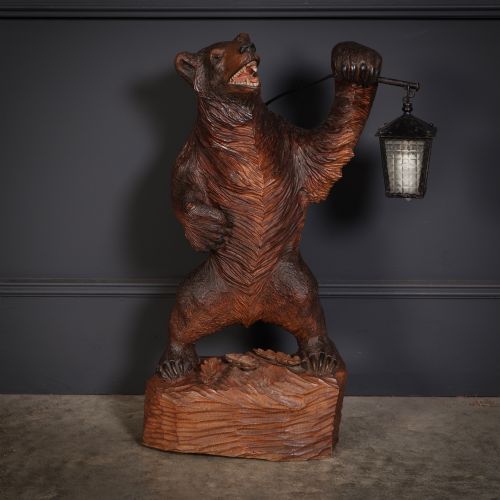
Among the towering torcheres and gilt standards, a carved Black Forest bear stands ready to hold a light.
What varies in quality
Depth and crispness of the hand-carving distinguish finer pieces from simpler commercial standard lamps. Relief work on acanthus leaves, figures, and turned columns reveals the hand of a skilled artisan rather than mechanical production.
The integrity of the giltwood, silvering, and polychrome surfaces separates superior examples from heavily restored or later painted alternatives. Original patination on woods like mahogany and walnut adds depth that heavy stripping and refinishing remove.
Harry and Lou Epstein
The Carved Floor Light Glossary
- Torchere
- A tall ornamental stand intended to carry a light, lamp, or candle. These pieces often feature carved wooden columns raised on tripod or pedestal bases.
- Giltwood
- Wood that has been coated with gold leaf or gold powder applied over a prepared gesso ground. This finish appears frequently on Italian Baroque and Neoclassical revival pieces.
- Standard Lamp
- A floor-standing lamp base designed to support a shade and electrical bulb. Many antique examples started life as oil lamps or candle stands before conversion.
- Blackamoor
- A European decorative art term for carved figural sculptures depicting dark-skinned figures, often serving as torchere stands or lamp supports in Venetian pieces.
- Parcel Gilt
- Woodwork or metalwork that is only partially gilded, leaving exposed timber grain or painted surfaces visible alongside the gold leaf.
Carved Floor Light: Frequently Asked Questions
What is a carved floor light?
A carved floor light is a tall standard lamp, torchere, or candle stand fashioned from wood or metal with decorative relief carving. These pieces range from nineteenth-century Victorian designs to earlier eighteenth-century Italian candle holders.
Craftsmen shaped these tall stands to illuminate large rooms, utilising materials like oak, mahogany, walnut, and giltwood. Many historic candle stands and oil lamp standards have been adapted for modern electrical wiring.
How do I date a carved floor light?
Dating relies on identifying the prevailing style, such as Gothic Revival, Neoclassical, or Italian Baroque, alongside the turning techniques and timber used. Mahogany and rosewood frequently point to nineteenth-century production, while heavier gilding often aligns with earlier decorative traditions.
Examining the construction joints, base weighting, and wiring access holes reveals whether a standard lamp was converted from an earlier oil lamp or candle holder. Comparing the carving depth to known period pieces helps narrow down the decade.
Were these lights originally electric?
Most antique floor lights were originally designed for candles or oil lamps rather than electricity. Standard lamps from the late nineteenth and early twentieth centuries frequently underwent conversion as domestic lighting evolved.
Adaptations often involve discreet channels drilled through the turned wooden column to house modern wiring. Buyers should inspect the fitting compartment to understand how past conversions affected the original structure.
How do I style a floor light?
Placing a tall carved standard lamp in a corner or beside seating creates ambient illumination and adds vertical architectural interest. Paired torcheres work effectively framing doorways, fireplaces, or large pieces of furniture.
Matching the wood tone or gilt finish to existing room furnishings helps integrate these substantial pieces into a scheme. Fabric shades can be selected to complement the period style of the carved base.