



Carved Figural Table
A carved figural table brings human and animal forms into domestic furniture, combining sculpture with functional design from the nineteenth and early twentieth centuries.
Carved Figural Table
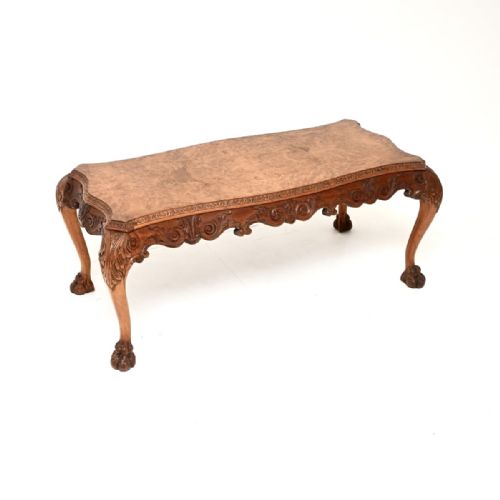
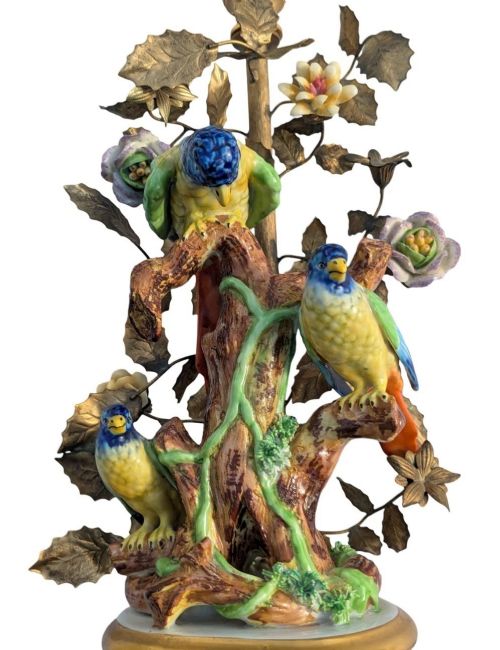
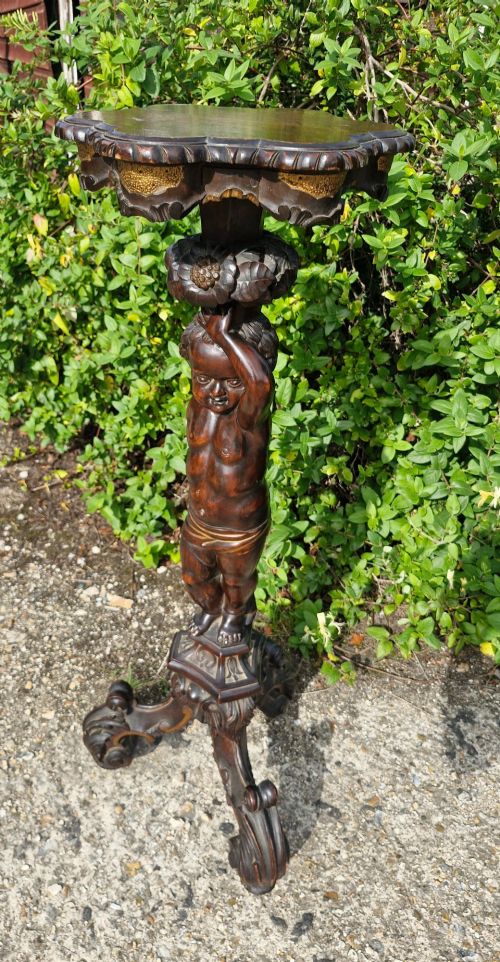
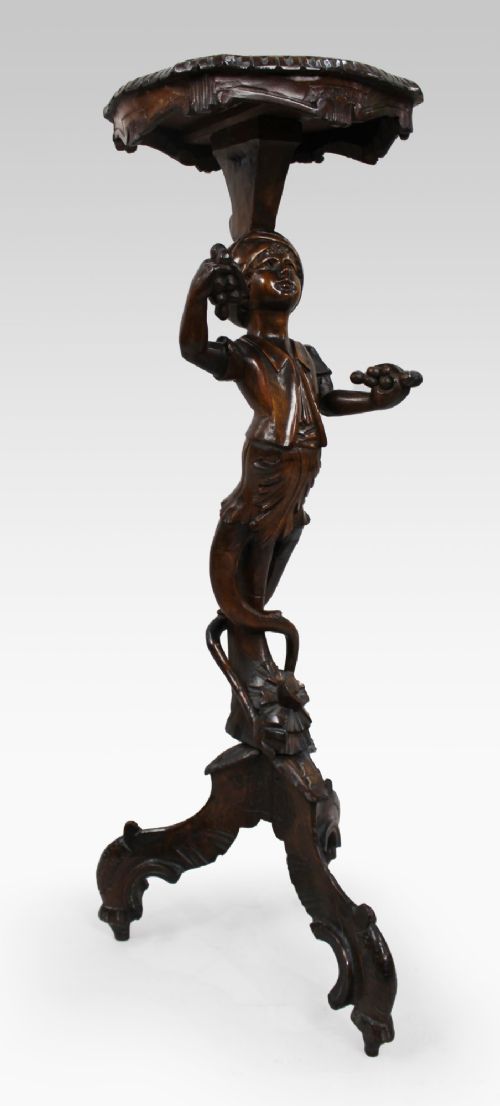
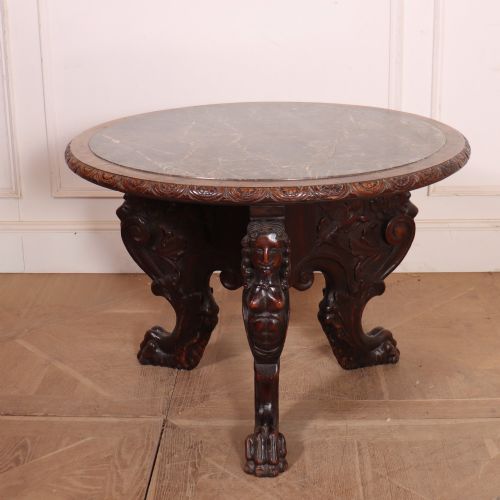
A carved figural table incorporates sculpted human figures, animals or mythical subjects directly into its structural support, functioning as a stand, pedestal or side table. These pieces emerge from diverse traditions spanning European revival styles, Swiss woodcarving and Asian craftsmanship.
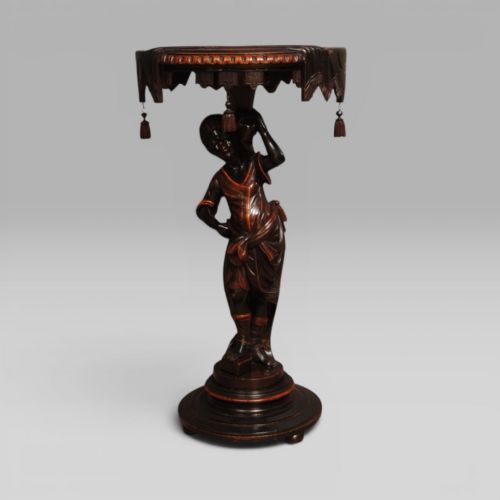
The most recognisable examples on this page include Venetian blackamoor tables, Black Forest stands and Anglo-Indian camel tables. These forms use carved figures to bear the weight of the tabletop or display surface above.
Makers and workshops across the nineteenth century and early twentieth century utilised regional timbers and local vernaculars to produce these striking items of functional sculpture.
Materials and construction methods
Carved Figural Table Retail Price Guide 2026
Typical asking prices for carved figural table among the pieces listed under this phrase on Sellingantiques today, from the lower quarter to the upper quarter. They describe what is for sale here now, not the wider market.
Listings feature works from the nineteenth century, Edwardian period and the 1920s, constructed in hardwood, walnut, alabaster and carved wood.
Distinctions in quality and execution
Quality rests upon the anatomical proportion and depth of the carving in the figural base. Finer examples display lifelike detailing in the hands, face and hair, whereas simpler pieces rely on generalised forms and repetitive chisel marks.
The integration between the figural support and the tabletop dictates the structural integrity. Superior works ensure the weight distributes evenly through the carved subject without looking clumsy or disjointed.
The Carved Figural Table Glossary
- Black Forest
- A style of woodcarving originating in Switzerland and Germany, known for realistic depictions of animals and natural elements in linden wood. These pieces often feature bears, foliage and rich dark finishes.
- Venetian Baroque Revival
- A theatrical nineteenth-century Italian style that revives the dramatic curves, ornamentation and figurative elements of the earlier Baroque period. It frequently employs polychrome and gilded surfaces on stands and tables.
- Root wood
- Timber sourced from the root system of a tree, appreciated for its gnarled, twisting grain and organic irregularities. Carvers use these natural contours to shape figural lamps and stands.
- Polychromed
- Painted in several colours, often used to give carved wooden figures realistic skin tones, garments and ornamentation. This technique appears frequently on Venetian figural supports.
- Cabriole leg
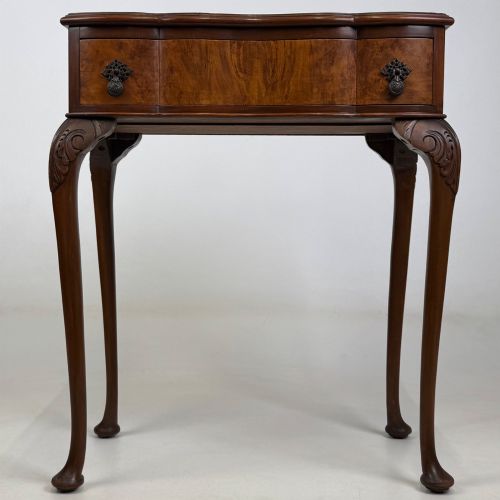
- A furniture leg that curves outward and then tapers inward, resembling the leg of an animal. It forms a common support on side tables from the Edwardian period.
Carved Figural Table: Frequently Asked Questions
What is a carved figural table?
A carved figural table is a piece of furniture where the base or support is formed by a sculpted human or animal figure. These items combine practical surface space with decorative sculpture.
They appear in various regional styles, including Venetian, Swiss and Anglo-Indian traditions, dating predominantly from the nineteenth and early twentieth centuries.
How do I identify a Black Forest table?
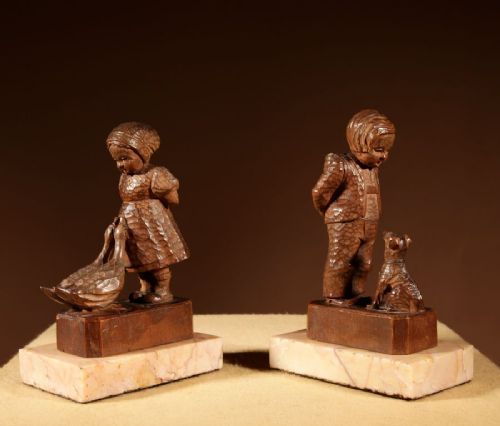
Black Forest pieces are characterised by naturalistic woodcarving, typically executed in linden wood, featuring animals, woodland motifs or human figures. They showcase deep, detailed relief work and dark natural wood tones.
Swiss and German workshops produced these items, which often double as stands, clocks or sculptures.
How should I care for a carved wooden table?
Keep carved wooden and figural tables away from direct sunlight and heat sources to prevent the timber from drying out or splitting. Dust the intricate crevices regularly with a soft, dry brush.
A light application of appropriate furniture wax helps maintain the finish of the wood without building up residue in the carved details.