


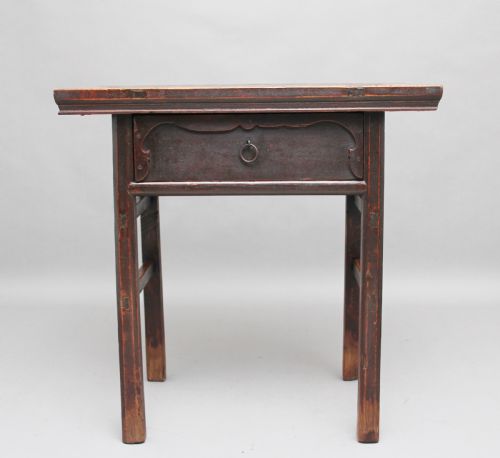

Carved Elm Furniture
Carved elm furniture brings together robust country timber and provincial craftsmanship from the seventeenth century onward.
Carved Elm Furniture
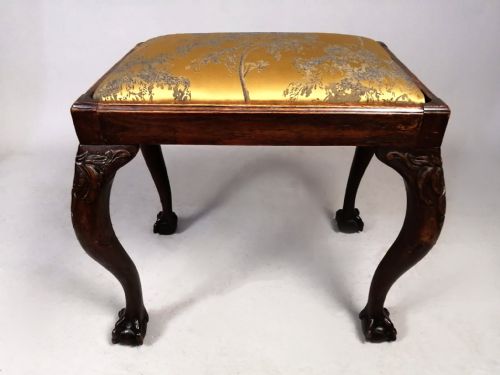
When you search for carved elm furniture, you encounter practical seating, tables, and storage pieces produced across English, European, and Chinese workshops. These items span periods from the seventeenth century through to the early twentieth century, reflecting both rustic vernacular traditions and formal provincial design.
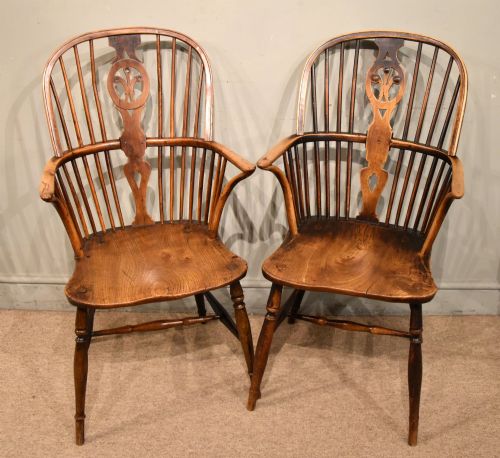
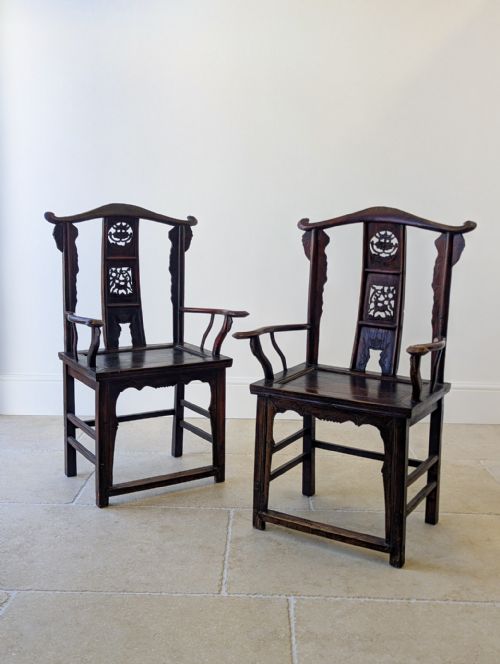
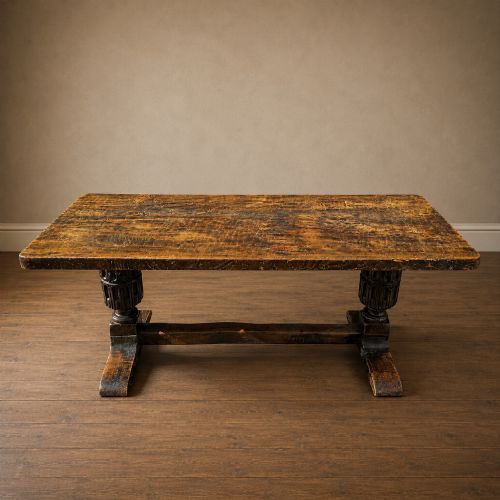
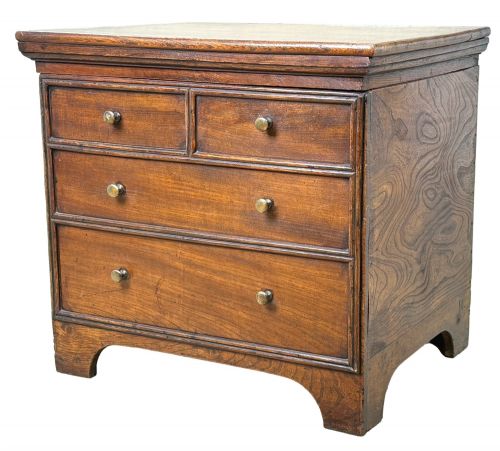
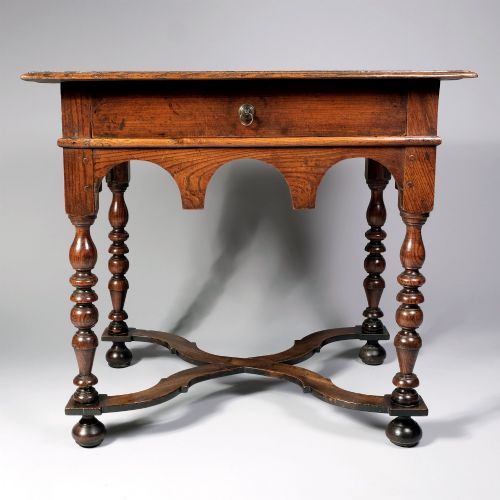
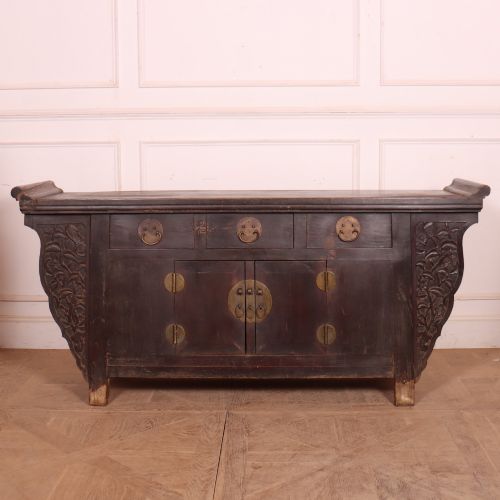
You are most likely to meet seating such as Windsor armchairs and country stools, alongside larger surfaces like refectory tables, side tables, and chests of drawers. The selection combines British country house items with continental provincial pieces and nineteenth-century Chinese elm forms.
How they were made
The objects combine solid elm timber with supplementary materials such as oak, burr elm, brass, and iron hardware. Elm was chosen for its tough, interlocking grain, which resists splitting despite heavy daily use.
Construction methods rely on traditional joinery suited to timber that moves with humidity changes. Cabinetmakers and country joiners utilised pegged mortise and tenon joints, dovetails, and turned spindle work to shape structural elements.
Listings feature elm combined with oak, brass, iron, lacquer, and burr elm across periods from the seventeenth century to 1920.
What varies in quality
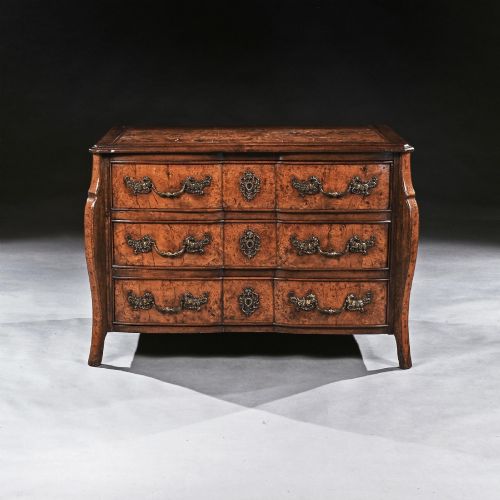
Quality rests upon the selection of the timber and the integrity of the original surface patina. Burr elm and figured grain sections indicate higher status commissions compared to plain utility planks.
Proportion and the handling of carved details also distinguish finer pieces from plain vernacular items. Retained original brass fittings, structural stability without excessive timber replacement, and clean lines define the upper tier of the range.
Augustus Pugin·Heals Of London
The Carved Elm Furniture Glossary
- Burr elm
- A growth deformity in the tree that produces highly figured, swirling wood grain patterns. It is prized by cabinetmakers for decorative veneering and solid tabletops.
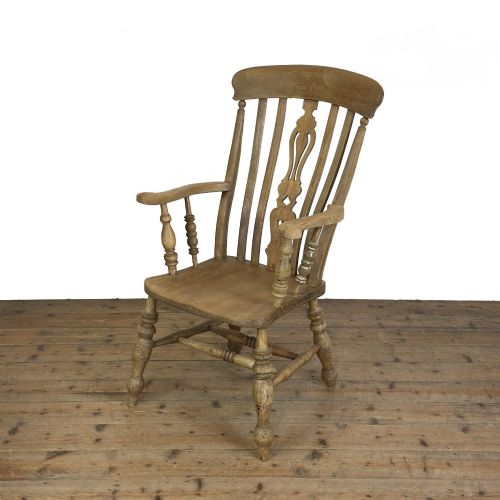
- Windsor chair
- A wooden seating form featuring a saddle-shaped seat into which the legs and back spindles are wedged directly. Common variants include high backs and low comb pieces.
- Refectory table
- A long dining table traditionally used in communal halls and large country houses. Surviving examples often pair elm tops with oak frames.
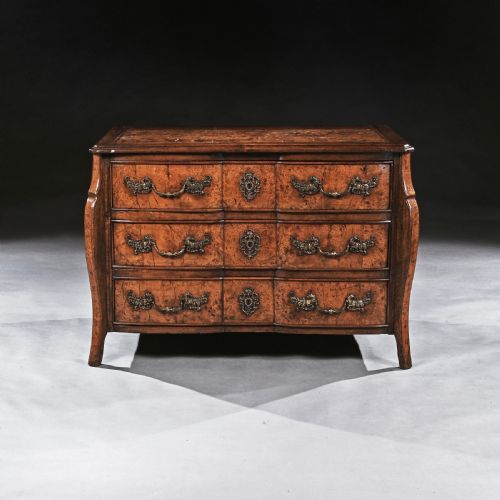
- Mazarin commode
- A complex bureau or writing cabinet type associated with French provincial cabinetmaking of the eighteenth century. They frequently feature intricate drawer arrangements and figured veneers.
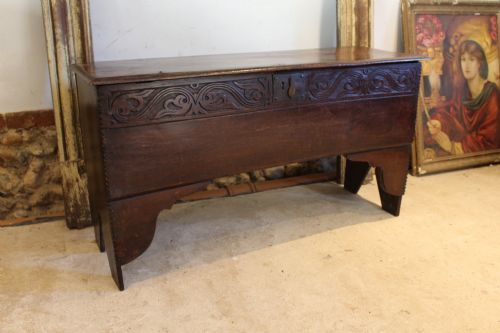
- Six plank coffer
- A primitive storage chest constructed from individual boards joined simply at the corners. They represent early forms of domestic security furniture.
Carved Elm Furniture: Frequently Asked Questions
What is elm furniture?
Elm furniture comprises utilitarian and decorative domestic objects built from the wood of the elm tree. The timber is known for a tough grain that makes it durable for seating and tables.
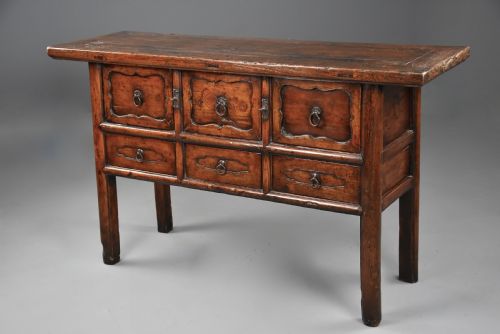
Items range from seventeenth-century English coffers to nineteenth-century Chinese console tables and provincial European seating. The material accommodates both rustic country craftsmanship and refined urban cabinetmaking.
How do I care for elm?
Care involves keeping wooden pieces away from direct heat sources and sudden humidity shifts. Regular dusting with a dry cloth maintains the surface without stripping historical finishes.
Avoid using modern silicone polishes, which can build up and soften traditional wax patinas over time. Gentle beeswax applications help nourish dry timber.
How can I date elm furniture?
Dating relies on observing construction techniques, tool marks, and design characteristics associated with specific periods. Hand-cut dovetails, pegged joints, and secondary woods offer clues to the era of manufacture.
Stylistic influences, such as seventeenth-century geometric panels or eighteenth-century provincial curves, also help narrow down the production date.
Where were these pieces made?
The pieces originate from various regions including British country workshops, French provinces, Scandinavian makers, and Chinese provinces. Each region utilised local woodworking traditions.
Local timber availability and domestic customs shaped the distinct forms found across different geographical areas.