



Carved Ebonised Wall Mirror
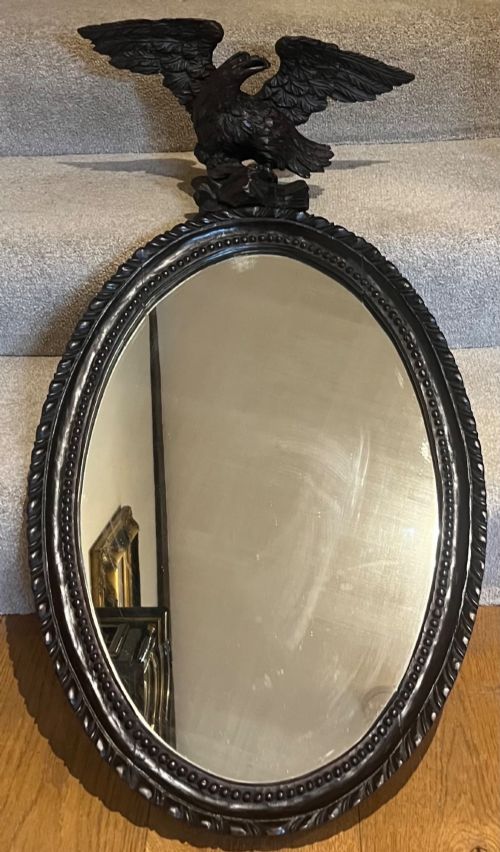
A carved ebonised wall mirror brings dark, dramatic framing and reflective depth to an interior, drawing the eye instantly.
Carved Ebonised Wall Mirror
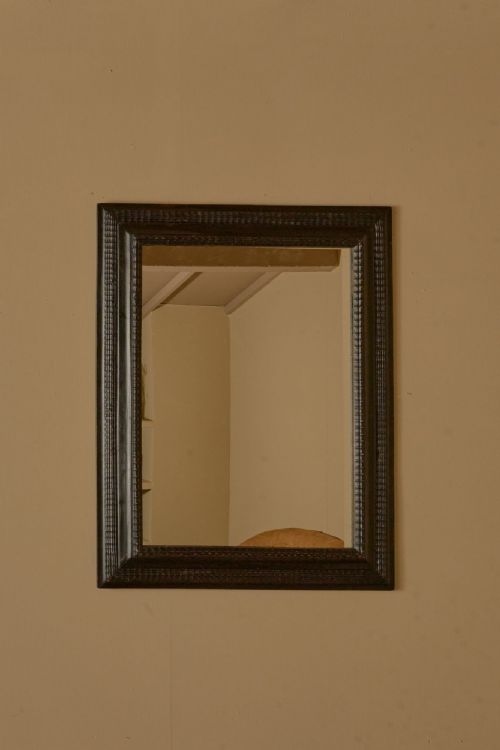
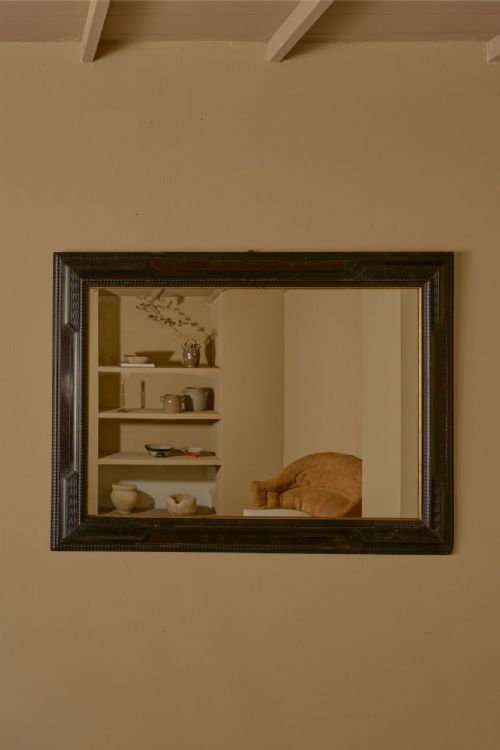
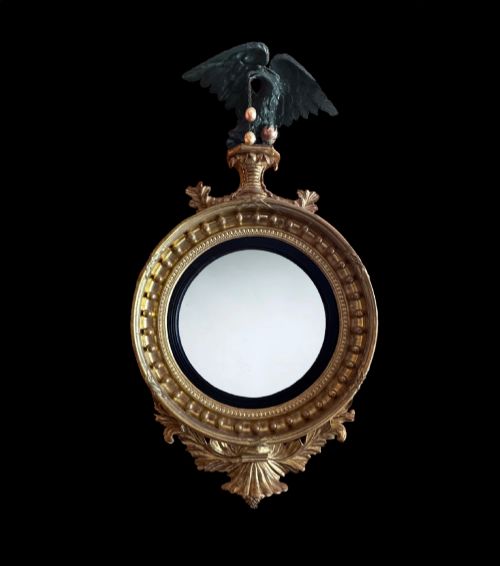
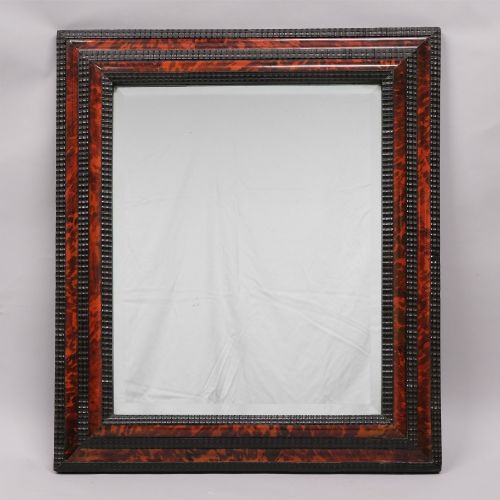
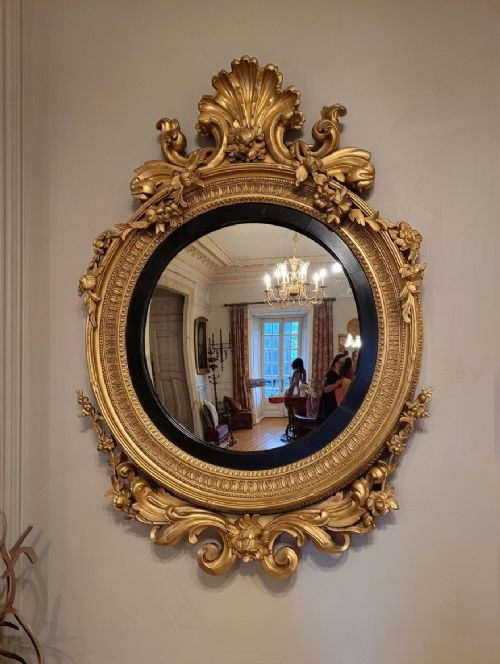
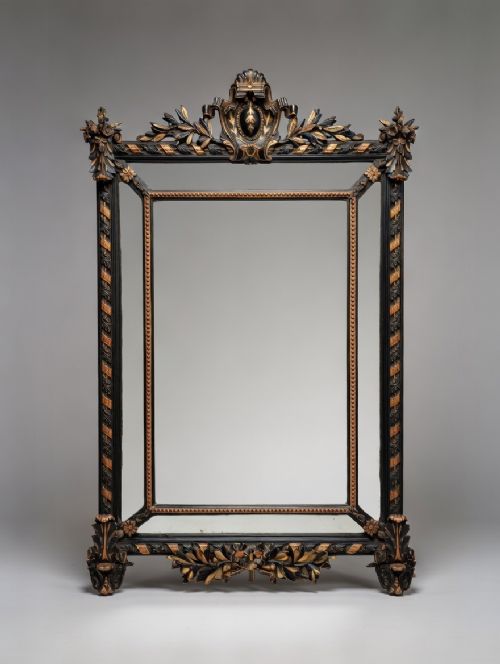
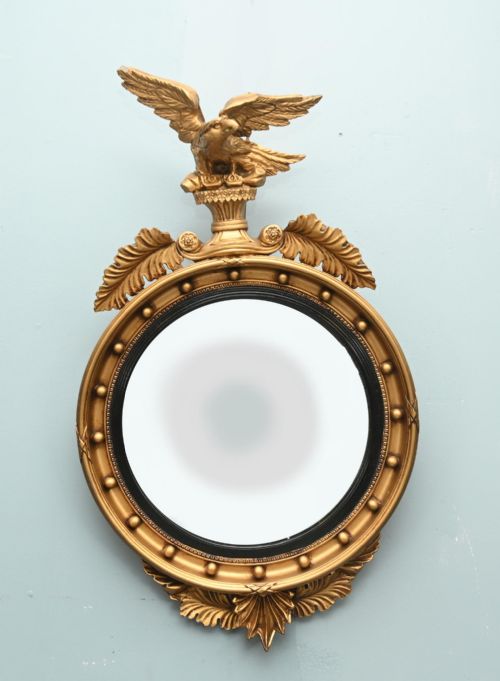
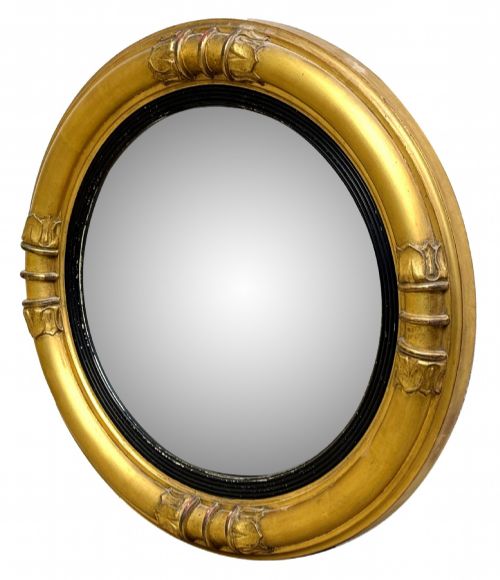
A carved ebonised wall mirror takes several distinct historical shapes, ranging from compact circular convex plates to large overmantels designed for grand reception rooms. The pieces appearing here span the Regency, Victorian, and later nineteenth-century periods, with styles drawing on Aesthetic Movement, Napoleon III, and Flemish Revival influences.
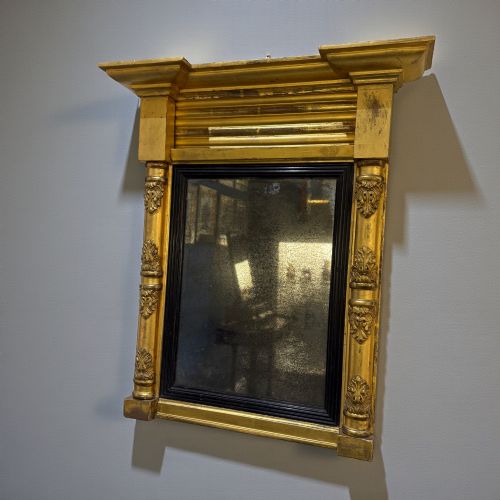
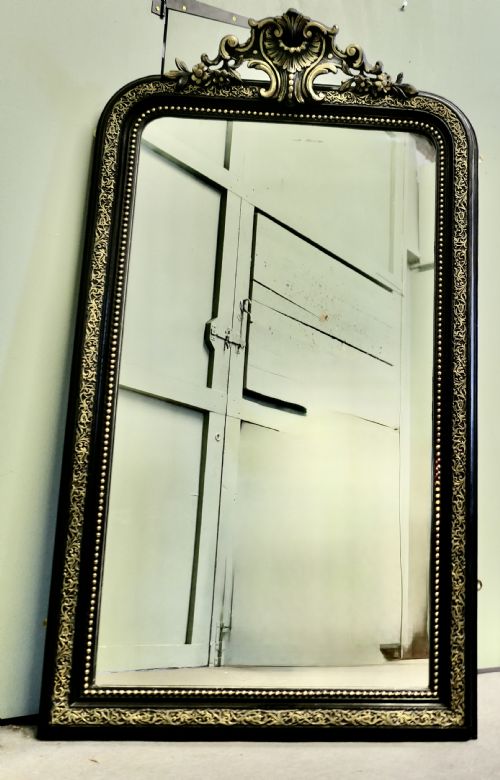
Buyers will encounter tall pier mirrors alongside smaller hall mirrors and cushion frames. Ebonised timber frames frequently appear paired with parcel-gilt details, creating a sharp contrast between black surfaces and gleaming gold leaf.
Originating largely from the nineteenth century, these wall mirrors often incorporate architectural elements such as crests, carved mouldings, or ripple mouldings that reflect the shifting tastes of Victorian and Regency makers.
Materials and Construction Techniques
Makers constructed these frames using timber such as walnut, mahogany, or plain woods, which were then treated with ebonising agents to imitate costly ebony. Artisans applied gesso to the carved wooden foundations to build up intricate relief patterns before gilding specific details with gold leaf.
Mirror glass of the period was set into wooden rebates, often retaining its original weight and subtle distortions. Frames frequently combined carved woodwork with brass components or gesso ornamentation to achieve deep relief.
Carved Ebonised Wall Mirror Retail Price Guide 2026
Typical asking prices for carved ebonised wall mirror among the pieces listed under this phrase on Sellingantiques today, from the lower quarter to the upper quarter. They describe what is for sale here now, not the wider market.
Listings feature ebonised wood alongside traditional giltwood, gesso, and gold leaf across the nineteenth century.
Markers of Quality and Craftsmanship
Quality rests in the crispness of the hand-carved ornament and the depth of the ebonised finish. Superior examples show precise control in the application of parcel-gilt highlights over the black timber, ensuring the gold adheres neatly to high points in the relief.
The integrity of the frame construction and the preservation of original mirror glass distinguish finer pieces from later replacements. Weight, density of the wood, and the subtlety of the gesso moulding separate robust workshop production from simpler output.
The Carved Ebonised Wall Mirror Glossary
- Ebonised
- Wood treated with stain or paint to resemble dense black ebony. This dark finish gained immense popularity during the Victorian and Napoleon III periods for dramatic contrast.
- Parcel-gilt
- Partially gilded woodwork where gold leaf is applied only to raised carved details. It accents the black ebonised background with glints of metallic light.
- Gesso
- A plaster mixture applied to wood frames to create a smooth surface for carving and gilding. Skilled artisans moulded intricate relief decorations directly into this compound.
- Convex mirror
- A circular glass plate curved outward to provide a wide-angle reflection of the room. These pieces were frequently mounted with ornate frames and eagle surmounts.
- Overmantel mirror
- A wide mirror designed to hang specifically above a fireplace mantel. They often feature extended horizontal proportions to fill the wall space above a hearth.
Carved Ebonised Wall Mirror: Frequently Asked Questions
Where should I hang a carved ebonised wall mirror?
These mirrors suit principal reception rooms, hallways, or above a mantelpiece where their dark frames can anchor the wall space. Pairing them against lighter walls accentuates the ebonised finish.
Ensure the wall fixings match the substantial weight of the timber and gesso construction. Secure hanging points prevent shifting over time.
How do I clean an antique ebonised frame?
Dust the carved wooden surfaces gently with a dry, soft brush to remove accumulated particles. Avoid commercial liquid polishes that can degrade old finishes.
Keep moisture away from the gesso and parcel-gilt areas. Gentle care preserves the historical patina of the blackened timber.
What is the difference between Regency and Victorian mirrors?
Regency mirrors often favour neoclassical restraint, convex plates, and circular frames featuring ball details or eagle surmounts. They reflect early nineteenth-century design trends.
Victorian pieces tend toward heavier proportions, ornate carving, and rectangular overmantel formats. Aesthetic Movement and Napoleon III influences introduced varied geometric and French-inspired motifs.
Is the mirror glass original on these pieces?
Many nineteenth-century mirrors retain their original glass, which can exhibit slight foxing or age spots. These imperfections confirm the age of the piece.
Replacement glass appears brighter and lacks the subtle distortions characteristic of older manufacturing methods. Inspect the plate from an angle to check for historical surface wear.