


Carved Column Jardiniere Stand
A carved column jardiniere stand elevates your greenery using traditional joinery and sculptural timber.
Carved Column Jardiniere Stand
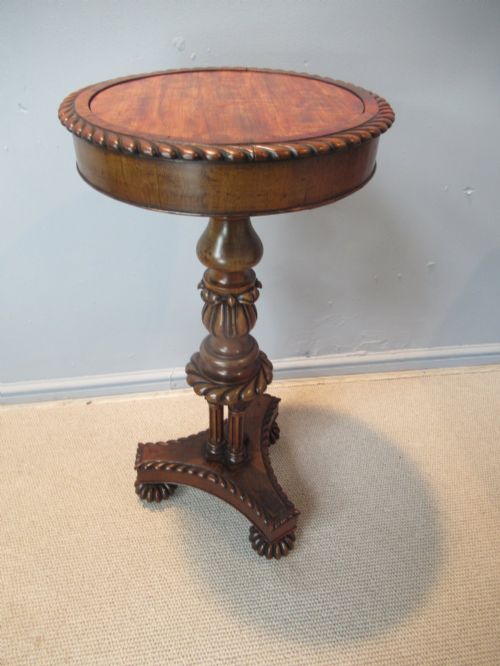
A carved column jardiniere stand serves as a raised platform designed specifically to display potted plants and planters inside domestic spaces. These pieces appear across multiple historical periods, ranging from the Georgian era through to the 1920s.
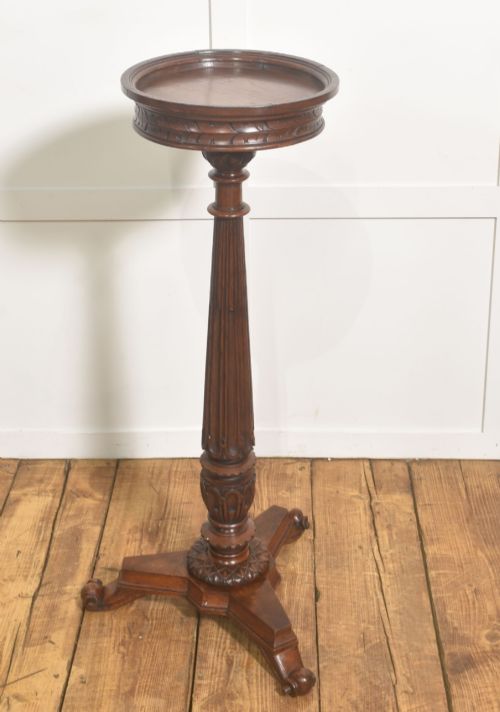
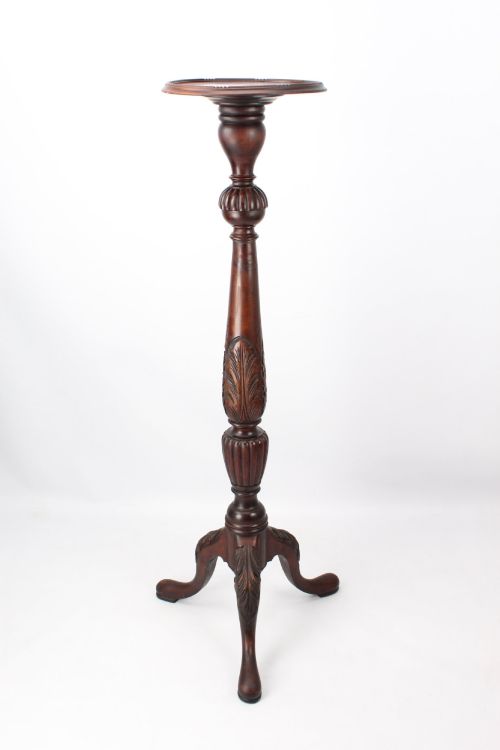
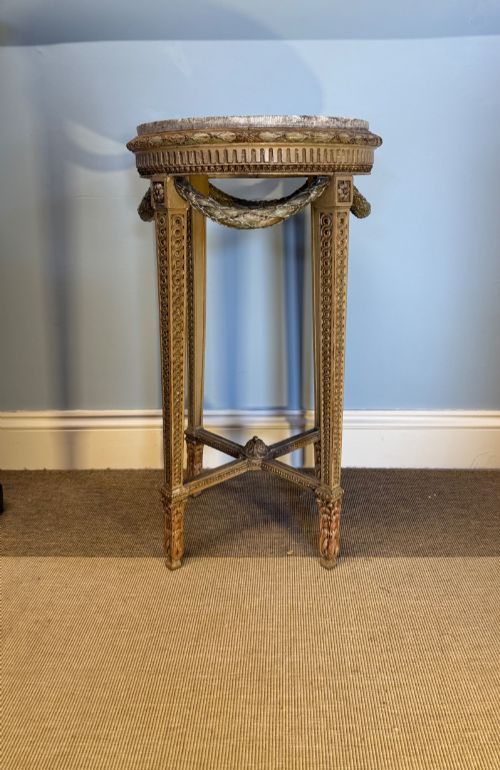
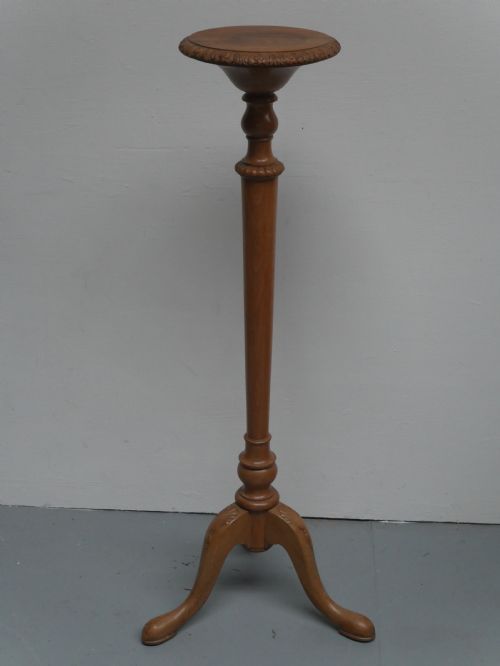
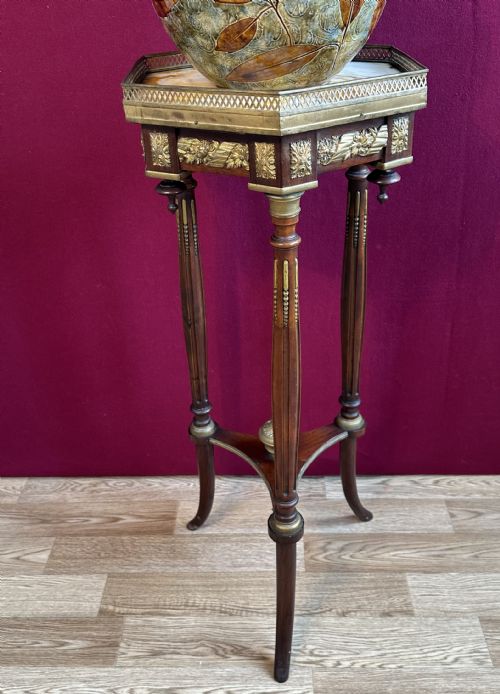
The selections on this page encompass various regional traditions, including English walnut and oak examples alongside French Louis XVI style designs and Anglo-Indian ebony work. Buyers frequently encounter tall mahogany plant stands or tripod based variants intended to hold jardinieres.
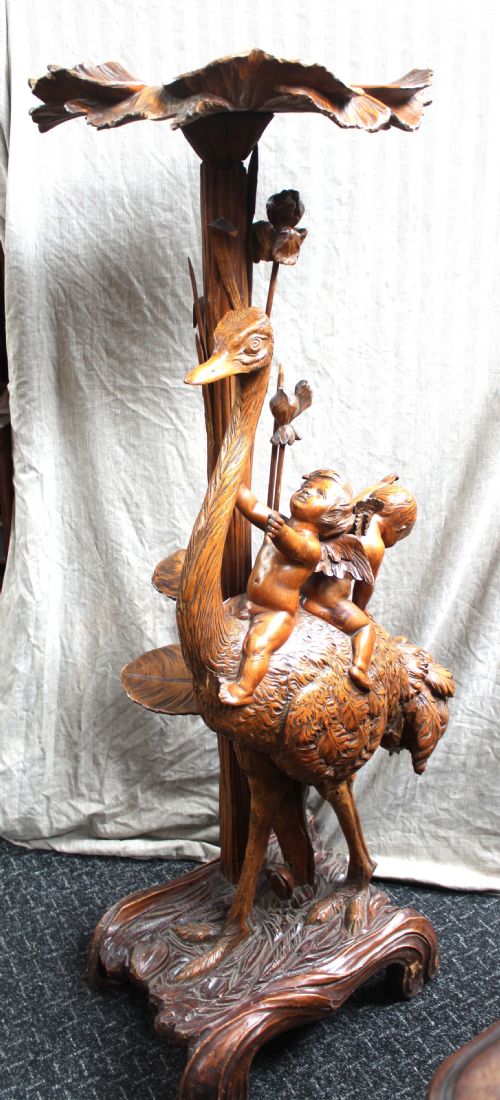
Forms include straightforward columns, turned barley twist legs, and stands combined with figures or bust supports. Each object offers a functional method for positioning flora at height within a room.
How they were made
Makers utilised solid timbers such as mahogany, walnut, oak, and carved hardwood to construct the structural columns and bases of these stands. Woodworkers shaped these materials through turning, hand carving, and joinery techniques appropriate to each period.
Many examples incorporate inset marble tops or feature brass components alongside the primary wooden structures. These contrasting materials provided stable surfaces capable of resisting moisture from potted plants.
Object forms range from simple tripod plant stands to elaborate architectural columns and French revival designs.
What varies in quality
The depth and execution of the carved detail distinguish simpler utility stands from more ambitious decorative examples. Crispness in the foliage motifs, fluting, or figural elements reflects the skill of the woodcarver.
The choice of primary timber and secondary materials, such as figured walnut or imported marble inserts, dictates the overall character of the piece. Superior construction ensures stability in tall, slender column forms.
The Carved Column Jardiniere Stand Glossary
- Jardiniere
- A decorative pot or container for holding flowers or plants. On these stands, the jardiniere sits atop the column or acts as the integrated top section.
- Barley twist
- A type of turning that resembles a twisted rope or barley sugar stick. This decorative technique appears frequently on the legs and stems of stands from the late nineteenth and early twentieth centuries.
- Tripod base
- A three-legged support structure providing balance to tall columns. This configuration occurs commonly on nineteenth-century French and Anglo-Indian examples.
- Louis XVI Revival
- A nineteenth-century style drawing inspiration from French classical design. Pieces in this manner often display restrained geometric carving and marble surfaces.
- Pedestal
- A structural support or column designed to elevate an object or sculpture. In this context, it functions interchangeably with a plant stand.
Carved Column Jardiniere Stand: Frequently Asked Questions
What is a jardiniere stand used for?
A jardiniere stand holds potted plants, flowers, or decorative bowls at an elevated height within a room.
Historically, these pieces allowed interior greenery to receive better light and protected flooring from dampness.
How do I date a plant stand?
Dating relies on identifying the prevailing stylistic influences, timber choices, and construction methods used in the piece.
Victorian and Edwardian examples often display characteristic turnings or revival motifs tied to their specific decades of manufacture.
Can these stands support heavy pots?
Most stands are built to accommodate standard indoor potted plants securely on their upper surfaces.
However, slender column designs with tripod bases require careful placement to maintain balance under heavy loads.
What woods are typical for these stands?
Common timbers include mahogany, walnut, oak, and various carved hardwoods selected for their strength and grain.
Some examples also incorporate exotic woods such as ebony, particularly in pieces originating from Anglo-Indian workshops.