

Carved Circular Accent Table
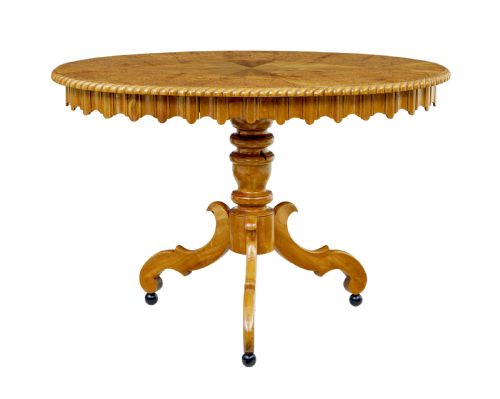
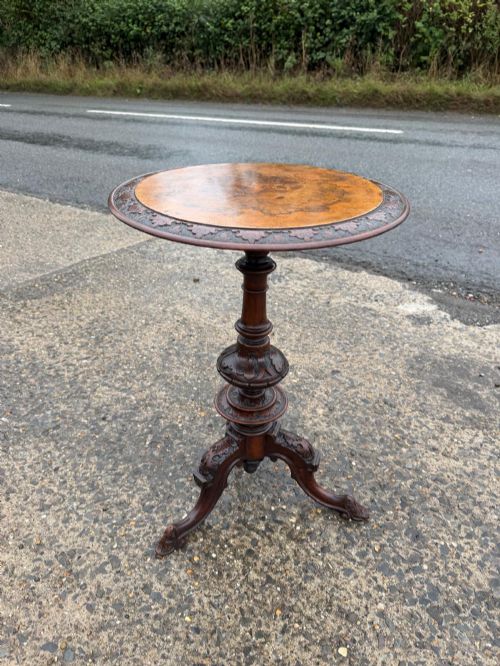
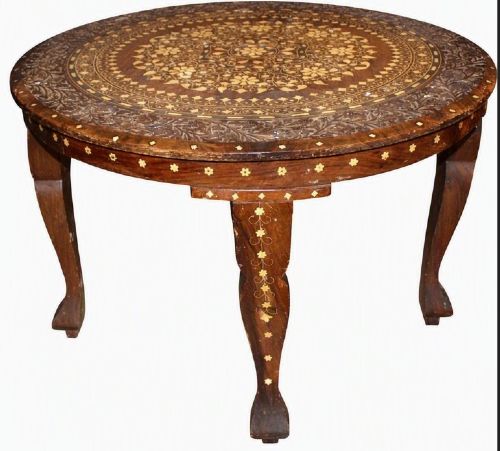
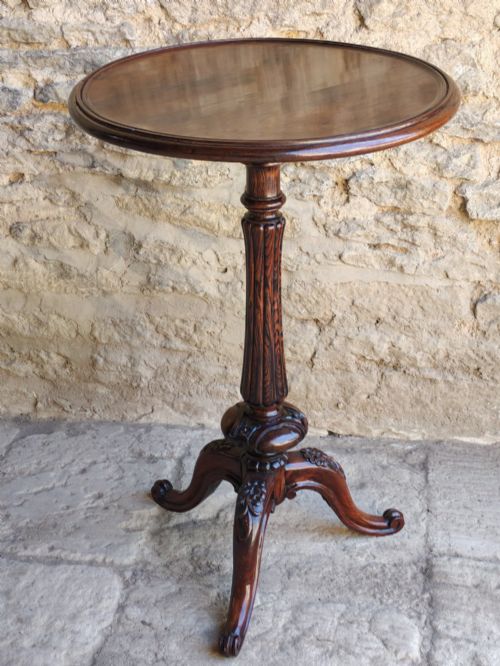
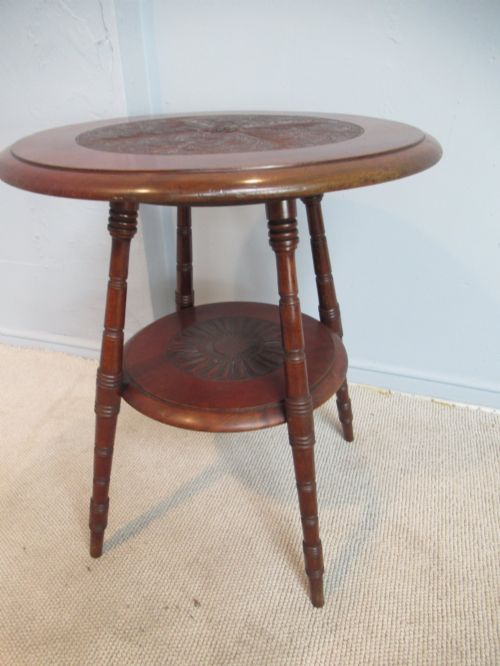
A carved circular accent table brings practical surface space and distinct period character to a room through turned pedestals, inlaid surfaces, and hand-chiselled detail.
Carved Circular Accent Table
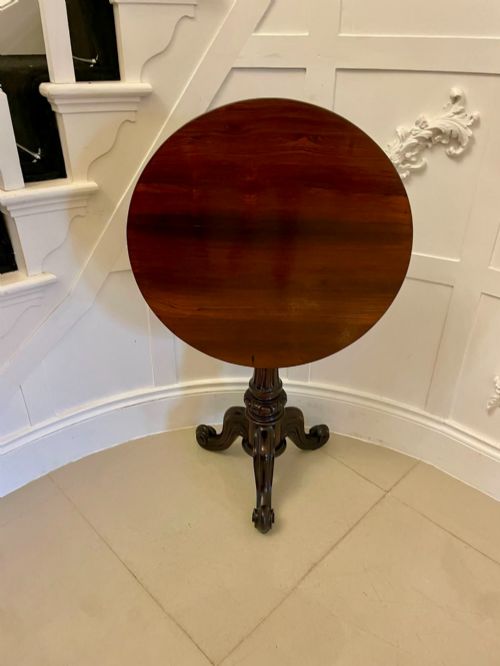
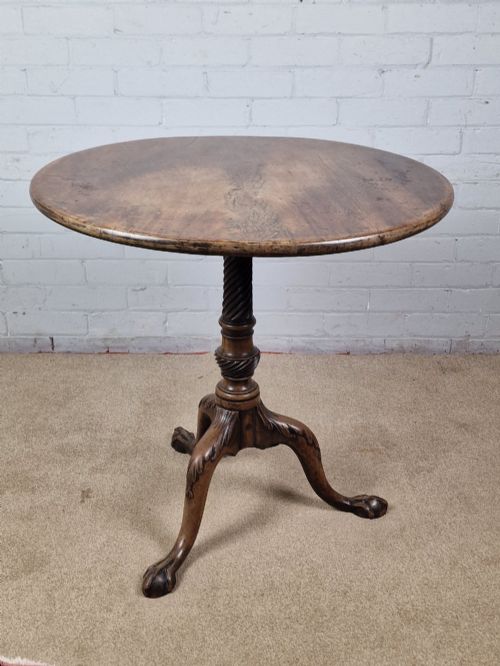
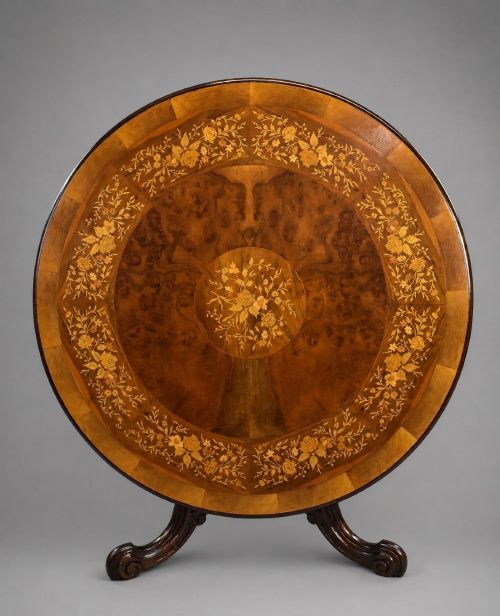
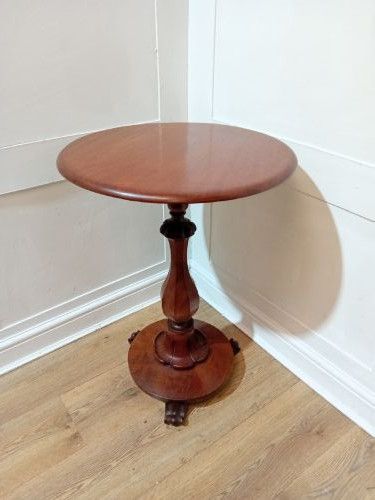
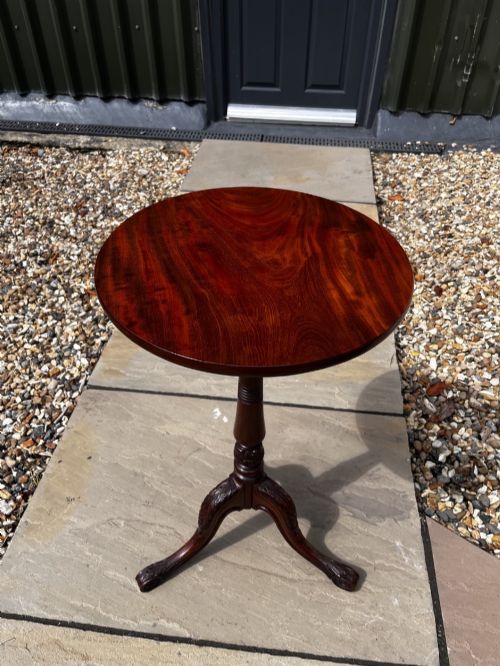
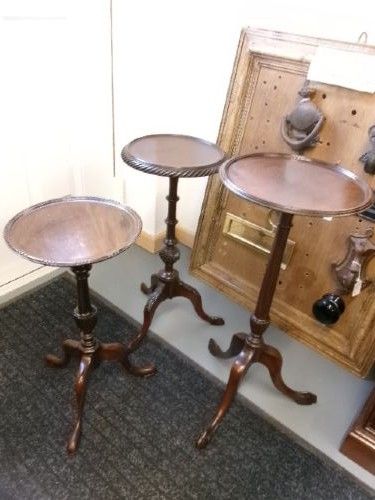
A carved circular accent table provides a compact, portable surface traditionally utilised for lamps, tea, or display. These smaller pieces appear in numerous forms across the inventory, including occasional tables, wine tables, tripod tables, and gueridons.
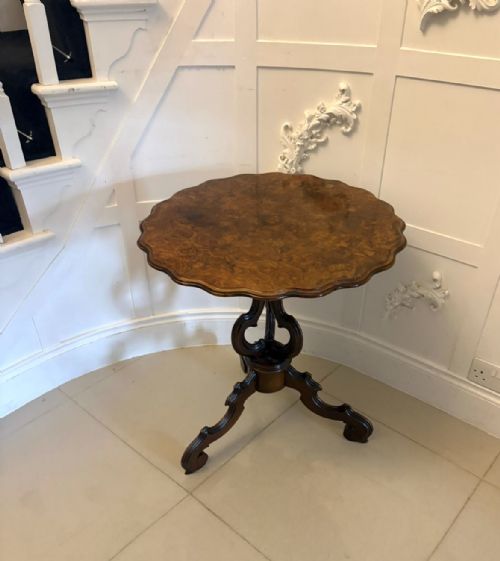
The selection ranges from simple nineteenth-century mahogany tripod designs to highly decorative inlaid examples produced during the Victorian and Edwardian eras. Buyers frequently encounter round formats featuring tilt tops, dish tops, or scalloped edges designed to suit varied domestic spaces.
Origins span English workshops, continental European centres, and international traditions such as Anglo-Indian and Chinese production. This geographic diversity introduces distinct regional carving techniques and timber selections to the standard round table format.
Materials and construction methods
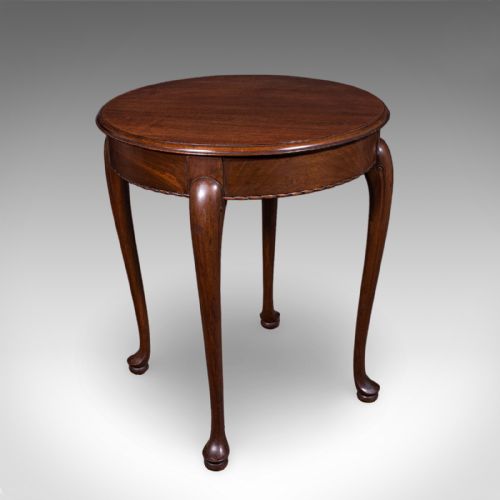
Cabinetmakers constructed these pieces primarily using dense hardwoods such as mahogany, walnut, burr walnut, rosewood, and oak. These timbers provided the structural stability required for slender tripod legs and turned central pedestals.
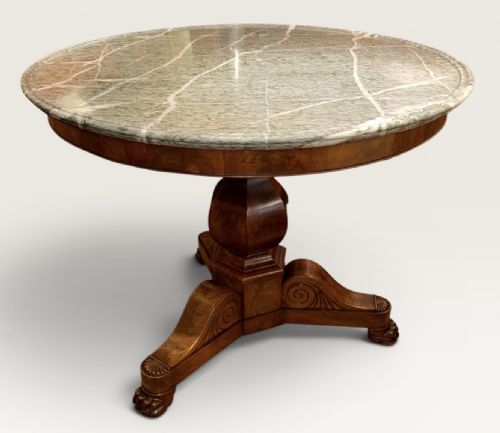
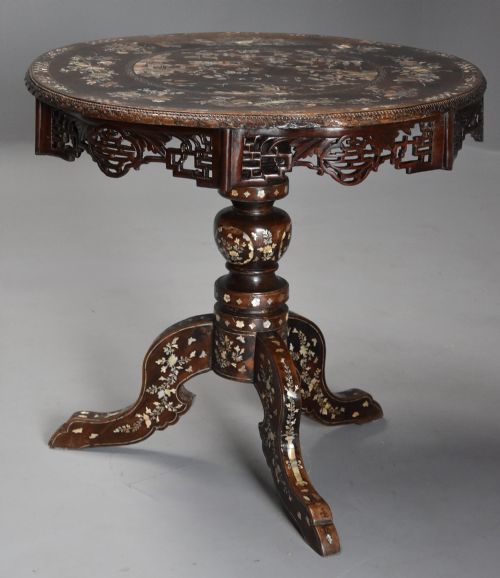
Surface embellishment frequently involved elaborate techniques including marquetry, bone inlay, mother of pearl inlay, and hand-painted decoration. Marble tops also appear on specific continental and neoclassical forms, adding weight and a contrasting cooling texture to the timber frames.
Mechanisms such as tilt-top catches and swivel hinges required precise metalwork and carpentry to function smoothly. Carved details on borders, friezes, and pedestal bases were executed by hand using gouges and chisels to achieve relief depth.
Several Victorian designs feature hidden swivel compartments designed to hide away needlework supplies or secret letters from prying eyes.
Distinguishing quality across the range
The calibre of timber preparation heavily dictates the standard of a piece, particularly in how burr veneers or book-matched grain patterns are selected and applied to the top. Superior examples display thoughtful grain alignment that enhances the circular geometry rather than masking natural imperfections.
The crispness and depth of hand-carved elements separate standard production from exceptional craftsmanship. Sharp undercuts on floral motifs or animal forms indicate a skilled hand, whereas softened or muddy details suggest mass production or excessive wear.
Structural integrity relies on the jointing between the top, the central column, and the support legs. Quality pieces maintain firm, unyielding connections at these stress points, ensuring the table remains stable despite its slender proportions.
Liberty & Co·Waring & Gillow
The Carved Circular Accent Table Glossary
- Tripod table
- A small freestanding table supported by a central pillar resting on three legs. This construction prevents wobbling on uneven floors.
- Tilt top table
- A table equipped with a hinged mechanism allowing the top to rotate into a vertical position when not in use. This clever design saved floor space in smaller period rooms.
- Gueridon
- A small ornamental stand or French table, often round and supported by a single central column or figures. The form originated in seventeenth-century France.
- Marquetry
- The art of applying pieces of veneer to a structure to form decorative patterns and pictures. Craftsmen used varied wood tones to create tonal depth.
- Burr walnut
- Timber taken from the abnormal growth of a walnut tree where the grain grew in a swirling, mottled pattern. It was highly prized for table tops due to its dramatic visual movement.
- Pie crust edge
- A raised, carved border shaped to resemble pastry crust edges on a round table top. It prevented items from rolling off the surface.
Carved Circular Accent Table: Frequently Asked Questions
What is a wine table used for?
A wine table is a small, portable occasional table designed to hold a glass and bottle during evening gatherings. Their compact footprints allowed servants to move them easily around a drawing room.
Today, these diminutive stands function effectively as independent lamp tables or plant stands beside armchairs. Their slender proportions ensure they fit into tight corners where larger furniture cannot go.
How do I date a circular accent table?
Dating relies heavily on observing the timber species, leg profiles, and structural joinery methods used beneath the top. For instance, slender reeded legs often point towards the Regency period, while heavy cabriole legs frequently suggest Georgian or Victorian revival work.
Examining the underside can reveal tool marks, screw types, and secondary woods that help narrow down the decade of manufacture. Comparing these physical clues against known period styles provides a reliable timeline.
Can I use a tilt top table daily?
A tilt top table serves everyday domestic use well, provided the locking mechanism remains secure and stable. The pivoting feature is sturdy enough for regular deployment as a functional surface.
Care should be taken when releasing the catch to prevent the heavy wooden top from dropping too quickly. Placing hot cups directly onto antique polished surfaces without protective coasters should also be avoided.
How do I maintain a marble top table?
Maintenance involves wiping the marble surface regularly with a soft, damp cloth and mild, neutral soap. Acidic substances like wine, citrus, and vinegar must be cleaned up immediately to prevent permanent etching.
Applying a specialised stone sealer periodically helps protect the porous marble from staining. Avoiding abrasive cleaners ensures the polished finish retains its original lustre over time.