




Carved Brown Horn
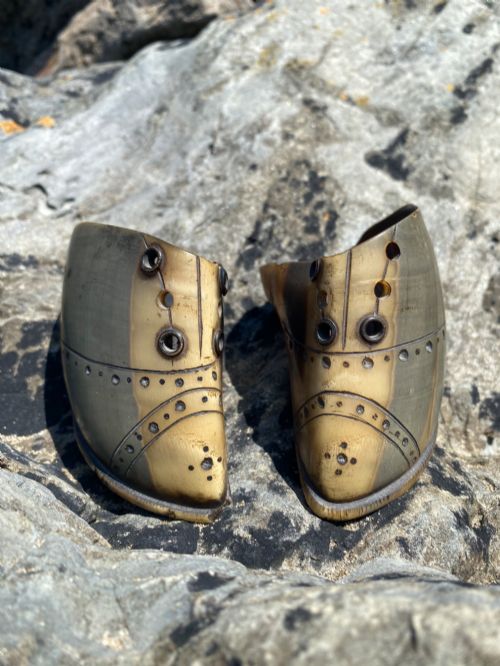
Carved brown horn pieces bring tactile warmth to any room, offering centuries of artistry in organic material.
Carved Brown Horn
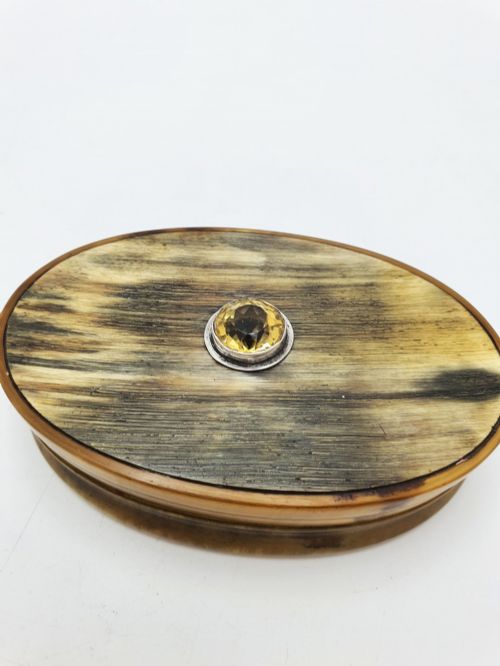
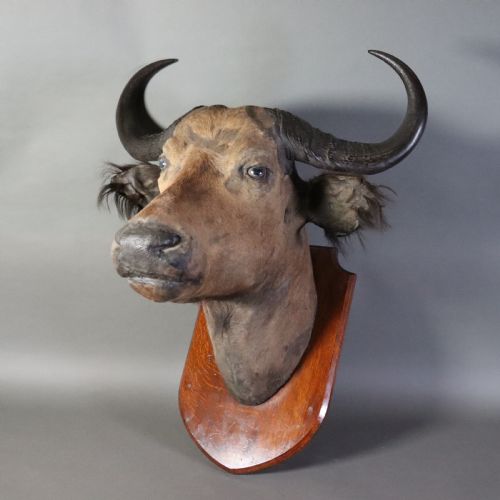
Carved brown horn objects span functional household items and intricate decorative works, sourced from domestic cattle, water buffalo, and deer. When searching for carved brown horn, buyers frequently encounter snuff boxes, powder flasks, and horn beakers dating from the Georgian and Victorian eras.
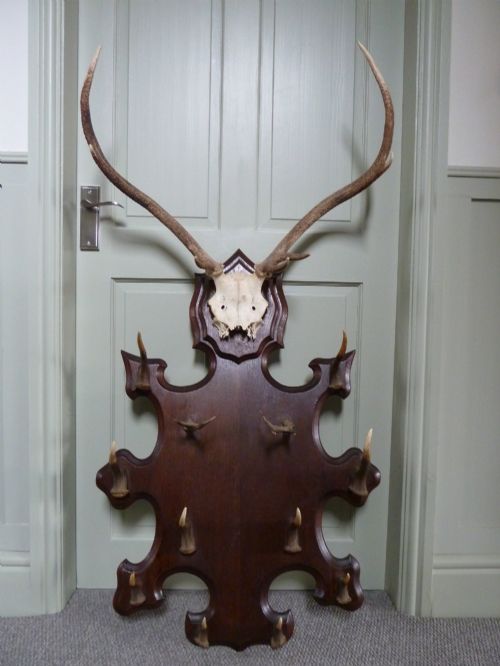
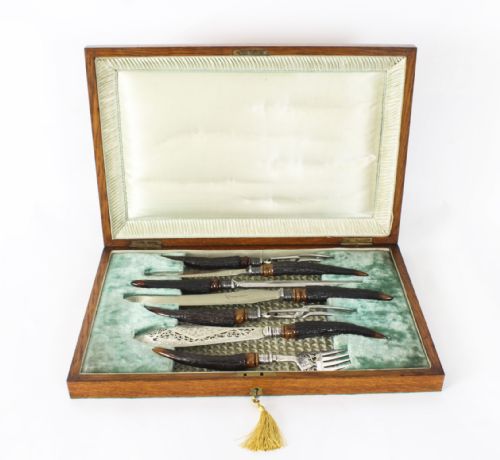
The selection ranges from British country house hall stands and Scottish dirks to Qing Dynasty scholar objects and Black Forest wall-hanging coat racks. These pieces highlight a tradition of working organic materials into both utilitarian gear and cabinet curiosities.
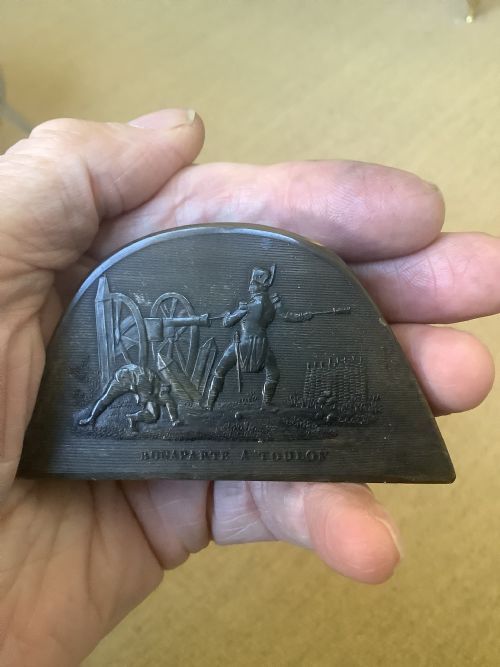
Makers utilised the natural translucency and tone of horn, sometimes pressing the material into moulds or carving deep relief scenes into the surface. The surviving inventory demonstrates how diverse animal horn was transformed across different global workshops.
Evaluating quality and execution
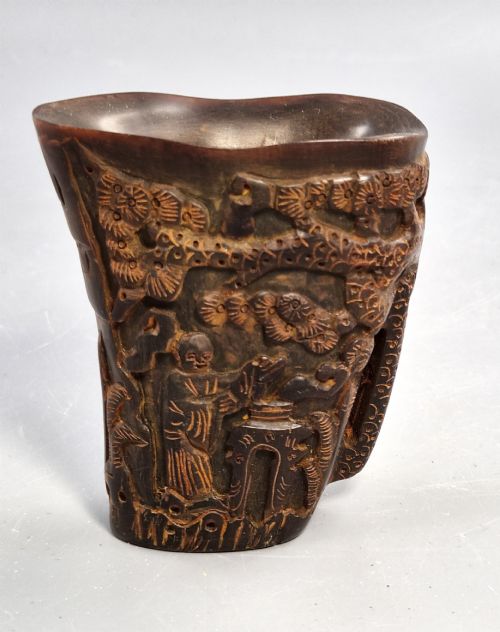
The distinction between standard items and finer pieces lies in the crispness of the carving and the preservation of the material's natural warmth. Pieces with deep relief work, such as libation cups depicting immortals or detailed Black Forest stag horn carving, show superior hand execution.
Condition and originality dictate value in horn objects, particularly regarding the retention of original mounts, silver or brass fittings, and uncompromised surface polish. Items that maintain their structural integrity across joints and mounts represent the higher tier of surviving examples.
Carved Brown Horn Retail Price Guide 2026
Typical asking prices for carved brown horn among the pieces listed under this phrase on Sellingantiques today, from the lower quarter to the upper quarter. They describe what is for sale here now, not the wider market.
Listings feature items spanning the eighteenth, nineteenth, and twentieth centuries, incorporating materials such as stag antler, tortoiseshell, and linden wood alongside horn.
Gerrard and Sons London·Laszlo Hoenig
The Carved Brown Horn Glossary
- Horn
- A tough fibrous material composed of keratin, taken from the outer sheath of the horns of bovines and other animals. It can be heated, bent, pressed, and carved.
- Pressed horn
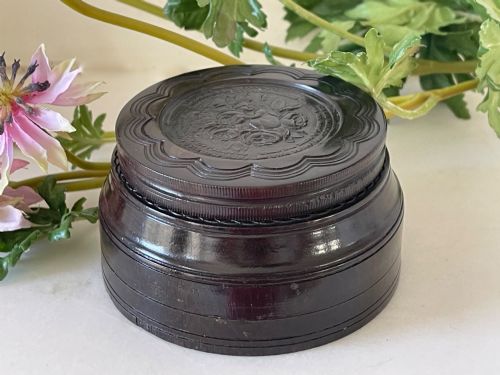
- A technique where softened horn is forced into metal dies under pressure to create sharp, repetitive decorative reliefs such as commemorative portrait boxes.
- Libation cup
- A ceremonial vessel carved from animal horn or jade, historically used in Asian cultures for ritual pours and scholarly display.
- Powder flask
- A portable container made of horn, metal, or leather designed to hold gunpowder for firearms, often fitted with a measured spout.
- Engine turned
- A geometric surface decoration produced by a mechanical lathe that cuts precise patterns into materials like horn, wood, or ivory.
Carved Brown Horn: Frequently Asked Questions
What are carved brown horn objects made from?
These items are fashioned from natural animal horn, primarily sourced from cattle, water buffalo, and deer. Makers utilised the fibrous keratin material for its durability and warm organic tones.
Secondary materials often include wood, silver, and brass, which provide structural support or decorative contrast to the carved horn bodies.
How do I care for antique horn pieces?
Antique horn requires stable humidity and protection from direct sunlight to prevent drying, warping, or cracking over time. Avoid using harsh chemical cleaners on the organic surface.
Applying a light touch of mineral oil or wax can help maintain the natural lustre of the material without harming the historic finish.
How can I tell the age of a horn item?
Dating relies on stylistic markers, tool marks, and the specific context of the object type, such as Georgian snuff boxes or Victorian hall stands. Examining the wear patterns on the horn and the construction of any metal mounts provides clues to its period.
Comparative study of similar pieces from documented eras helps narrow down the decade or century of manufacture.
Were horn snuff boxes used daily?
Georgian and Victorian snuff boxes served as everyday pocket accessories for gentlemen carrying ground tobacco. Their portable nature meant they saw frequent handling in social settings.
Because they were meant for daily use, many surviving boxes show pocket wear alongside intricate engine-turned decoration or pressed relief lids.