




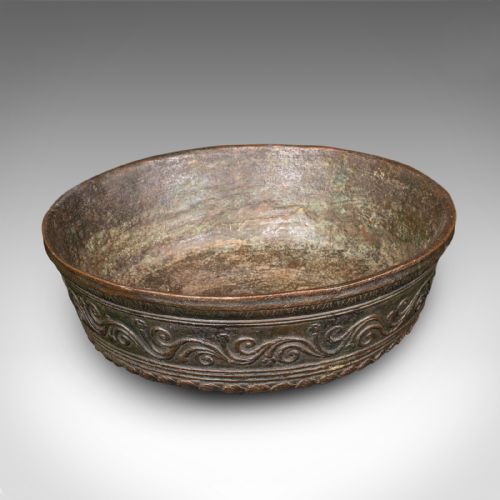


Carved Bronze Burner
These carved bronze burners bring centuries of ritual craftsmanship into modern interiors as sculptural centrepieces and incense vessels.
Carved Bronze Burner
A carved bronze burner is a vessel designed for burning incense or serving as a ritual object, appearing across Asian traditions including Chinese Ming and Qing dynasties and Japanese Edo and Meiji periods.
The pieces on this page span from the sixteenth century to the nineteenth century, taking forms such as tripods, censers with covers, ritual vessels, and large bowls.
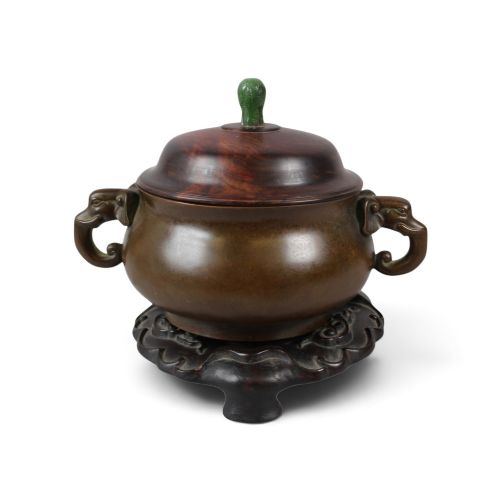
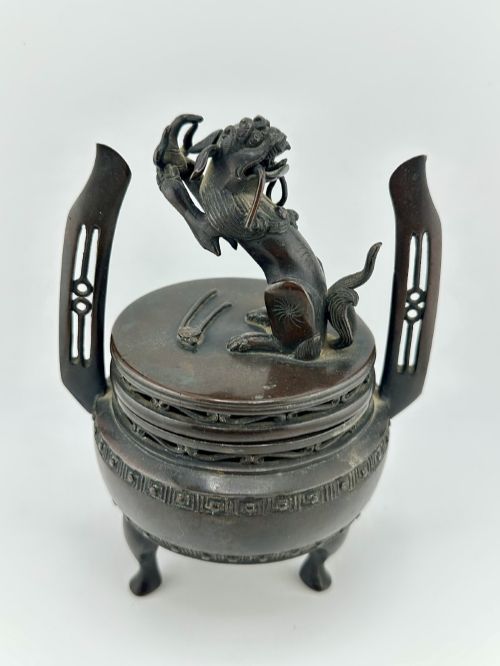
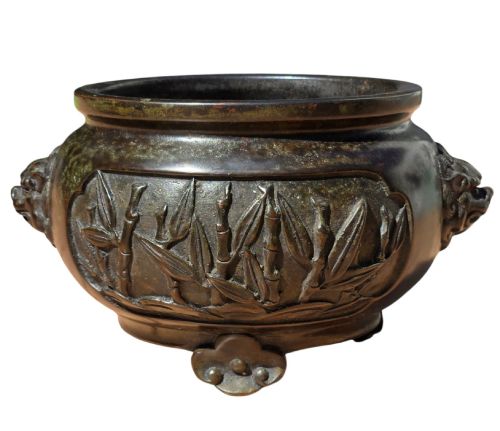
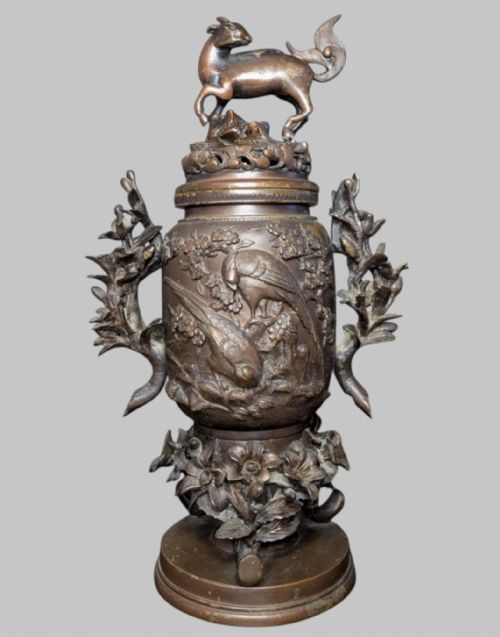
Buyers will encounter scholar's pieces adorned with relief panels alongside heavy cast examples featuring animal handles like elephant heads, lion masks, and qilin finials.
How they were made
Makers utilised traditional metalworking techniques to cast heavy bronze bodies, sometimes integrating carved hardwood stands or zitan wood elements.
Details were applied through surface relief work and casting, occasionally incorporating jade finials and contrasting materials to complete the composition.
Carved Bronze Burner Retail Price Guide 2026
Typical asking prices for carved bronze burner among the pieces listed under this phrase on Sellingantiques today, from the lower quarter to the upper quarter. They describe what is for sale here now, not the wider market.
Several examples feature spirited animal companions guarding the lid, from horned qilin to stubborn goats peering out through the smoke.
What varies in quality
The weight and thickness of the cast bronze distinguish standard vessels from exceptionally heavy masterworks produced for scholars and ritual use.
Finishing elements such as the crispness of relief panels, the integration of custom hardwood stands, and the inclusion of jade finials determine the standing of an individual piece.
The Carved Bronze Burner Glossary
- Censer
- A vessel used for burning incense. These containers often feature pierced covers to allow fragrant smoke to drift out.
- Archaistic
- A style that emulates ancient forms and motifs from earlier dynasties. Makers adopted these archaic designs to evoke historical continuity and reverence.
- Gui
- An ancient ritual bronze vessel shape characterised by a bowl form on a foot ring, often featuring animal-mask handles.
- Koro
- A Japanese term for an incense burner. These pieces frequently incorporate distinct animal finials such as goats or dragons.
- Zitan wood
- A dense, heavy timber utilised for custom stands accompanying significant Asian bronzes. Its deep colour complements dark patinated metal.
Carved Bronze Burner: Frequently Asked Questions
How were carved bronze burners used historically?
These vessels functioned primarily for burning aromatic incense in scholarly studios, temples, and domestic spaces. They created contemplative atmospheres for meditation or literary pursuits.
Many pieces also served as ritual vessels or decorative bowls that marked status and refinement within elite Asian households.
How do I care for an antique bronze burner?
Dust the surface gently with a soft, dry cloth to preserve the historical patina. Avoid using chemical polishes or modern cleaning agents which strip away age.
Keep the metal away from excessive moisture and handle heavy pieces carefully, supporting them from the base rather than by delicate handles or finials.
How can I tell a Ming dynasty burner apart from a Qing piece?
Ming dynasty examples, particularly from the sixteenth and seventeenth centuries, often display scholarly restraint with subtle relief panels and dense, heavy casting.
Qing dynasty and later nineteenth-century pieces tend toward more ornate decorative elements, including specific animal finials, complex handles, and paired custom stands.
Are these burners intended to burn incense today?
While originally designed for burning solid incense or powders, collectors today often display them as sculptural objects or utilise modern cones within the bowl.
If you choose to burn incense, place a layer of ash or sand inside to protect the historic bronze base from direct heat and resin buildup.