






Carved Brass Wall Sconces
Carved brass wall sconces bring warmth and reflective light to a room, drawing the eye with sculptural metalwork and period charm.
Carved Brass Wall Sconces
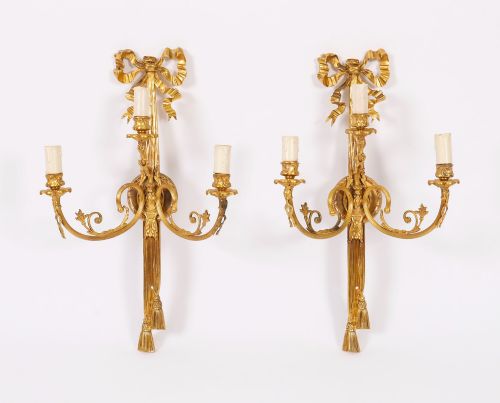
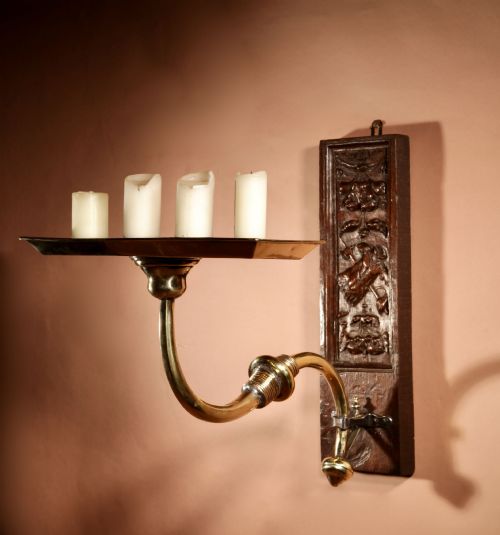
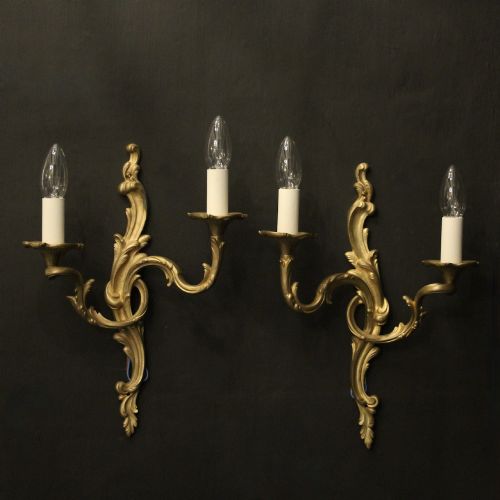
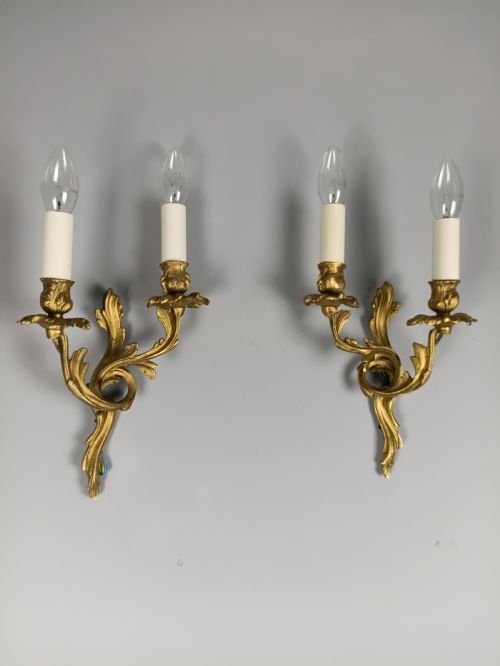
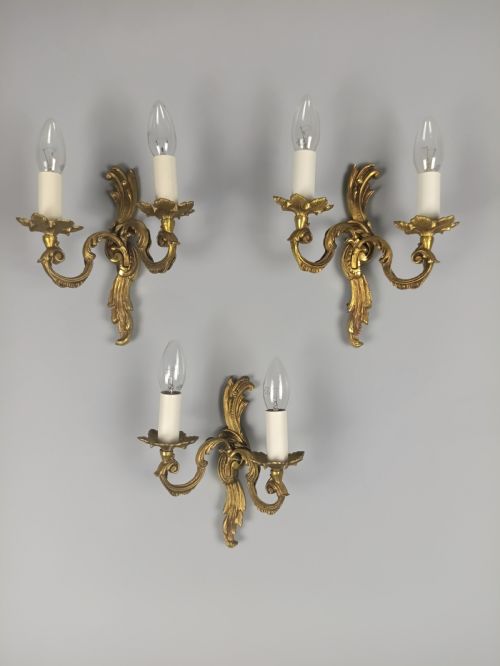
When you search for carved brass wall sconces, you encounter lighting fixtures designed to mount directly onto vertical surfaces, often incorporating reflective mirror plates or multiple branching arms. These pieces serve both a practical illumination purpose and a decorative function, utilising metals and gilt surfaces to brighten darker corners of a room.
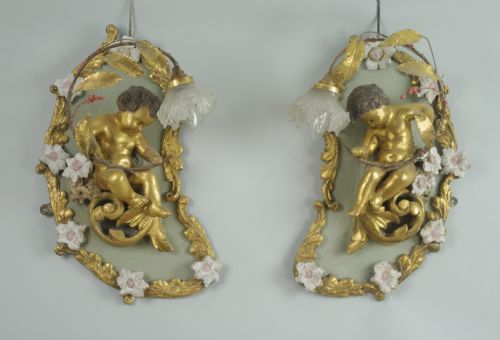
The selections available span several distinct eras, with particular concentration on nineteenth-century designs, Victorian interpretations, and early twentieth-century French productions. Forms range from simple single-candle holders to grand multi-branched girandoles adorned with giltwood, gesso, and glass elements.
How they were made
The construction of these lighting fixtures relies primarily on cast and chased brass, often enhanced with ormolu, gilt bronze, or surface gilding to catch the candlelight. Artisans employed detailed metalworking techniques alongside traditional carving methods for wooden and gesso components.
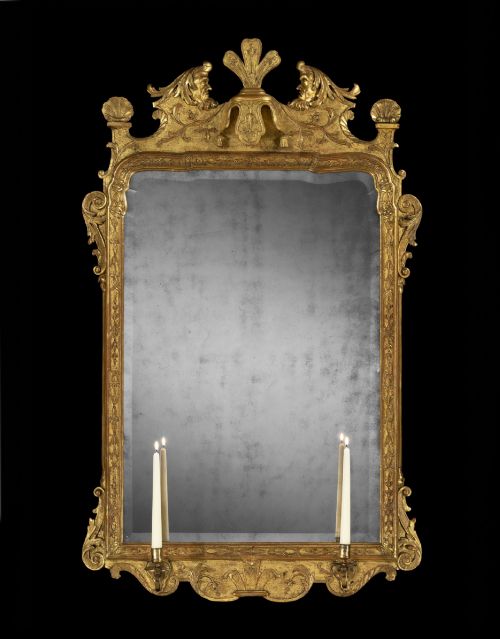
Many examples integrate mirrored glass backplates designed to multiply the ambient illumination cast by the candles or early bulbs. The combination of reflective glass and worked metal creates depth and visual weight on the wall.
Carved Brass Wall Sconces Retail Price Guide 2026
Typical asking prices for carved brass wall sconces among the pieces listed under this phrase on Sellingantiques today, from the lower quarter to the upper quarter. They describe what is for sale here now, not the wider market.
Listings feature pieces spanning the eighteenth century through the 1930s, utilising brass, gilt bronze, ormolu, and giltwood.
What varies in quality
The distinction between standard examples and exceptional pieces rests upon the crispness of the chasing and the depth of the metalwork relief. Superior items display refined hand-finishing on every branch and scroll, whereas simpler versions rely on uniform casting without secondary hand tool work.
The integration of materials also determines the character of a piece, particularly in how the gilding adheres to the brass, bronze, or gesso beneath. Heavier gauge metals and intact original mercury or silvered mirror plates elevate the overall integrity of the wall light.
The Carved Brass Wall Sconces Glossary
- Girandole mirror
- A decorative wall mirror featuring attached candle sconces or arms designed to reflect candlelight into the room. These pieces combine reflective glass with ornate brass, giltwood, or gesso frames.
- Ormolu
- A metallic technique involving the application of finely ground high-carat gold to a bronze base. This treatment provides a rich, warm finish that resists tarnishing over decades of use.
- Gesso
- A plaster-like mixture applied to wood surfaces and carved into intricate relief details before gilding. It forms the smooth, sculptural base found on many antique mirrored sconces.
- Gilt bronze
- An alloy of copper and zinc treated with a gold coating to resemble solid gold. It allows for sharp casting details on elaborate wall light branches.
Carved Brass Wall Sconces: Frequently Asked Questions
How do I hang heavy wall sconces?
Wall sconces require secure fixing into solid masonry or direct wooden studs behind the plaster to support their substantial metal and glass weight safely.
Using appropriate wall anchors prevents strain on the mounting points and ensures the fixture hangs flush and steady.
Were these sconces originally wired for electricity?
Most antique examples were originally designed exclusively for candles and have been adapted for electrical wiring during their long lifespan.
Rewired fixtures allow modern domestic integration while preserving the historic metalwork and decorative surfaces on the wall.
How do I clean antique brass and gilt?
Cleaning requires gentle dusting with a soft, dry cloth to prevent abrasion to delicate gilt surfaces and aged patinas.
Harsh chemical polishes should be avoided entirely because they strip away the historic layers of gilding and original finish.
What is the difference between brass and ormolu?
Brass is a durable alloy of copper and zinc used widely for structural and cast lighting components throughout the nineteenth and twentieth centuries.
Ormolu specifically denotes a gilded bronze finish applied to high-status decorative objects to impart a deeper golden lustre.