



Carved Black Cane
Carved black cane brings together dark woods and walking sticks carved with animal forms, prized for their strong silhouettes and detail.
Carved Black Cane
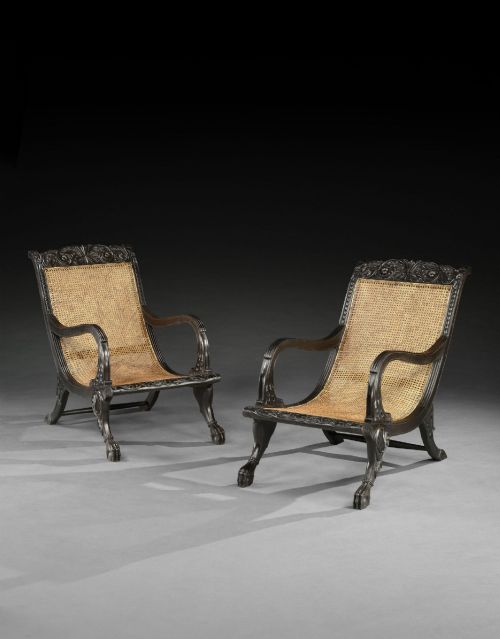
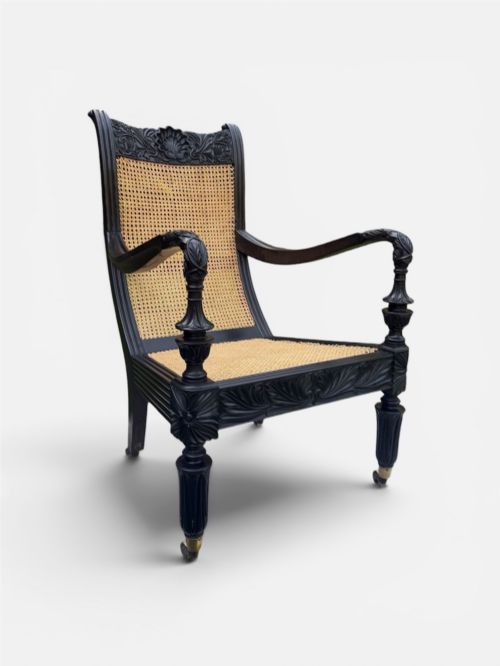
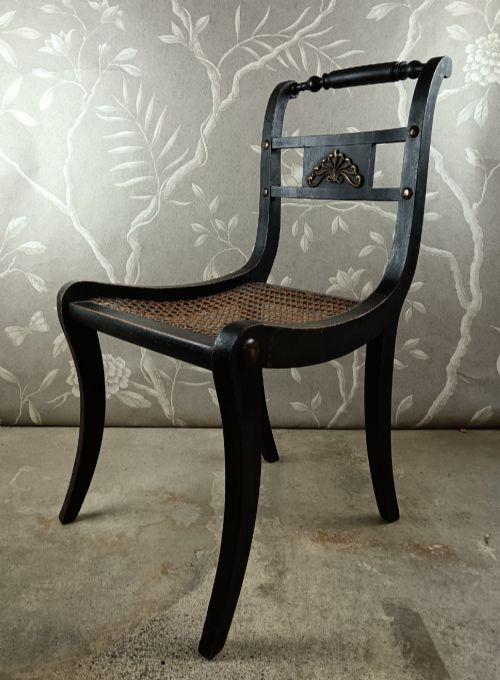
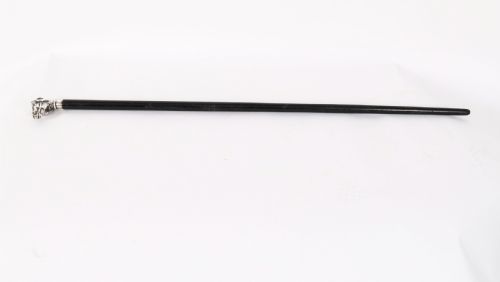
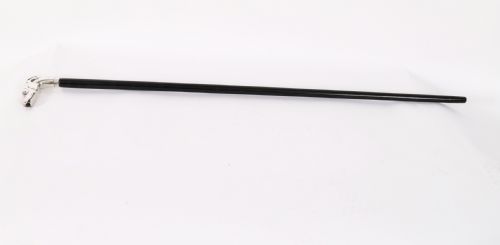
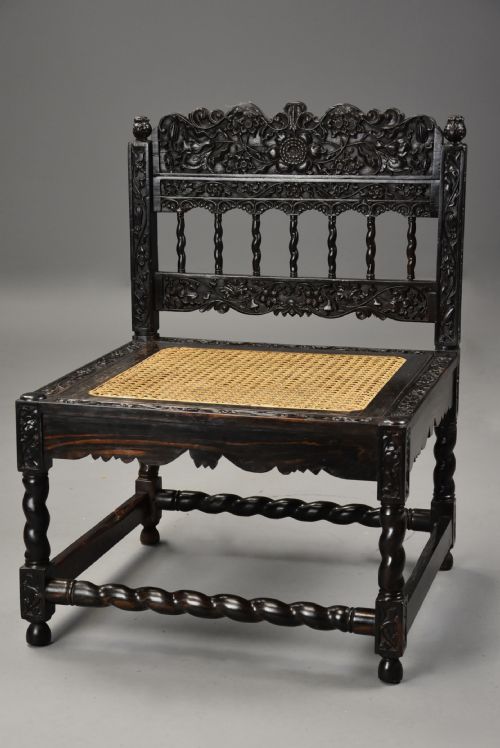
A carved black cane search uncovers both seating furniture and walking sticks sharing dark, carved surfaces. Buyers encounter solid ebony chairs from Regency and 17th century periods alongside Victorian walking sticks and umbrella stands.
The seating includes armchairs and side chairs hailing from Anglo-Indian and Ceylonese workshops, featuring dense carved foliage and figures. Walking sticks bring smaller scale carvings, often terminating in animal heads worked in silver and wood.
What varies in quality
The weight and selection of the timber influence the character of the object, with solid dense hardwoods carrying a distinct presence compared to lighter ebonised woods.
Carved Black Cane Retail Price Guide 2026
Typical asking prices for carved black cane among the pieces listed under this phrase on Sellingantiques today, from the lower quarter to the upper quarter. They describe what is for sale here now, not the wider market.
Materials span solid ebony, lindenwood, silver, brass, whalebone, and cane across various European and Asian origins.
KRIEGER of Paris
The Carved Black Cane Glossary
- Ebony
- A dense, dark hardwood valued for its weight and smooth grain, often carved deeply in Ceylonese and Anglo-Indian seating.
- Black Forest
- A style of wood carving originating in Switzerland, known for realistic animal figures such as bears and dogs adorning stands and sticks.
- Ebonised
- Wood treated with a dark stain or finish to imitate the appearance of ebony.
- Anglo-Indian
- Furniture made in India during the British period, combining local carving traditions with European forms.
- Trafalgar
- A Regency furniture style featuring sabre legs and classic proportions.
Carved Black Cane: Frequently Asked Questions
What is a Black Forest stick stand?
A Black Forest stick stand is a piece of hall furniture carved from lindenwood or similar timber, typically shaped as a bear or dog holding a vessel for umbrellas.
These pieces served a practical function in grand hallways while displaying the elaborate carving characteristic of nineteenth-century European workshops.
How do I identify solid ebony chairs?
Solid ebony chairs show heavy weight, dark colour throughout the timber grain, and intricate hand-carved relief work without surface veneer.
Originating largely from nineteenth-century Ceylon and seventeenth-century India, these chairs possess exceptional density and resilience.
What materials are used in walking sticks?
Walking sticks incorporate carved wood, whalebone, and metal handles fashioned from silver and brass.
Carvers shaped wood into animal heads and sporting items like golf clubs, adding decorative metal collars to the shafts.